Industrial Acid Protection Engineering

China Acid Proof Bricks Manufacturer & Supplier

Global process plant solutions for extreme chemical resistance, ASTM C279 standard vitrified lining architectures, and next-generation mass transfer systems from Pingxiang, Jiangxi.

Engineered Mass Transfer & Support

Integrated Anti-Corrosion & Process Media Series (Phase 1)

Direct supply from Pingxiang manufacturing cluster: High-performance separation internals, molecular sieves, and inert bed supports engineered for acid absorption and harsh gas stripping units.

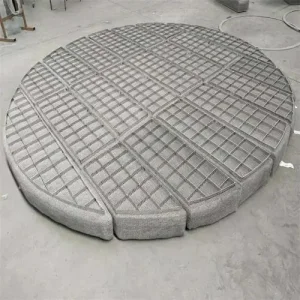
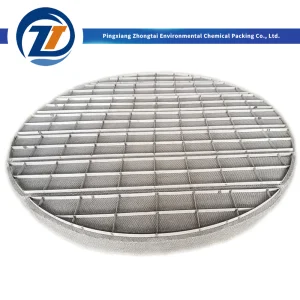
China 304 316L Stainless Steel Metal Wire Mesh Mist Eliminator Demister Pad
304 316L Stainless Steel Metal Wire Mesh Mist Eliminator Demister Pad
Inquire Specifications
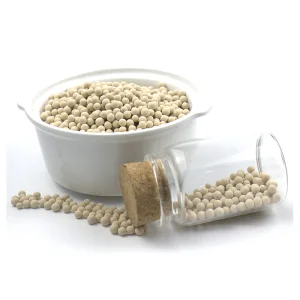
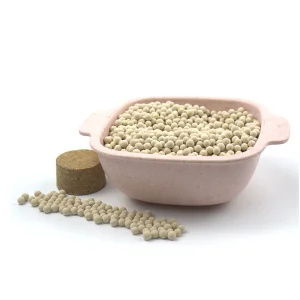
China High Quality Adsorbent Zeolite 3A Molecular Sieve
High Quality Adsorbent Zeolite 3A Molecular Sieve Factory Direct
Inquire Specifications
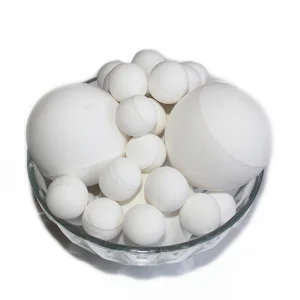
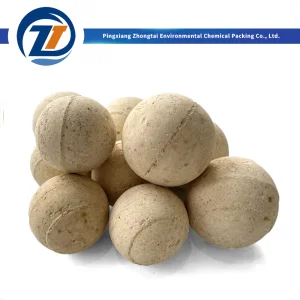
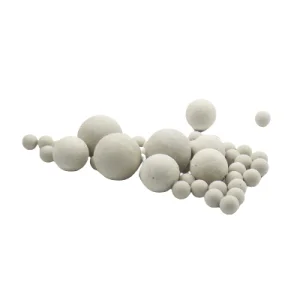
China 99% AL2O3 Inert Alumina Ceramic Ball
99% AL2O3 Inert Alumina Ceramic Ball Catalyst Bed Support
Inquire Specifications
China Wire Gauze Metal Structured Packing
Precision Wire Gauze Metal Structured Wire Packing
Inquire Specifications
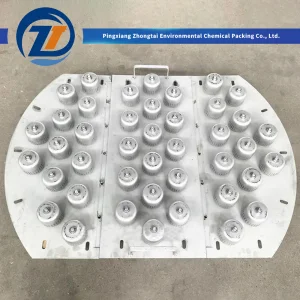
China 304 316L Stainless Steel Metal Bubble Cap Tray
304 316L Metal Bubble Cap Tray for Distillation & Scrubbing
Inquire Specifications
High Density Heat Storage Ceramic Ball Refractory Regenerative Ball
High Density Heat Storage Regenerative Ceramic Ball for RTO Furnaces
Inquire Specifications
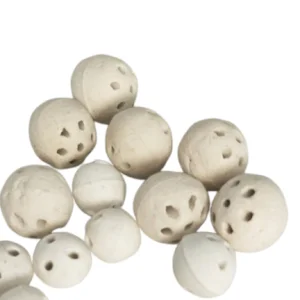
China Porous Ceramic Ball for Catalyst Covering
Porous Ceramic Ball for Catalyst Covering & Support Media
Inquire Specifications
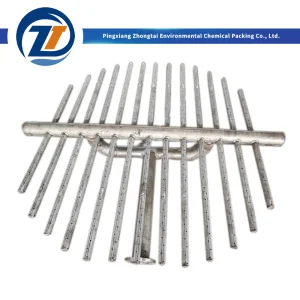
304 316L Metal Pipe Liquid Distributor Perforated Spray Pipe
Stainless Steel Perforated Spray Pipe Liquid Distributor for Towers
Inquire Specifications
Technical Whitepaper Insight

Vitrified Acid Proof Bricks: Mineralogy, Sintering Dynamics & Performance Mechanics

Understanding how phase equilibrium, ultra-low porosity, and mullite-quartz matrices establish permanent structural barriers against aggressive mineral acids and thermal-mechanical stress.

Mullite-Quartz Phase Vitrification

Acid proof bricks manufactured in China utilize high-purity kaolinitic clays, silica flux, and feldspar compounded under high tonnage hydraulic pressure. During controlled firing at 1280°C to 1340°C in automated tunnel kilns, secondary mullite (3Al₂O₃·2SiO₂) crystallizes within an amorphous vitreous silicate phase. This dense crystalline network provides absolute chemical passivity against sulfuric, nitric, and hydrochloric acids at high temperatures.

Zero Open-Porosity Barrier

The primary failure mechanism in chemical masonry is acid permeate crystallization. By restricting water absorption below 1.0% (and often below 0.5% in ultra-dense grades conforming to ASTM C279 Type III), capillary suction is eliminated. Corrosive liquors cannot enter the body of the brick, which prevents sub-surface salt crystal bursting, thermal shock spalling, and sub-lining steel vessel shell degradation.

Dynamic Compressive & Shear Resilience

Operating chemical columns, digestors, and acid storage sumps place extreme dead loads and lateral hydraulic turbulence upon linings. Our acid-resistant bricks demonstrate cold crushing strengths (CCS) consistently exceeding 100 to 120 MPa, sustaining severe packed tower packing support grid loads, brick dome stresses, and mechanical agitation without structural micro-cracking.

Critical Process Metallurgy Boundary

While vitrified ceramic bricks offer indefinite service across all concentrations of H₂SO₄, HNO₃, HCl, and organic solvents, chemical process engineers must note that hydrofluoric acid (HF), fluosilicic acid (H₂SiF₆), and boiling concentrated alkalis dissolve silica-based vitreous matrix phases. For HF services, carbon brick linings backed with specialized furan resins must be designated.

≥99.8%
Acid Resistance (H₂SO₄ Test)
<0.8%
Water Absorption (ASTM C279)
>110 MPa
Cold Crushing Strength
1380°C
Thermal Softening Limit
Quality Assurance & Compliance

Global Engineering Specifications: ASTM C279, DIN 28062 & GB/T 8488

International EPC contractors and plant operators require unambiguous qualification standards. Below is the multi-standard performance envelope achieved by our certified chemical porcelain and acid-resistant brick manufacturing facilities.

Physical / Chemical Property ASTM C279 (Type I / II / III) DIN 28062 Class 1 Standard GB/T 8488-2008 Standard Zhongtai Factory Premium Batch
Acid Solubility (% Loss) Type I: ≤ 8.0% | Type III: ≤ 1.5% ≤ 1.5% Class 1: ≤ 1.2% ≤ 0.65% (ASTM Method)
Water Absorption Rate (%) Type I: ≤ 6.0% | Type III: ≤ 1.0% ≤ 1.5% Class 1: ≤ 0.5% 0.20% - 0.45%
Cold Crushing Strength (MPa) ≥ 34.5 MPa to ≥ 68.9 MPa ≥ 80.0 MPa ≥ 60.0 MPa > 115.0 MPa
Flexural / Modulus of Rupture Not strictly standardized ≥ 15.0 MPa ≥ 18.0 MPa ≥ 24.5 MPa
Thermal Shock Resistance Thermal cycling per spec Resistant to ΔT 120°C 20°C to 100°C water quench: No cracks ΔT 150°C Quench Tested
Bulk Density (g/cm³) 2.10 - 2.35 2.20 - 2.40 ≥ 2.25 2.35 - 2.45 g/cm³

Why Procurement Teams Demand ASTM C279 Type III

For modern sulfuric acid plant absorption towers (FAT, IPAT) running with 98.5%–99.2% sulfuric acid at 95°C to 125°C, Type I bricks are fundamentally obsolete. Type III represents the pinnacle of vitrified, low-porosity chemical stoneware. Lower porosity means that when temperature upsets occur during shutdown or cold restarts, sulfuric acid trapped in the pore structures cannot hydrate explosively to cause spalling.

  • Strict Dimensional Tolerances: Calibrated length, width, and thickness (±1.0 mm) ensures thin bed joints (≤ 2–3 mm), minimizing vulnerable mortar surface exposure.
  • Total Impermeability: Zero capillary transmission of corrosive electrolytes ensures vessel wall steel skin temperatures stay stable and unattacked.
  • Full Traceability & Batch Reports: Mill test certificates (MTC) providing batch chemical assays (SiO₂, Al₂O₃, Fe₂O₃ < 0.8%) furnished per shipment.
Manufacturing 4.0 & Supply Chain

China Factory 4.0: Precision Robotics, Automated Kilns & Pingxiang Synergy

Pingxiang, Jiangxi is widely recognized as the chemical ceramics capital of the world. Zhongtai’s production lines combine century-old mineralogical expertise with Industry 4.0 digital automation.

Hydraulic Ultra-High Tonnage Pressing

Traditional manual tamping causes internal void defects. Our modern pressing lines deploy 1200-ton to 2500-ton fully automatic hydraulic presses equipped with multi-stage vacuum de-airing. This creates ultra-dense green bodies with completely isotropic internal density profiles, eliminating internal laminations and curing warping.

SCADA Controlled Multi-Zone Tunnel Kilns

Firing vitrified ceramics requires precision thermal curves. Our natural-gas fired tunnel kilns, extending over 140 meters, are governed by automated SCADA loops with 48 individual temperature monitoring zones. The firing cycle maintains a strict 1320°C soaking period, ensuring uniform crystal development from core to surface without hot-spot vitrification embrittlement.

Laser Sorting & Dimension Scanning

After exit from the cooling zone, automated laser vision systems inspect each unit across six geometric axes. Out-of-spec dimensions, warpage over 1.0 mm, or micro-edge chips are rejected before export packaging. This ensures installation crews at international project sites achieve rapid masonry laying rates without manual on-site tile grinding.

The Pingxiang Supply Chain Ecosystem Advantage

Founded in 2003, Pingxiang Zhongtai Environmental Chemical Packing Co., Ltd. sits in the heart of China’s most concentrated industrial ceramics corridor. Localized kaolin clay mines, feldspar processors, precision mold engineers, and certified third-party metallurgical laboratories are located within an 80 km radius. This industrial clustering delivers extraordinary agility:

  • Guaranteed Lead Times: Rapid raw material scaling enables rapid turnaround on 10,000 m² turnkey linings without raw material shortages.
  • Custom Arch & Wedge Shapes: In-house CNC tool making allows swift manufacturing of radial, arch, key, and skewback bricks for circular tower lining designs.

Containerized Heavy Export Packing Security

Industrial acid bricks are dense and sensitive to corner chipping during maritime transport. Every export batch is packed on heat-treated, fumigated solid wood pallets (ISPM 15 compliant), inter-layered with protective cardboard, bound with high-tensile PET strapping, and fully wrapped with multiple layers of moisture-barrier stretch film. Pallet cages ensure zero cargo shift across ocean routes.

Field Engineering Scenarios

Worldwide Industrial Applications: Where Acid Proof Bricks Are Mission Critical

From metallurgical refining cells to super-acid drying towers, our vitrified acid proof bricks serve as the ultimate defense where polymer liners, fluoropolymers, and alloy steels fail.

Sulfuric Acid Towers & Tanks

Used universally in drying towers, interpass and final absorption towers, acid pump sumps, and SO₃ gas distribution plenums subjected to boiling 93%–98% H₂SO₄.

Hydrometallurgy Leaching

Copper, zinc, and nickel autoclave flash tanks, solvent extraction sumps, and atmospheric acid leach vessels handling high slurry abrasion coupled with hot sulfuric acidity.

Phosphoric Acid Digestion

Wet-process phosphoric acid attack tanks where crude rock phosphate reacts with sulfuric acid, releasing corrosive fluorides, sulfates, and abrasive gypsum slurry crystals.

Pickling Lines & Metal Rolling

Continuous hydrochloric (HCl) and hydrofluoric/nitric pickling baths in carbon and stainless steel sheet mills requiring shock resistance against dropping heavy wire coils.

Chlor-Alkali & Organic Chemical

Chlorination columns, chlorinated hydrocarbon washing towers, and EDC/VCM quenching scrubbers exposed to moist chlorine gas, hydrochloric acid, and chlorinated aromatic solvents.

FGD Chimney Stacks & Wet Basins

Power plant flue gas desulfurization (FGD) wet stacks subject to acid dew point condensation containing sulfurous, sulfuric, and trace hydrochloric acid aerosols below 80°C.

Petrochemical Alkylation Units

Hydrofluoric or sulfuric acid alkylation spent acid storage vessels, gravity separators, and effluent neutralization trenches requiring long-term chemical containment.

Industrial Flooring & Bund Walls

Secondary containment bunds, hazardous chemical loading bays, battery recycling facilities, and pharmaceutical fermentation suites where mechanical wheel traffic occurs.

Structural System Engineering

The Dual-Barrier Principle: Acid Proof Bricks & Chemical Bonding Mortars

A brick lining is never an isolated material; it operates as an interdependent composite system consisting of the steel shell, flexible impermeable membrane, bed mortar, and face masonry.

Dual-Barrier Engineering Anatomy

Industrial vessels made of carbon steel or concrete expand, contract, and flex under internal process pressures and thermal gradients. Because vitrified ceramic bricks are rigid, the dual-barrier architecture is specified by leading process licensors globally:

  • Primary Membrane: A 3 mm to 6 mm elastomeric polyisobutylene (PIB), chlorobutyl rubber, or multi-ply vinyl ester/epoxy FRP laminate directly applied to the sandblasted steel shell (SSPC-SP 10 / NACE No. 2).
  • Thermal Buffer Bed: The brick course drastically reduces the temperature profile across its thickness (e.g., dropping 120°C acid to < 65°C at the membrane surface), preventing membrane degradation.
  • Mechanical Armor: Absorbs mechanical gouging, slurry scour, gas velocity impingement, and packing support bed loads.
Mortar Formulation Max Operating Temp Ideal Chemical Service
Potassium Silicate Up to 900°C Concentrated H₂SO₄, HNO₃, SO₂/SO₃ hot dry gases. (Avoid wet alkalis).
Furan Resin 170°C Universal solvents, mixed acids, hydrofluoric acid, alternating acid-alkali.
Vinyl Ester Resin 140°C Strong oxidizing acids, sodium hypochlorite, wet chlorine, high mechanical peel.
Phenolic Resin 160°C Sulfuric acid alkylation, high organic aromatics, phenols, chlorinated organics.
Procurement & Engineering Knowledge Base

Frequently Asked Questions: Technical Specifications & Sourcing

Detailed engineering clarification addressing technical queries from procurement directors, EPC corrosion engineers, and plant maintenance managers.

What are the key technical differences between ASTM C279 Type I, Type II, and Type III acid proof bricks?
ASTM C279 categorizes chemical-resistant ceramic masonry into three distinct classes based on density, vitrification, and service severity. Type I is intended for applications where low absorption is not critical and higher porosity (up to 6.0%) is acceptable, typically in milder chemical flooring or dry gas flues. Type II addresses service conditions requiring lower absorption and higher thermal shock tolerance. Type III is the most stringent standard, specifying maximum water absorption below 1.0% and sulfuric acid solubility loss under 1.5%. Type III is required for continuous immersion in hot concentrated mineral acids (such as 98% sulfuric acid absorption towers), because zero capillary permeability is necessary to stop acid from penetrating the brick and destroying the underlying elastomeric membrane or vessel shell.
Can acid proof ceramic bricks withstand hydrofluoric acid (HF) or caustic cleaning solutions?
No. Vitrified ceramic acid proof bricks contain a significant silica (SiO₂) and aluminosilicate phase. Hydrofluoric acid (HF), fluorinated process fluids, and fluosilicic acid react chemically with silica to form volatile silicon tetrafluoride (SiF₄) gas, which destroys the crystalline integrity of the brick. Similarly, boiling concentrated alkaline solutions (such as 30%–50% NaOH at elevated temperatures) will slowly leach the silicate vitrification binder. For HF environments or cyclic acid-to-strong-caustic washing units, chemical process engineers must specify synthetic carbon bricks bonded with 100% carbonaceous or furan resin mortars rather than ceramic masonry.
What dimensions and special shapes are standard for circular tower linings?
While standard straights measure 230 × 114 × 65 mm (9 × 4.5 × 2.5 inches) or 230 × 114 × 38 mm (split bricks), circular absorption columns and cylindrical chemical digestors require wedge, arch, and radial key bricks. Using standard straights in circular vessels results in wide, V-shaped radial mortar joints on the brick face, creating weak points prone to premature chemical erosion. By using factory-pressed side arch, end arch, and key brick shapes, installation teams maintain parallel 2.0 mm to 3.0 mm joints around the complete internal circumference, maintaining self-supporting structural hoop stress and preventing brick fallout under thermal expansion.
Why is Pingxiang, Jiangxi considered the world’s leading hub for chemical ceramics and packing?
Pingxiang possesses vast natural deposits of premium kaolin, sedimentary ball clays, and feldspar minerals, fostering an industrial ceramics heritage that spans several generations. The region has developed a comprehensive manufacturing cluster where equipment builders, precision mold makers, automated kiln suppliers, and state chemical engineering testing centers reside within the same district. This integration allows manufacturers like Zhongtai (founded 2003) to scale production rapidly, control raw material mineralogy down to parts-per-million iron content, and maintain competitive pricing and reliable supply schedules for global EPC projects.
How do you select the correct mortar between Potassium Silicate, Furan, and Vinyl Ester?
Mortar selection depends on operating temperature, chemical composition, and pH cycling. Potassium Silicate Mortar (such as halogen-free condensed potassium silicate) is the industry benchmark for high-temperature inorganic acid services (up to 900°C), particularly in dry/wet sulfuric acid towers, sulfur burners, and hot gas conduits. However, it degrades in water washing or neutral-to-alkaline conditions. Furan Resin Mortar provides universal resistance across non-oxidizing mineral acids, alkalis, and organic solvents up to 160°C–170°C. Vinyl Ester Mortars are selected for strong oxidizing services (wet chlorine, chlorine dioxide, nitric acid bleaches) and applications requiring high tensile and shear bonding strength.
What quality assurance documentation is provided with international shipments?
Every export shipment leaves our facility with a comprehensive technical dossier. This includes the Certificate of Analysis (COA) / Mill Test Certificate (MTC) stating batch XRF chemical analysis (SiO₂, Al₂O₃, Fe₂O₃, TiO₂, CaO, MgO), water absorption test logs per ASTM C373, acid solubility percentages per ASTM C279, cold crushing strength determinations, dimensional calibration records, and a Certificate of Origin (CO) for customs clearance. Third-party testing by international inspection agencies (such as SGS, BV, or TÜV) can be arranged prior to container stuffing upon customer request.
How are thermal expansion differentials handled between the carbon steel vessel shell and the ceramic brick lining?
Carbon steel has a coefficient of thermal expansion (α ≈ 12 × 10⁻⁶ /°C) roughly double that of dense acid-proof stoneware (α ≈ 5–6 × 10⁻⁶ /°C). When an acid tower heats up, the outer steel shell expands more rapidly than the internal brickwork. This differential is mitigated by engineering an elastomeric backing membrane (such as 4–6 mm soft polyisobutylene or natural rubber) that acts as a continuous shear-absorbing slip plane. Additionally, ceramic domes and vertical wall courses are laid using pre-calculated expansion joints filled with acid-resistant fluoropolymer foams or silicone/elastomeric mastics to absorb thermal stress and prevent structural spalling.
Can your factory supply custom-machined or pre-cast acid proof nozzle blocks and packing support columns?
Yes. Beyond standard masonry bricks, our Pingxiang facilities manufacture specialized chemical ceramic tower internals, including self-supporting ceramic arch beams, multi-element support plates, acid distribution nozzle sleeves, brick gas injection orifices, and ceramic thermocouple thermowell sheaths. We review EPC equipment drawings to produce tailor-made timber and steel molds for complex geometric components, maintaining precise dimensional accuracy after high-temperature vitrification shrinkage.
What is the standard manufacturing lead time and minimum order quantity (MOQ)?
For standard 230 × 114 × 65 mm straights and regular arches in ASTM C279 Type III or DIN 28062, our facility maintains a rolling inventory ready for container stuffing within 7 to 10 days. For custom project formulations, specialized radial sizes, or quantities exceeding 50,000 units, standard production lead time is typically 20 to 30 calendar days. Our flexible production lines allow an accessible MOQ of one 20-foot full container load (FCL) containing approximately 22 to 26 metric tons, packaged on secure export pallets.
How do you protect fragile ceramic tile edges from chipping during long-distance maritime freight?
Export packing integrity is critical for chemical ceramics. Bricks are stacked face-to-face on heavy-duty, fumigation-free wooden pallets with corrugated card interleaving between layers to prevent ceramic-on-ceramic friction. Heavy corner protectors are placed on all edges, and the entire pallet is tension-banded with four vertical and three horizontal PET straps. The pallet is then shrink-wrapped with waterproof UV-stabilized stretch hooding. When loading into sea containers, airbags and wood bracing are placed between pallets to eliminate lateral movement during ocean transit.
Specialty Chemical Media & Environmental Ceramics

Integrated Anti-Corrosion & Process Media Series (Phase 2)

Completing our plant portfolio: High-performance ceramic tower packings, molecular sieves, bio-filtration media, and structured honeycomb catalyst substrates engineered in Pingxiang, China.

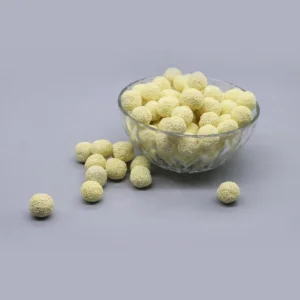
Wholesale fish tank biofilter far infrared bacterial house ball
Biofilter Far Infrared Bacterial House Media Ball for Water Conditioning
Inquire Specifications
China PSA Oxygen Generator 13X Molecular Sieve
13X Molecular Sieve Adsorbent for PSA Oxygen Generators
Inquire Specifications
China Metal Tellerette Ring Tower Packing
Precision Metal Tellerette Ring Packing for Industrial Wet Scrubbers
Inquire Specifications
China 17% AL2O3 Inert Alumina Ceramic Ball
17% AL2O3 Standard Inert Alumina Ceramic Bed Support Media
Inquire Specifications
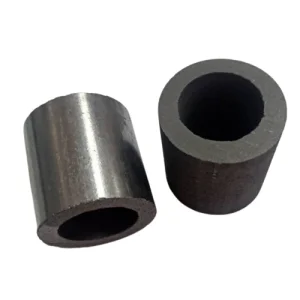
China Carbon Graphite Raschig Ring Tower Packing
Carbon Graphite Raschig Ring Packing for Hydrofluoric Acid Duty
Inquire Specifications
Metal Honeycomb Catalyst Substrate Ceramic-Coated Monolithic Structure
Metal Honeycomb Catalyst Substrate Ceramic-Coated Monolith
Inquire Specifications
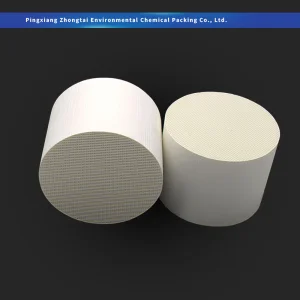
Catalyst Carrier Cordierite Honeycomb Ceramics for DOC
Cordierite Honeycomb Ceramics Catalyst Carrier for DOC Purification
Inquire Specifications
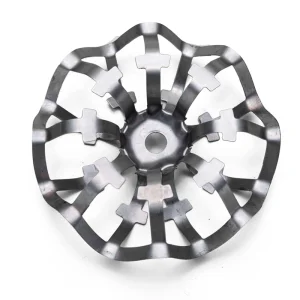
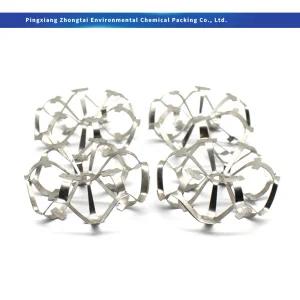
High Wear Resistance 304 316 Metal Teller Rosette Ring
Stainless Steel Teller Rosette Ring Flower Shape Tower Packing
Inquire Specifications
Direct Technical Engineering Engagement

Request Certified Data Sheets, Test Samples & Lining Calculations

Contact Pingxiang Zhongtai Environmental Chemical Packing Co., Ltd. for project consultation. Our senior chemical process engineers calculate vessel brick quantities, evaluate chemical resistance parameters, and ship certified test samples worldwide within 48 hours.

Contact Technical Engineering Download Engineering Catalog