1 / 5

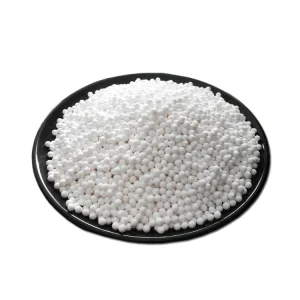
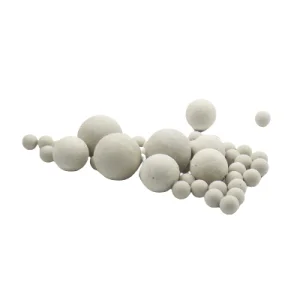
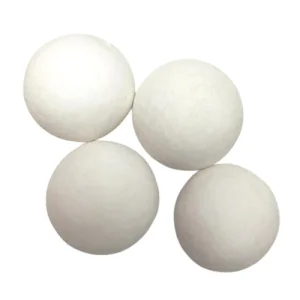
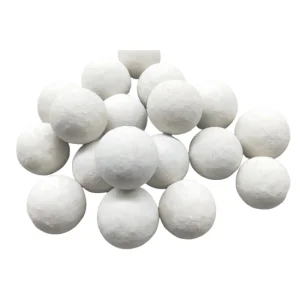
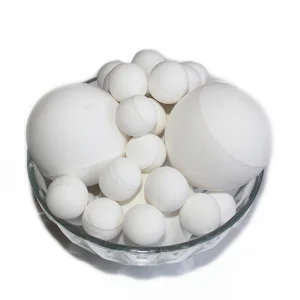
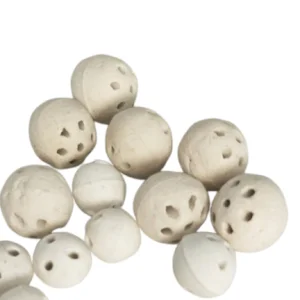
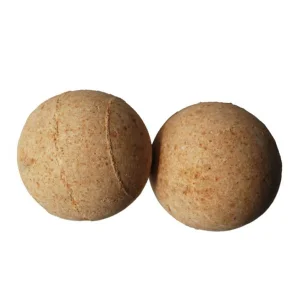
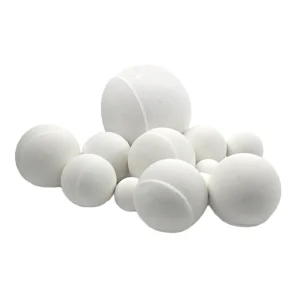
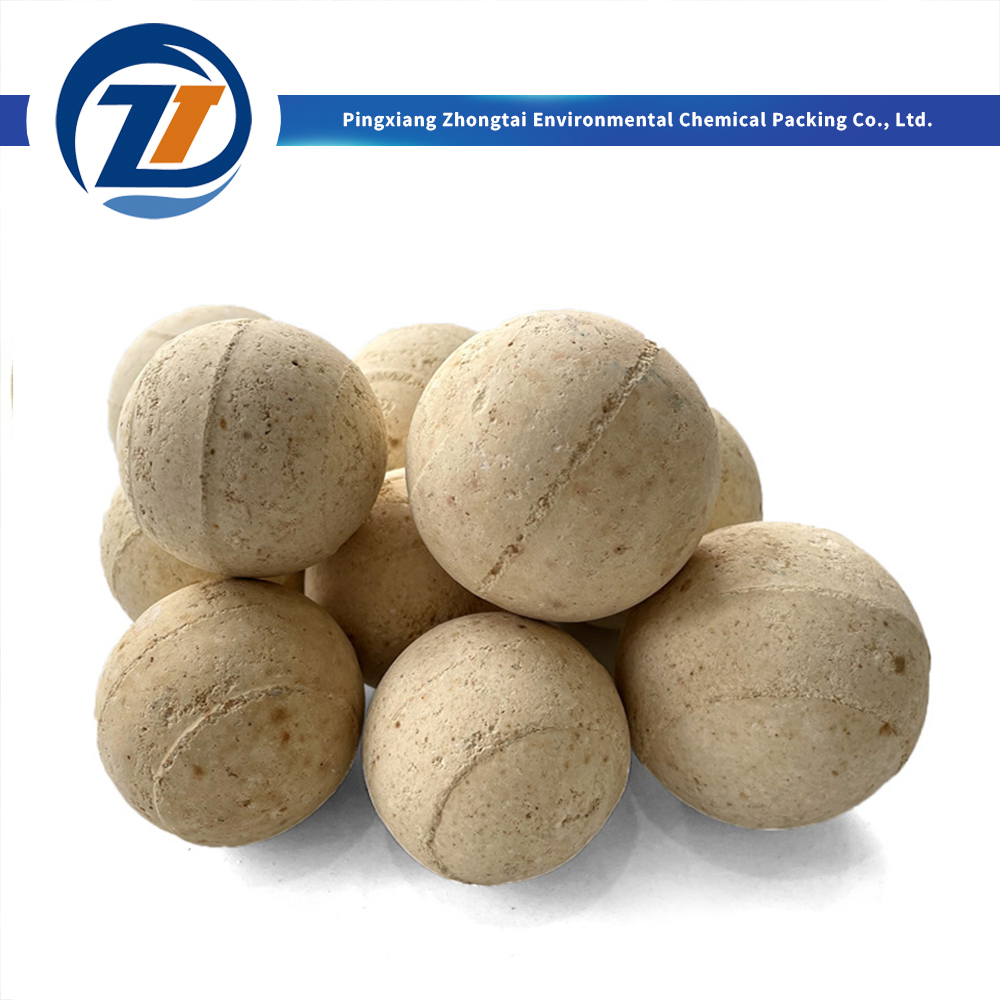
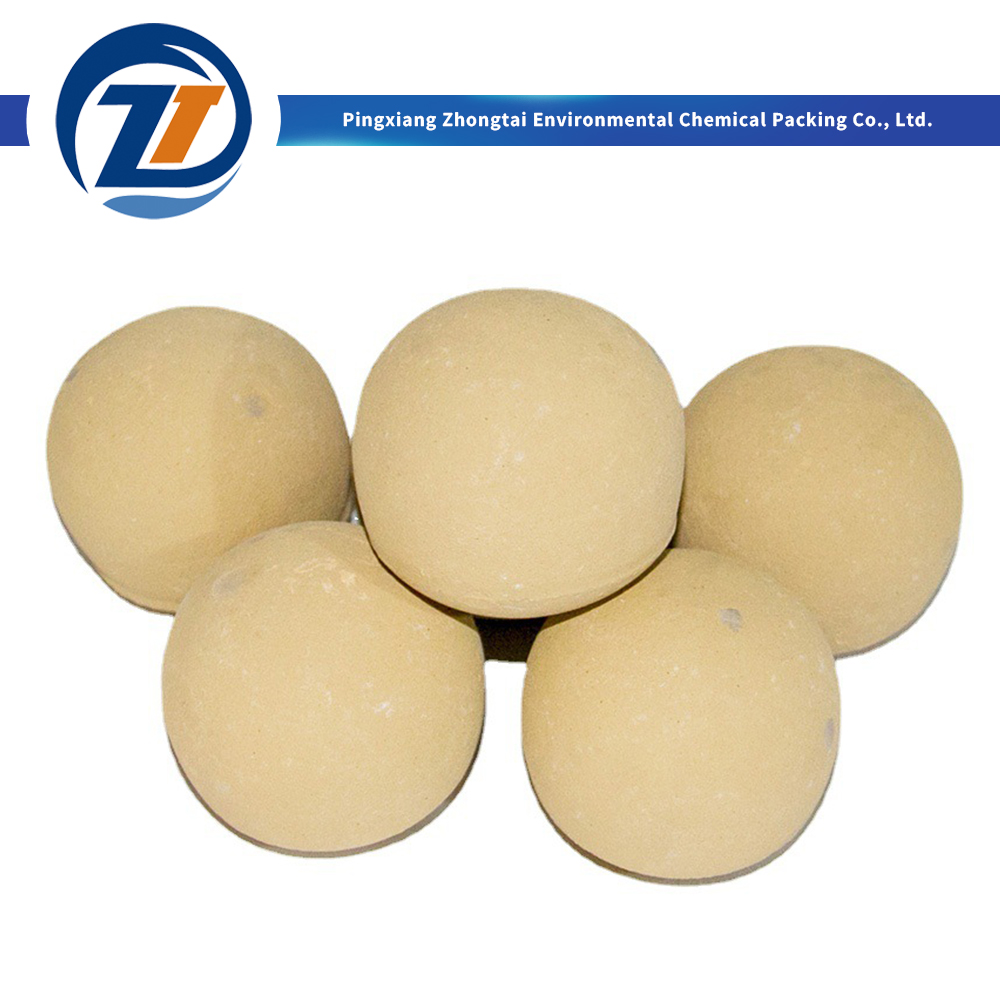
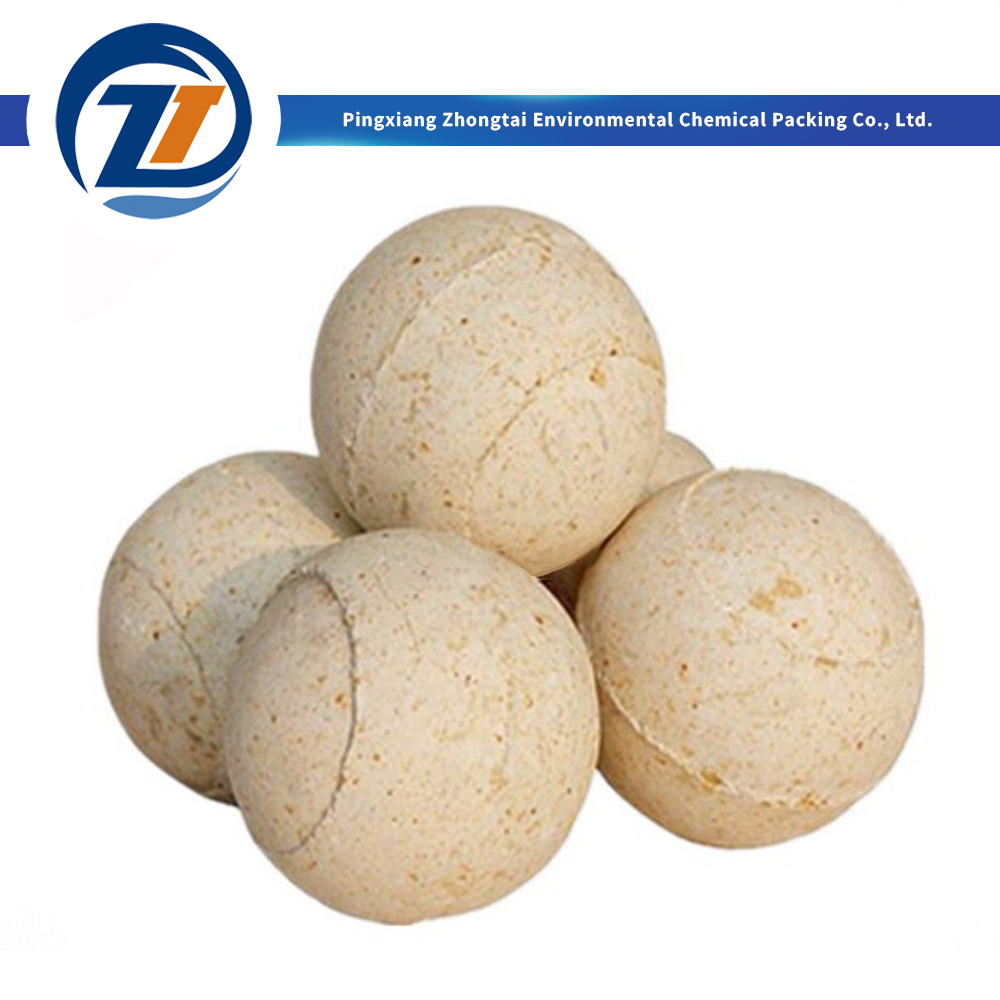
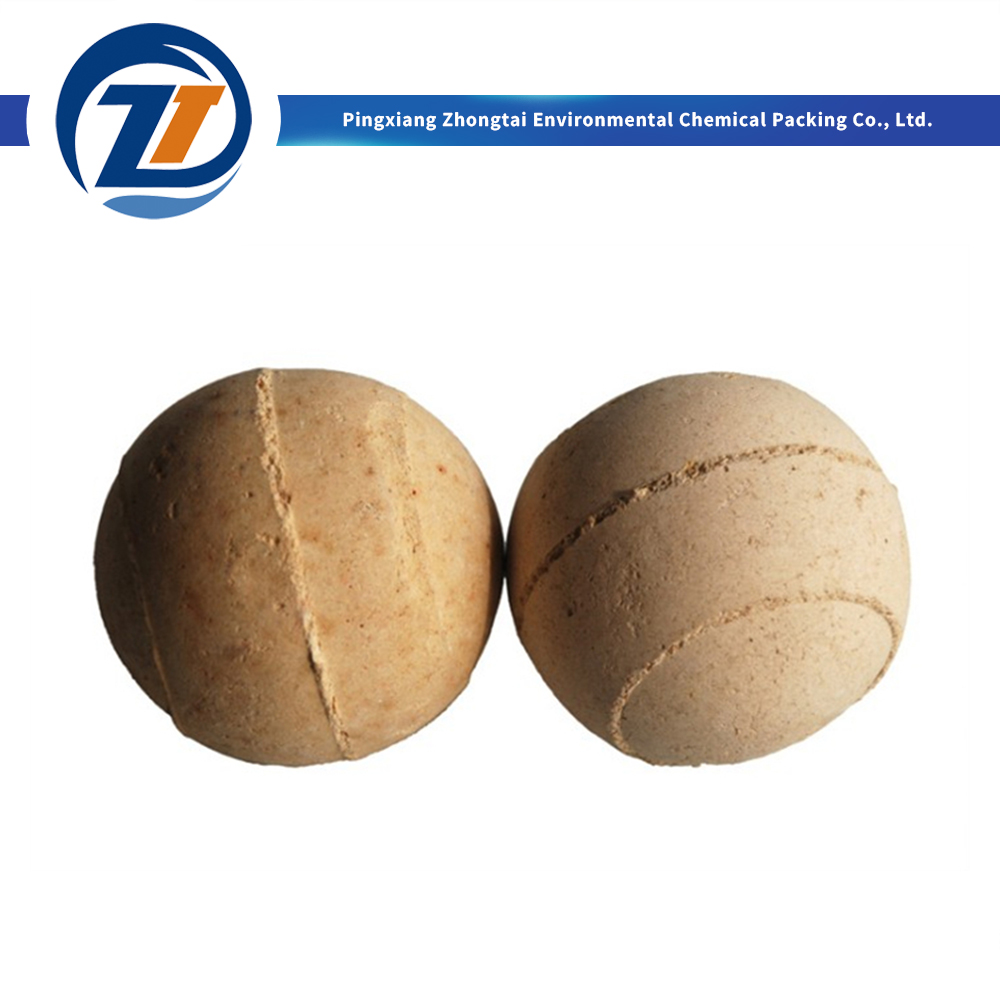
The Heat Storage Ceramic Ball, also known as the Refractory Regenerative Ball, is a specialized thermal storage media engineered for high-temperature industrial heat exchangers. Produced from high-density and premium refractory raw materials, it rapidly absorbs and releases immense volumes of thermal energy during frequent gas switching cycles. It plays a critical role in recovering industrial waste heat, significantly reducing fuel consumption, and stabilizing process temperatures in demanding high-temperature combustion environments.
Possesses high bulk density and specific heat capacity, allowing maximum heat absorption and minimal energy loss per cycle.
Formulated to endure rapid temperature fluctuations from 1200°C to cold air over thousands of cycles without cracking, peeling, or powdering.
Operates reliably in extreme environments up to 1700°C, maintaining strong structural integrity without deformation or slagging.
Resists heavy top loads and high-velocity gas abrasion inside deep packing beds, preventing bed collapse and pressure drop increases.
Highly stable against oxidation, reduction gas environments, and chemical vapor erosion in heavy industrial processes.
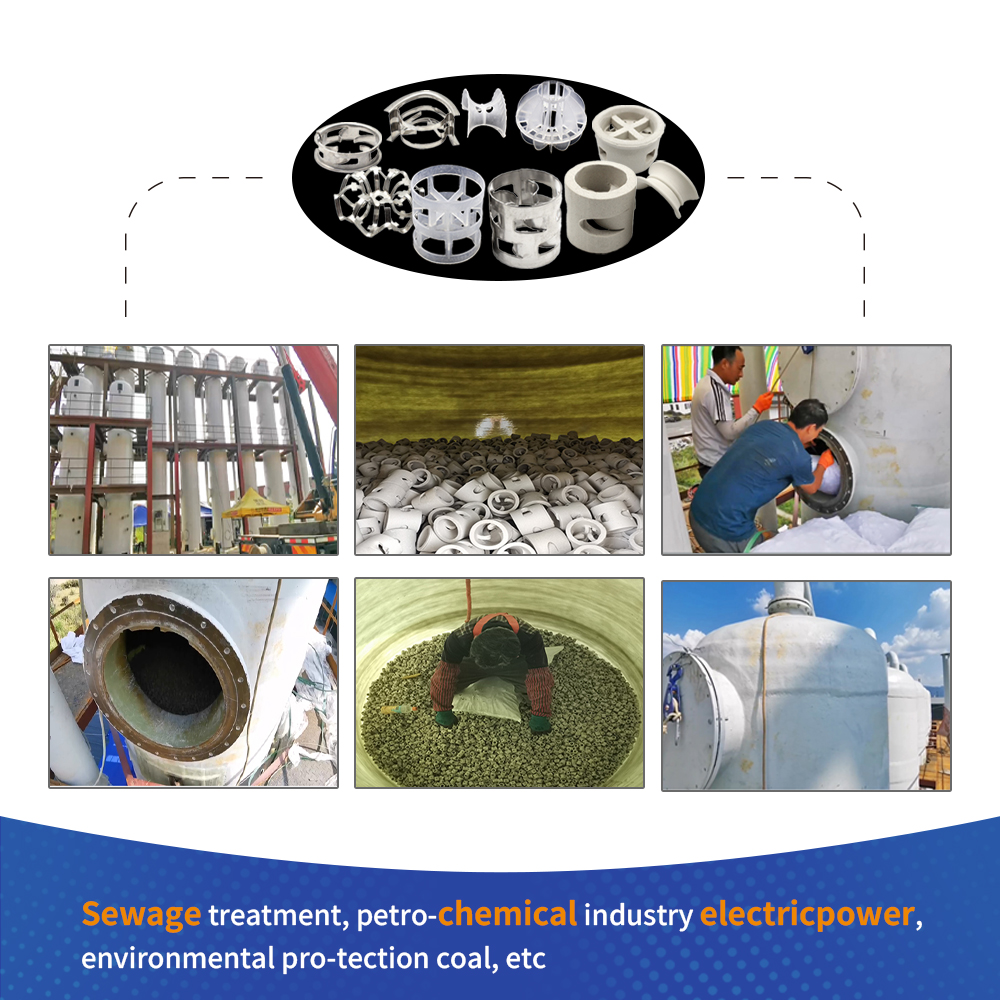
Regenerative Thermal Oxidizers (RTO) and Regenerative Catalytic Oxidizers (RCO) for VOCs abatement. Air separation units and pebble heaters in iron and steel blast furnace systems. High-temperature heating furnaces, gas cracking furnaces, and smelting furnaces in petrochemical and metallurgical plants.
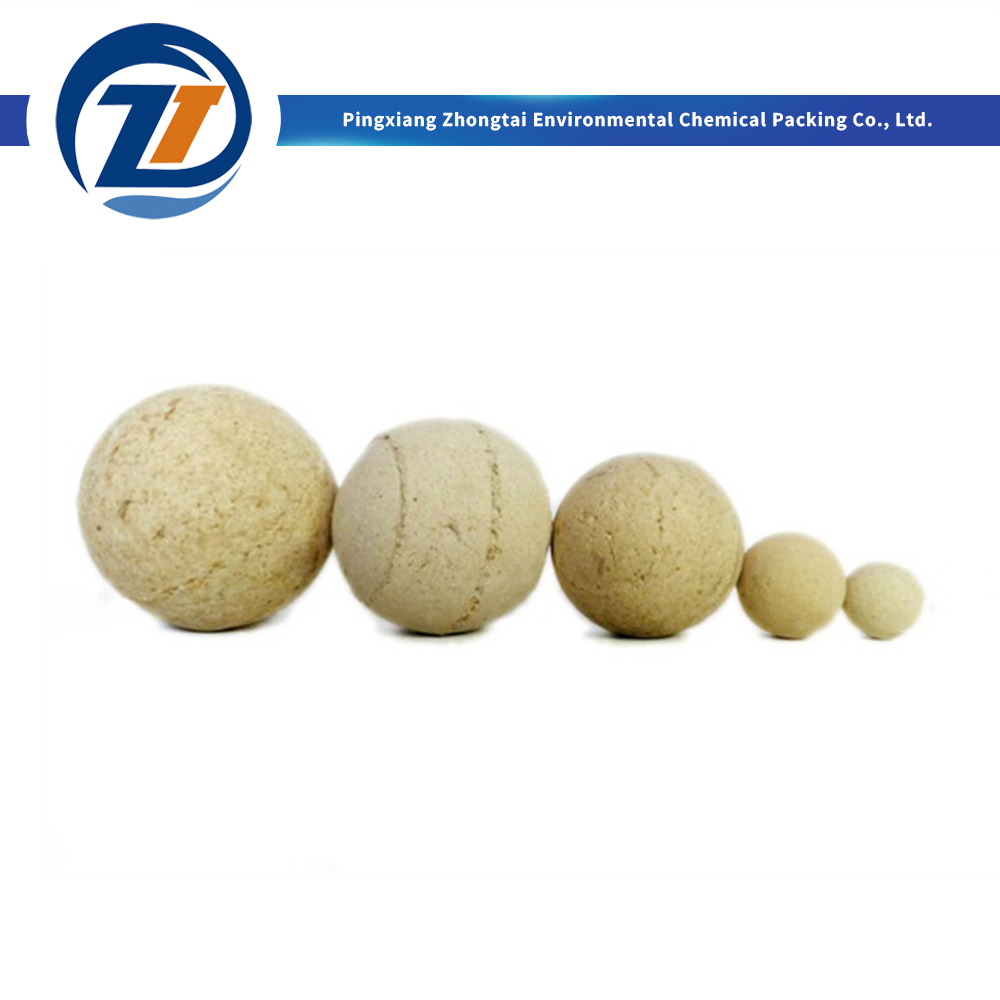
| Size (mm) | Al2O3 Content (%) | Bulk Density (g/cm³) | Refractoriness (°C) | Crushing Strength (KN/pc) | Thermal Shock Resistance (Cycles) |
|---|---|---|---|---|---|
| φ13 | 45% - 92% | 2.1 - 3.2 | 1450 - 1750 | > 1.5 - 4.5 | > 30 times (800°C to water) |
| φ20 | 45% - 92% | 2.1 - 3.2 | 1450 - 1750 | > 3.5 - 9.0 | > 30 times (800°C to water) |
| φ25 | 45% - 92% | 2.1 - 3.2 | 1450 - 1750 | > 5.5 - 13.0 | > 30 times (800°C to water) |
| φ40 | 45% - 92% | 2.1 - 3.2 | 1450 - 1750 | > 10.0 - 24.0 | > 25 times (800°C to water) |
| φ50 | 45% - 92% | 2.1 - 3.2 | 1450 - 1750 | > 15.0 - 35.0 | > 25 times (800°C to water) |



They serve as high-efficiency thermal reservoirs that capture heat from outgoing flue gases and transfer that stored heat back to preheat incoming combustion air or gas during the reverse cycle, drastically lowering fuel consumption.
Operating temperature and furnace atmosphere guide this selection. Standard applications with temperatures up to 1350°C typically utilize 45%–65% alumina, while severe conditions exceeding 1500°C or chemically corrosive atmospheres demand high-alumina formulations up to 92%.
Regenerative systems alternate between hot exhaust and cold air within seconds. High thermal shock resistance ensures the media does not fracture or turn to dust, preserving proper gas flow channels and preventing bed clogging.
RTO/RCO units frequently employ smaller sizes (φ13 to φ25 mm) to maximize surface area and convective heat transfer. Heavy industrial furnaces and pebble heaters generally incorporate larger diameters (φ40 to φ50 mm) to maintain lower pressure drop under high-velocity gas flows.
In deep regenerative beds, bottom layers endure immense compressive weight combined with thermal stresses. High mechanical crushing strength prevents compaction, cracking, and excessive pressure drop across the bed.