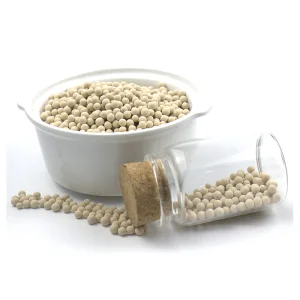
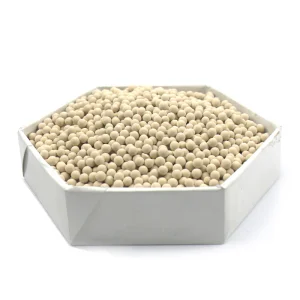
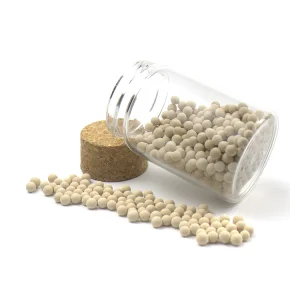
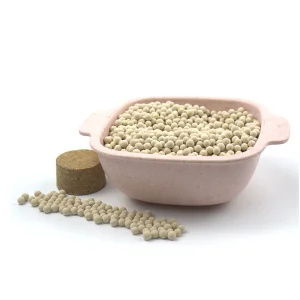
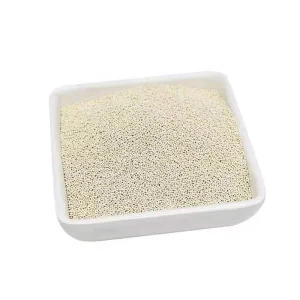
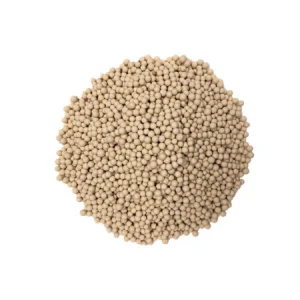
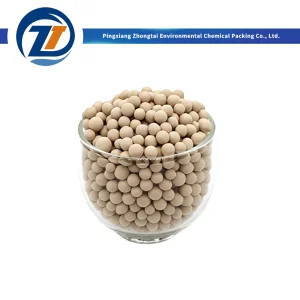
Engineered to exceed strict industrial parameters for PSA/VPSA oxygen systems, cryogenics, and deep gas dehydration.
The transition toward decarbonization, cryogenic processing efficiency, and stringent gas specifications is restructuring international procurement standards for synthetic zeolites.
Traditional thermal synthesis is being superseded by hydrodynamic crystallization. Modern plants modify internal cage kinetics, allowing ultra-low dew point operation (-80°C) without crystalline breakdown during regeneration thermal cycles.
Blue hydrogen facilities and carbon capture (CCUS) projects increasingly require custom-tailored 13X and 5A grades that deliver superior selectivity for carbon monoxide, carbon dioxide, and sulfur species under fluctuating pressure gradients.
Binderless or ultra-low binder molecular sieves are achieving wider commercial deployment. By eliminating inert clays, active mass increases by up to 20%, reducing the overall adsorber vessel sizing and associated civil costs.
A data-backed breakdown of industrial pricing models, volume tier dynamics, and total cost of ownership factors.
| Adsorbent Formulation | Pore Aperture | Crush Strength (≥) | Bulk Density | Indicative Price Range (FOB China) | Primary Industrial Utility |
|---|---|---|---|---|---|
| Zeolite 3A | ~3 Å | ≥ 35 N/bead (1.6-2.5mm) | 0.68 - 0.74 g/ml | $1,450 – $2,200 / MT | Cracked gas, ethylene, insulated glass desiccant, ethanol dewatering |
| Zeolite 4A | ~4 Å | ≥ 40 N/bead (1.6-2.5mm) | 0.66 - 0.72 g/ml | $1,350 – $1,950 / MT | Natural gas drying, refrigerant dehydration, static moisture purge |
| Zeolite 5A | ~5 Å | ≥ 45 N/bead (1.6-2.5mm) | 0.68 - 0.74 g/ml | $1,850 – $2,700 / MT | Normal-paraffin separation, PSA hydrogen purification, medical oxygen |
| Zeolite 13X / 13X-APG | ~10 Å | ≥ 38 N/bead (1.6-2.5mm) | 0.64 - 0.70 g/ml | $1,600 – $2,450 / MT | Air separation cryogenic prepurification (CO₂ & H₂O removal) |
| Zeolite 13X-HP | ~10 Å (Li/Na Exchanged) | ≥ 30 N/bead (0.4-0.8mm) | 0.60 - 0.65 g/ml | $3,800 – $6,200 / MT | High-flux PSA/VPSA medical & industrial oxygen generation systems |
Fluctuations in bulk sodium silicate and high-purity sodium aluminate drive baseline input expenses. Proprietary synthesis optimizations at Pingxiang clusters mitigate margin erosion, ensuring reliable price hedging for long-term supply contracts.
Rotary kiln and tunnel kiln calcination require precise thermal control above 550°C. Natural gas and energy procurement shifts can alter drying expenses by 8% to 15% per ton across different manufacturing territories.
Moisture ingress ruins molecular sieve activity prior to commissioning. Standard shipping necessitates nitrogen-purged steel drums (140-150 kg net) or air-tight hermetic foil liners in super sacks, representing roughly 4% to 7% of gross packaging expense.
How automation, digital kiln networks, and cluster-based supply structures deliver quality consistency at high scale.
Operating within Jiangxi's industrial ceramic hub keeps raw clays, binders, and calcination energy inside a 50 km logistics radius, minimizing disruption risks.
Continuous granulating disks with real-time laser granulometry ensure tight spherical tolerances (1.6-2.5 mm or 3.0-5.0 mm), preventing bed channeling.
Every firing lot is verified via XRF and static water adsorption rigs. Detailed Certificates of Analysis (COA) match packed pallet tracking IDs.
Integrated intermodal freight from Pingxiang to Ningbo/Shanghai ports enables 14-day production-to-vessel turnarounds for bulk container contracts.
Zeolite media selection directly impacts operational economics, uptime, and gas output quality across demanding process environments.
Natural gas processing trains utilize high-crush 4A and 13X beds to prevent pipeline hydrate crystallization and freeze-ups in liquefaction heat exchangers, keeping outlet moisture levels below 0.1 ppmv.
PSA and VPSA units rely on high-capacity 13X-HP and 5A media. Preferential nitrogen selectivity allows direct production of 93%±3% high-purity medical-grade oxygen in hospital generation setups.
Ethylene and propylene fractionation requires specialized Type 3A sieves with strict pore exclusion. This configuration prevents olefin co-adsorption and runaway catalytic polymerization in desiccant beds.
Authoritative technical clarification on selection, handling, loading, and factory-level commercial terms.
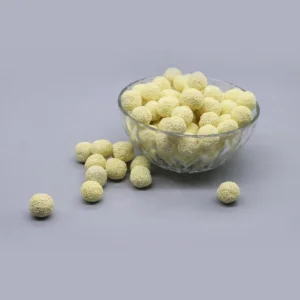
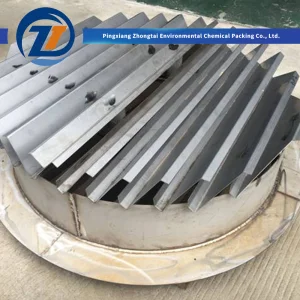
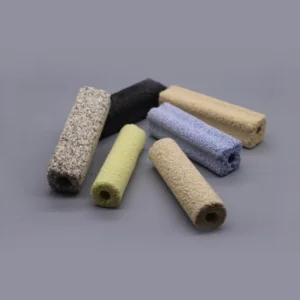
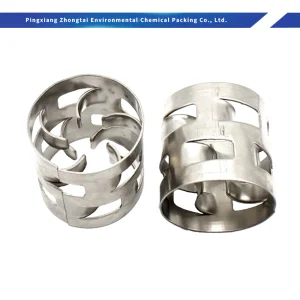
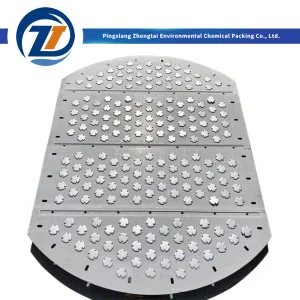
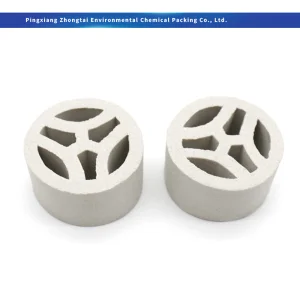
Complementary factory solutions for mass-transfer columns, catalytic bed supports, bio-filtration, and environmental scrubbers.