Procure certified mechanical washing media, high-efficiency mass-transfer packing, and ceramic filtration cores straight from our ISO-compliant industrial manufacturing infrastructure.
The global cleaning and laundry solutions industry is experiencing an unprecedented structural transition driven by resource conservation mandates, surfactant-free alternatives, and high-efficiency material science.
The commercial laundering and fabric care supply sector has evolved beyond simple synthetic detergent formulations. Today, major B2B enterprise procurement revolves around multi-cycle reusable washing aids, advanced mineral ceramic beads, and low-foaming surface-active agents designed to preserve water and reduce effluent chemical oxygen demand (COD).
Global regulatory bodies across the EU and North America are actively drafting standards requiring commercial laundries and household appliance manufacturers to minimize synthetic microplastic discharge. Mechanical agitation tools and bio-filtration carriers are now primary technical solutions in closed-loop effluent systems.
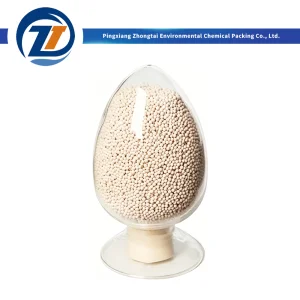
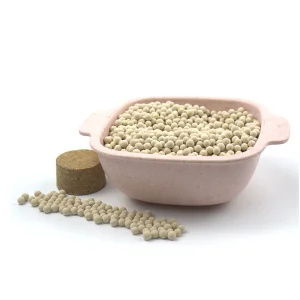
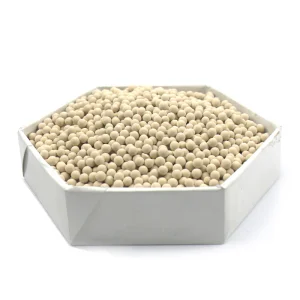
Modern factories do not treat laundry products in isolation. Advanced inorganic chemistry, such as synthetic zeolites (4A molecular sieves) for water softening, combined with ceramic contact beads that emit far-infrared energy and elevate negative ion density in water baths, represent the front line of detergent-sparing cleaning technologies.
A rigorous empirical comparison of traditional chemical wash setups versus advanced mechanical-ceramic laundry support architectures.
| Performance Metrics | Standard Synthetic Chemical Wash | Mechanical PVC / TPE Agitation Spheres | Active Ceramic Bead Contact Systems | Integrated Molecular Sieve (4A Zeolite) Systems |
|---|---|---|---|---|
| Surfactant Load Requirement | 100% Baseline Usage | Reduced by 35% – 45% | Reduced by 50% – 70% | Eliminates builder phosphates completely |
| Operating Water Temperature | 60°C – 80°C for optimal activation | Ambient to 40°C (Mechanical action) | 20°C – 40°C (Reduces surface tension) | Stable performance across 15°C – 90°C |
| Effluent COD / BOD Profile | Elevated; requires heavy tertiary treatment | Neutral; zero additional chemical load | Substantially reduced chemical burden | Precipitates hardness ions; inert sediment |
| Textile Fiber Degradation Rate | High chemical etching on fibers | Low; cushions tumbling fabrics | Negligible fiber attrition | Minimal fabric encrustation |
| Typical Industrial Lifespan | Single-cycle consumption | 1,000+ Wash Cycles | 500 to 800 Wash Cycles | Continuous regenerate/exchange bed |
Engineered laundry supplies and porous mass-transfer media configured across diverse high-throughput processing landscapes.
High-volume continuous batch tunnel washers (CBWs) process tons of hotel linens daily. Incorporating reusable mechanical agitation units alongside 4A zeolite-treated water softens industrial boiler feeds, maintains fabric whiteness, and cuts thermal energy expenditure by 28%.
Medical laundries demand complete pathogen eradication without fabric-destroying chlorine residues. Reusable ceramic-infused wash tools boost hydroxyl (OH-) generation in aqueous baths, achieving bio-decontamination while preserving protective barriers in PPE.
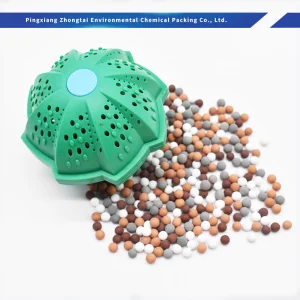
Direct-to-consumer sustainability brands utilize non-toxic, hypoallergenic PVC and TPR laundry spheres. These provide a physical substitute for petrochemical detergents, targeting sensitive skin conditions and fulfilling consumer preference for plastic-free waterways.
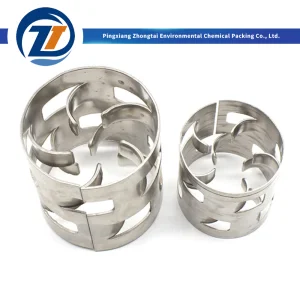
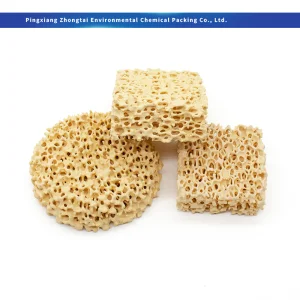
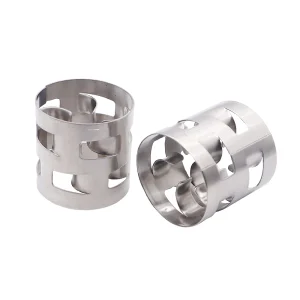
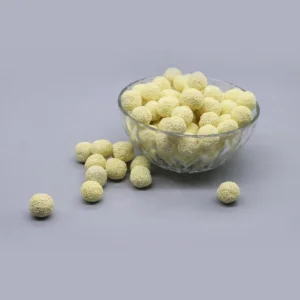
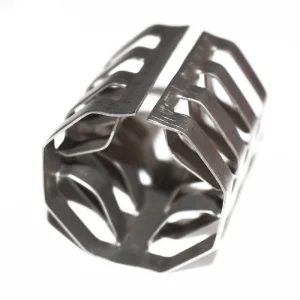
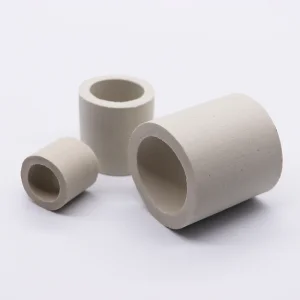
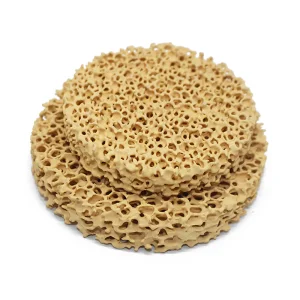
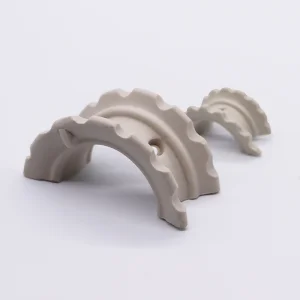
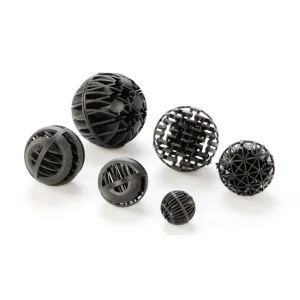
Commercial laundromat wastewater carries microfibers, suspended solids, and residual dyes. Multi-stage bio-ball packed bed scrubbers and ceramic foam filtration towers cleanse washwater, enabling 80%+ circular water reclamation loops.
Strategic development targets focusing on advanced polymer resilience, catalytic oxidation, and AI-optimized wastewater recycling.
Transitioning all mechanical laundry agitation spheres from standard fossil PVC to medical-grade, BPA-free thermoplastic elastomers (TPE) and post-consumer recycled polyolefins with superior mechanical damping.
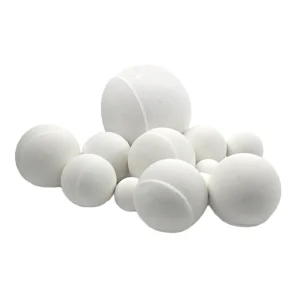
Embedding nano-titania (TiO₂) and tourmaline micro-particles inside hollow porous ceramic balls to catalyze cold-water organic dye breakdown via natural UV and ambient photolysis inside automated washers.
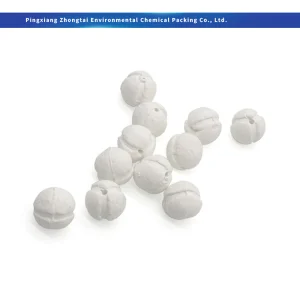
Developing rapid-cycling molecular sieve fluidized beds tailored specifically for laundromat greywater filtration, stripping heavy surfactants and phosphates without chemical flocculants.
Sensors integrated into tower packing columns and dynamic washing chambers to continuously report ionic conductivity, turbidity, and chemical balance to automated dosing control systems.
How Pingxiang Zhongtai supports global distributors, chemical formulators, and plant designers with factory-direct integration.
Full-spectrum OEM/ODM capacity for laundry supply distributors. We produce customized sphere geometry, proprietary compound flexibilities, branded Pantone hues, and customized retail or industrial tote packaging under rigorous non-disclosure agreements.
Situated in China’s industrial ceramic epicenter in Pingxiang, Jiangxi, our integrated supply ecosystem allows strict control over alumina purity, chemical inertness, and structural resilience across every batch of ceramic and polymer media we manufacture.
Every dispatch is accompanied by mill test reports, crush-strength verification sheets, RoHS/REACH compliance documentation, and customs clearance certificates of origin, protecting our partners from delivery delays and compliance penalties.
Detailed technical, commercial, and operational specifications for procurement managers and facility engineers.
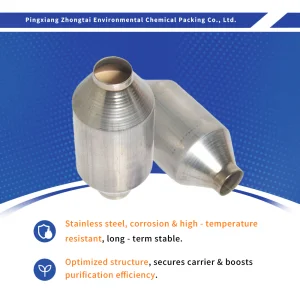
Explore our complete industrial portfolio designed for heavy-duty gas absorption, VOC thermal recovery, water purification, and catalyst containment.