
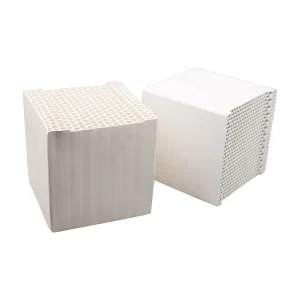
Explore high-temperature honeycombs, particulate filters, and thermal exchange matrices manufactured under ISO 9001:2015 rigorous dimensional and chemical quality standards.
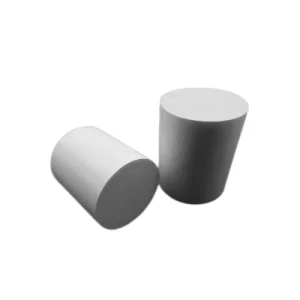
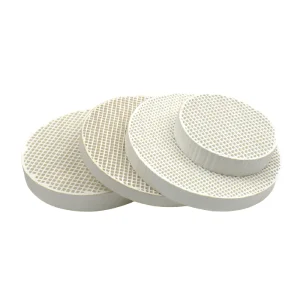
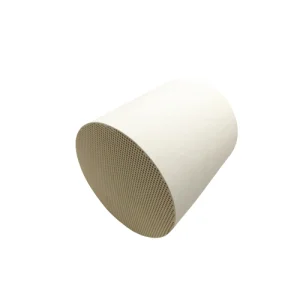
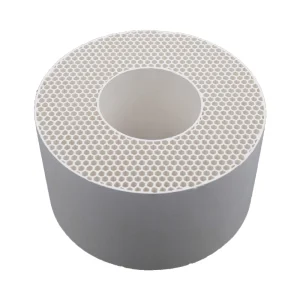
A comprehensive examination into synthetic cordierite formulations, cell structure geometry, and thermodynamics governing volatile organic compound (VOC) abatement systems.
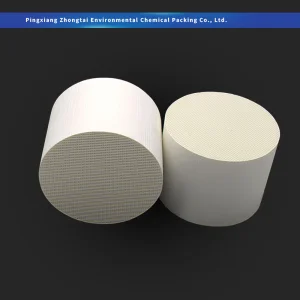
The operational longevity of honeycomb ceramic monoliths in regenerative thermal oxidizers (RTO) depends strictly on low thermal expansion. Zhongtai synthetically engineers cordierite phases (2MgO·2Al₂O₃·5SiO₂) yielding a CTE of ≤ 1.5 × 10⁻⁶/°C (between 25°C and 800°C). This molecular configuration prevents micro-cracking and spalling when cycling rapidly between 200°C and 1100°C furnace environments.
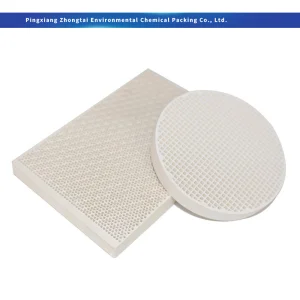
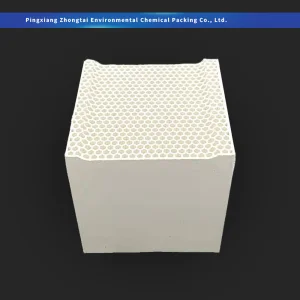
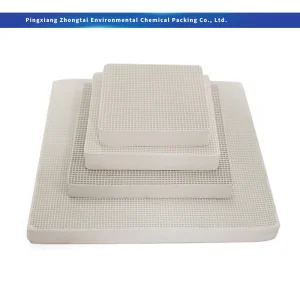
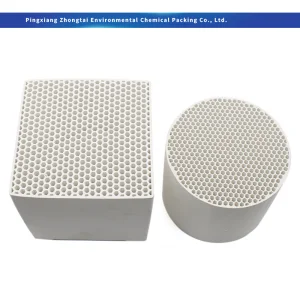
Cellular geometries—including standard square, triangular, and advanced hexagonal configurations—dictate aerodynamic pressure drop versus mass exchange surface area. Operating at 25 to 60 CPSI (cells per square inch) provides high open frontal areas (OFA ≥ 72%), dramatically lowering draft fan power consumption while maintaining superior sensible heat recovery efficiency exceeding 95%.
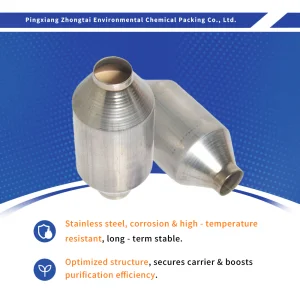
For catalytic oxidation (RCO) and vehicular converters (DOC/DPF/SCR), our honeycombs exhibit an optimized pore size distribution (micropores 2–10 μm, open porosity 45–55%). This enables ultra-adherent gamma-alumina washcoating without channel clogging, serving as the high-surface-area vehicle for platinum (Pt), palladium (Pd), and rhodium (Rh) active precious metal clusters.
| Material Formulation | Primary Crystal Phase | Specific Heat Capacity (J/kg·K) | Bulk Density (g/cm³) | Max Working Temp (°C) | Crush Strength (A-axis / C-axis) |
|---|---|---|---|---|---|
| Standard Cordierite | 2MgO-2Al₂O₃-5SiO₂ | 950 – 1050 | 0.75 – 0.90 | 1250°C | ≥ 12.0 MPa / ≥ 3.0 MPa |
| Cordierite-Mullite Composite | Cordierite + 3Al₂O₃·2SiO₂ | 1000 – 1150 | 0.85 – 1.05 | 1380°C | ≥ 16.5 MPa / ≥ 4.5 MPa |
| High-Alumina Ceramic Matrix | α-Al₂O₃ Phase | 1050 – 1200 | 1.20 – 1.60 | 1500°C | ≥ 25.0 MPa / ≥ 7.0 MPa |
| Dense Mullite Matrix | Needle-like Mullite | 1020 – 1180 | 0.95 – 1.15 | 1420°C | ≥ 18.0 MPa / ≥ 5.0 MPa |
From petrochemical refinery revamps to semiconductor solvent abatement, our technical media operates in harsh environments across key global manufacturing corridors.
Installed across leading microelectronics cleanrooms in Taiwan, South Korea, and the US Midwest to abate high-volume, low-concentration volatile solvents (IPA, Acetone) via multistage rotary RTO modules with zero pressure instability.
Supplied directly to Tier-1 exhaust fabrication specialists across Western Europe and Latin America, delivering low back-pressure monolithic structures that meet stringent Euro VI and EPA Tier 4 non-road heavy machinery limits.
Integrated within regenerative gas burner units for continuous reheating furnaces in German and Japanese steel processing plants, cutting natural gas fuel burn by up to 34% through ultra-fast cyclical heat sink dynamics.
Deployed in heavy petrochemical synthesis columns across the Middle East, functioning as particulate filtering hold-downs and flow-straightening monoliths to mitigate flow maldistribution over expensive precious metal catalyst beds.
Strategic geographic location, proprietary raw material refinement, and fully automated continuous tunnel kilns provide unrivaled cost efficiency and production agility.
Located in Pingxiang, Jiangxi—the historical epicenter of China’s advanced chemical packing—Zhongtai exercises direct upstream integration with ultra-pure kaolin, talc, and synthetic alumina mines, neutralizing cross-border raw material volatility.
Our facility operates automated multi-axis vacuum extruders coupled with digital atmospheric drying chambers and 120-meter computerized high-temperature tunnel kilns, guaranteeing dimensional tolerance control within ±0.5% and zero micro-structural warping.
Every single batch undergoes strict metallurgical testing: Helium pycnometry for porosity, cold crush strength (CCS) destructive testing, and laser dilatometry for thermal expansion verification, documented in third-party verifiable MTRs.
Addressing emergent decarbonization targets, green hydrogen synthesis, and ultra-high-temperature exhaust abatement through sustained research and strategic innovation.
Refinement of ultra-thin-wall extrusion dies (wall thickness ≤ 2.5 mil) for ultra-compact catalytic units, reducing precious metal loading by 18% without conversion loss.
Scaling recrystallized and reaction-bonded SiC honeycomb substrates capable of enduring 1600°C continuous thermal stress and aggressive alkaline flue gases.
Engineering specialized ceramic micro-channel reformers designed to optimize flame stability, thermal dissipation, and eliminate NOx formation during pure hydrogen combustion.
Establishing verified metallurgical reclamation pipelines to reconstitute spent industrial RTO blocks into second-life engineered tower packing, targeting carbon neutrality.
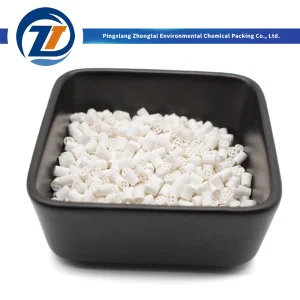
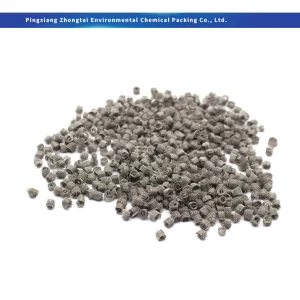
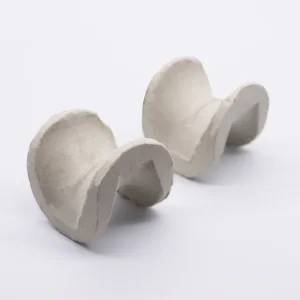
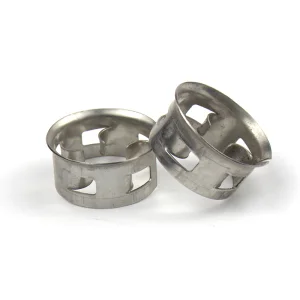
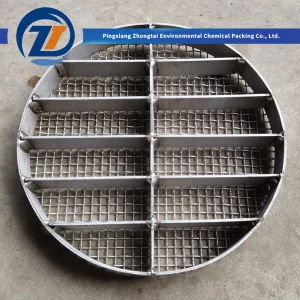
Comprehensive monolithic substrates, alumina support spheres, and mass transfer column internals for industrial chemical and environmental processing.
Eliminating operational risk across cross-border procurement through strict material certifiability, seaworthy crating, and direct engineering accountability.
Ceramic monoliths are sensitive to maritime dynamic vibration. Zhongtai executes individualized vacuum shrink-wrapping, reinforced cellular corrugated separators, and high-impact custom plywood crates compliant with ISPM 15 heat-treatment standards to ensure damage rates below 0.05% across oceanic shipping.
Each container shipment is matched to its production lot with an official Mill Test Certificate detailing X-ray Fluorescence (XRF) elemental chemical composition, helium-tested bulk density, water absorption rate, thermal expansion coefficient, and certified cold crushing strength.
Our bilingual thermal and mass transfer engineers provide comprehensive design verification—calculating volumetric monolith requirements, estimated bed pressure drop curves, and thermal regeneration profiles tailored to your specific flue gas velocity and VOC concentrations.
Specific engineering criteria, sizing parameters, and manufacturing specifications for honeycomb ceramic substrates and tower packing.