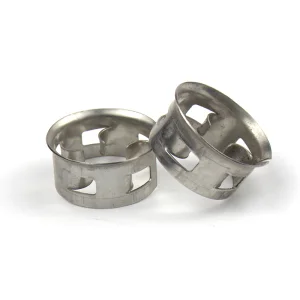
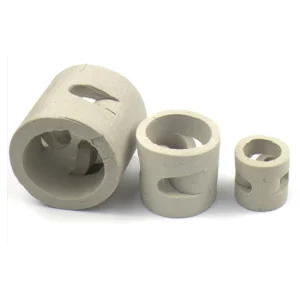
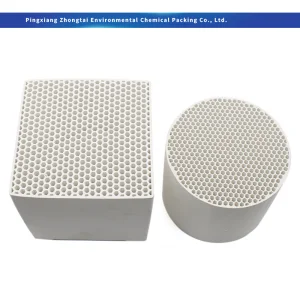
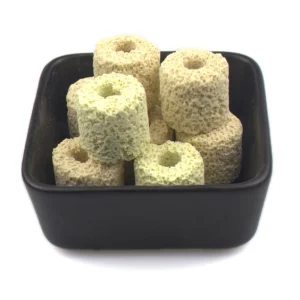
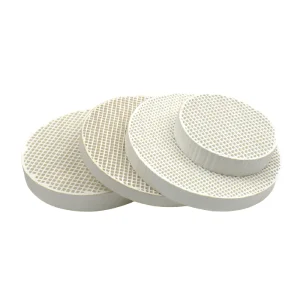
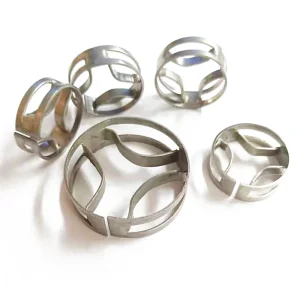
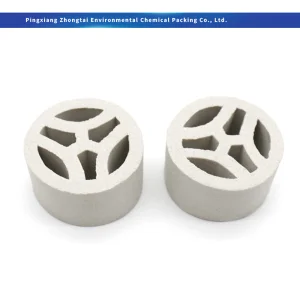
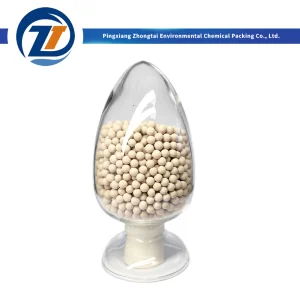
Engineered for low pressure drops, maximum liquid-vapor interfacial redistribution, and extreme mechanical resilience under intense operational temperatures.
Evaluating dual-market convergence across advanced water treatment functional filtration spheres and high-purity petrochemical inert reactor catalyst retention beds.
In municipal pretreatment, commercial shower filtration, and domestic RO remineralization, "Blue and White Ceramic Spheres" serve as critical bio-active components. The white spheres typically utilize high-purity Calcium Sulfite (CaSO₃) delivering up to 99% instant dechlorination within milliseconds of contact, while the complementary blue spheres represent cobalt-doped or far-infrared tourmaline ceramics engineered to activate water clusters, suppress microbial biofilm growth, and adjust alkaline oxidation-reduction potential (ORP).
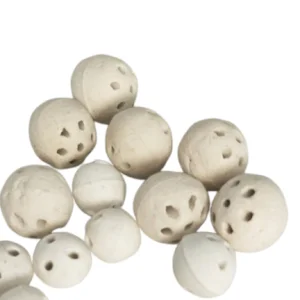
Within fixed-bed catalytic reactors, hydrotreaters, and reforming columns, industrial ceramic balls are color-stratified and chemical-grade designated. High-purity white inert alumina spheres (up to 99.5% Al₂O₃) occupy the high-temperature zone beneath catalyst beds to prevent silica poisoning, whereas trace-marked or specialized composite blue/gray ceramic spheres serve as visual graduation indicators during loading and unloading shutdowns, preventing bed fluidization and mitigating channeling under high-pressure gas rushes.
Modern high-density recirculating aquaculture systems (RAS) and precision chemical scrubbers demand composite micro-porous ceramic spheres with engineered specific surface areas exceeding 450 m²/g. Blue and white bio-ceramic balls are deployed to maximize bacterial colonization volumes for Nitrosomonas and Nitrobacter, delivering high ammonia nitrogen and nitrite removal efficiency without releasing hazardous heavy metal ions into high-sensitivity aquatic recirculations.
Precision-sintered ceramic formulations verified under ASTM C279 (Acid Resistance), ASTM C773 (Compressive Strength), and NSF/ANSI 42 water extraction standards.
| Product Class / Sphere Type | Primary Mineral Formulation | Crush Strength (kN/particle) | Bulk Density (g/cm³) | Water Absorption (%) | Max Service Temp | Primary Industrial Role |
|---|---|---|---|---|---|---|
| Industrial Inert Alumina White Ball | 17% – 99.5% Al₂O₃ + SiO₂ | ≥ 4.5 kN (for 25mm 99% Al) | 1.35 – 2.10 | ≤ 1.0% | 1450°C – 1650°C | Hydrotreater Catalyst Support & Top Retention |
| Functional CaSO₃ Dechlorination White Ball | ≥ 90% CaSO₃ + Food Grade Binder | ≥ 0.8 kN (for 6mm sphere) | 1.20 – 1.30 | ≥ 12.0% (Porous) | 120°C | Instant Residual Chlorine Removal in Water Systems |
| Tourmaline Negative Ion Blue Ball | Tourmaline + Kaolin + Negative Ion Powder | ≥ 0.95 kN (for 8mm sphere) | 1.30 – 1.45 | ≤ 4.5% | 800°C | Far-Infrared Activation & Negative Ion Generation |
| Micro-Porous Bio-Ceramic Blue/White Sphere | Silicate Matrix + Natural Volcanic Trace | ≥ 1.2 kN (for 15mm sphere) | 0.95 – 1.15 | ≥ 35.0% (Open Pores) | 1100°C | Biological Nitrification & RAS Water Treatment |
| Alkaline ORP Hydrogen Blue Sphere | Mg Alloy + Zinc + Tourmaline Blend | ≥ 0.65 kN (for 4mm sphere) | 1.25 – 1.38 | ≥ 15.0% | 100°C | Water pH Alkalization & Negative ORP Potential |
Batch QC Notice: Every export batch undergoes quantitative XRF elemental chemical assays and hydraulic crush load verification at Pingxiang Zhongtai's in-house laboratory before shipping documents (COA, Mill Test Certificates) are issued.
How Pingxiang Zhongtai Environmental Chemical Packing leverages two decades of industrial cluster synergy to achieve unmatched cost-to-performance ratios for global bulk buyers.
Pingxiang sits in Jiangxi Province, home to China's highest-purity kaolinite, bauxite, and cordierite reserves. Raw ceramic clays and alumina oxides are acquired within an 80-kilometer radius, drastically reducing inbound freight and supply shocks.
Equipped with 120-meter continuous tunnel kilns and high-precision computer-controlled shuttle kilns, our factory achieves isothermal temperature distribution up to 1650°C, ensuring uniform sphere sphericity and no internal firing micro-cracks.
From dry-pressing to multi-stage automated tumbling drum rolling, sphere diameter tolerances are held within ±0.5mm, delivering exceptional packing void consistency and preventing reactor wall-effect channeling.
Connected via high-speed railway and direct freight networks to Ningbo, Shanghai, and Shenzhen ports, Zhongtai executes palletized, drummed, or jumbo-bagged container shipping within 7 to 14 days of order sign-off.
How international process engineers, OEM system integrators, and plant managers implement our ceramic balls across varying chemical, environmental, and consumer sectors.
In high-pressure hydrodesulfurization (HDS) and hydrocracking reactors, inert white alumina ceramic balls are arranged in graded layers (from 1/8" at the top to 2" at the support grid). Their chemical inertness withstands aggressive hydrogen gas, hydrogen sulfide (H₂S), and elevated temperatures up to 550°C without shedding particulates or causing catalyst plugging.
Integrated inside multi-stage residential filter cartridges, commercial drink fountains, and OEM shower purification heads. Calcium Sulfite white balls neutralize aggressive municipal free chlorine and chloramines, while tourmaline blue mineral balls release potassium, calcium, and magnesium ions to improve taste and water hydration index.
Installed within foul-air municipal scrubbing towers handling volatile hydrogen sulfide, mercaptans, and ammonia fumes. High-surface-area bio-ceramic spheres provide an inert, acid-resistant substrate for aerobic biofilm proliferation, operating continuously without media compaction or structural breakdown.
Emerging industrial demands are driving rapid transformations in chemical ceramic engineering. Key shifts monitored by Zhongtai’s R&D engineering divisions include:
In high-temperature secondary steam methane reforming, trace silica leaching poisons downstream noble-metal synthesis catalysts. Industry demand is accelerating rapidly toward ≥99.5% high-alpha alumina balls with ≤0.1% SiO₂ contents to guarantee zero silica vapor carryover into expensive catalyst systems.
In line with global ESG directives and EU CBAM decarbonization frameworks, Pingxiang Zhongtai is progressively converting kiln heating systems to clean natural gas and exploratory green hydrogen-enrichment blends, lowering lifecycle carbon footprints by up to 28% per ton of sintered ceramic output.
Through proprietary foaming agent burnout technologies and nano-sol templating, next-generation bio-active blue and white balls feature tightly controlled mesoporous apertures (20 to 80 nanometers). This dramatically increases active mineral surface exchange rates without sacrificing hydraulic crush strength.
A structured engineering checklist for EPC contractors, refinery turnaround coordinators, and supply chain managers ordering bulk ceramic packings.
Clarify whether the environment involves aggressive acids (requiring acid-resistant vitrified ceramics), strong caustics, or high steam levels. Confirm maximum bed operating temperatures, cyclic pressure shifts, and gas velocities to prevent bed flotation.
Specify strict tolerance bands (±5% on nominal ball diameter). Uniform sizing prevents localized delta-P spikes and eliminates early catalyst migration down through support grating layers.
Ensure suppliers provide batch-traceable test certificates verifying chemical composition (XRF), crush strength (minimum 30-sphere average), acid solubility losses, and heavy metal leaching compliance (NSF/ANSI standards).
Complete factory-direct media solutions for petrochemical columns, environmental gas abatement, and specialized filtration systems.
Comprehensive technical answers addressing chemical composition, crush strength reliability, water treatment mechanisms, and international export documentation.
Industrial inert ceramic balls are composed of sintered aluminum silicates (Al₂O₃ ± SiO₂) engineered specifically for non-reactivity, zero-porosity, high compressive crush strength (≥3 to 8 kN/particle), and thermal stability up to 1650°C. Their primary duty is physical support and flow distribution within chemical catalyst beds. Conversely, functional "blue and white" water treatment balls are micro-porous or chemically active spheres. White balls typically feature Calcium Sulfite (CaSO₃) designed to dissolve at sub-ppm levels to catalytically neutralize free chlorine. Blue balls are usually mineral-doped (e.g., tourmaline, germanium, or far-infrared inorganic compounds) engineered to emit far-infrared energy, impart negative oxidation-reduction potentials (ORP), and remineralize treated water.
Dust formation occurs when green bodies exhibit micro-porosity defects or uneven vitreous phases due to improper kiln cooling. At Zhongtai, raw slips undergo ultra-fine wet ball-milling to a residue of ≤0.2% on a 250-mesh screen, followed by spray-drying to produce uniform density granules. Sintering is conducted in automated 120-meter tunnel kilns with digitally regulated soaking zones. Prior to packaging, batches pass through automated de-dusting vibration screens and undergo compressive crush tests per ASTM C773 guidelines. Products are packed inside heavy-duty multi-layer poly-lined 1,000 kg FIBC jumbo bags or sealed 200L steel drums on fumigated ISPM-15 wooden pallets to prevent attrition during ocean transit.
Selection depends on the presence of steam, operating pressure, and catalyst sensitivity. Standard 17% to 23% Al₂O₃ inert balls provide superior chemical resistance in standard hydrotreating and sulfur recovery units where temperatures remain under 350°C. For deep catalyst beds generating severe hydraulic head loads, 23% to 30% Al₂O₃ is preferred for higher compressive resilience. In secondary steam reformers, ammonia synthesis converters, and hydrogen generation reactors operating at elevated steam partial pressures, 99% super-high alumina balls are mandatory. High-alpha alumina with ≤0.1% SiO₂ prevents silica volatilization and subsequent precipitation on downstream heat-exchange surfaces and catalyst active sites.
Yes. Pingxiang Zhongtai manufactures water treatment Calcium Sulfite white spheres using food-grade raw materials (≥90% pure CaSO₃) bound with inorganic food-grade micro-binders. Sintered under low-temperature sanitary conditions, our finished spheres undergo toxicological extraction testing demonstrating non-detectable levels of lead, arsenic, mercury, cadmium, and barium, fully satisfying NSF/ANSI Standard 42 material extraction criteria for residential and commercial potable filtration appliances.
Every export dispatch includes a comprehensive QA/QC dossier comprising: (1) Certificate of Analysis (COA) specifying elemental XRF composition and bulk physical density; (2) Mechanical Crush Strength Histogram across random 30-sphere sampling; (3) Packing List & Commercial Invoice; (4) Non-Asbestos & Non-Radiation Declaration; and (5) Generalized Certificate of Origin (Form A, Form E, or RCEP depending on importing customs territory). Third-party inspection witnessing by SGS, Bureau Veritas, or TÜV is routinely supported at our Pingxiang factory premises prior to container stuffing.
Whether you are engineering a grassroots petrochemical reactor bed, revamping a distillation tower, or formulating OEM water filtration products, Pingxiang Zhongtai delivers precision-engineered media with prompt worldwide dispatch.