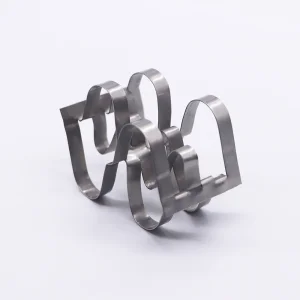
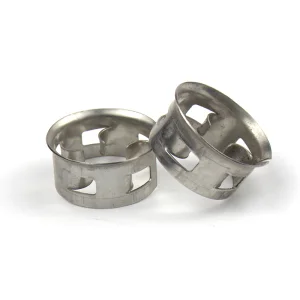
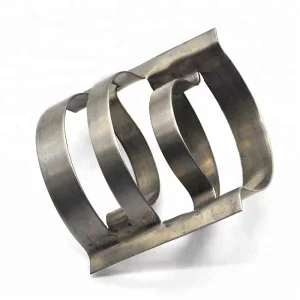
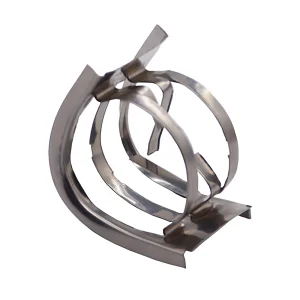
Metal Raschig Ring Product Description
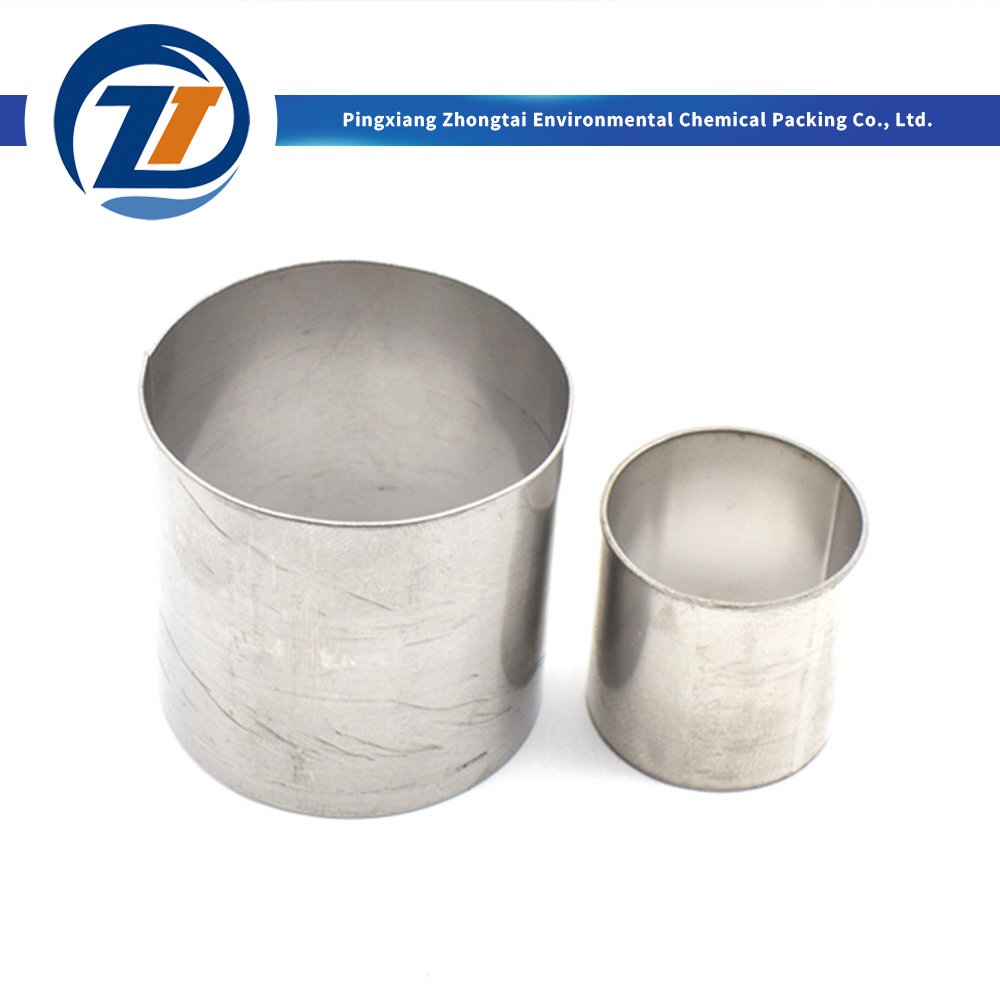
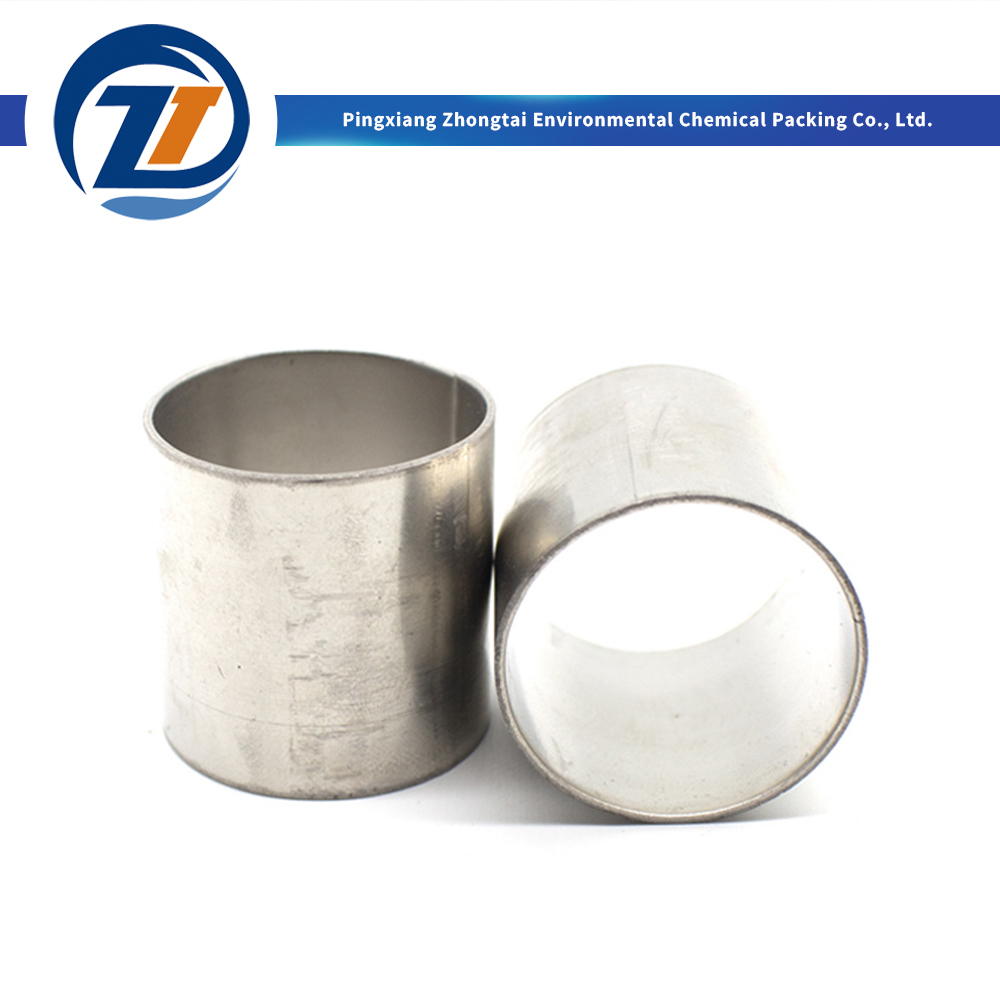
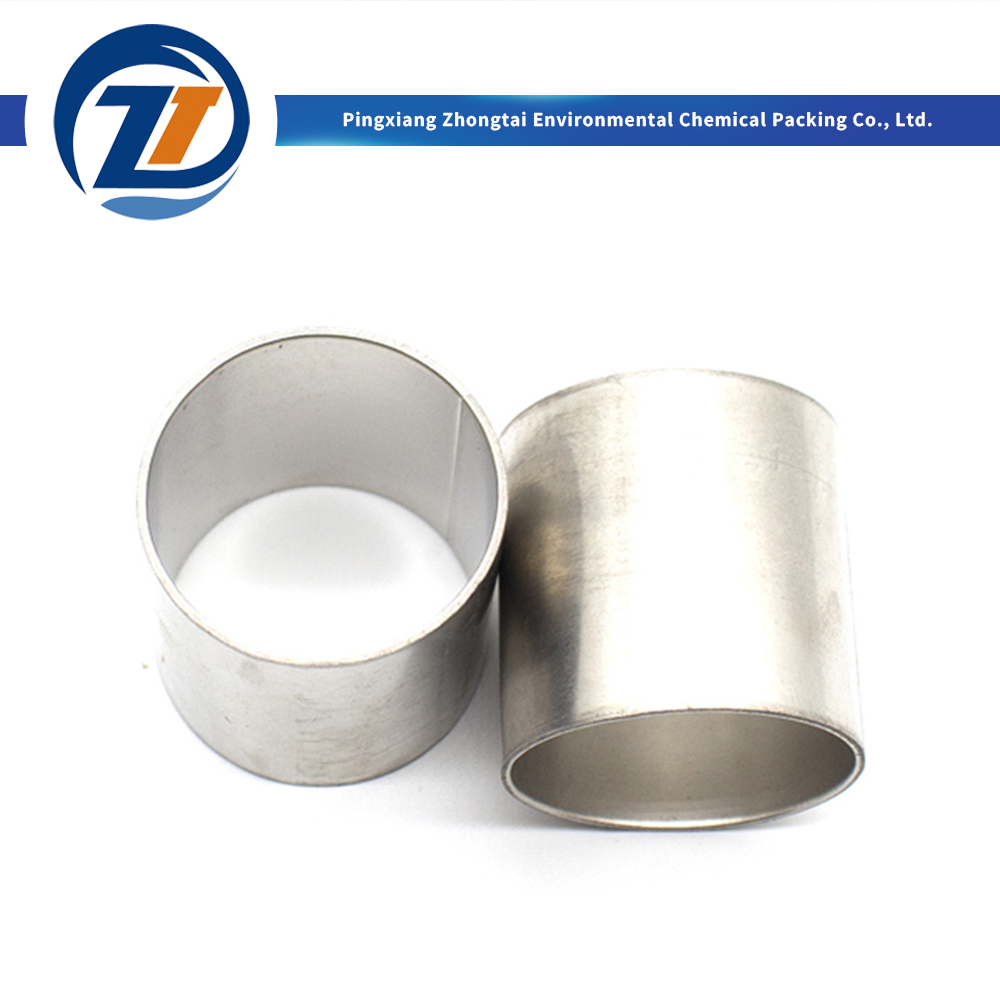
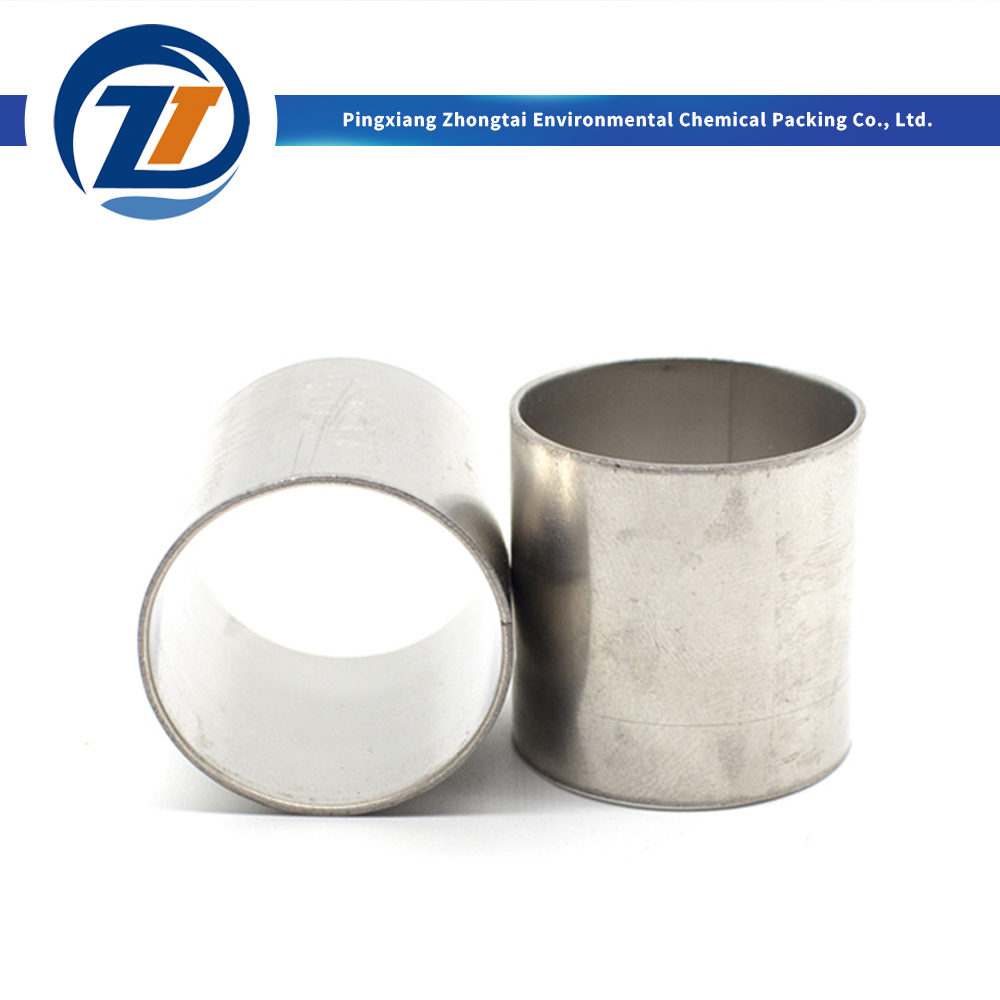
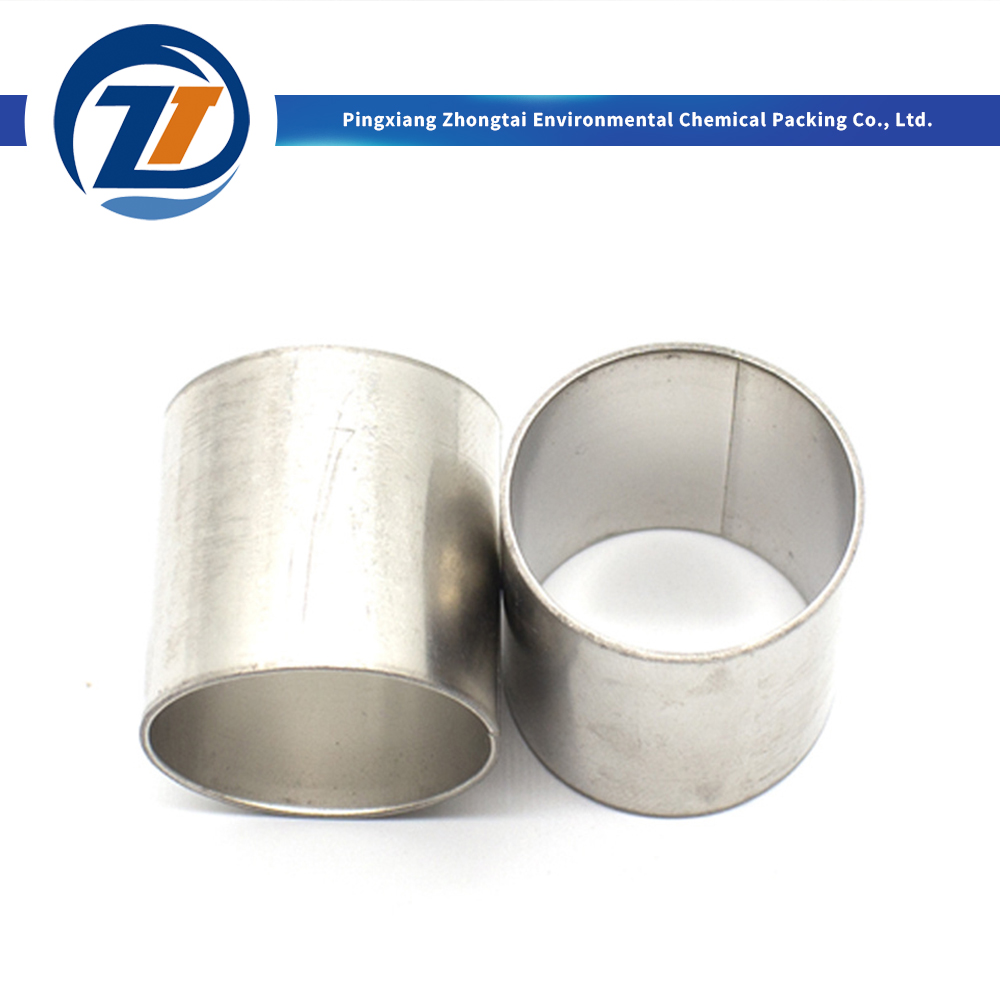
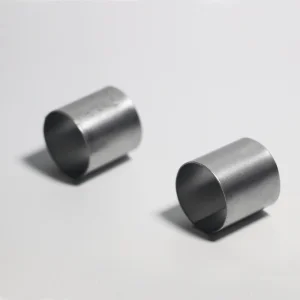
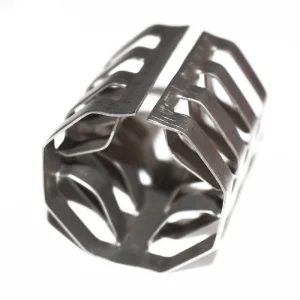
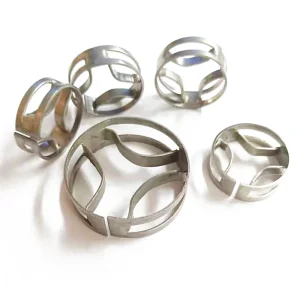
The Metal Raschig Ring is the original random packing, patented by Dr. Friedrich Raschig in 1914. Its design is a simple hollow cylinder with a height equal to its diameter. Unlike newer packings with internal structures, the metal Raschig ring has no tongues, windows, or moving parts. This simplicity gives it several unique advantages: it is highly resistant to fouling and plugging, can withstand high temperatures and pressures, and is the most cost-effective metal packing available. While its mass transfer efficiency is lower than that of structured or advanced random packings, it remains widely used in applications where ruggedness, low cost, and reliability are more important than maximum efficiency—such as support beds, high-temperature service, and corrosive environments.
Product Highlights
-
⚙️
Extremely Simple & Economical
The basic hollow cylinder design requires minimal manufacturing, resulting in the lowest cost among metal random packings.
-
🛡️
Excellent Anti-Clogging
With no internal edges or narrow openings, solid particles easily pass through, making it ideal for fouling or solids-laden services.
-
💪
Superior Mechanical Strength
Metal construction provides outstanding crush resistance compared to ceramic Raschig rings, preventing breakage during transport, loading, and operation.
-
🔥
High Temperature & Pressure Capability
Stainless steel grades operate continuously up to 450°C and withstand high-pressure environments far beyond plastic or ceramic alternatives.
-
🧪
Corrosion & Erosion Resistance
Available in 304, 316L, and carbon steel to suit a wide range of chemical environments and erosive conditions.
-
🔄
Versatile Basic Packing
Commonly used for support beds, pre-distribution layers, and simple absorption or distillation where high efficiency is not critical but durability is essential.
Technical Specifications
| Size (mm) |
Wall Thickness (mm) |
Number per m³ |
Surface Area (m²/m³) |
Void Ratio (%) |
Bulk Density (kg/m³) |
Packing Factor (m⁻¹) |
| φ16 |
1.0 |
212000 |
350 |
92.5 |
660 |
520 |
| φ25 |
1.2 |
49000 |
220 |
93.0 |
610 |
360 |
| φ38 |
1.5 |
13000 |
150 |
94.5 |
590 |
260 |
| φ50 |
2.0 |
6400 |
110 |
95.0 |
570 |
175 |
| φ76 |
2.5 |
1830 |
73 |
96.0 |
520 |
110 |
| φ100 |
3.0 |
950 |
58 |
97.0 |
510 |
75 |
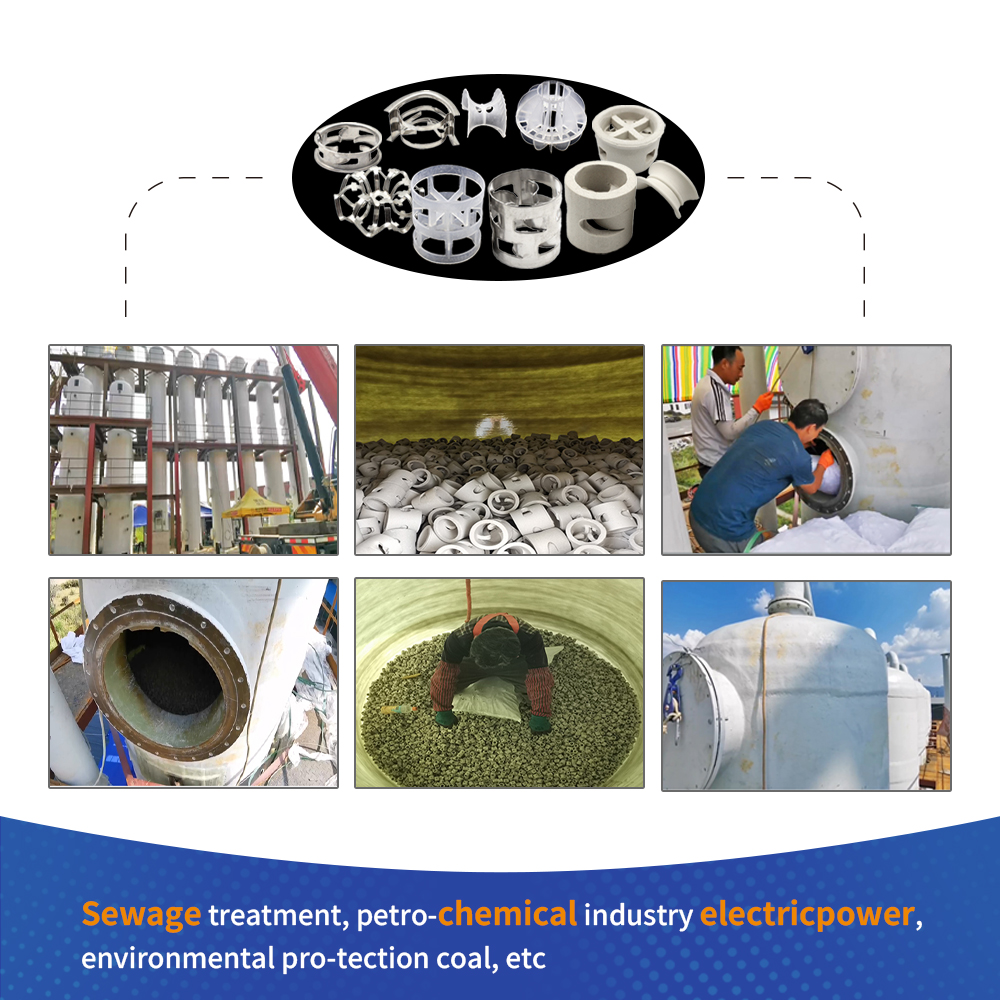
Product Application & Details
Frequently Asked Questions
What materials are available for Metal Raschig Rings?
They are commonly manufactured in carbon steel, stainless steel (including 304, 304L, 316, and 316L), as well as other corrosion-resistant specialty alloys depending on chemical environment requirements.
Why choose Metal Raschig Rings over structured packing?
Metal Raschig Rings offer superior resistance to fouling, clogging, and extreme thermal stresses at a significantly lower initial investment cost, making them ideal for dirty or high-temperature services.
What are the primary applications of Metal Raschig Rings?
They are widely applied in petrochemical columns, support beds for catalyst protection, pre-distribution layers, and simple absorption or stripping towers where high mechanical durability is essential.
What temperature limits can Metal Raschig Rings withstand?
Depending on the specific steel grade used, stainless steel versions can operate continuously up to 450°C and maintain stable structural performance under harsh process conditions.
How does ring size affect mass transfer and pressure drop?
Smaller sizes (like φ16 and φ25) provide higher specific surface area for better transfer efficiency, while larger sizes (such as φ76 and φ100) deliver a higher void fraction and lower pressure drop for greater gas throughput.