1 / 4

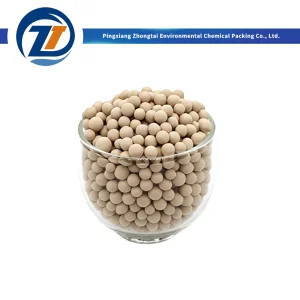
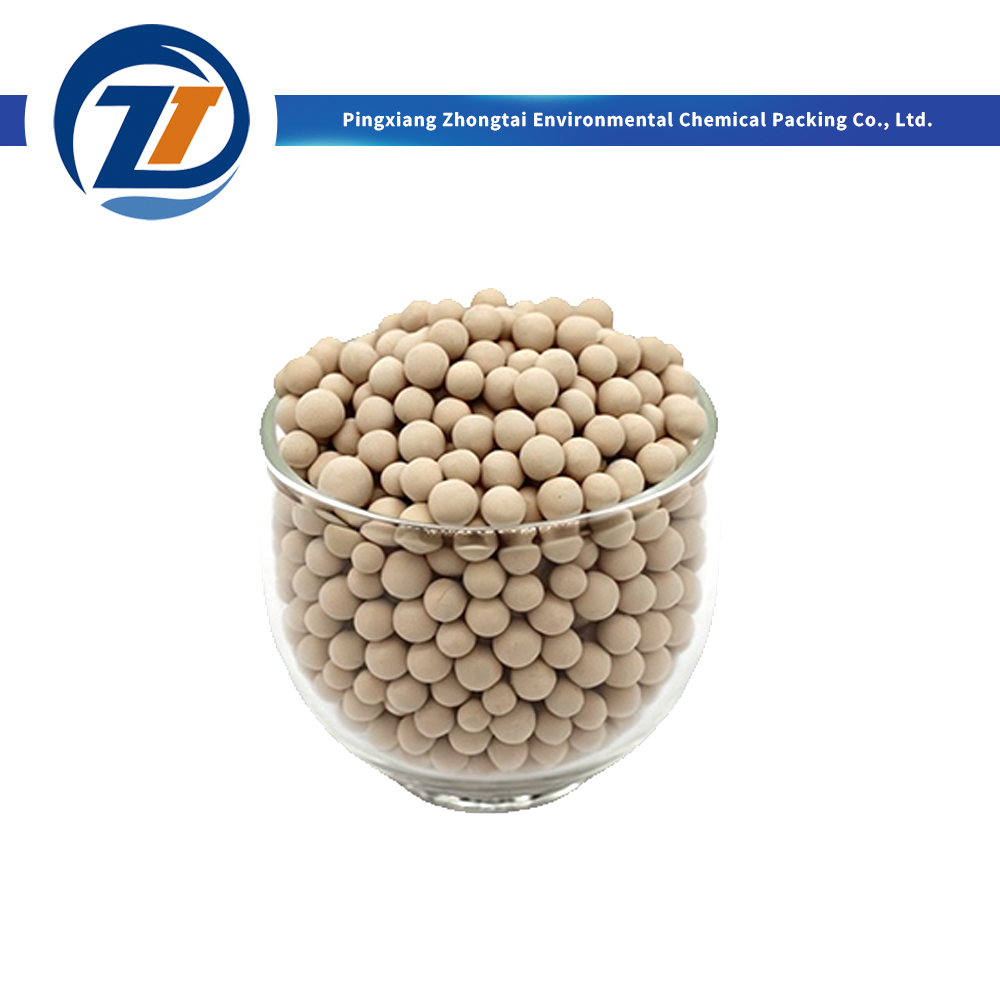
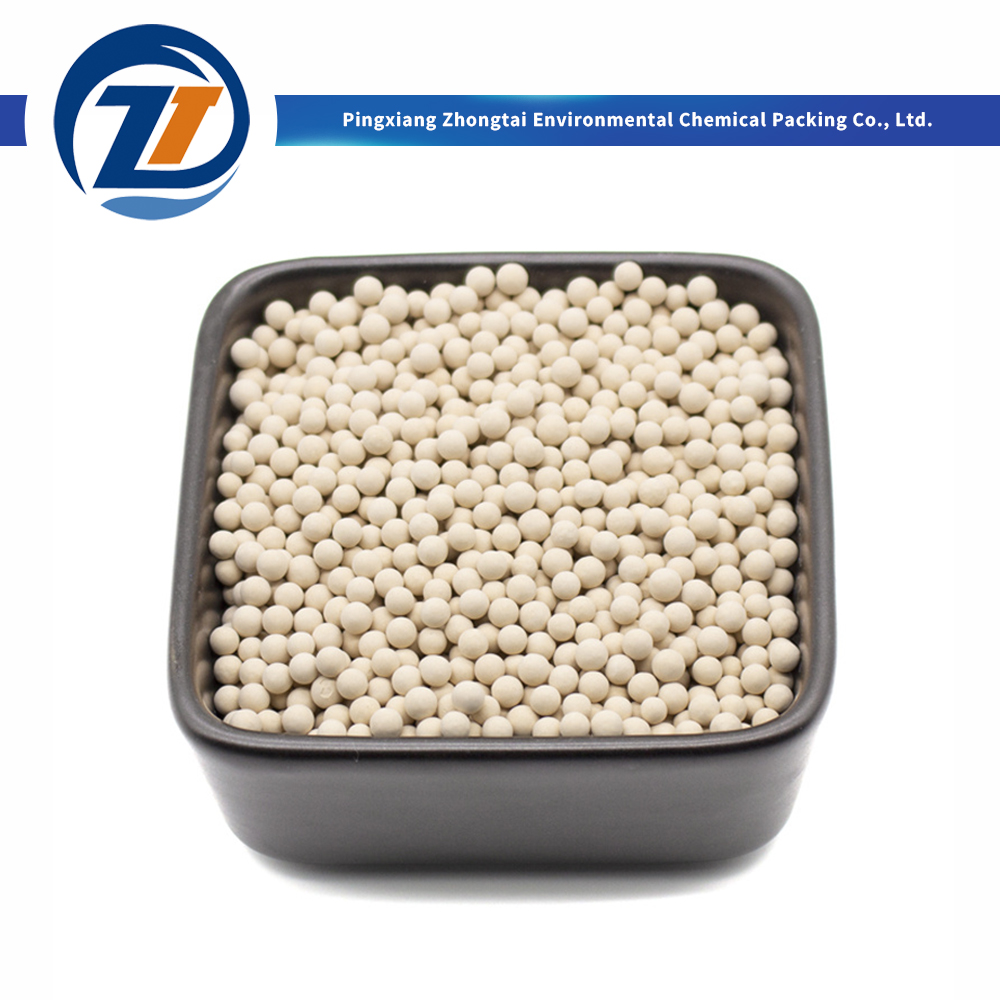
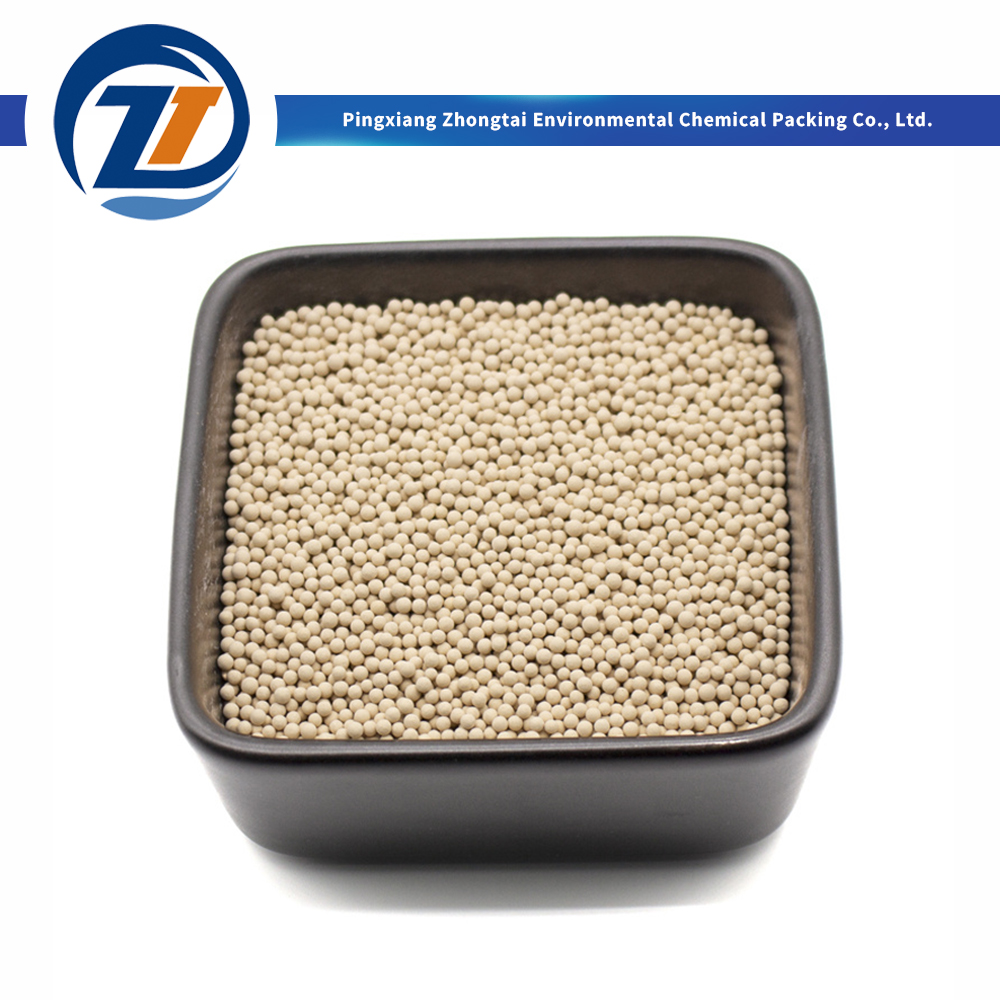
Boasts a larger pore opening and higher void fraction, delivering exceptional dynamic and static adsorption capacity for H2O and CO2.
Specifically engineered for cryogenic air separation units (ASU) to deeply remove moisture and carbon dioxide simultaneously, preventing ice formation and equipment blockages.
The unique X-type crystal structure facilitates exceptionally rapid adsorption and desorption kinetics, enhancing overall cycle efficiency.
Advanced manufacturing ensures high crushing strength, preventing bed collapse and minimizing dust generation in high-flow, high-pressure reactors.
Maintains robust structural integrity and consistent adsorption performance over thousands of continuous thermal regeneration cycles.
| Size & Shape | Static Water Adsorption (%) | CO2 Adsorption (%) | Bulk Density (g/ml) | Crushing Strength (N/pc) | Attrition Rate (%) |
|---|---|---|---|---|---|
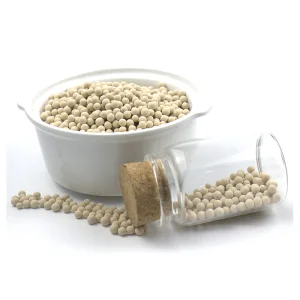
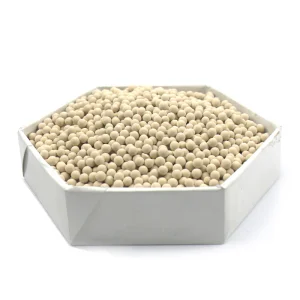
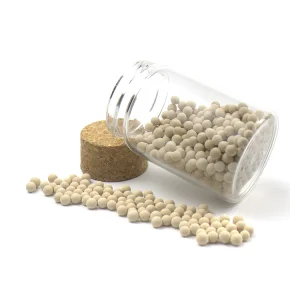
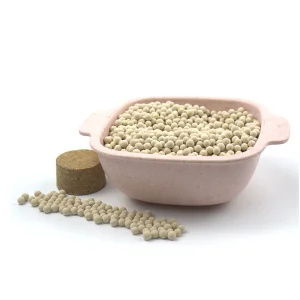
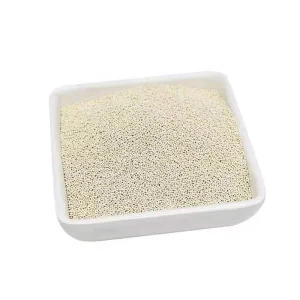
| 1.5 - 2.5mm (Sphere) | >= 26.0 | >= 17.5 | >= 0.60 | >= 30.0 | <= 0.10 |
| 3.0 - 5.0mm (Sphere) | >= 26.0 | >= 17.5 | >= 0.60 | >= 80.0 | <= 0.10 |
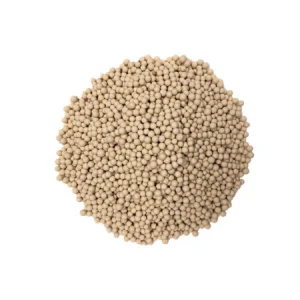
| 1.6mm / 1/16" (Pellet) | >= 26.0 | >= 17.5 | >= 0.60 | >= 30.0 | <= 0.20 |
| 3.2mm / 1/8" (Pellet) | >= 26.0 | >= 17.5 | >= 0.60 | >= 60.0 | <= 0.20 |



The 13X molecular sieve has an effective pore opening diameter of roughly 10 Angstroms (1.0 nm), enabling it to adsorb any molecule with a kinetic diameter under 10 Å.
While 4A molecular sieves possess a ~4 Å pore opening (Type A crystal), 13X features a ~10 Å pore opening (Type X crystal), allowing 13X to capture much larger compounds such as aromatic hydrocarbons, branched molecules, and significant amounts of CO2 alongside moisture.
Yes, 13X molecular sieves can be regenerated through thermal swing adsorption (TSA) by heating the bed to 200°C–315°C, or via pressure reduction in Pressure Swing Adsorption (PSA) processes.
In cryogenic air separation, trace amounts of water and carbon dioxide will freeze at ultra-low operating temperatures and clog the heat exchangers. 13X simultaneously and deeply adsorbs both H2O and CO2, preventing operational blockages.
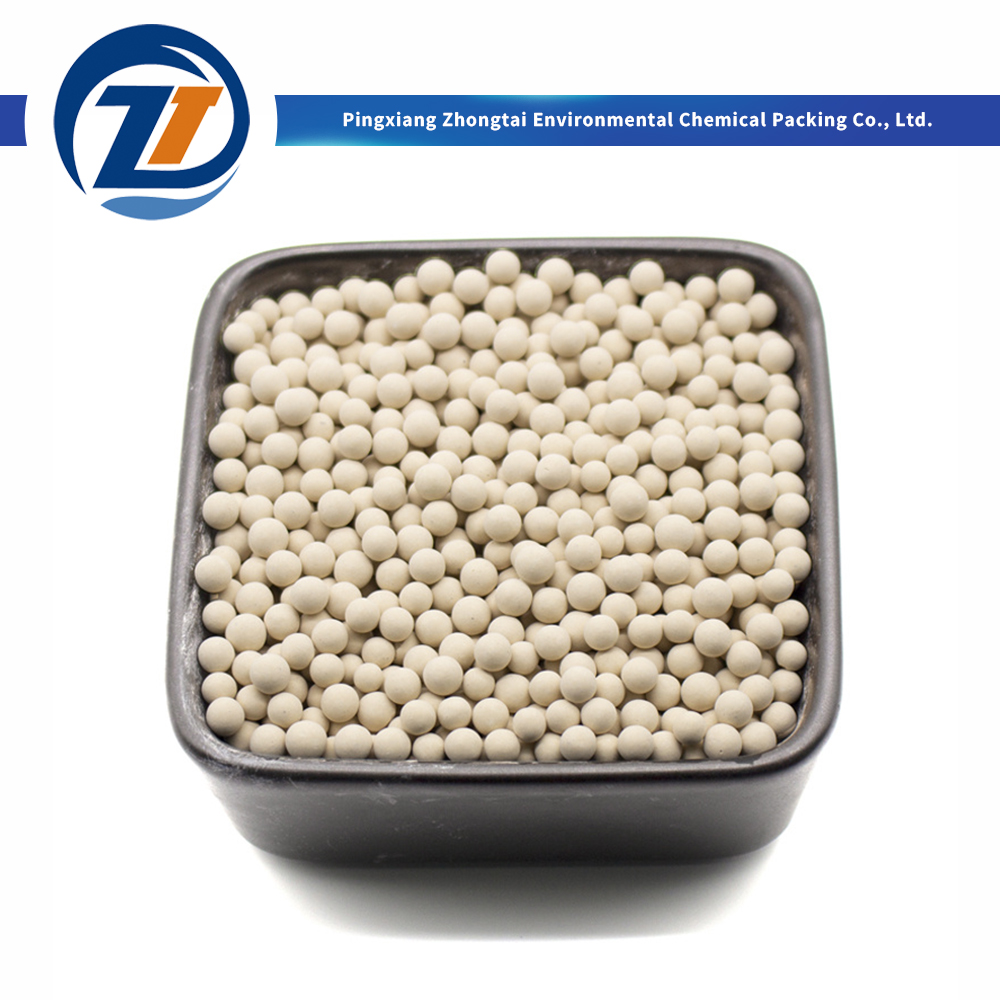
Spherical beads typically offer lower attrition rates and more uniform bed packing, which minimizes dusting and pressure drop variations. Pellets/extrudates are frequently chosen when dynamic mass transfer and specific flow geometries are needed.