
China High Performance 3A Molecular Sieve Zeolite Desiccant for Ethanol and Ethylene Dehydration Manufacturer, Factories
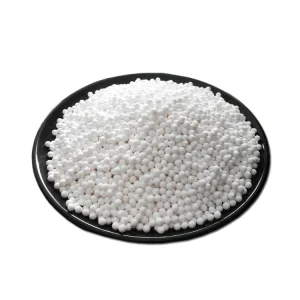
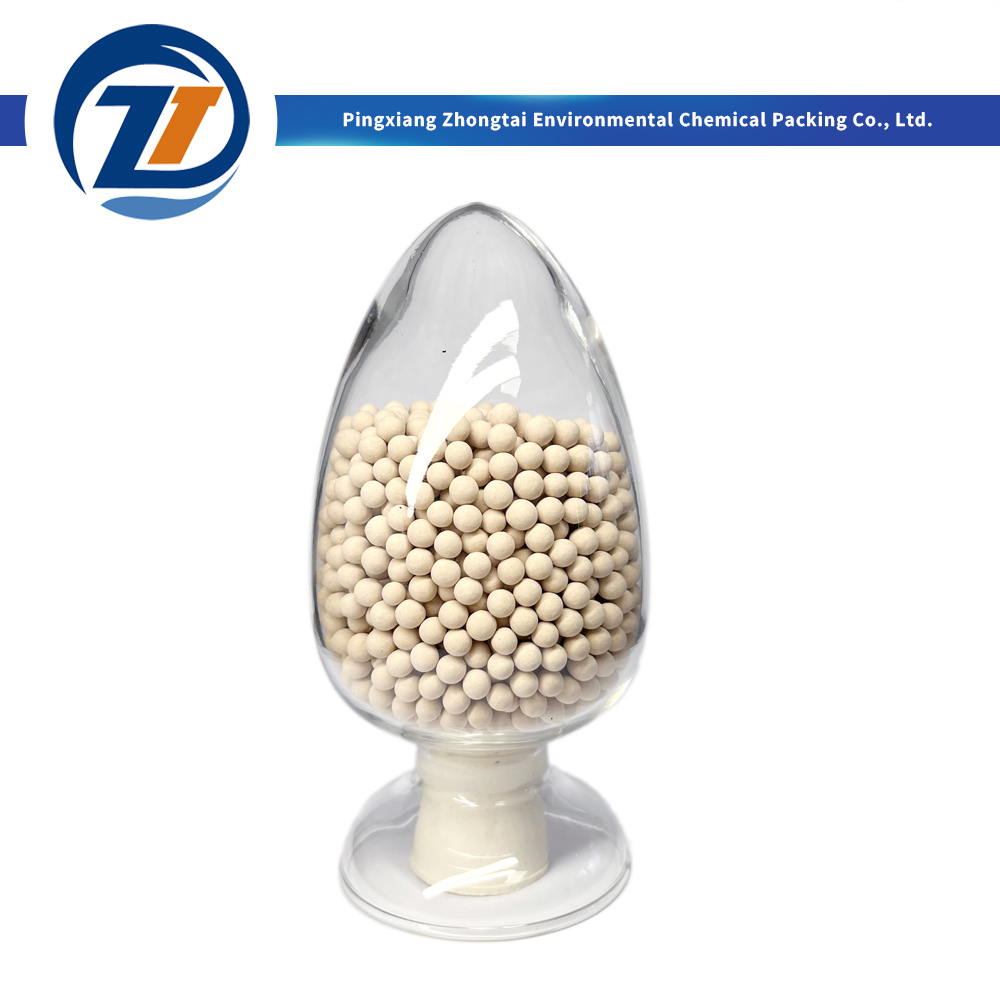
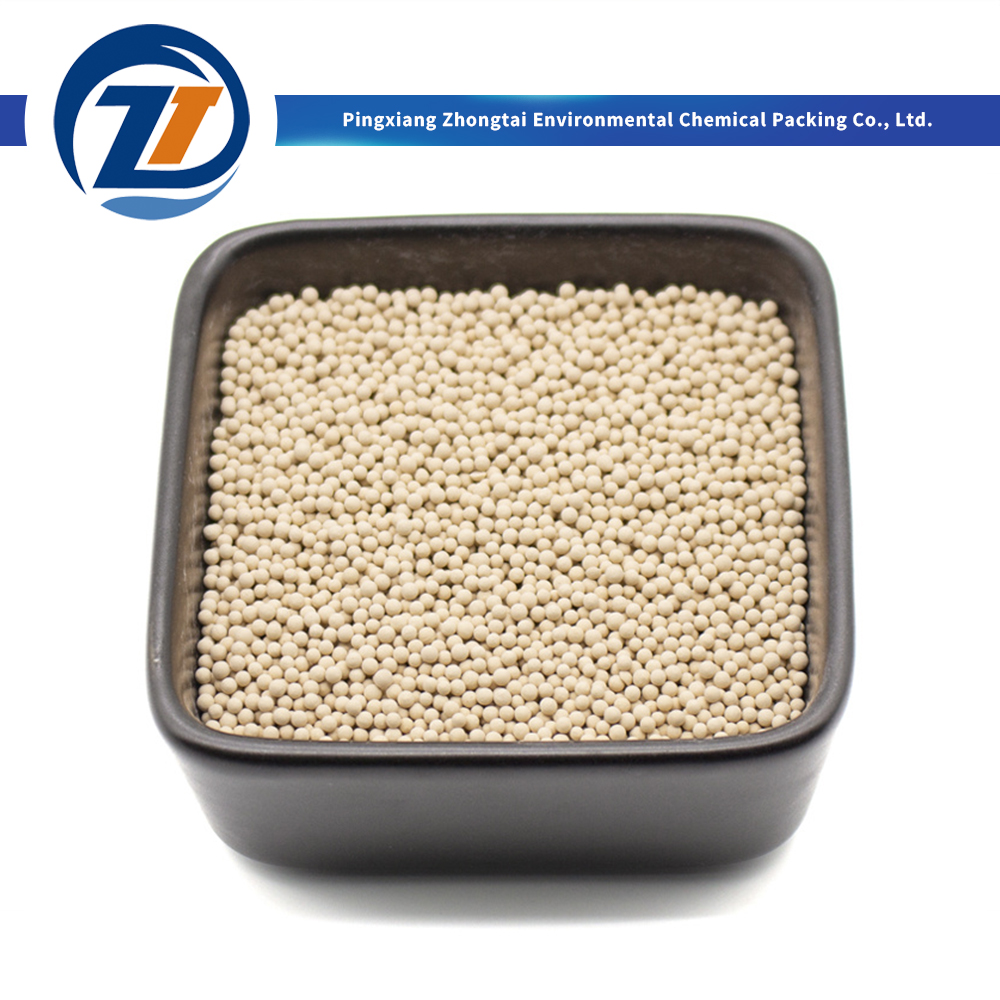
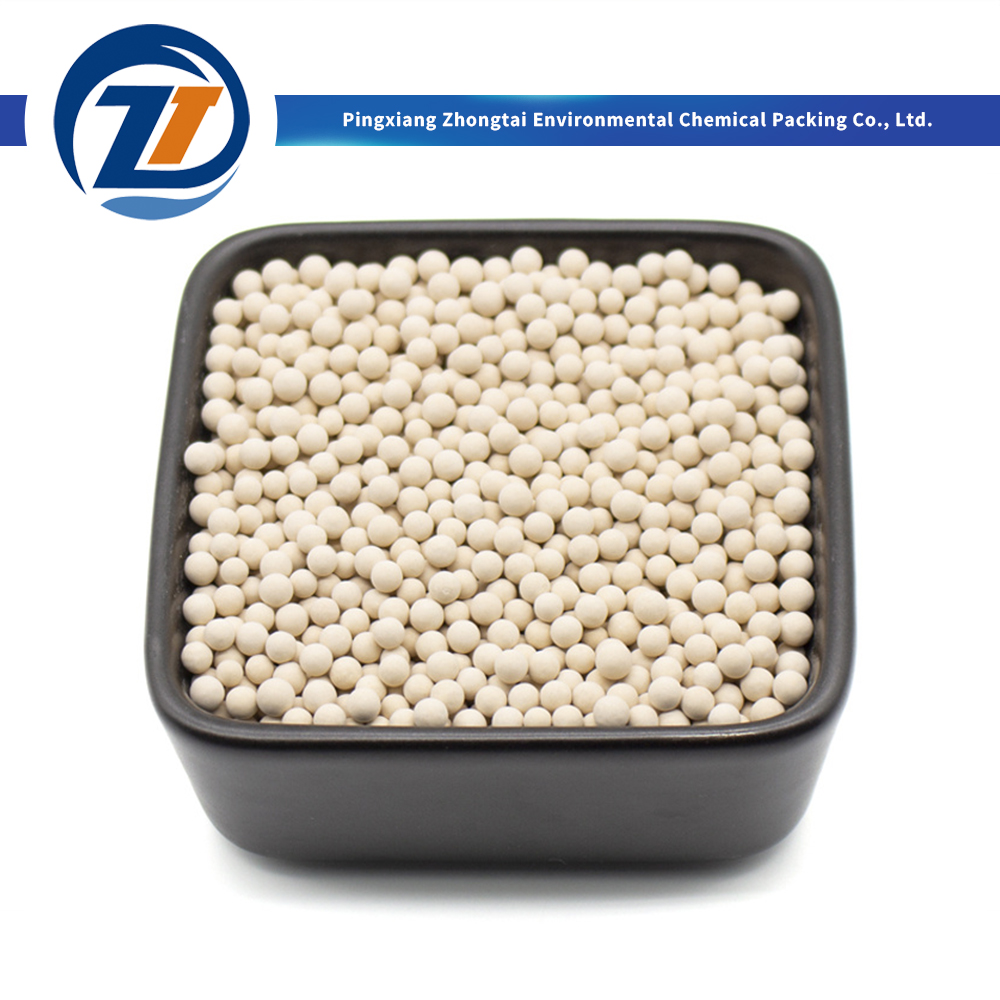
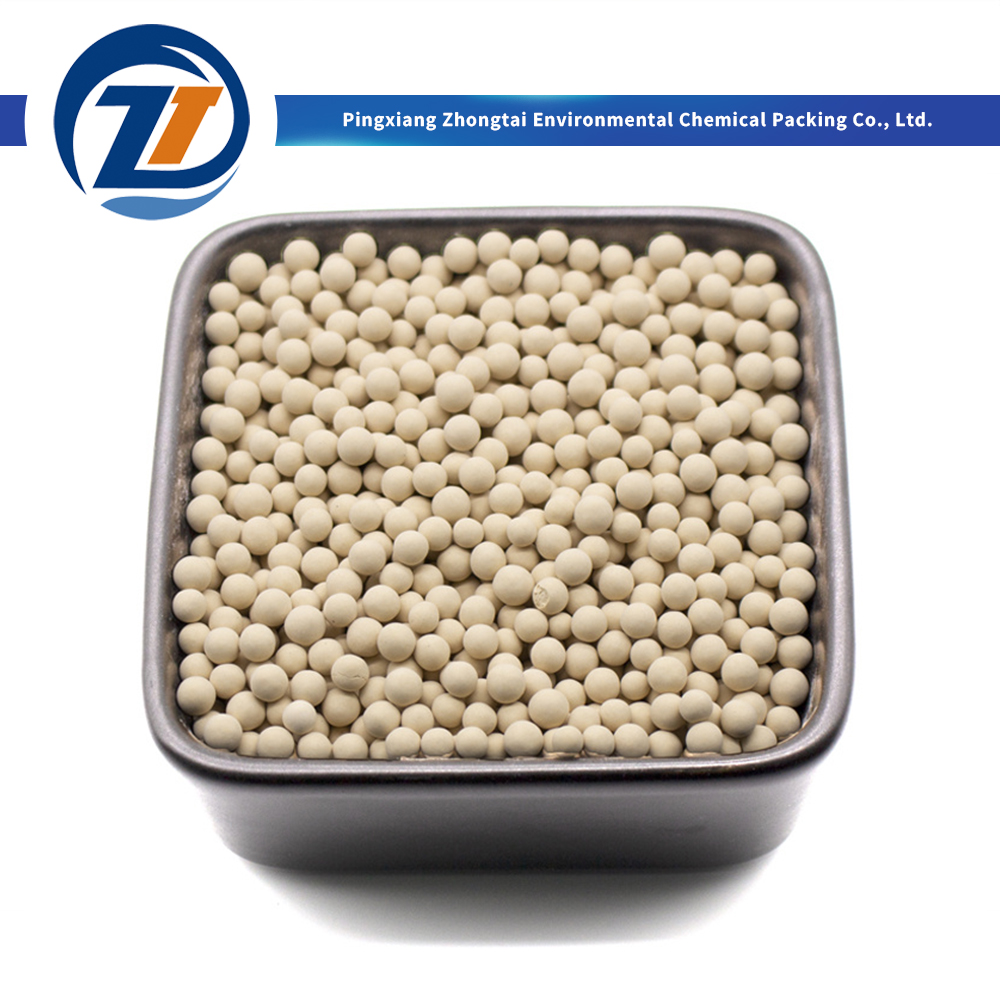
Our 3A Molecular Sieve (Potassium A Zeolite) features a precise 3-angstrom pore size, making it the premier desiccant for the deep dehydration of ethanol, ethylene, propylene, and natural gas. It exhibits high water adsorption capacity, excellent physical crushing strength, and minimal co-adsorption of valuable hydrocarbons.
The 3A Molecular Sieve is an alkali metal aluminosilicate, specifically the potassium form of the Type A crystal structure. With an effective pore opening of exactly 3 angstroms (0.3 nm), it is engineered to selectively adsorb water while completely excluding larger molecules such as unsaturated hydrocarbons. This unique size-exclusion property makes it the universal desiccant of choice for the petroleum and chemical industries, preventing the co-adsorption of valuable product streams and ensuring maximum dehydration efficiency.
Product Highlights
High Selective Adsorption
Precisely screens molecules, absorbing water rapidly while safely rejecting valuable hydrocarbons like ethylene, propylene, and butadiene.
Exceptional Water Capacity
Possesses a highly porous internal structure, delivering outstanding static and dynamic water adsorption capacity even at exceptionally low relative humidity levels.
Superior Mechanical Strength
Manufactured through advanced extrusion and rolling processes, ensuring high crushing strength to withstand deep desiccant bed pressures and prevent powdering during operation.
Low Attrition & Dust Generation
Features a smooth, dense surface that minimizes dusting during column loading and high-velocity gas flow, effectively protecting downstream valves and piping.
Long Cyclic Lifespan
Maintains excellent thermal and hydrothermal stability, allowing for repeated, reliable regeneration cycles and significantly reducing operational replacement costs.
Typical Applications
Deep dehydration of cracked petroleum gases, ethylene, propylene, butadiene, and acetylene.
Dehydration of fuel-grade ethanol, methanol, and other highly polar liquids.
Moisture removal in natural gas, LNG, and industrial gas purification processes.
Static desiccant for insulating glass units (IGU) and automotive refrigerant systems.
Technical Specifications
Size & Shape
Static Water Adsorption (%)
Bulk Density (g/ml)
Crushing Strength (N/pc)
Attrition Rate (%)
Package Moisture (%)
1.5 - 2.5mm (Sphere)
≥ 21.0
≥ 0.70
≥ 30.0
≤ 0.10
≤ 1.5
3.0 - 5.0mm (Sphere)
≥ 21.0
≥ 0.68
≥ 80.0
≤ 0.10
≤ 1.5
1.6mm / 1/16" (Pellet)
≥ 21.0
≥ 0.65
≥ 30.0
≤ 0.20
≤ 1.5
3.2mm / 1/8" (Pellet)
≥ 21.0
≥ 0.65
≥ 60.0
≤ 0.20
≤ 1.5
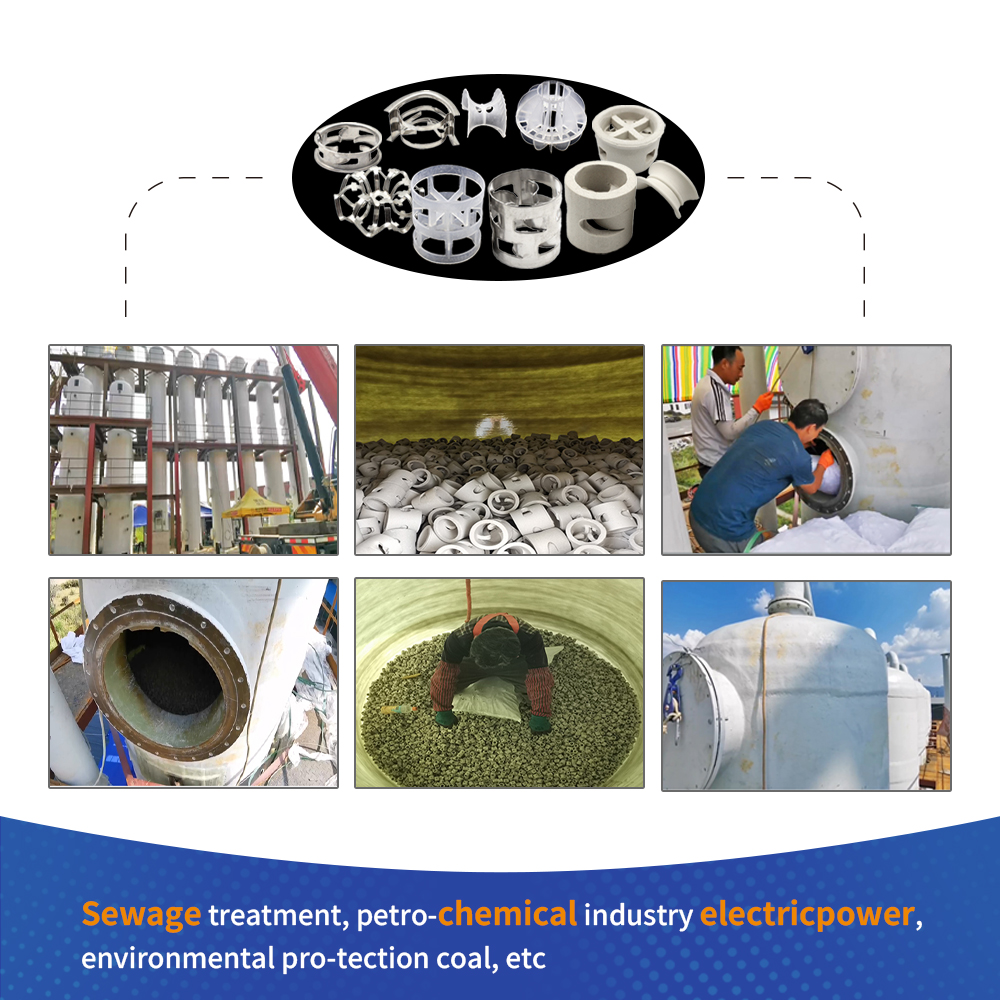
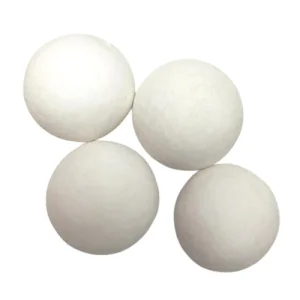
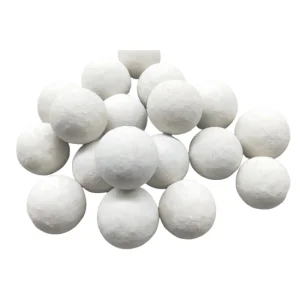
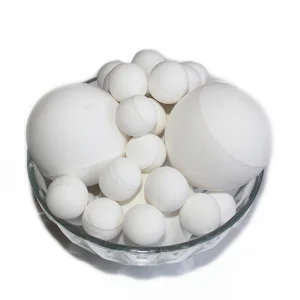
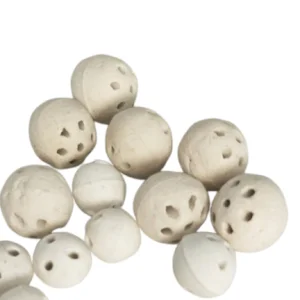
Product & Application Gallery
Frequently Asked Questions (FAQ)
Q: What molecules does a 3A molecular sieve adsorb?
With a precise pore opening of 3 Å (0.3 nm), it exclusively adsorbs water molecules (kinetic diameter ~2.8 Å). Larger molecules such as hydrocarbons (ethylene, propylene) and alcohols are fully excluded, preventing co-adsorption.
Q: Why is 3A molecular sieve standard for cracked gas and ethanol drying?
Because 3A pores are smaller than ethanol and cracked hydrocarbons, only moisture enters the crystal cage. This stops polymerization, coking, and product loss that would occur with larger-pore desiccants like 4A or 13X.
Q: How is 3A molecular sieve regenerated?
Regeneration is typically conducted through thermal swing adsorption (TSA). Dry purge gas is passed through the bed at temperatures between 200°C and 315°C (390°F - 600°F) to desorb moisture, followed by cooling.
Q: What is the difference between spherical beads and extruded pellets?
Spherical beads offer uniform column packing, higher crush resistance, and minimal attrition/dusting, making them ideal for high-pressure gas streams. Pellets offer slightly lower pressure drop in specific liquid or gas velocity setups.
Q: How should 3A molecular sieve be stored prior to loading?
It must be kept in airtight containers in a cool, dry warehouse. Because it actively attracts ambient humidity even at low relative levels, exposure to open atmosphere before loading should be minimized.