1 / 5




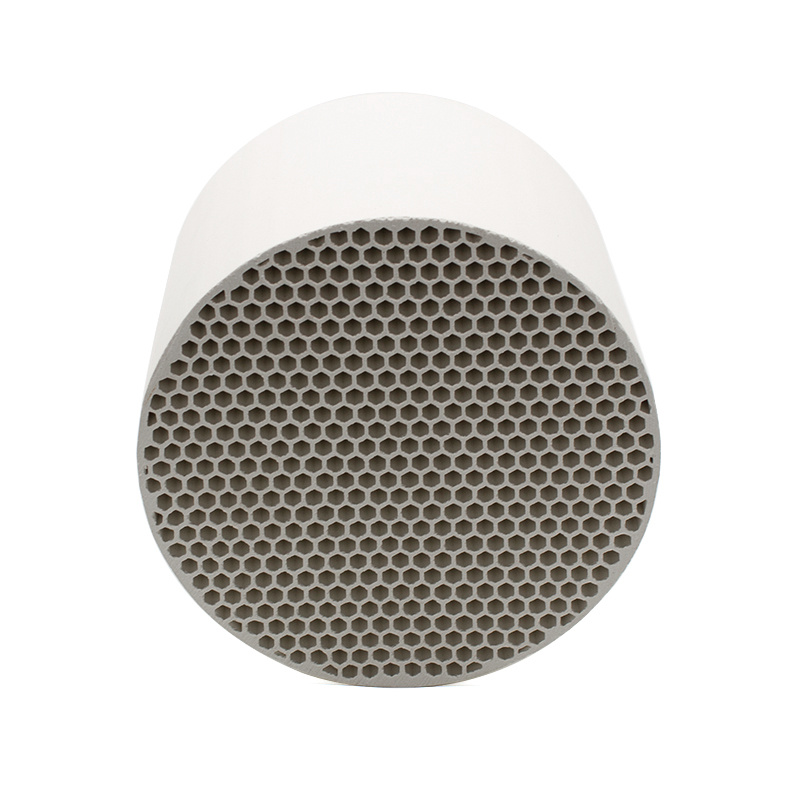
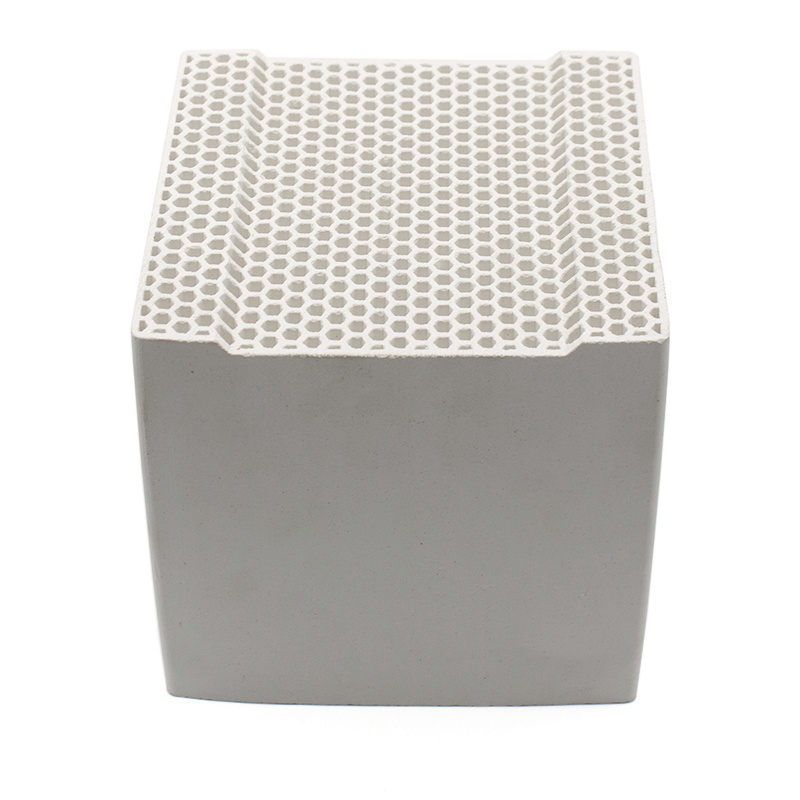
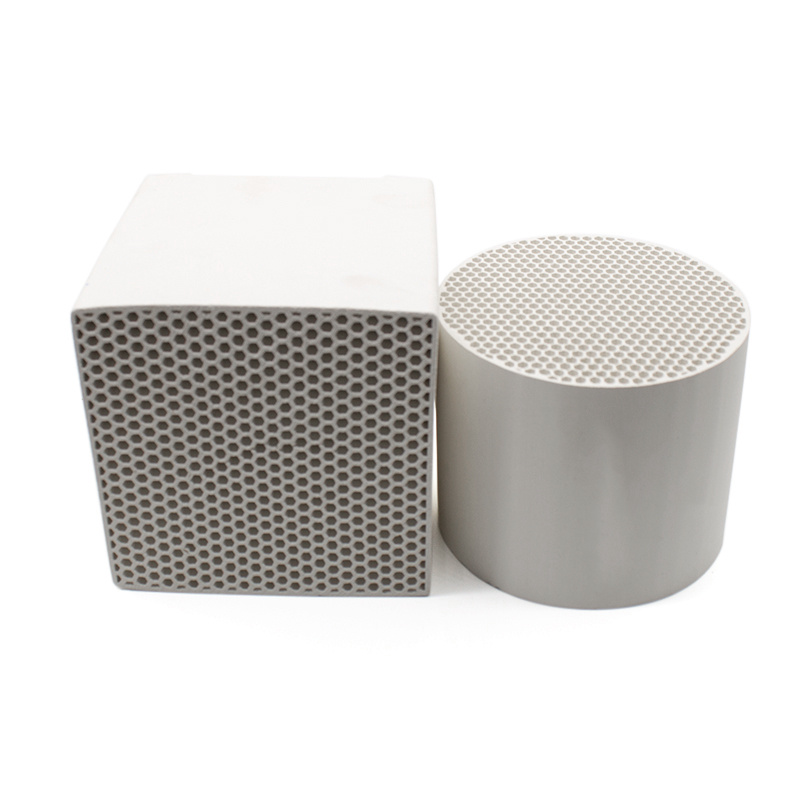
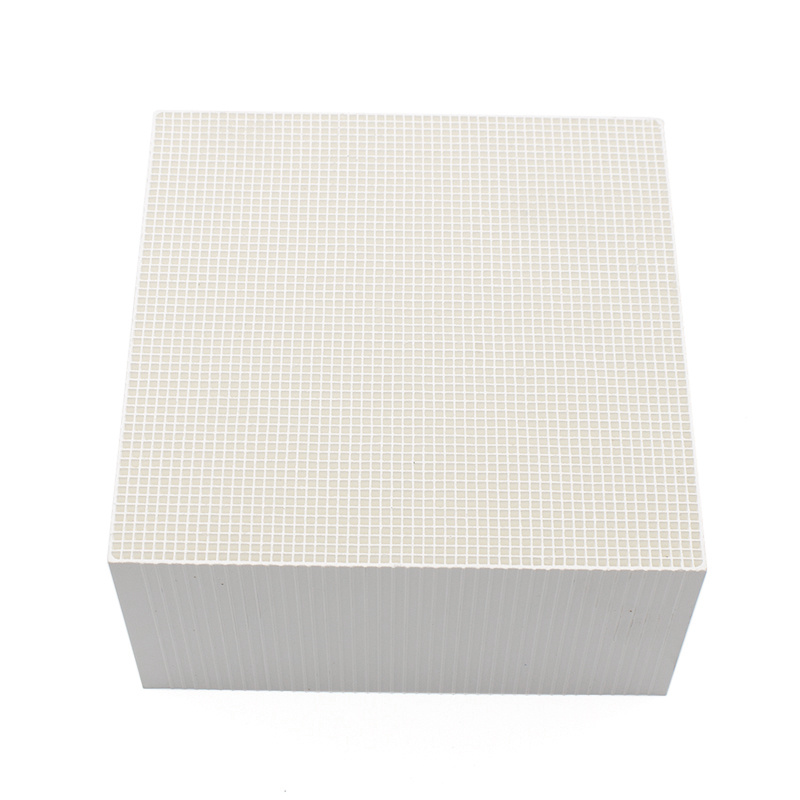
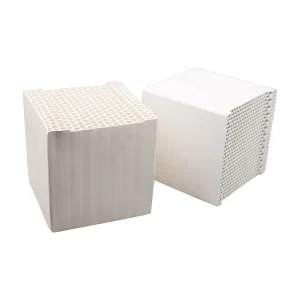
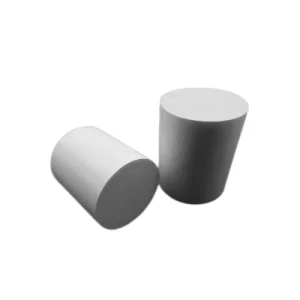
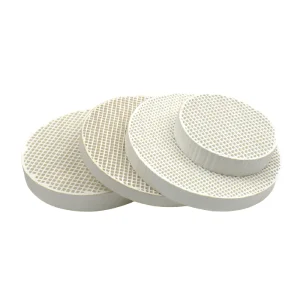
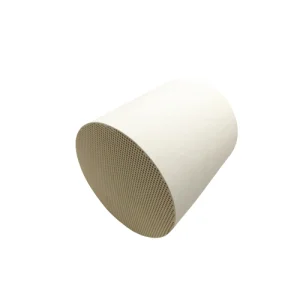
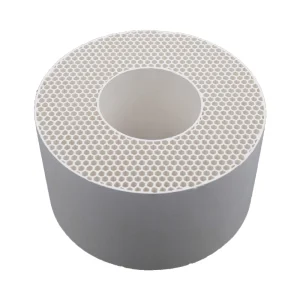
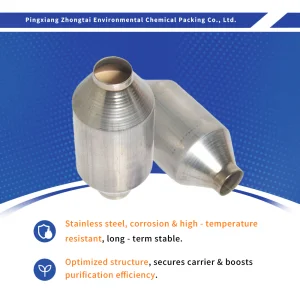
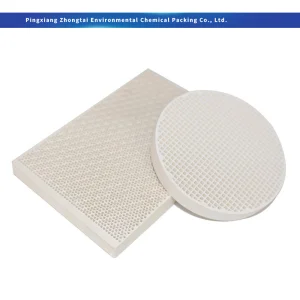
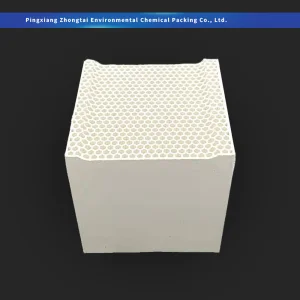
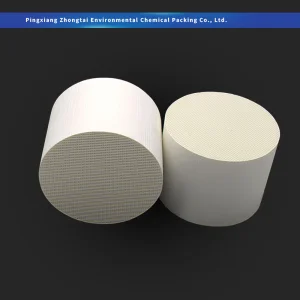
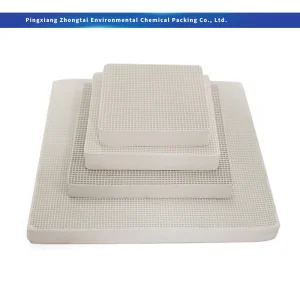
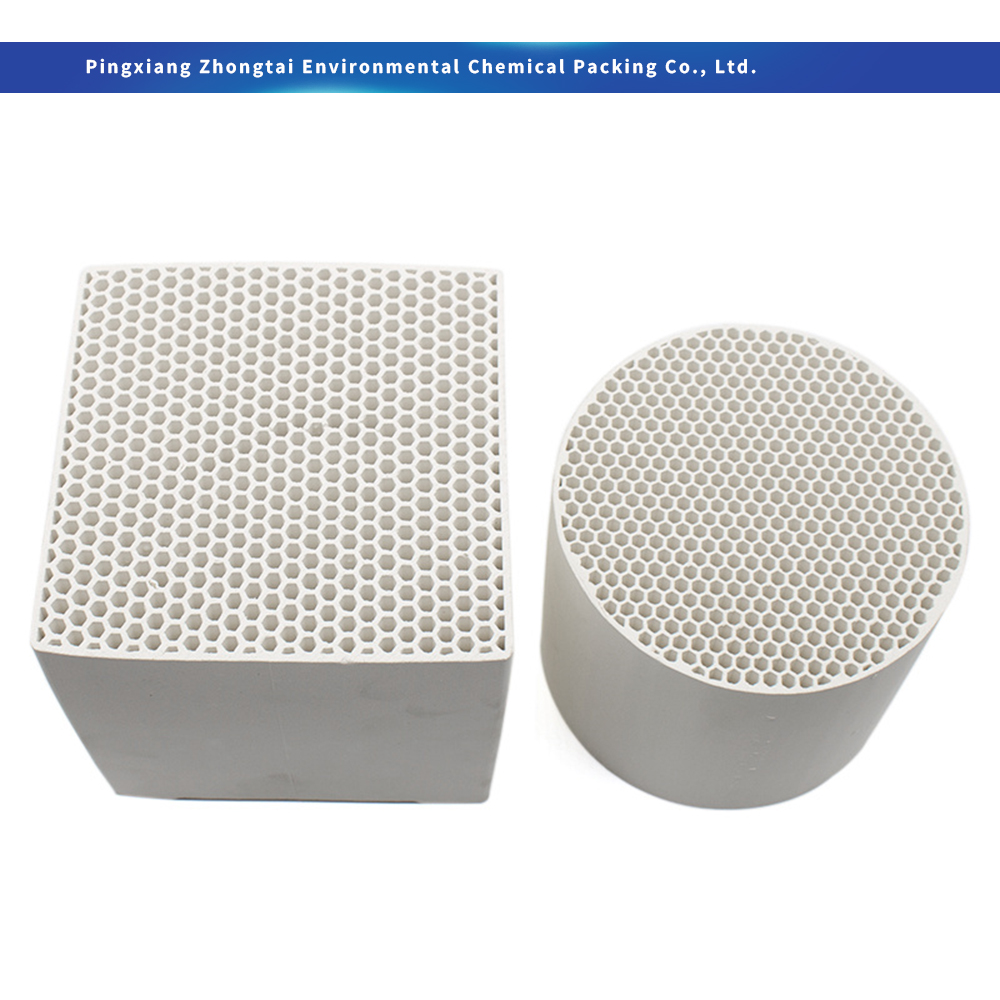
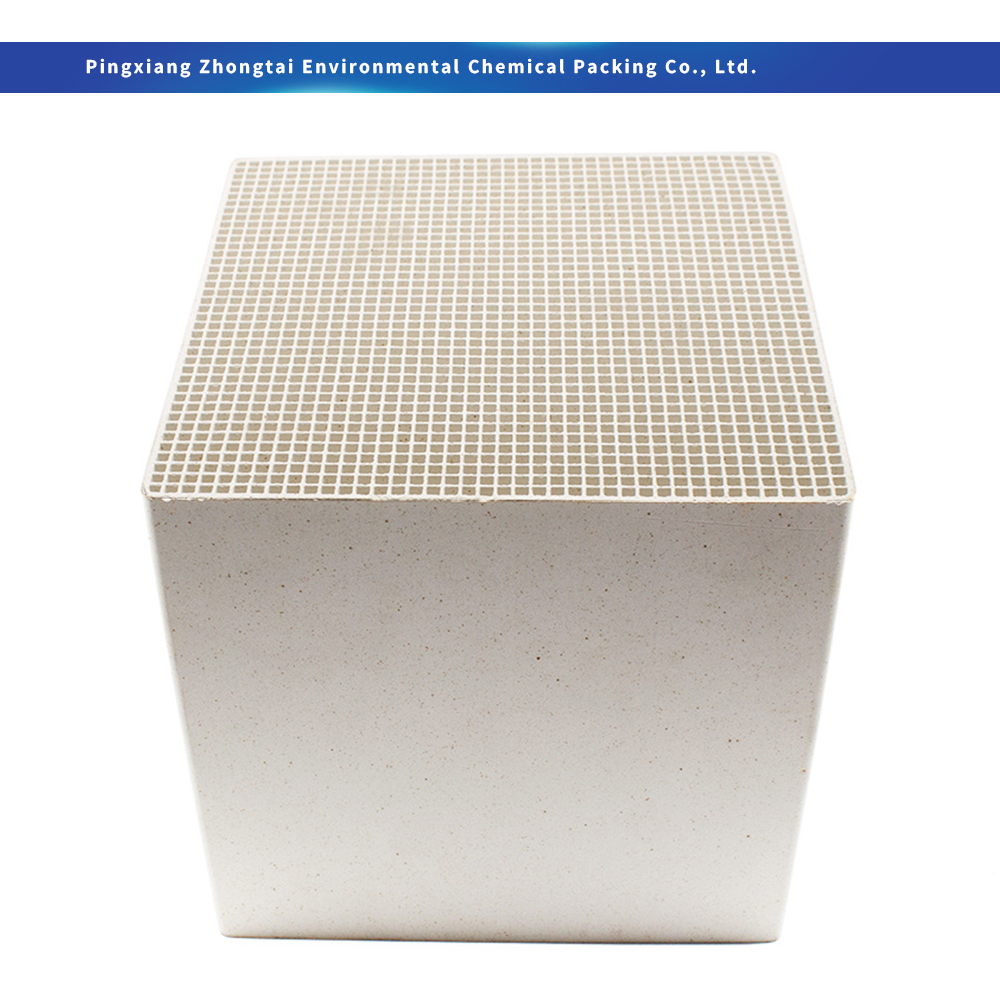
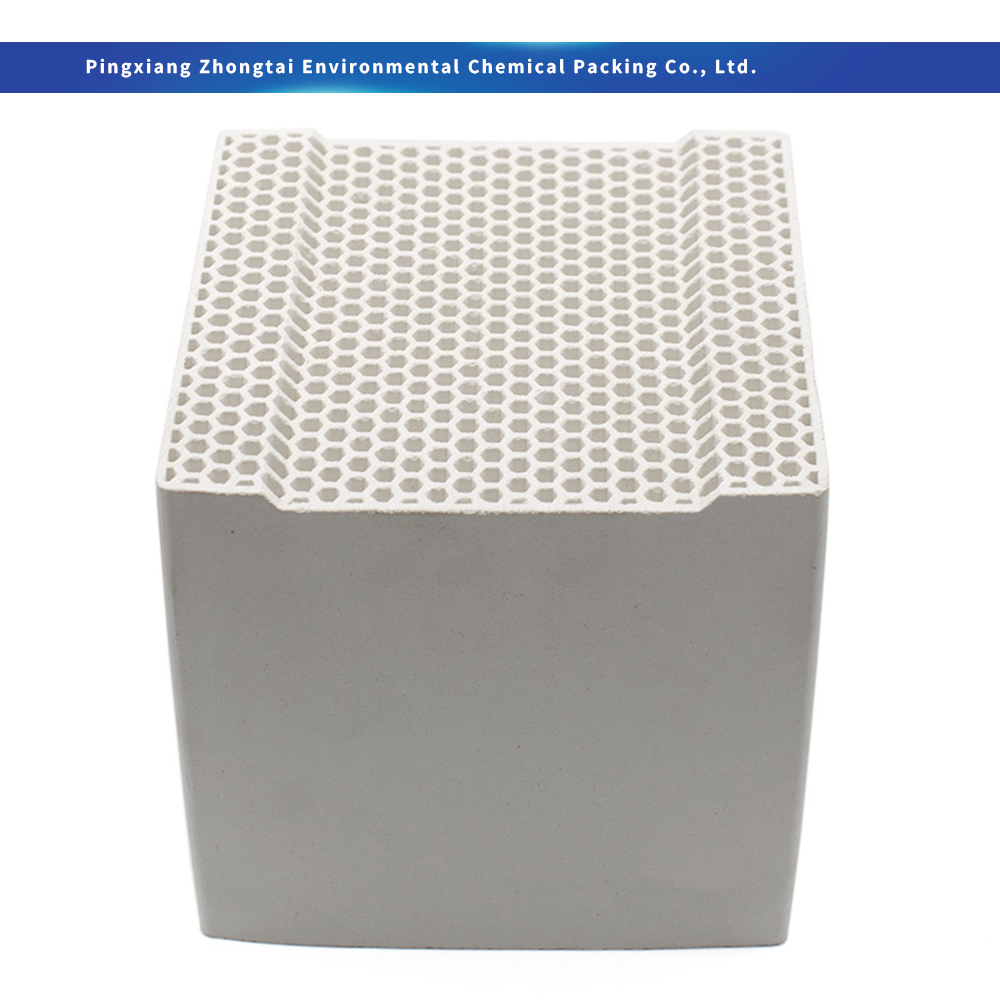
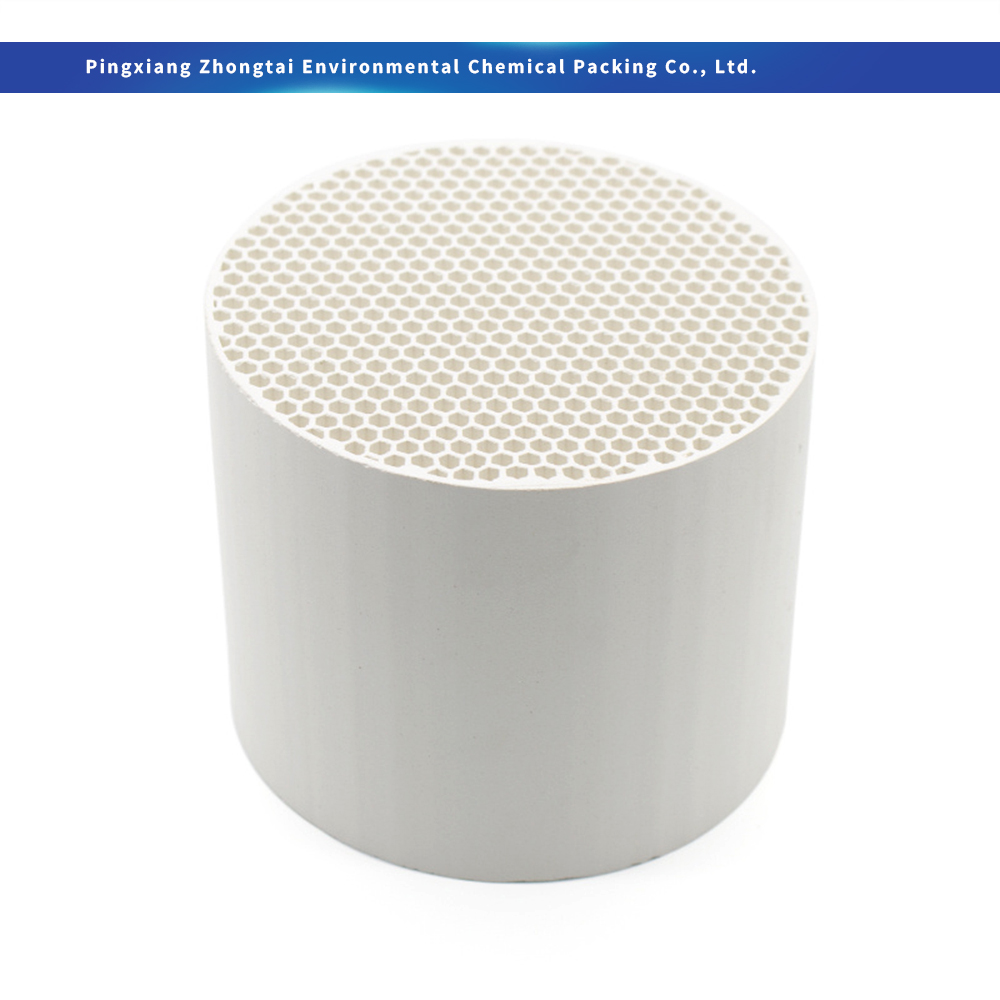
The Honeycomb Ceramic Substrate is a high-performance, multi-channel structural catalyst carrier, typically extruded from cordierite. It serves as the inert, skeletal core of modern emission control systems, providing a mechanically robust and chemically stable foundation with an exceptionally high surface area for washcoat and catalyst loading. As the core component in catalytic converters, it is the industrial standard for automotive exhaust purification and industrial VOC treatment, playing a critical role in meeting stringent emission standards from Euro IV/V to China VI.
| Property | 100 CPSI | 200 CPSI | 300 CPSI | 400 CPSI | 600 CPSI |
|---|---|---|---|---|---|
| Wall Thickness (mm) | 0.42 ±0.03 | 0.36 ±0.03 | 0.28 ±0.03 | 0.18 ±0.03 | 0.18 ±0.03 |
| A-axis Compressive Strength (MPa) | ≥5.0 (Std) / ≥12 (High) | ≥5.0 (Std) / ≥12 (High) | ≥5.0 (Std) / ≥12 (High) | ≥5.0 (Std) / ≥12 (High) | ≥5.0 (Std) / ≥12 (High) |
| B-axis Compressive Strength (MPa) | ≥1.4 (Std) / ≥4.5 (High) | ≥1.4 (Std) / ≥4.5 (High) | ≥1.4 (Std) / ≥4.5 (High) | ≥1.4 (Std) / ≥4.5 (High) | ≥1.4 (Std) / ≥4.5 (High) |
| CTE (RT-800°C) (×10⁻⁶/°C) | ≤1.5 | ≤1.5 | ≤1.5 | ≤1.5 | ≤1.5 |
| Water Absorption (%) | 22-32 | 22-32 | 22-32 | 22-32 | 22-32 |
| Softening Temperature (°C) | ≥1400 | ≥1400 | ≥1400 | ≥1400 | ≥1400 |
| Thermal Shock Resistance (°C) | ≥450 | ≥450 | ≥450 | ≥450 | ≥450 |





The honeycomb substrate is primarily extruded from synthetic cordierite, a ceramic material renowned for its ultra-low thermal expansion coefficient, exceptional thermal shock resistance, and high structural stability under extreme exhaust temperatures.
CPSI stands for Cells Per Square Inch. Higher cell densities (such as 400 or 600 CPSI) provide a larger geometric surface area for catalyst washcoating, which improves pollutant conversion efficiency while maintaining a compact substrate volume.
Through precision extrusion, the substrate features straight, uniform parallel channels and ultra-thin walls (down to 0.10 mm). This structural design minimizes exhaust gas resistance, preventing engine power loss and optimizing fuel efficiency.
When coated with appropriate catalytic washcoats (such as precious metals), our substrates are engineered to meet strict international standards, including Euro IV, Euro V, Euro VI, and China VI emissions standards.
It is widely compatible with Three-Way Catalysts (TWC) for gasoline engines, Diesel Oxidation Catalysts (DOC), Selective Catalytic Reduction (SCR) systems, particulate filters (DPF/GPF), as well as industrial VOC catalytic abatement equipment.
A controlled water absorption rate (typically 22% to 32%) ensures optimal porosity, allowing catalyst washcoats and precious metal coatings to firmly adhere with uniform distribution, thereby preventing washcoat peeling and prolonging service life.