The global gas separation and industrial mass-transfer market has undergone a decisive structural shift over the past two decades. While Western manufacturers historically dominated first-generation molecular sieve technology, China—specifically the specialized industrial cluster centered in Pingxiang, Jiangxi Province—has emerged as the world's most resilient and cost-effective production powerhouse for Carbon Molecular Sieves (CMS), structured tower packing, and catalytic support systems.
1. Geographical Clustering and Upstream Material Integration
Pingxiang's designation as China's "Capital of Industrial Ceramics and Chemical Mass Transfer Packing" provides an unmatched logistical and raw-material moat. Within a 50-kilometer radius, factories have direct access to premium-grade, low-ash anthracite coal deposits, specialized synthetic phenolic resins, high-purity kaolin clay, and advanced binder components. This immediate proximity eliminates inter-provincial shipping delays for volatile raw precursors, reduces greenhouse-gas emissions during processing, and guarantees uninterrupted feedstocks even during global logistics disruptions.
2. Advanced Continuous Kiln Automation & Hydrocarbon CVD Control
Leading Chinese plants have retired archaic batch rotary kilns in favor of multi-zone, computerized roller hearth kilns and computerized vertical pyrolyzers. Precise temperature zoning (with tolerances within ±1.5°C across 800°C to 1100°C calcination curves) ensures uniform core activation. Furthermore, modern Chinese CMS manufacturers employ automated inline mass-flow controllers to meter chemical vapor deposition gases (such as benzene, toluene, and methane derivatives). This ensures that every granule receives an identical molecular surface deposition, achieving batch-to-batch kinetic reproducibility that satisfies stringent Japanese and German engineering standards.
3. Full-Spectrum Mass Transfer Synergy
Unlike boutique overseas providers specializing solely in adsorbents, Chinese chemical packing enterprises operate integrated facilities that produce complementary mass transfer equipment under one corporate umbrella. An engineering buyer constructing an air separation unit (ASU), Pressure Swing Adsorption (PSA) plant, or syngas scrubber can simultaneously source:
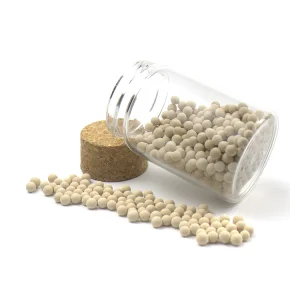
- CMS Adsorbents (CMS-200, 220, 240, 260, 280, 330 grades) for kinetic N₂/O₂ fractionation.
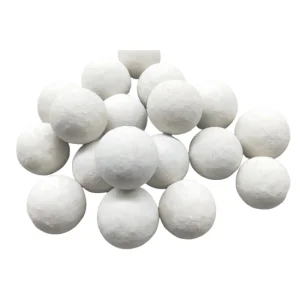
- Inert Alumina Support Balls (17% to 99% Al₂O₃) for bottom bed support and gas distribution headers.
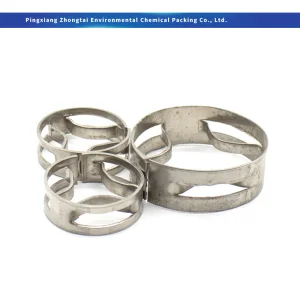
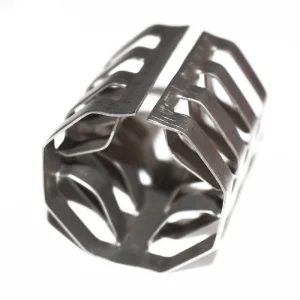
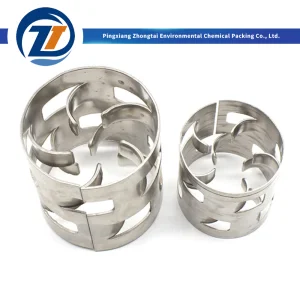
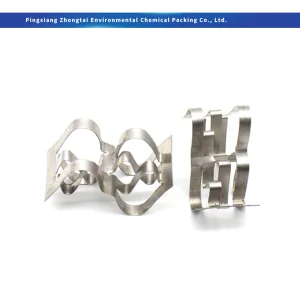
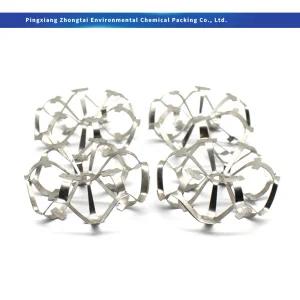
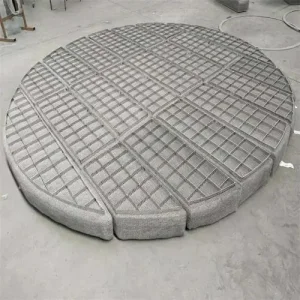
- Metal Pall Rings and Structured Wire Gauze Packing (304, 316L) for cryogenic pre-cooling and carbon dioxide wash towers.
- Zeolite Molecular Sieves (3A, 4A, 5A, 13X-HP) for dehydration and trace hydrocarbon polishing beds.
This comprehensive cross-product manufacturing significantly lowers total freight costs, simplifies procurement logistics, and harmonizes mechanical warranty protections under one engineering point of contact.