
China High Efficiency 304 316L Stainless Steel Metal Sieve Tray for Distillation, Absorption & Stripping Columns Factory, Pricelist

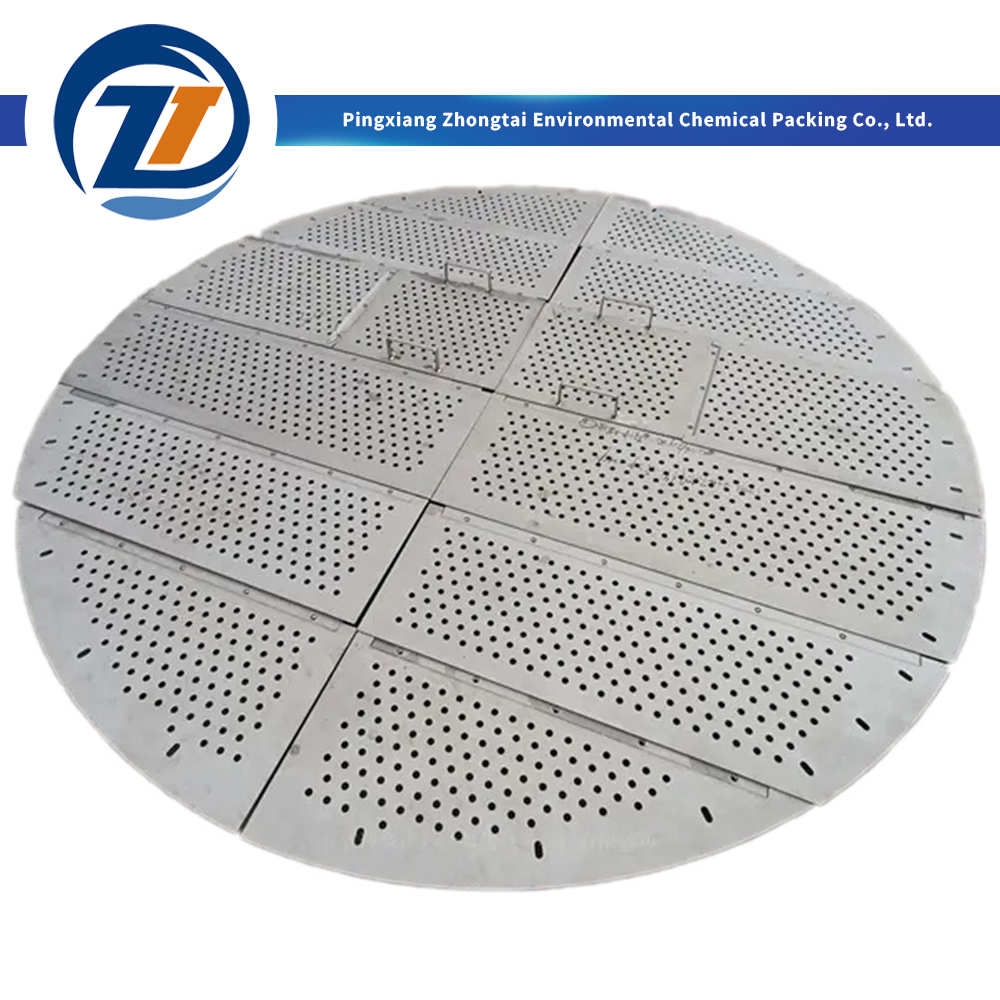
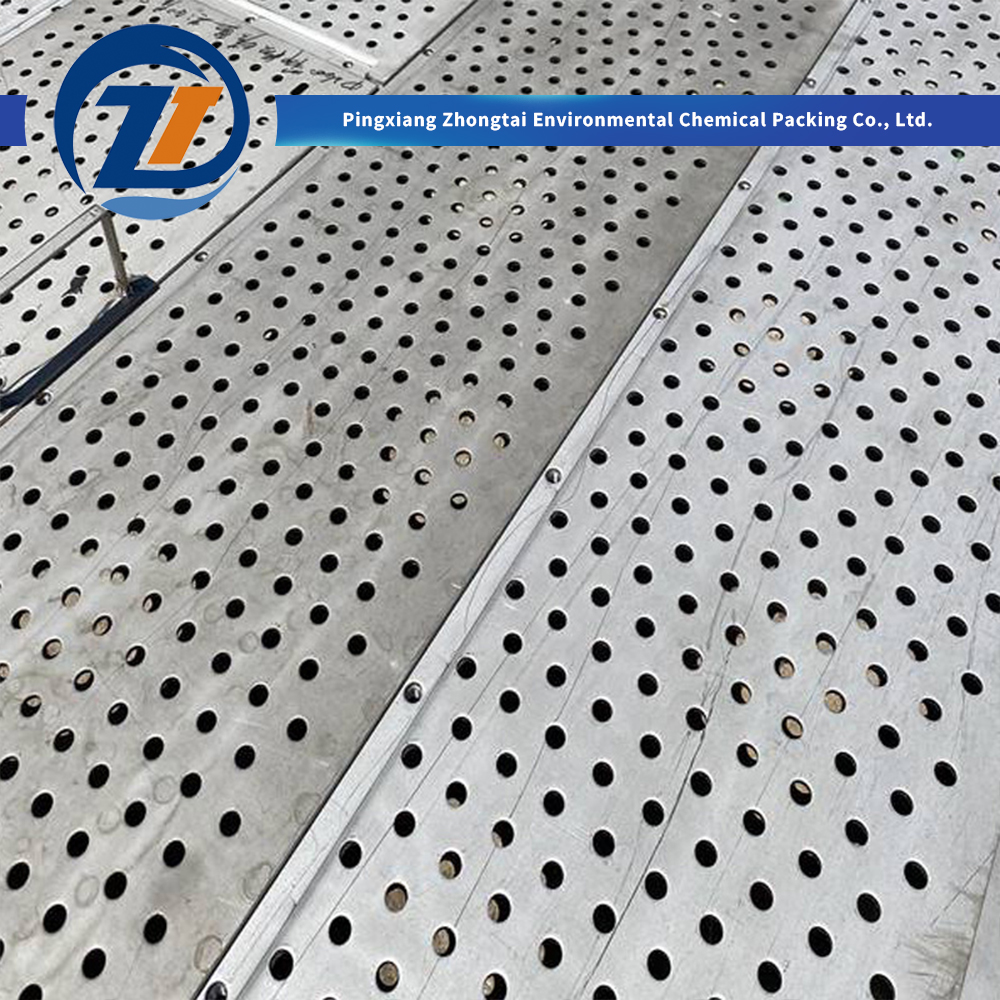
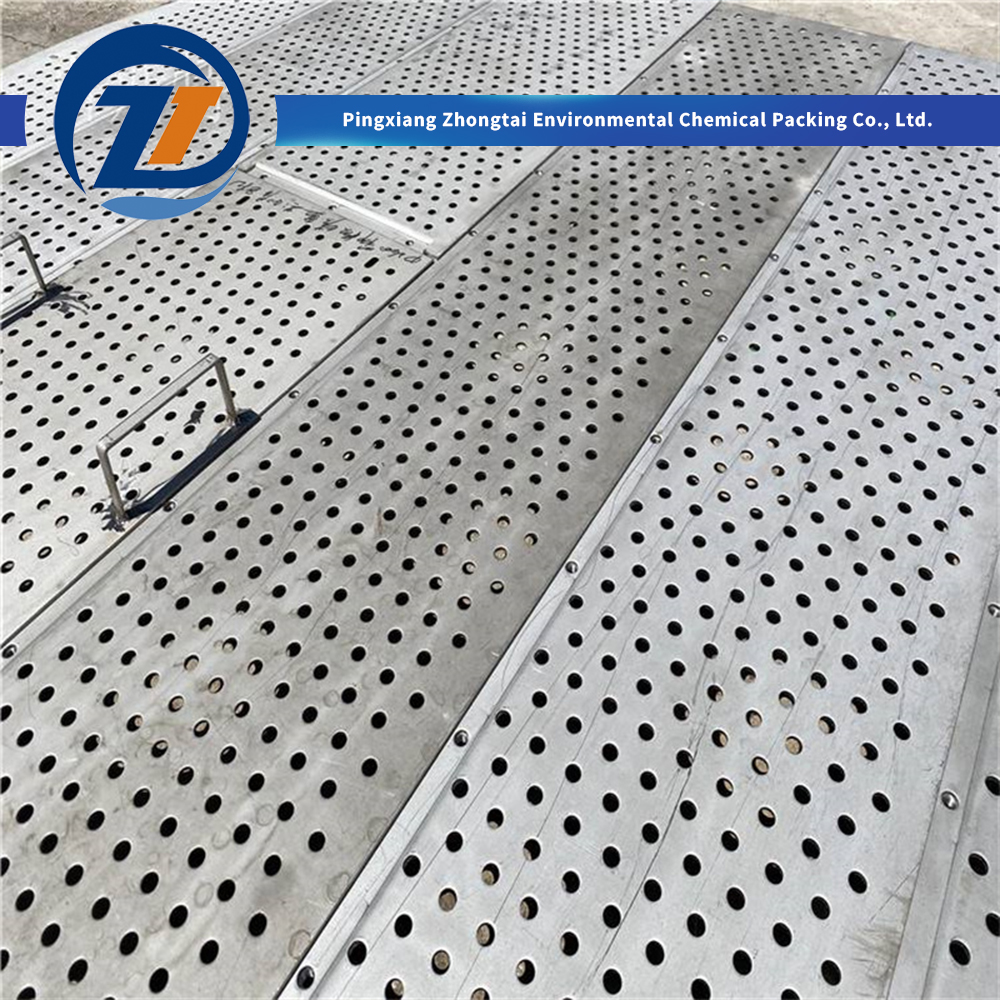
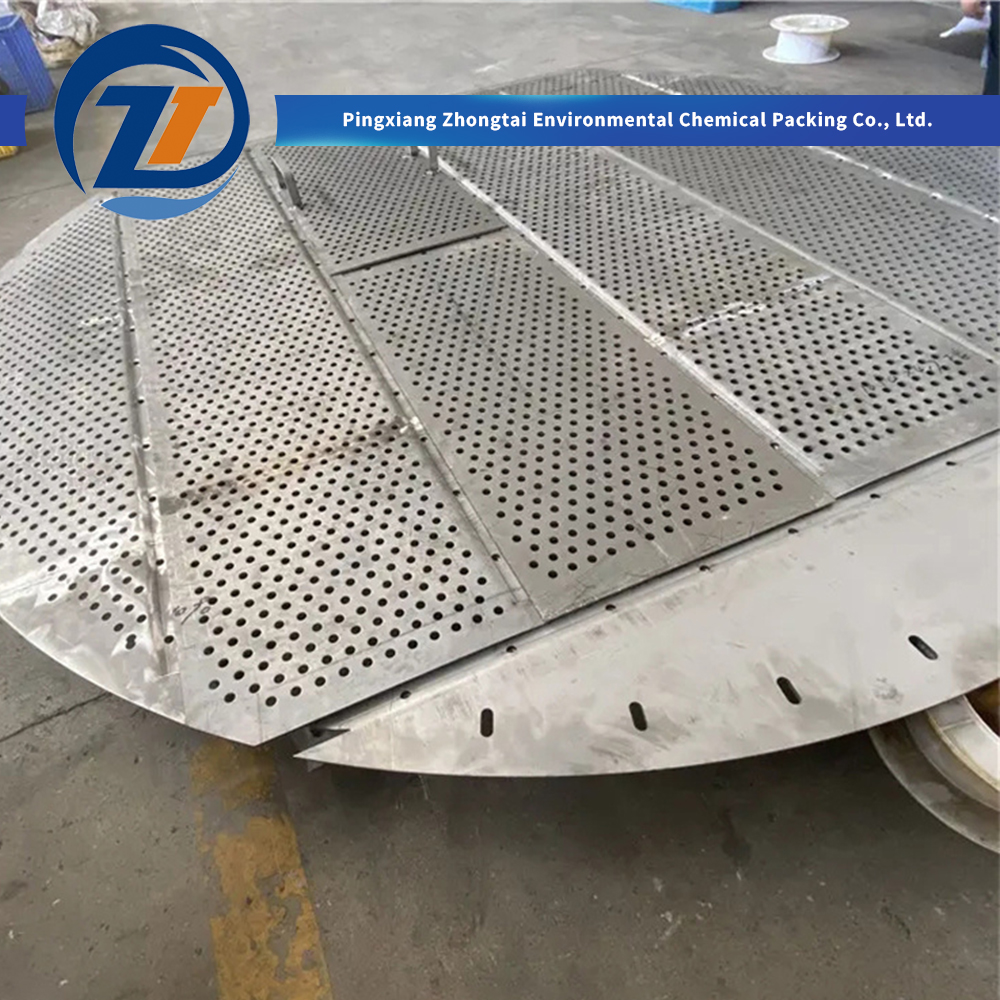
Metal Sieve Tray is the simplest and most economical column tray, featuring a flat deck with precisely drilled small holes. It delivers high mass transfer efficiency, low cost, and easy maintenance, making it the most widely used tray in distillation, absorption, and stripping columns for clean, non-fouling services.

Product Description

Metal Sieve Tray

Metal Sieve Tray Product Description

The Metal Sieve Tray is the most fundamental and widely adopted column tray in the chemical, petrochemical, and refining industries. Its design is elegantly simple: a flat metal deck perforated with a pattern of precisely sized small holes. Vapor rises through these holes and bubbles through the liquid flowing across the tray, creating a froth layer where mass transfer occurs. Liquid flows from tray to tray via downcomers. With no moving parts, no caps, and no valves, the Sieve Tray offers the lowest fabrication cost and easiest installation of any tray type, while delivering tray efficiencies comparable to or better than more complex designs—provided it operates within its design range. It is the standard choice for clean, non-fouling services with relatively steady operating conditions.
Product Highlights
Simplest Design & Lowest Cost
A flat deck with drilled holes eliminates the complexity and cost of caps, valves, or other attachments—offering the most economical solution for column internals.
High Mass Transfer Efficiency
When operating at design rates, sieve trays deliver tray efficiencies of 70–85%, comparable to or exceeding valve trays in many clean service applications.
Easy to Fabricate & Install
The straightforward design reduces manufacturing lead time and simplifies field installation, lowering both initial investment and turnaround costs.
Low Maintenance
With zero moving parts and a completely flat deck, there is nothing to stick, break, or wear, ensuring reliable long-term performance with minimal maintenance.
Lightweight & High Throughput Potential
The absence of heavy caps or valves reduces tray weight, and the full deck area can be utilized for vapor passage, enabling high vapor capacity.
Proven in Countless Installations
Sieve trays are the reference standard for distillation and absorption towers worldwide, with decades of operational data and well-established design correlations.
Technical Specifications
Parameter Typical Value / Range
Tray Diameter 300–6000 mm
Hole Diameter 3–12 mm
Open Area 5–15%
Tray Spacing 300–600 mm
Tray Deck Thickness 2–4 mm
Turndown Ratio 1.5:1 – 2:1
Tray Efficiency 70–85%
Pressure Drop per Tray 2–5 mmHg
Max Operating Temp ≤450°C (SS304/316L)
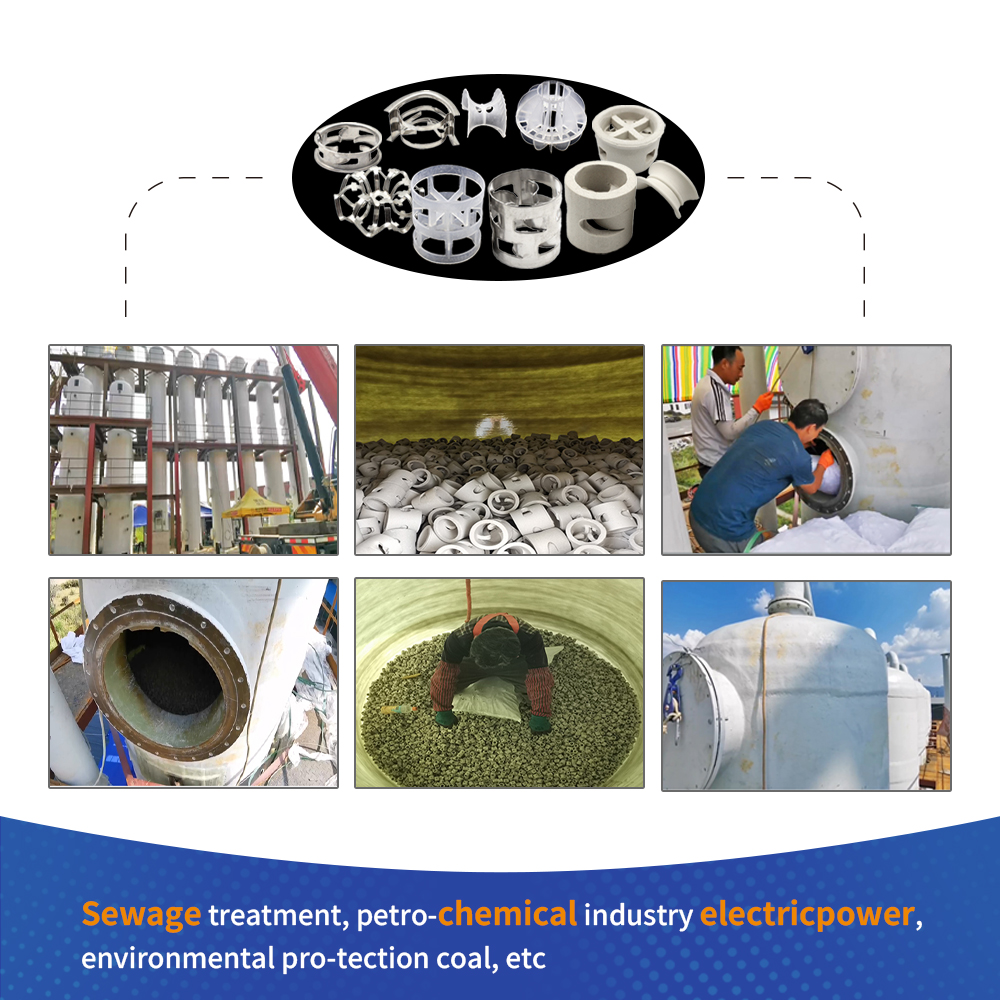
Application Scenarios & Visuals
Frequently Asked Questions (FAQ)
What is a metal sieve tray and how does it work?
A metal sieve tray is a simple perforated flat metal plate designed for fractionation columns. Vapor rises through the perforations, interacting directly with the liquid flowing across the deck to create a froth layer for mass transfer, while liquid discharges through downcomers to lower trays.
What are the primary advantages of sieve trays over valve trays?
Metal sieve trays contain no moving parts, caps, or valves. This mechanical simplicity delivers the lowest manufacturing and installation costs, prevents fouling or mechanical sticking, and minimizes long-term maintenance requirements.
What is the typical efficiency and turndown ratio of a sieve tray?
When operating near standard design throughput, metal sieve trays typically achieve mass transfer efficiencies of 70% to 85% with an operational turndown ratio generally between 1.5:1 and 2:1.
In which industrial processes are metal sieve trays best utilized?
They are ideal for continuous distillation, absorption, and stripping operations within the chemical, petrochemical, and refining industries where conditions are clean, non-fouling, and relatively steady.
What sizes and temperature limits are supported?
Sieve tray diameters typically range from 300 mm to 6000 mm with tray thicknesses from 2 to 4 mm. Fabricated with alloys such as SS304 or SS316L, they can withstand operating temperatures up to 450°C.

Related Products