1 / 5
Metal construction provides far greater crush resistance than ceramic or plastic packings, preventing breakage during transportation, loading, and operation.
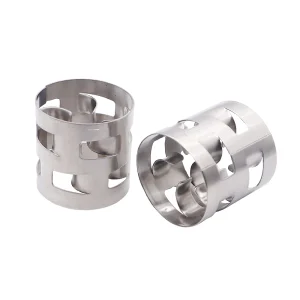
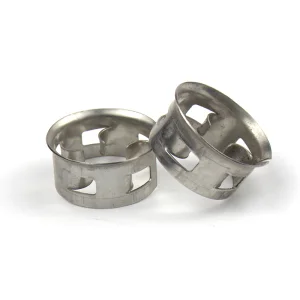
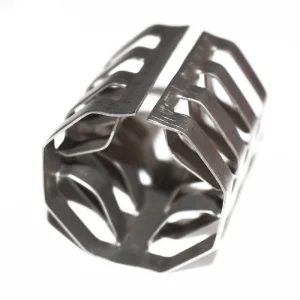
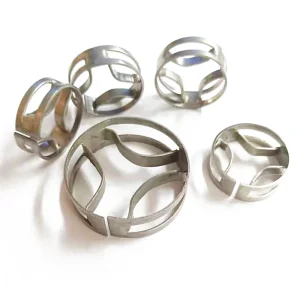
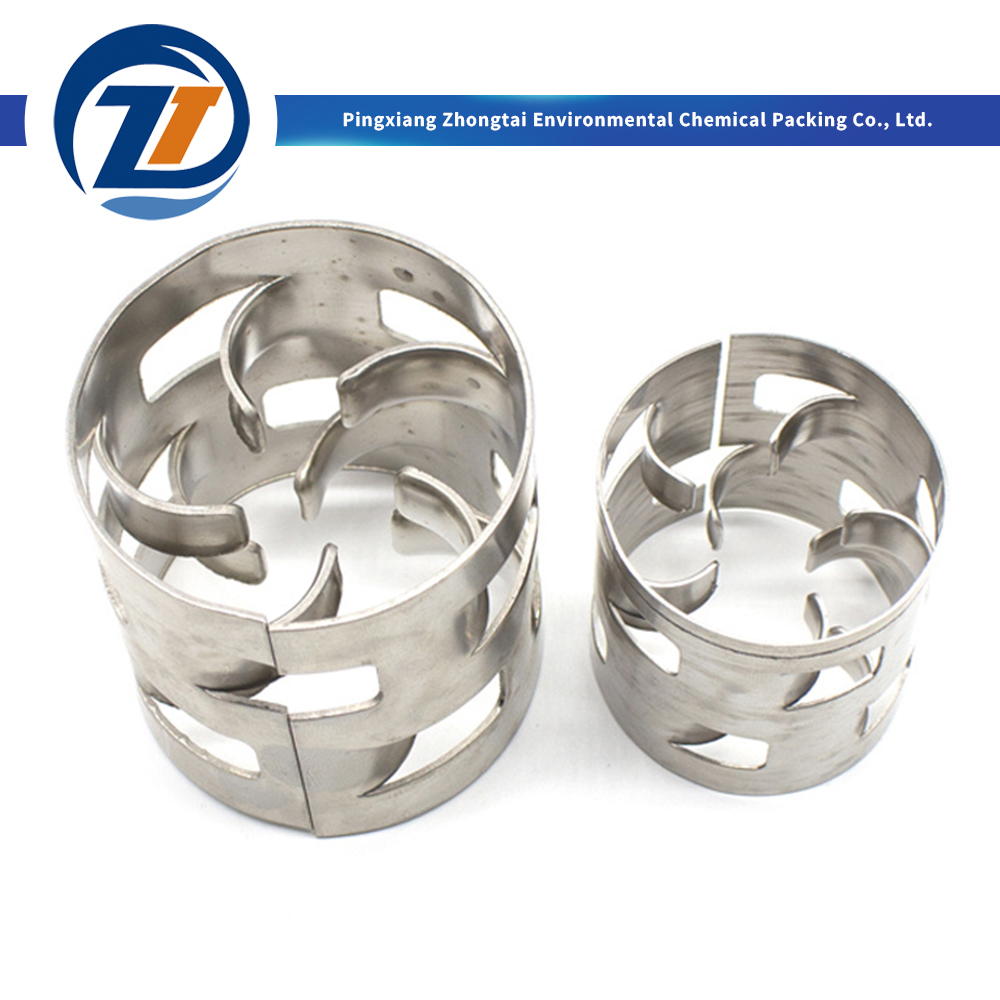
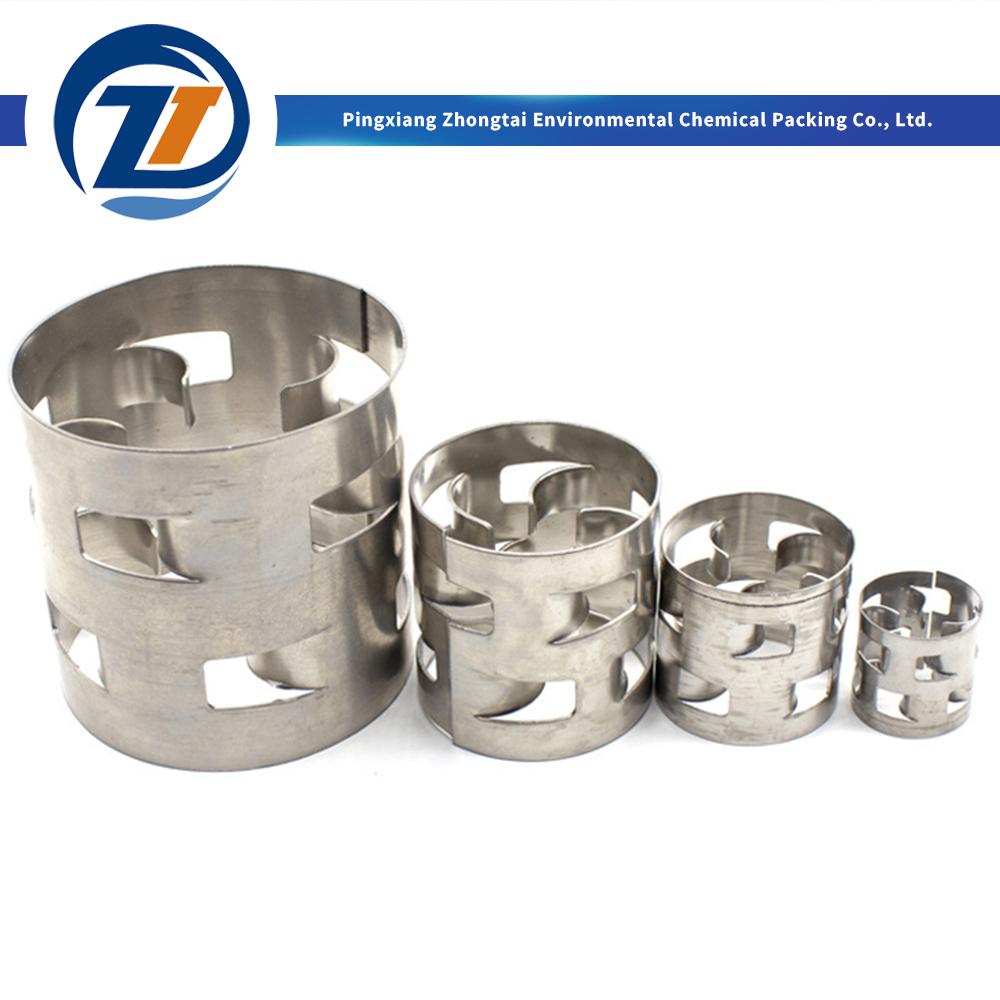
The open window and tongue structure significantly increases void fraction (up to 95%), reducing gas flow resistance and energy consumption.
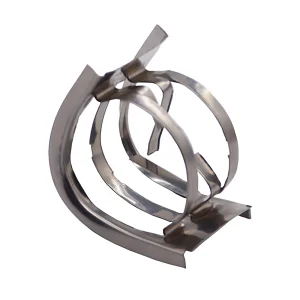
Internal tongues guide liquid to the ring interior, creating uniform wetting and preventing channeling, which enhances mass transfer efficiency.
Suitable for both vacuum and high-pressure systems, with operating temperatures up to 450°C for stainless steel grades.
Available in 304, 316L, and other alloys to withstand aggressive chemicals, chlorides, and sour gas environments.
As the industry standard metal random packing, it offers a balanced combination of performance, availability, and cost-effectiveness.
| Size (mm) | Number per m³ | Surface Area (m²/m³) | Void Ratio (%) | Bulk Density (kg/m³) | Packing Factor (m⁻¹) |
|---|---|---|---|---|---|
| φ16 | 143000 | 239 | 92.8 | 216 | 299 |
| φ25 | 55900 | 219 | 93.4 | 427 | 235 |
| φ38 | 13000 | 155 | 94.7 | 365 | 126 |
| φ50 | 6500 | 112 | 95.0 | 350 | 89 |
| φ76 | 1830 | 73 | 96.0 | 280 | 53 |
| φ90 | 1150 | 66 | 96.5 | 265 | 42 |
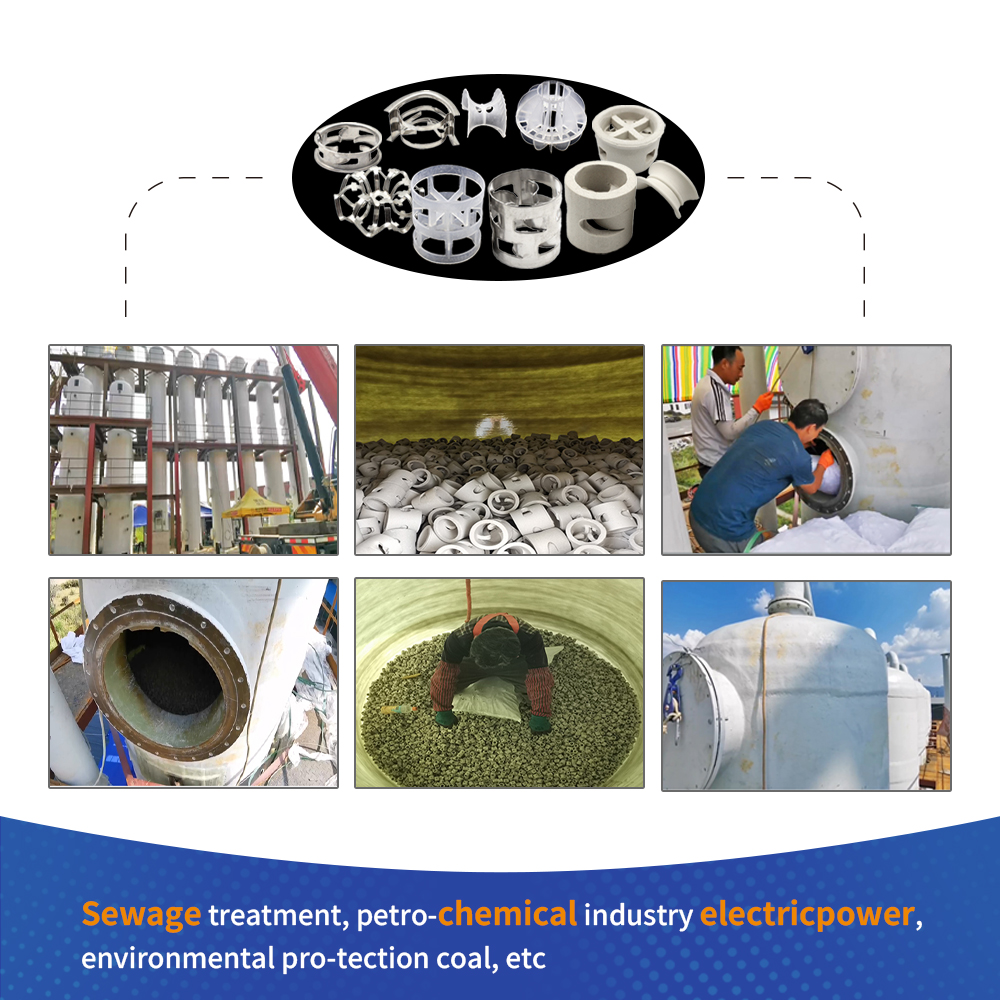



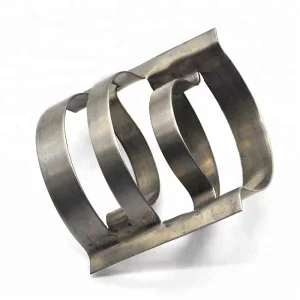
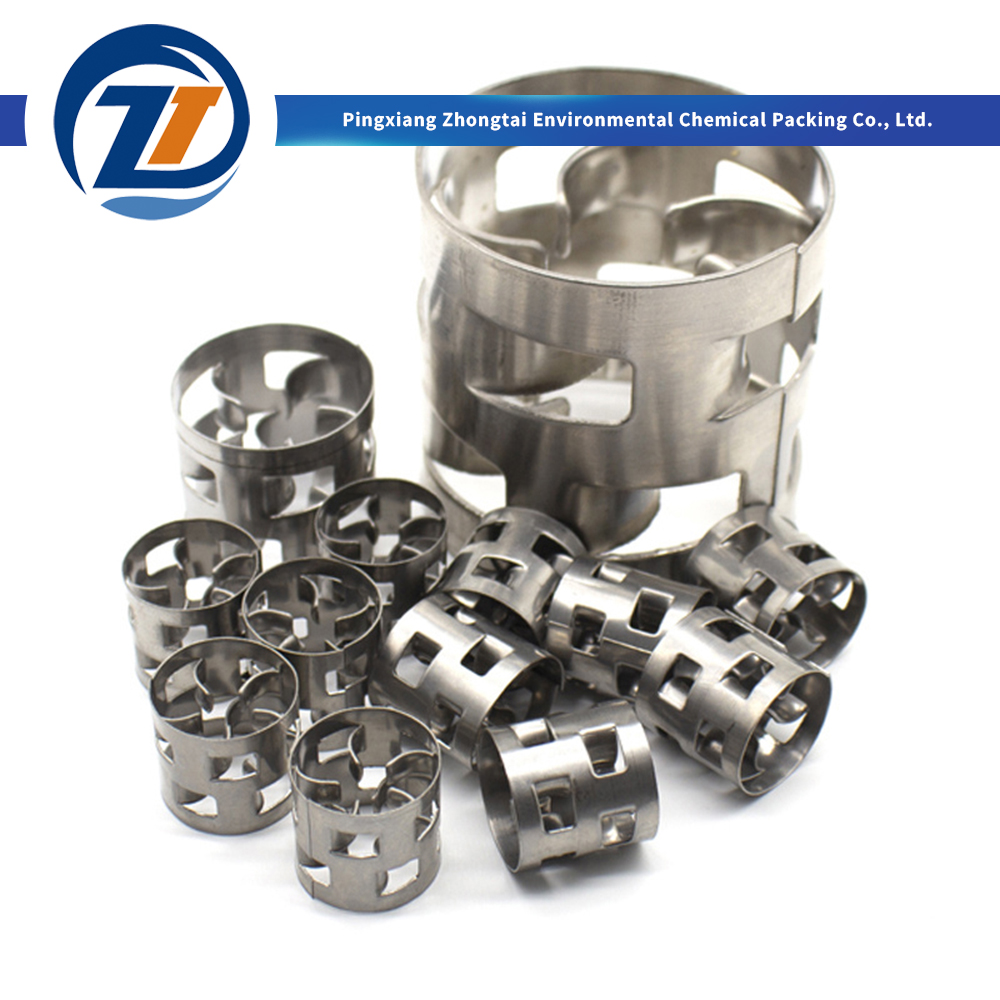
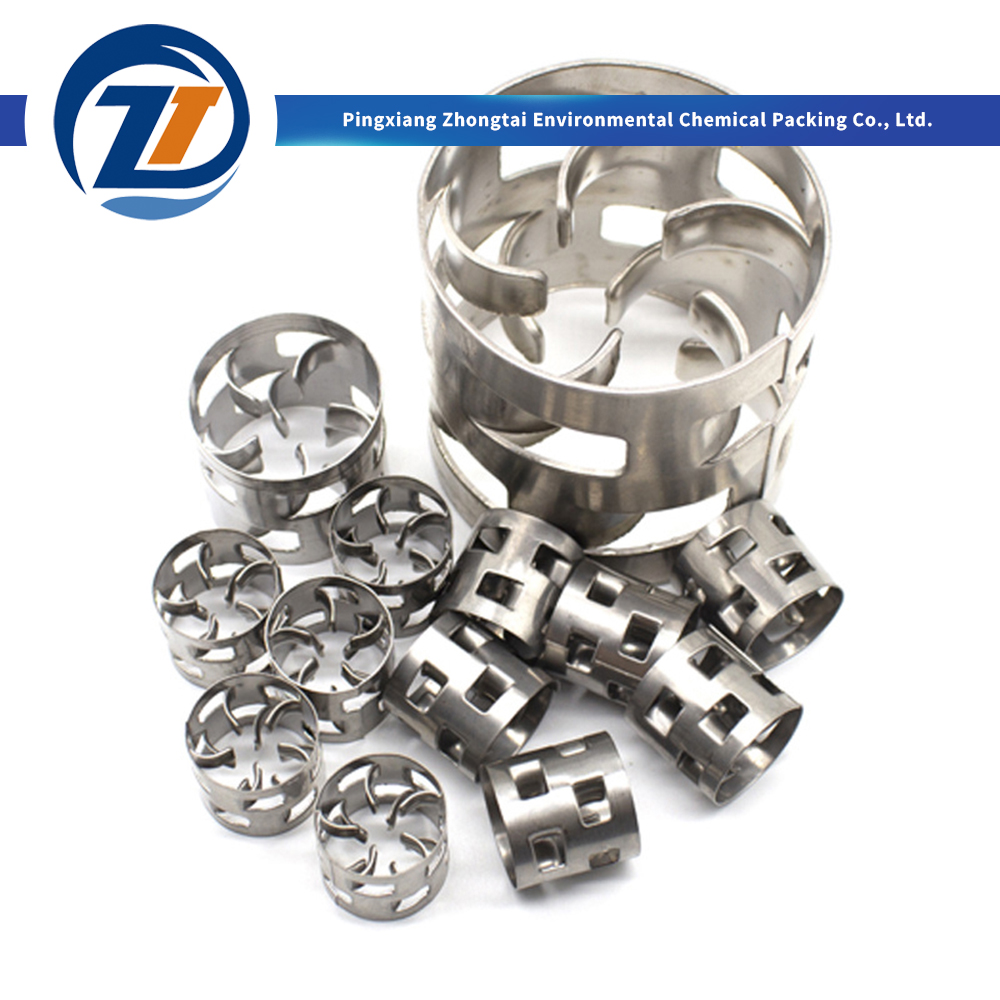
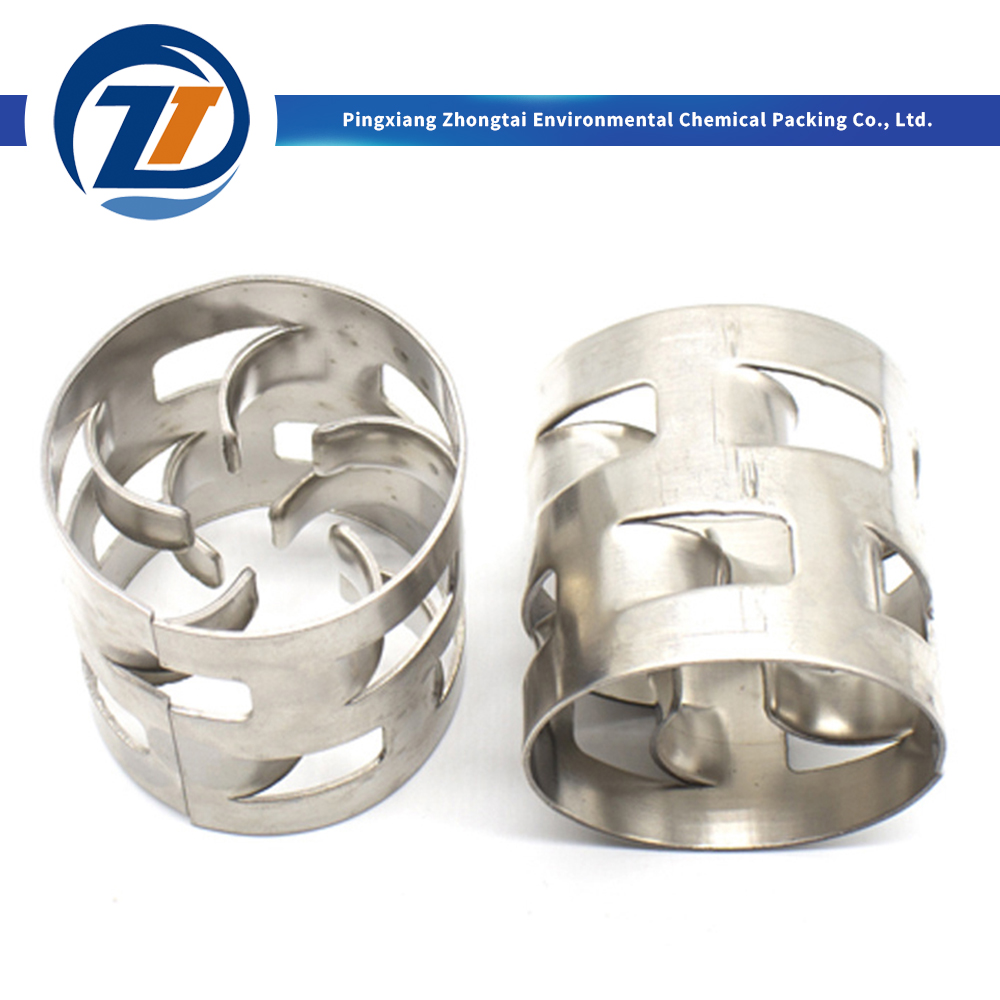
Metal Pall Rings feature open wall sections and inward-bent fingers that significantly increase internal surface contact, double the capacity, and cut pressure drop nearly in half compared to conventional solid-wall Raschig rings.
They are primarily manufactured from carbon steel, Stainless Steel 304, and Stainless Steel 316L. Other alloys can also be utilized depending on specific thermal and corrosive chemical conditions.
Stainless steel Pall rings can withstand continuous service temperatures of up to 450°C, making them an ideal choice for high-temperature mass transfer operations and severe thermal environments.
The inward-curved tongues help route down-flowing liquid into the ring's core, ensuring effective distribution across internal surfaces, maximizing vapor-liquid interaction, and mitigating wall-channeling effects.
They are widely applied in petrochemical refining, gas processing, absorption, stripping, vacuum distillation, and carbon dioxide capture units that demand low pressure drop and high mechanical resilience.