High-performance random packing types engineered with strict chemical composition controls (SiO₂ + Al₂O₃ > 92%), maximum acid resistance (> 99.8%), and thermal shock resilience tailored for high-heat chemical processes.
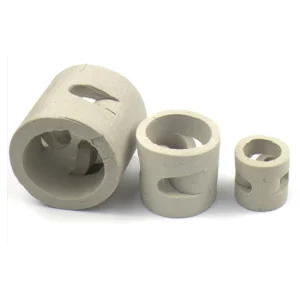
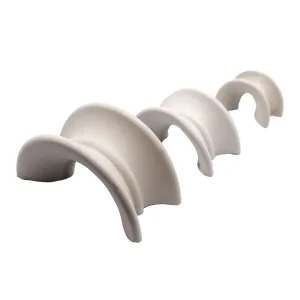
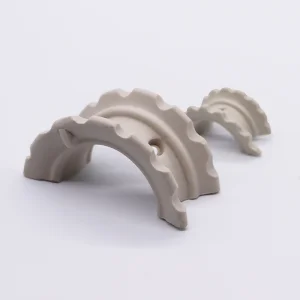
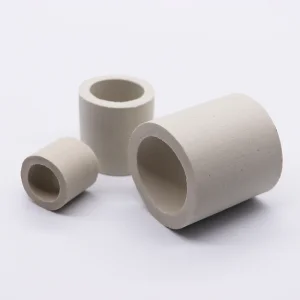
Malaysia sits at the strategic crossroads of global maritime commerce and advanced chemical manufacturing. From world-scale refining mega-complexes in Johor to specialized oleochemical distillation corridors in Selangor and Penang, chemical engineers require rigorous mass transfer media that withstand aggressive acidic media and extreme thermal cyclings.
Within the Pengerang Integrated Petroleum Complex (PIPC) in Johor and the PETRONAS Petrochemical Zone in Kerteh, Terengganu, tower internals face continuous contact with sour gas (H₂S), hot amine solvents, and harsh sulfuric acid alkylation catalysts. Industrial ceramic saddles and rings eliminate the risk of stress corrosion cracking (SCC) common in stainless steels.
Malaysia supplies approximately 25% of the world’s palm oil exports, with dense clusters of oleochemical fractionation plants in Pasir Gudang, Port Klang, and Kuantan. Fatty acid splitters, methyl ester distillation towers, and glycerine refining columns operate under high vacuum and elevated temperatures where chemically inert ceramic media preserve fatty acid color without metallic leaching.
Large-scale chemical facilities in Bintulu, Sarawak, and Prai, Penang, utilize ceramic tower packing in drying towers and intermediate absorption towers (IAT) for sulfuric acid (H₂SO₄), nitric acid (HNO₃), and wet chlorine (Cl₂) scrubbers. Ceramic packings offer essentially zero corrosion rates in boiling mineral acids, safeguarding multi-year operational uptime.
Zhongtai chemical ceramics are manufactured according to strict international standards including ASTM C515 (Standard Specification for Chemical Porcelain Tower Packings) and HG/T 4369. All batches undergo third-party laboratory verification before export to Malaysia.
| Evaluation Parameter | Test Standard | Commercial Porcelain Grade | High Alumina Refractory Grade | Relevance to Malaysian Plant Operations |
|---|---|---|---|---|
| Acid Resistance (%) | ASTM C279 / HG/T 4369 | ≥ 99.80% by weight | ≥ 99.92% by weight | Prevents bed degradation in 98% concentrated H₂SO₄ drying towers |
| Al₂O₃ Content (%) | XRF Spectrometry | 23% – 30% | 70% – 92% | Controls thermal conductivity and resistance to hot caustic washing |
| Water Absorption (%) | ASTM C373 | ≤ 0.50% | ≤ 0.10% | Prevents moisture intrusion that triggers thermal shock cracking during shutdown |
| Crush Strength (kN/pc) | ASTM C773 (Point-load) | ≥ 5.5 kN (for 50mm) | ≥ 12.0 kN (for 50mm) | Ensures bottom-bed support in deep 12-meter packed columns without compaction |
| Thermal Shock Resistance | Quenching (200°C to 20°C water) | Zero visible cracks (3 cycles) | Zero visible cracks (5+ cycles) | Withstands emergency process shutdowns and rapid fluid re-introduction |
| Bulk Density (kg/m³) | Gravimetric Volume Test | 560 – 760 (size dependent) | 820 – 980 (size dependent) | Determines exact column dead-load calculation for support grid sizing |
As Malaysia accelerates towards its National Energy Transition Roadmap (NETR) aiming for net-zero greenhouse gas emissions by 2050, processing plants are actively debottlenecking older packed columns to reduce pressure drops and conserve boiler auxiliary power.
With PETRONAS initiating massive offshore carbon capture schemes in Kasawari and offshore Sarawak, amine scrubbing towers require high gas capacity random ceramic packing to optimize mass contact between CO₂ and monoethanolamine (MEA) without foaming or early flooding.
Older Raschig ring installations in Malaysian acid plants create significant static head resistance, driving up fan and blower electricity usage. Replacing Raschig rings with modern Ceramic Super Intalox Saddles or Cascade Mini Rings reduces column differential pressure by up to 35%, cutting operational costs substantially.
Under the Department of Environment (DOE) mandate, Malaysian palm oil mills increasingly install anaerobic digesters and biological H₂S scrubbers. Ceramic random packings provide chemically stable, biologically inert surface areas for biofilm adhesion that resist corrosive wet biogenic sulfuric acid attack.
Sourcing ceramic tower packings internationally requires smooth integration with Malaysian statutory guidelines, prompt port handling, and certified batch provenance.
Shipments are routinely dispatched in 20ft and 40ft high-cube containers directly from our factory loading facility to Port Klang (Northport/Westports), Johor Port (Pasir Gudang), Tanjung Pelepas (PTP), Penang Port, and Bintulu Port, with standard ocean transit times averaging 12 to 18 days.
All shipments are accompanied by official Certificate of Origin (Form E) documents issued by Chinese Customs, entitling Malaysian importers to preferential zero-duty entry under HS Code 6909.19 (Ceramic Wares for Laboratory, Chemical or Other Technical Uses).
Heavy jumbo bags with internal anti-moisture PE liners and ISPM 15 heat-treated, fumigated wooden pallets protect ceramic rings during deep-sea transit. Materials comply with Department of Occupational Safety and Health (DOSH) inertness standards for unfired pressure vessel internals.
Direct engineering answers covering material selection, hydraulic modeling, customs clearance, and lead times for plant turnarounds.
While SS316L performs well in neutral or organic distillation, it suffers rapid pitting and stress corrosion cracking in sulfuric acid (>70% concentration at elevated temperatures) and wet chlorine gas. High-grade porcelain ceramic is entirely inert to all mineral acids (except hydrofluoric acid) and hot wet acid mist, offering 15+ years of operational life without metallic contamination.
Yes. Our chemical porcelain formulations utilize high-grade clay, feldspar, and calcined alumina fired in continuous tunnel kilns at 1280°C–1320°C. This vitrified ceramic microstructure provides thermal shock endurance tested to handle rapid thermal swings of ±200°C without micro-fissuring or loss of mechanical crush strength.
Every order is dispatched with a full technical and customs dossier: Certificate of Analysis (COA) specifying bulk density, crush strength, and acid solubility; Mill Test Certificate (MTC); Commercial Invoice; Packing List; Sea Waybill / Bill of Lading; and official ASEAN-China Free Trade Certificate of Origin (Form E) for preferential 0% duty treatment.
We maintain an active buffer stock of standard 25mm (1"), 38mm (1.5"), 50mm (2"), and 76mm (3") Ceramic Intalox Saddles and Pall Rings. Emergency dispatch from our Pingxiang facility to major Chinese departure ports (Shenzhen, Guangzhou, Ningbo) takes 48 hours, enabling site delivery to Port Klang or Pasir Gudang within 14–20 calendar days.
As a standard chemical engineering guideline, the column inner diameter (D) to random packing nominal diameter (d) ratio should satisfy D/d ≥ 10 (ideally ≥ 15) to prevent severe liquid wall-channeling. For example, a 600mm ID column functions optimally with 25mm or 38mm packing, whereas large 3000mm ID acid absorption towers typically use 50mm or 76mm saddles to maximize hydraulic throughput.
Yes. We routinely express-courier free product sample cartons (including Pall Rings, Intalox Saddles, Cascade Rings, and Inert Ceramic Balls) directly to technical evaluation teams and university labs in Kuala Lumpur, Johor Bahru, Kuantan, and Miri via DHL or FedEx within 3 to 5 business days.
Engineered for extreme process conditions: high void fractions, aggressive hydrofluoric media (Carbon Graphite), gas distribution supports, and advanced saddle geometry for scrubbers and chemical reactors across Malaysia.
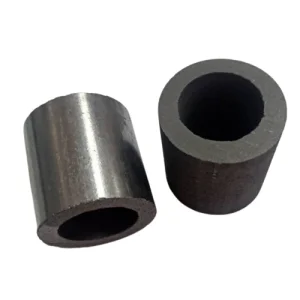
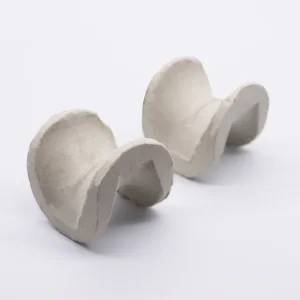
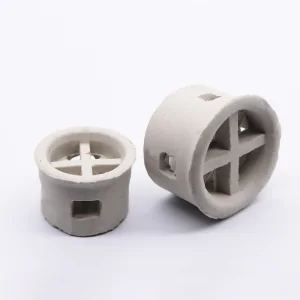
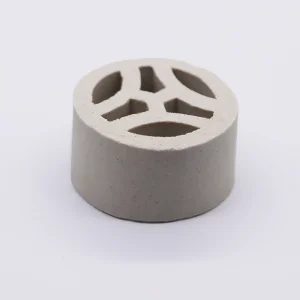
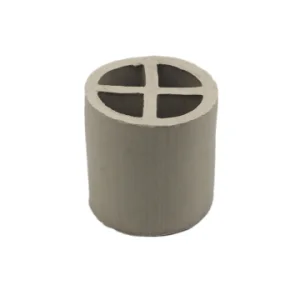
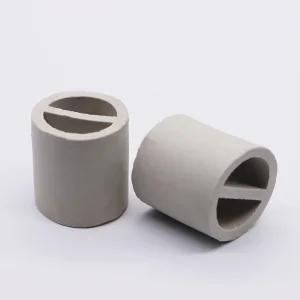
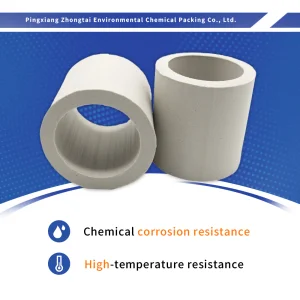
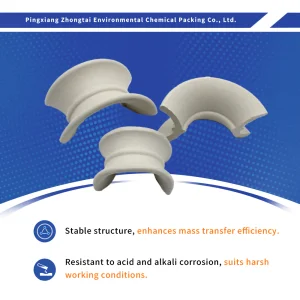
Whether revamping a fatty acid distillation column in Pasir Gudang, designing a tail-gas scrubber in Kerteh, or specifying replacement ceramic packing for plant turnaround maintenance, our chemical engineering team provides precise hydraulic loading calculations, bulk density estimates, and CIF delivery quotes.
