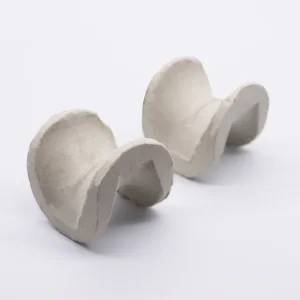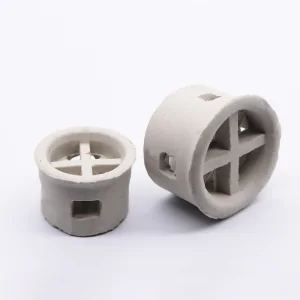
Wholesale Ceramic Raschig Ring – Random Tower Packing for Absorption, Distillation & Industrial Processing Towers Manufacturer, Suppliers

Product Description

Introduce

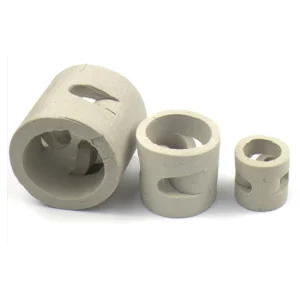
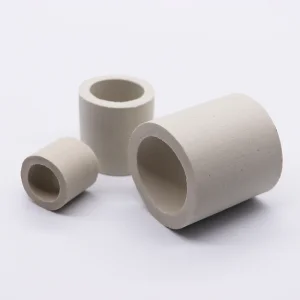
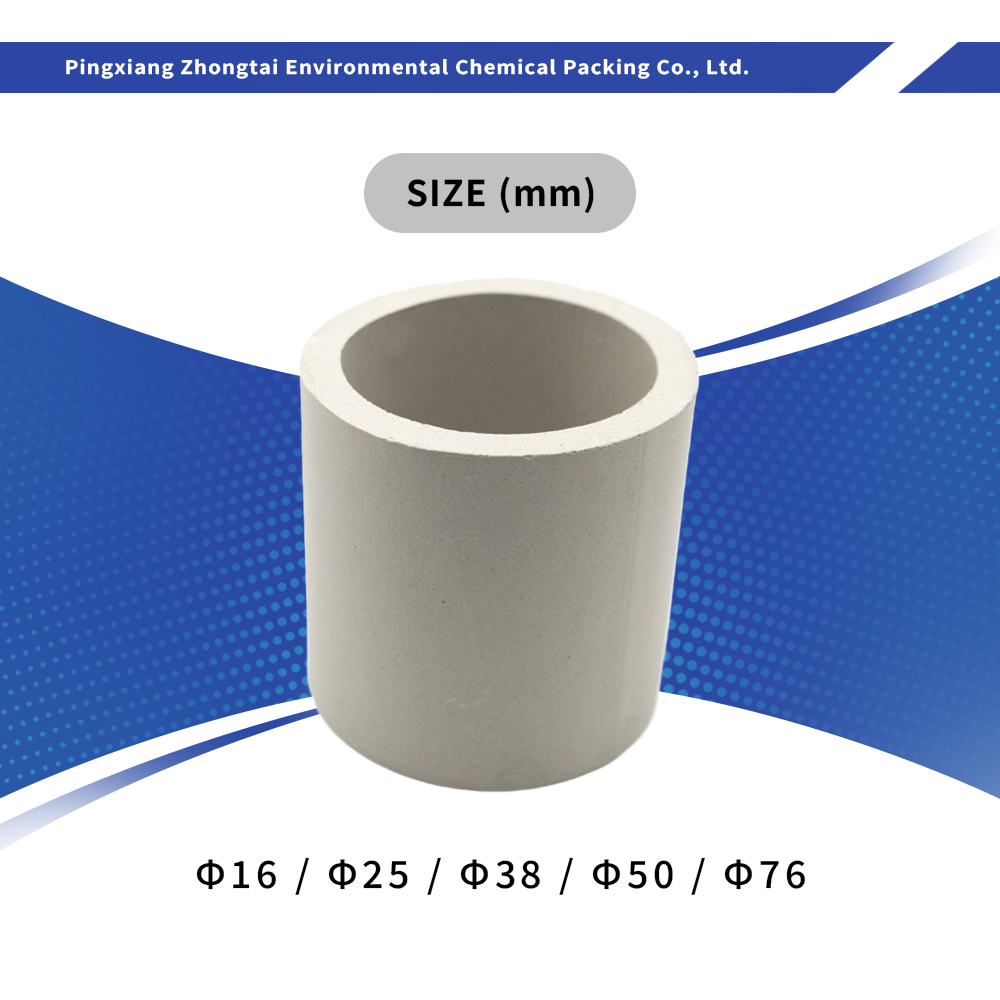
Raschig Rings are an excellent distillation column filling due to their extremely high surface area and consistent, defined large void space. A benefit of using Raschig Rings as distillation column packing is that they are an inert type of packing so you don't have to worry about packing the column too tightly, which can cause choking.

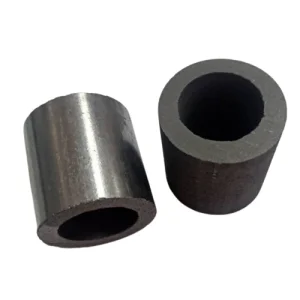
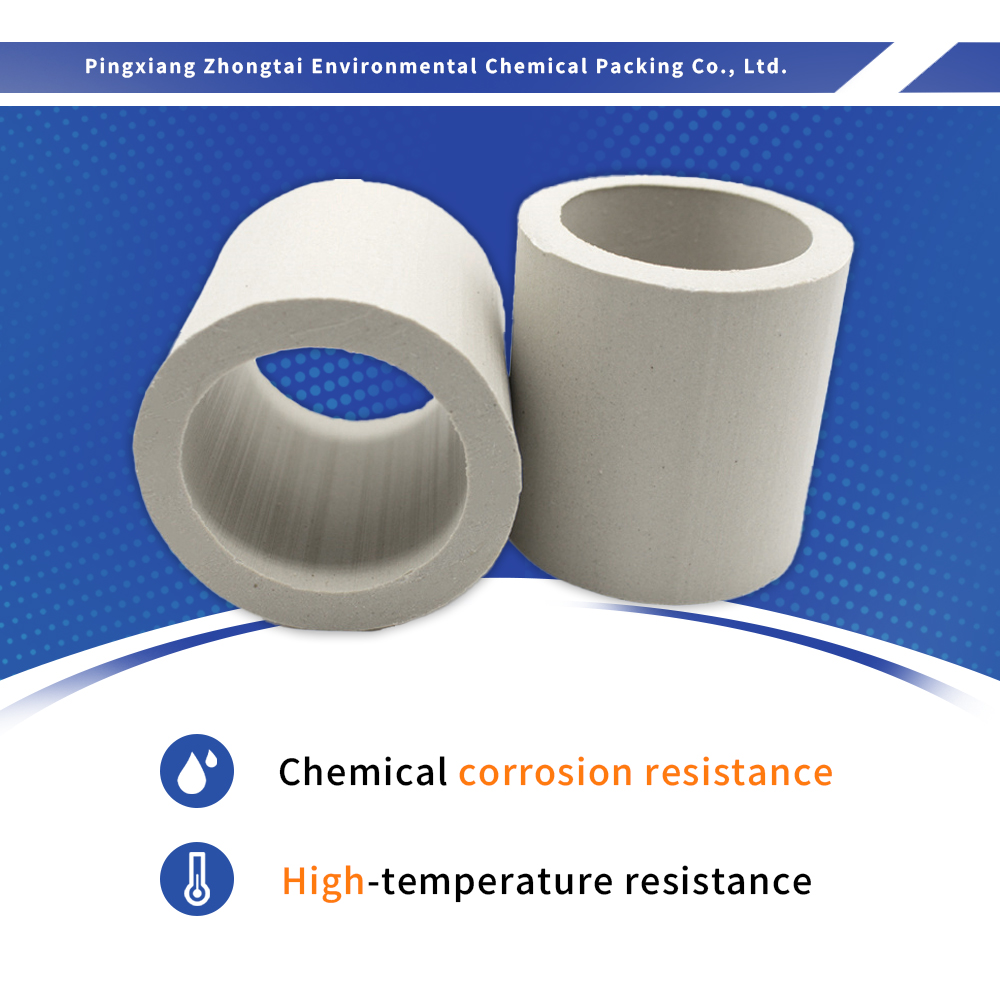
Ceramic raschig ring is one of the earliest developed random packing, the structure is simple, the height and diameter are the same. Raschig rings large size (100mm or more) means the general rules by filling the entire puzzle, 90mm size raschig rings generally use the following method loading number.

Advantage

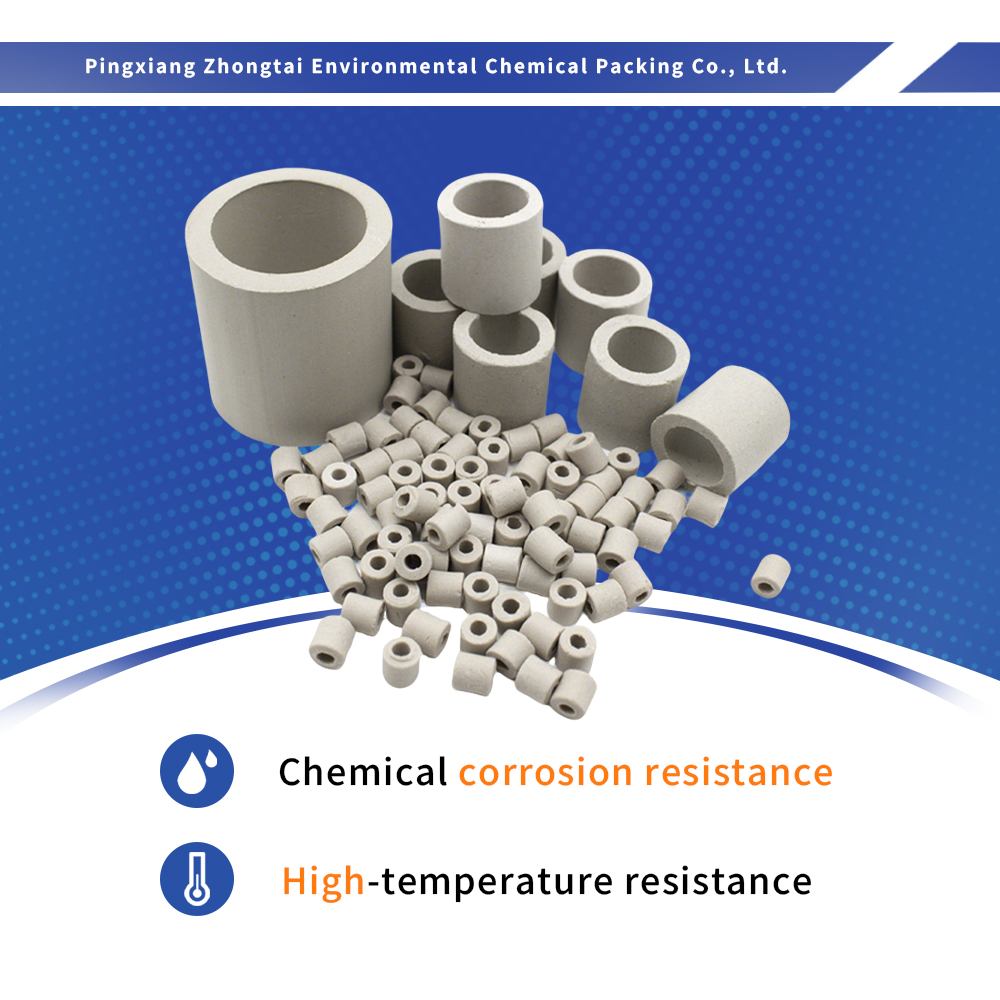
It has the characteristics of excellent acid resistance and heat resistance. It can resist to corrosion of various inorganic acids, organic acids and organic solvents except hydrofluoric acid, and can be used in high or low temperature conditions.

Chemical Composition
    SiO2 Al2O3 Fe2O3 CaO K2O+Na2O
    >70% 23-30% <1% <1-2% <2-4%
    Physical Properties
    Index Value
    Specific gravity (g/cm3) 2.25-2.35
    Water absorption (%) <0.5
    Acid-resisting strength, %Wt. Loss (ASTMc279) <4
    Firing temperature (Degree C) 1280-1320
    Softening point (Degree C) >1400
    Density (kg/m3) 2350
    Technical Data Sheet
    Type Number (N/m3) Dry packing factor (m-1)
    φ6 1050 5249
    φ12.5 881 1903
    φ16 730 900
    φ19 801 837
    φ25 673 508
    φ38 689 312
    φ40 577 350
    φ50 657 213
    φ80 714 280
    φ100 700 172
    Frequently Asked Questions (FAQ)
    1. What is the structural feature of a Ceramic Raschig Ring?
    The Ceramic Raschig Ring is one of the earliest developed random packings. It features a simple cylindrical open-ended design where the outer diameter and height are equal in dimension.
    2. Why are Raschig Rings effective for distillation columns?
    They provide an extremely high surface area and consistent, defined void space. Being chemically inert, they minimize the risk of choking even when loaded securely in column packing operations.
    3. What chemical substances can Ceramic Raschig Rings resist?
    They feature exceptional corrosion resistance against virtually all inorganic acids, organic acids, and organic solvents, with the sole exception of hydrofluoric acid (HF).
    4. What are the operating temperature tolerances?
    Manufactured with a firing temperature between 1280°C and 1320°C and a softening point above 1400°C, they exhibit superior heat resistance suitable for extreme high and low operating temperatures.
    5. What size options are available for Ceramic Raschig Rings?
    Available standard nominal sizes include φ6, φ12.5, φ16, φ19, φ25, φ38, φ40, φ50, φ80, and φ100 mm, catering to various column diameters and flow velocity requirements.
    6. How are large-diameter Raschig Rings loaded into columns?
    Raschig rings with larger sizes (100mm or more) are generally arranged via systematic structural puzzle filling, whereas sizes around 90mm or smaller follow bulk or defined loading number methods.

    Related Products