Standard and customized zeolite formulations, high-voidage tower packings, and robust ceramic support beds designed to deliver peak mass transfer kinetics under severe operational stress.
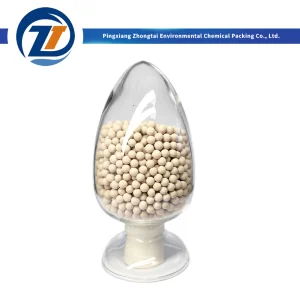
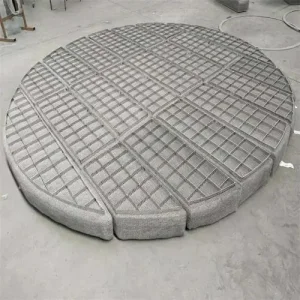
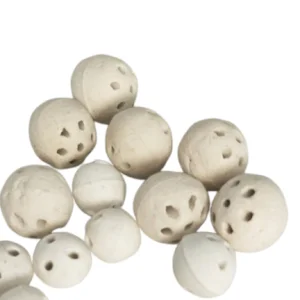
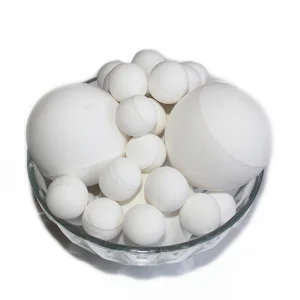
In advanced cryogenic air separation, natural gas liquefaction (LNG), and petrochemical synthesis, molecular sieve columns function as the critical purification heartbeat. Driven by global clean-energy transitions and decarbonization directives, adsorptive columns are challenged with stricter purity thresholds (<0.1 ppmv H₂O, <1.0 ppmv CO₂), rapid thermal cycles, and demanding physical load regimes.
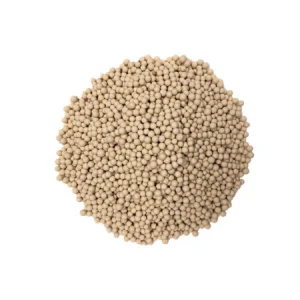
Modern continuous-flow TSA columns require low heat-capacity zeolite beads capable of resisting structural pore collapse at regeneration temperatures surpassing 280°C. Minimizing thermal inertia decreases turnaround times and yields substantial steam savings in large-scale air separation plants.
For high-cycle frequency hydrogen generation and biogas enrichment, fast-rate mass transfer zones (MTZ) are mandatory. We engineer uniform micro-spherical crystal morphologies that limit bed void bypass and safeguard against fluidization attrition under severe pressure surges.
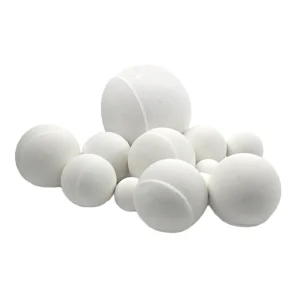
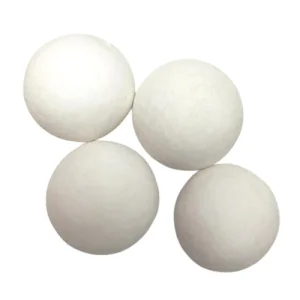
The operational stability of any adsorption column depends on its inert support stratification. Integrating high-purity inert alumina balls (17% to 99% Al₂O₃) shields the molecular sieve core from downstream gas drag forces, particulate fluidization, and catastrophic liquid slugs.
Empirical physical properties and application benchmarks for high-pressure industrial adsorption column vessels:
| Adsorbent Type | Nominal Pore Diameter | Standard Bulk Density | Static Water Adsorption | Crush Strength (Avg) | Primary Column Duties |
|---|---|---|---|---|---|
| Type 3A Zeolite | ~3 Å (0.3 nm) | 0.68 – 0.74 g/mL | ≥ 21.5% wt (RH 75%, 25°C) | ≥ 65 N (1.6–2.5 mm sphere) | Cracked gas, ethylene, ethanol & methanol ultra-deep dehydration |
| Type 4A Zeolite | ~4 Å (0.4 nm) | 0.66 – 0.72 g/mL | ≥ 22.0% wt (RH 75%, 25°C) | ≥ 55 N (1.6–2.5 mm sphere) | Closed-loop pneumatic air systems, refrigerant loops, hydrocarbon beds |
| Type 5A Zeolite | ~5 Å (0.5 nm) | 0.67 – 0.73 g/mL | ≥ 21.5% wt (RH 75%, 25°C) | ≥ 60 N (1.6–2.5 mm sphere) | Iso/normal paraffin separation, hydrogen recovery, natural gas sweetening |
| Type 13X-APG | ~10 Å (1.0 nm) | 0.62 – 0.68 g/mL | ≥ 25.5% wt (RH 75%, 25°C) | ≥ 40 N (1.6–2.5 mm sphere) | Air separation cryogenic purification (co-adsorption of H₂O and CO₂) |
| 99% Inert Ceramic Ball | Non-porous Support | 1.35 – 1.45 g/cm³ | < 0.5% (Water absorption) | > 22 kN/particle (25mm) | Column bottom catalyst/zeolite retention, upper hold-down & stream damping |
From our manufacturing facility in Pingxiang, Jiangxi—China's primary industrial ceramics and chemical mass-transfer cluster—Zhongtai operates advanced production lines, high-temperature automated tunnel kilns, and computerized testing laboratories. Our quality management protocols satisfy the stringent regulatory criteria expected by multi-national energy corporations and engineering contractors.
Full compliance with ISO 9001:2015 quality frameworks. Comprehensive testing protocols including ASTM D3802 (Attrition and Abrasion Resistance), ASTM D5757, and batch chemical composition analysis using X-ray fluorescence (XRF) spectrometry.
Every commercial consignment is accompanied by formal Mill Test Certificates (MTC), Certificates of Analysis (COA), dangerous goods documentation when requested, and certified fumigation documentation compliant with ISPM-15 standards.
Our technical engineers provide process simulation recommendations, bed stratification design, pressure drop modeling, and site-level supervision during scheduled plant turnarounds, sieve changeouts, and vessel loading procedures.
Tailored adsorptive column setups solving critical dehydration, selective purification, and catalytic carrier tasks across major petrochemical, environmental, and metallurgical industries.
Dual-bed TSA molecular sieve columns configured with 13X-APG remove trace atmospheric moisture and carbon dioxide down to part-per-billion levels, preventing catastrophic dry ice freeze-up in cryogenic core plate-fin heat exchangers.
3A zeolite column arrays achieve deep moisture stripping from raw olefin cracking streams without co-adsorbing light hydrocarbons or inducing premature catalytic polymerization (green oil generation) across internal crystal pore mouths.
Molecular sieve columns eliminate mercaptans, hydrogen sulfide traces, and water vapor ahead of turbo-expander liquefaction units, delivering pipeline-spec natural gas that guarantees absolute compliance with international LNG export standards.
Vapor-phase ethanol dehydration columns packed with calibrated 3A molecular sieve beads break the ethanol-water azeotrope without benzene or toxic entrainers, delivering >99.8% bio-ethanol fuels at reduced utility cost per gallon.
As processing operations shift toward net-zero targets and heightened energy efficiency, Zhongtai’s R&D pipeline focuses on high-selectivity nanostructures, reduced-carbon carrier materials, and integrated digital monitoring technologies.
Eliminating non-adsorptive clay binders from zeolite formulations achieves a 20% to 30% jump in dynamic water and CO₂ uptake capacity. Binderless columns allow smaller vessel diameters, lower steel tonnage, and minimal overall plant footprints.
Development of engineered modified 13X and metal-doped zeolitic frameworks tuned for high CO₂ selectivity in flue-gas and steam reformer exhaust streams, facilitating economical thermal desorption under low-pressure regeneration conditions.
Designing physical column packing arrays that incorporate multipoint fiber-optic temperature sensors and acoustic bed settlement detectors, offering operators real-time visualization of the Mass Transfer Zone (MTZ) progression.
Specification, design calculations, and shipping logistics answered by our chemical process and export engineering team.
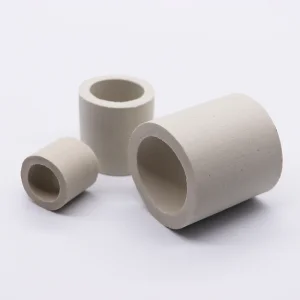
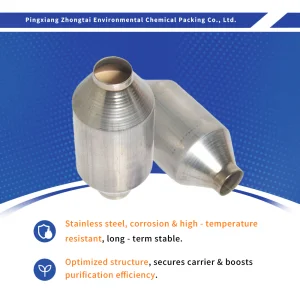
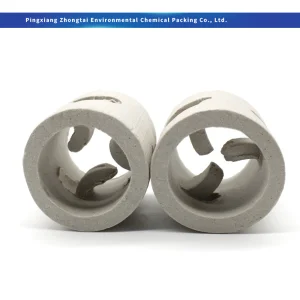
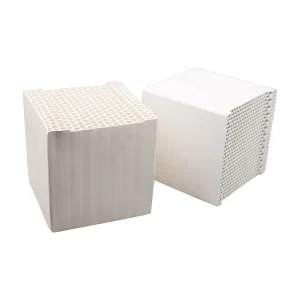
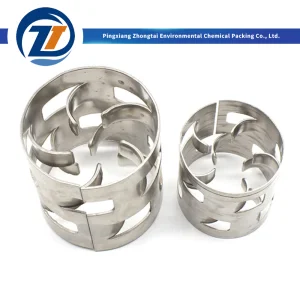
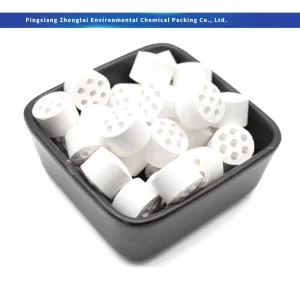
Extensive production catalog spanning thermal storage blocks, inert porcelain support balls, random acid-resistant rings, and precision environmental honeycomb substrates.