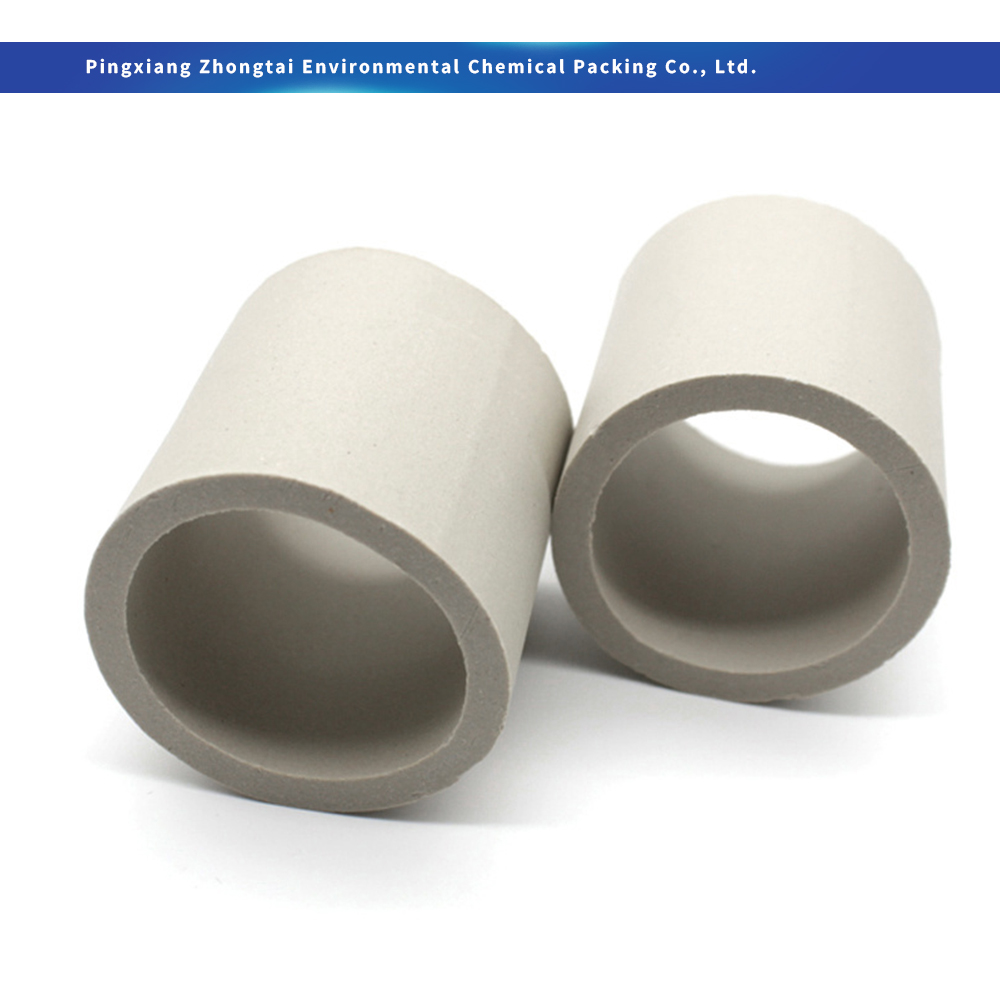
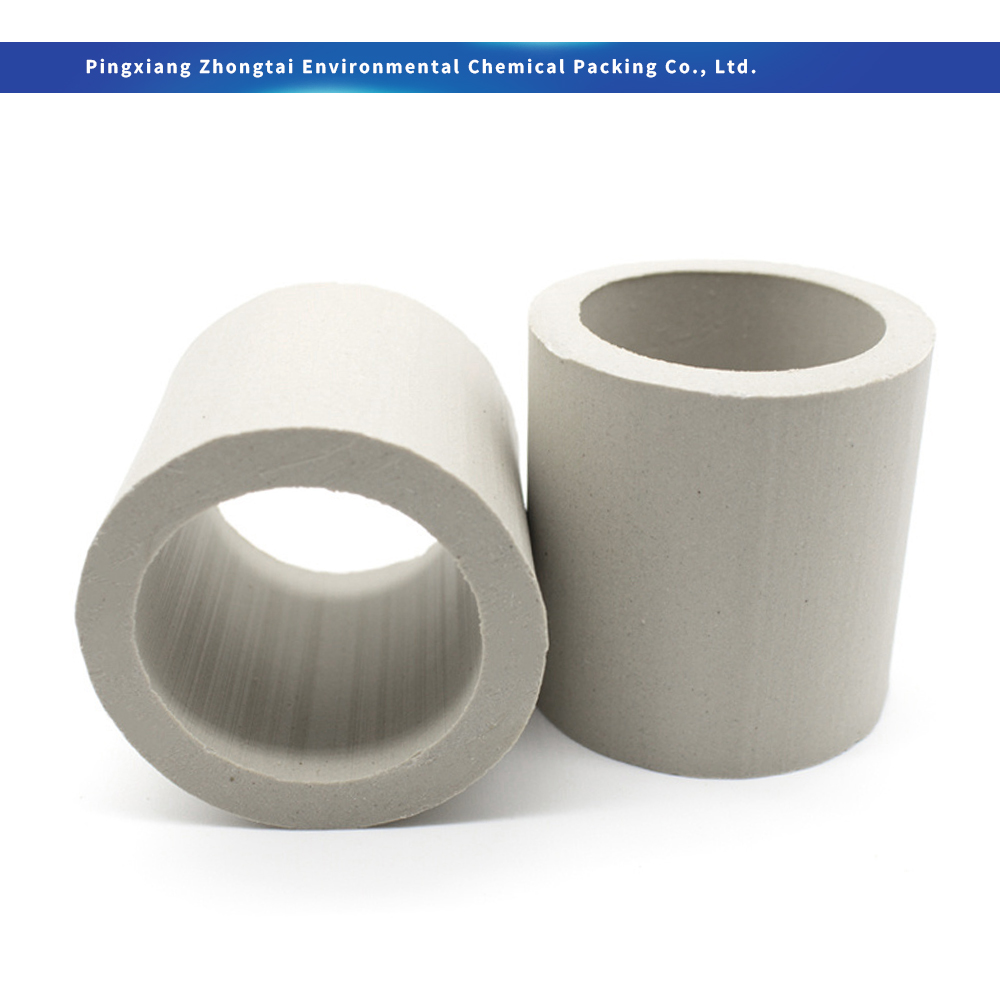
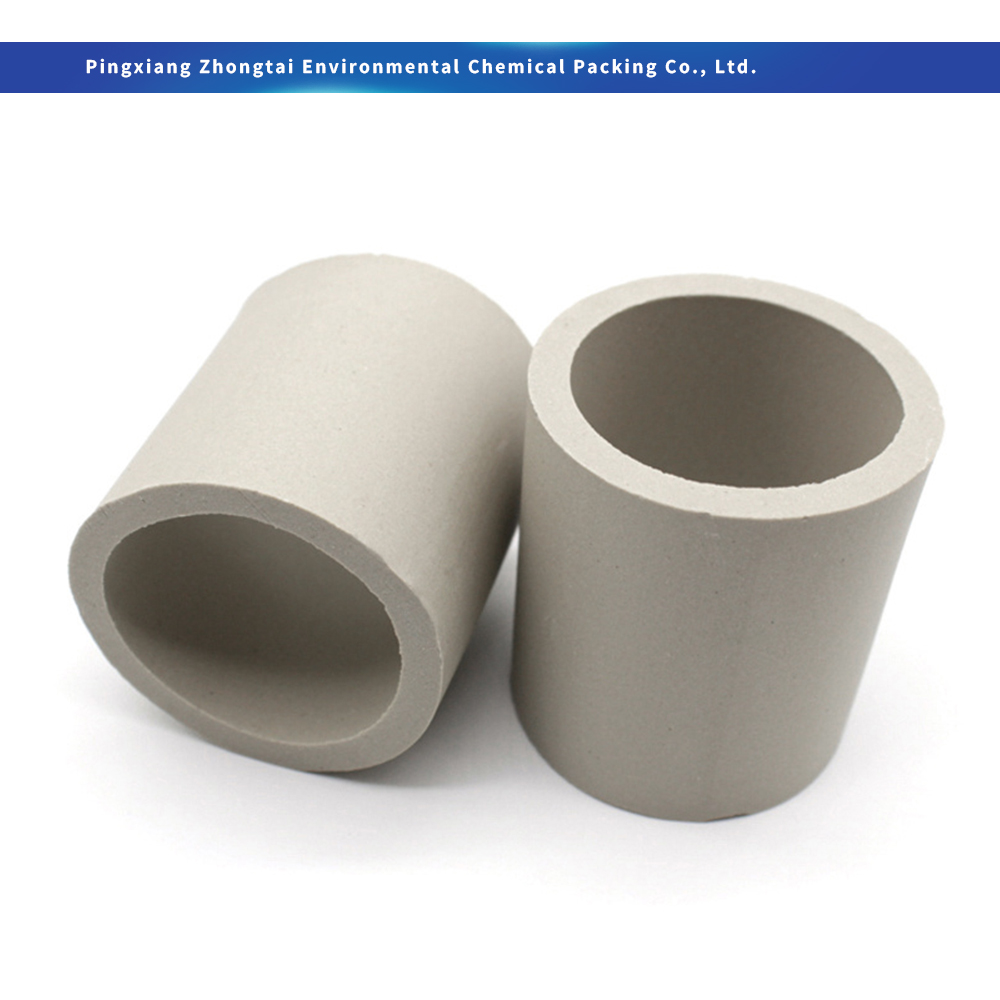
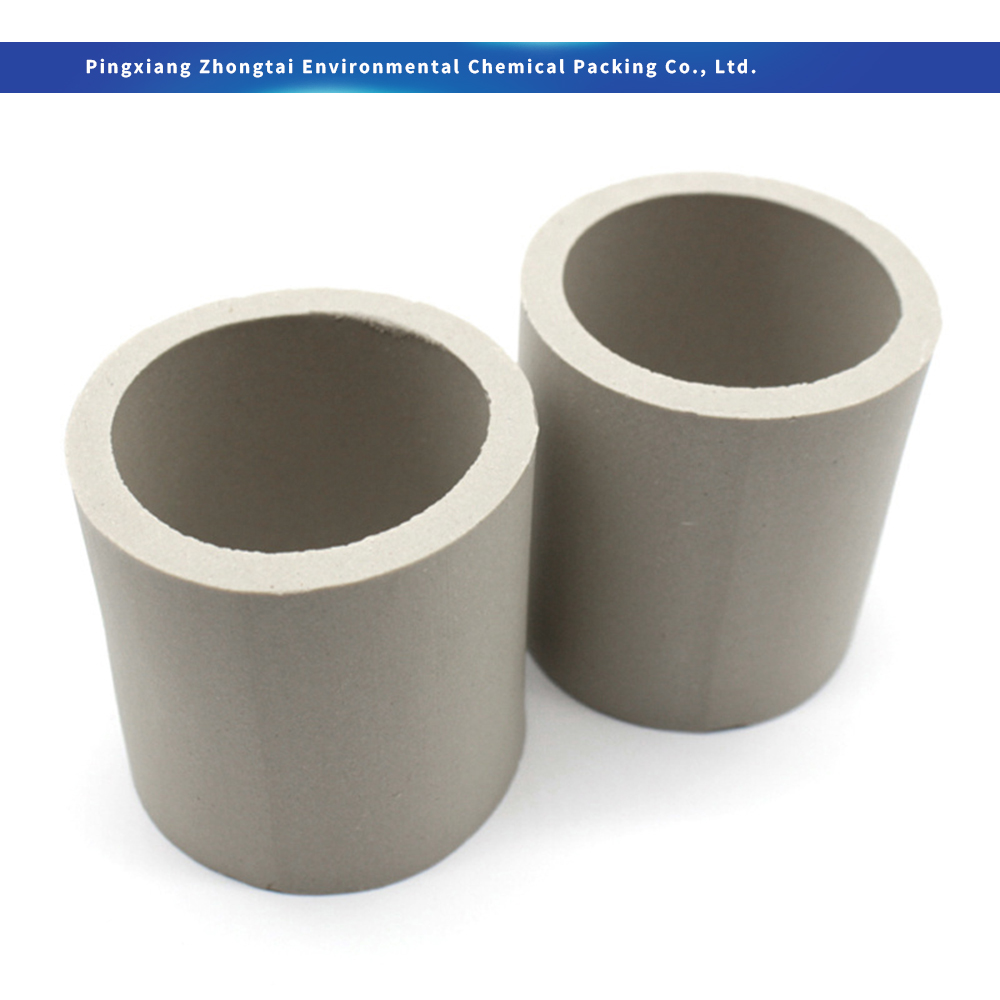
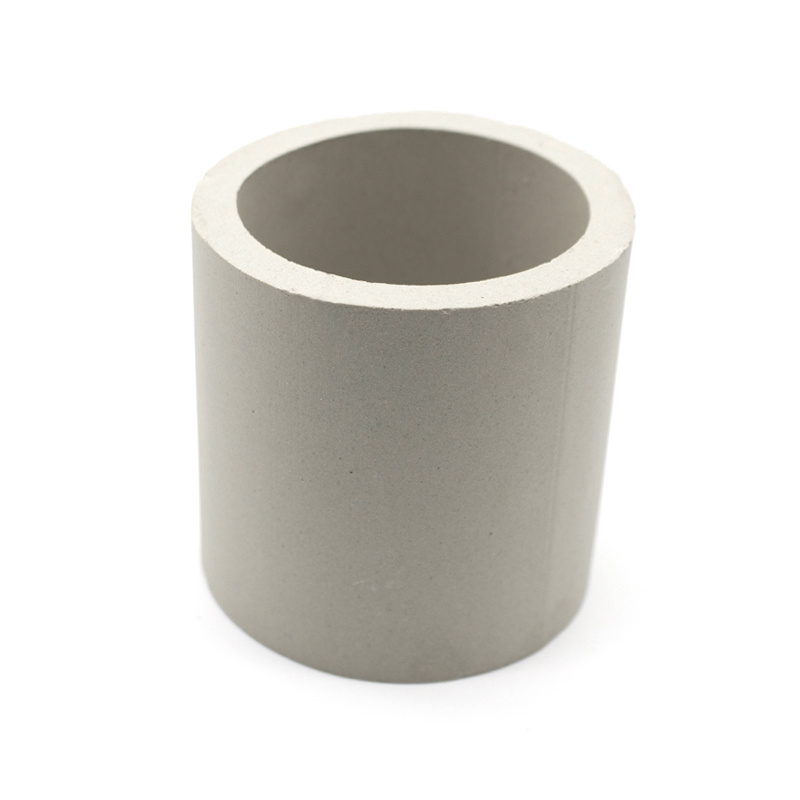
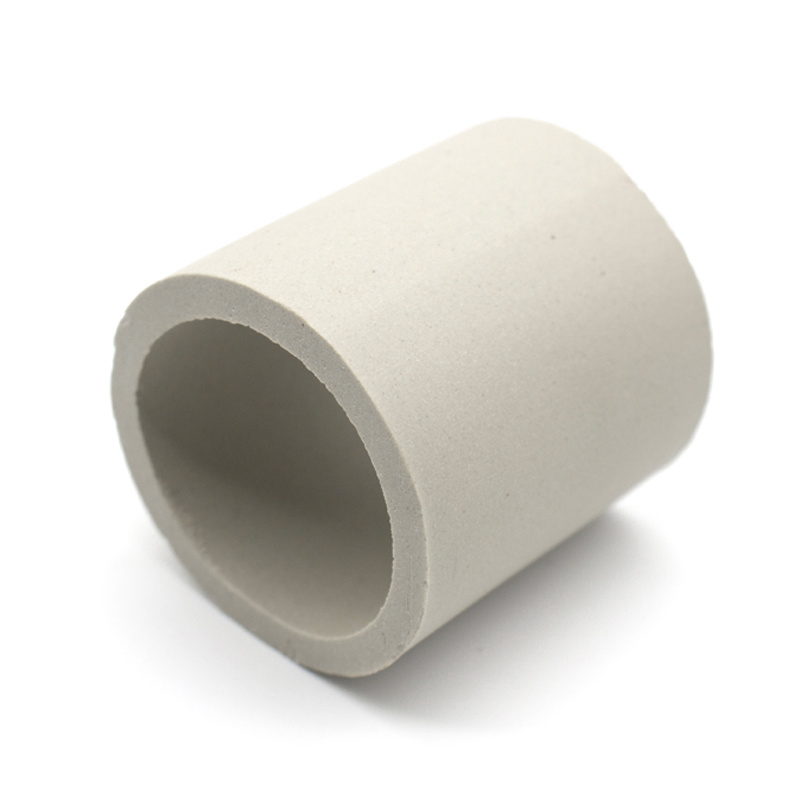
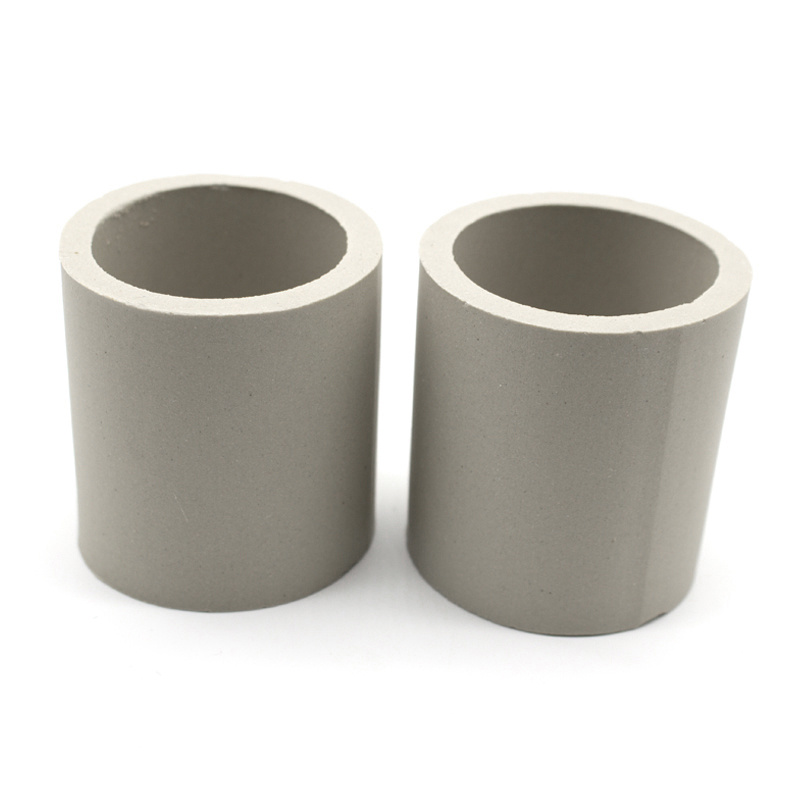
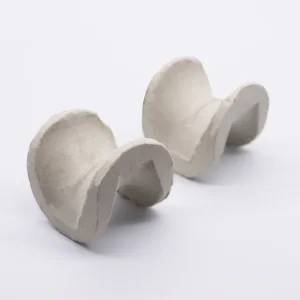
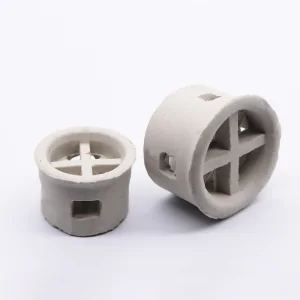
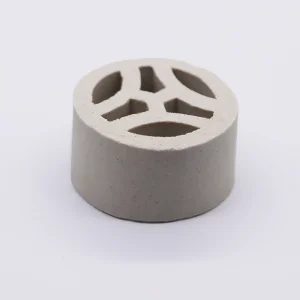
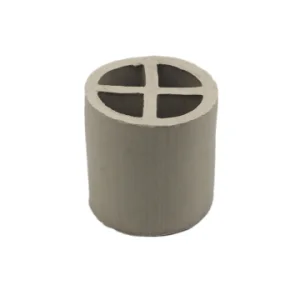
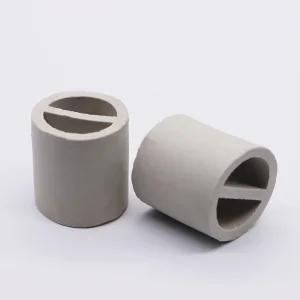
Ceramic Raschig Ring Product Description
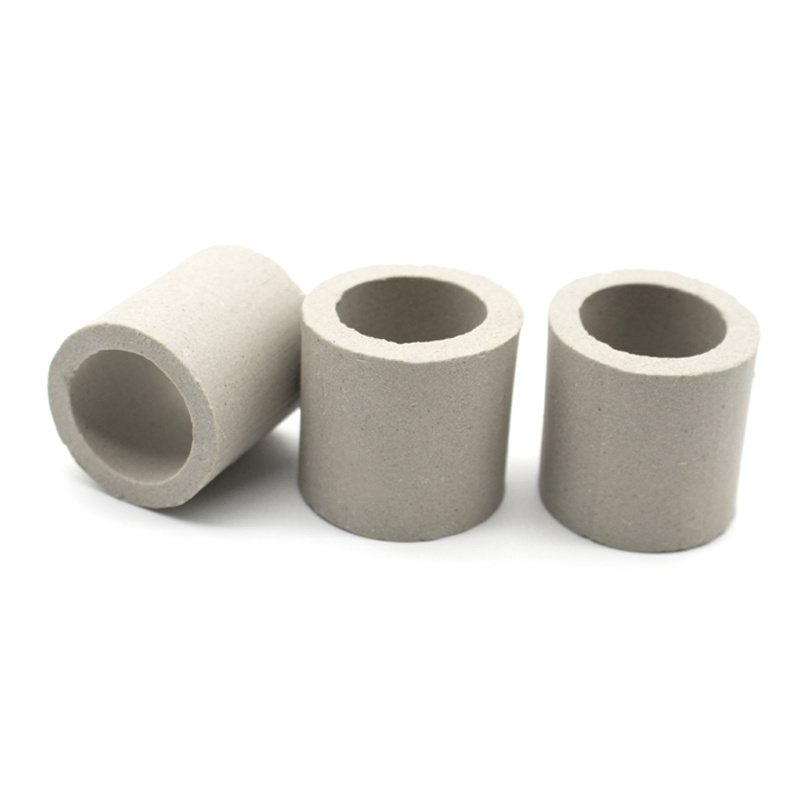
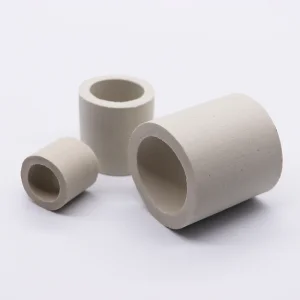
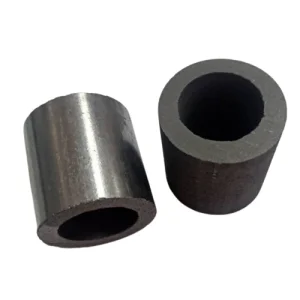
The Ceramic Raschig Ring is the oldest and most fundamental random packing in the history of chemical engineering, patented by Dr. Friedrich Raschig in 1914. As a simple hollow cylinder with equal height and diameter, its timeless design continues to serve as a cost-effective solution for mass transfer operations in demanding industrial environments.
Although modern designs like Pall rings offer higher efficiency, the Ceramic Raschig Ring remains widely used due to its extreme chemical inertness, exceptional thermal stability, and low cost. It is especially valued in highly corrosive or high-temperature applications where plastic and metal packings fail.
Frequently Asked Questions
What are the primary applications of Ceramic Raschig Rings?
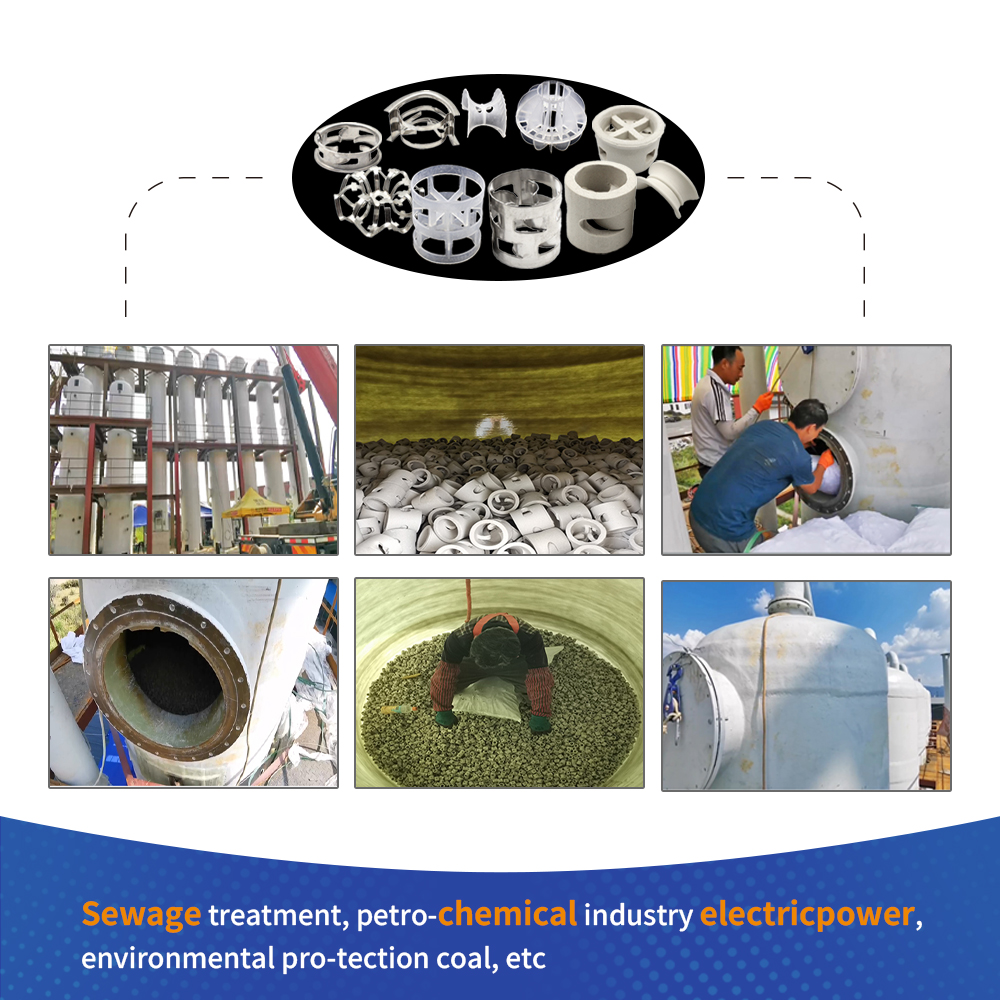
They are predominantly utilized in mass transfer applications requiring extreme corrosion and heat resistance, including drying towers, absorption towers, cooling towers, and scrubbing towers across chemical, metallurgical, and environmental industries.
What chemicals can Ceramic Raschig Rings withstand?
They are chemically inert and resistant to almost all organic and inorganic acids, alkalis, and solvents, except for hydrofluoric acid (HF), which reacts with silica-based ceramics.
What is the maximum operating temperature for these ceramic rings?
Ceramic Raschig Rings exhibit outstanding thermal stability and can function reliably at continuous temperatures exceeding 1200°C without structural deformation.
How does standard Ceramic Raschig Ring compare to modern Pall rings?
While Pall rings provide lower pressure drop and higher capacity, Ceramic Raschig Rings offer a simpler structure, significantly lower capital costs, and proven mechanical endurance in aggressive operating environments.
What manufacturing standard do these ceramic rings comply with?
All products are produced in strict compliance with the GB/T18749-2008 standard, guaranteeing regular dimensions, high compressive strength, and consistent bulk density.