An engineering analysis on synthetic zeolite chemistry, pore-size functional mechanics ("Fungsi"), PSA/VPSA gas separation protocols, and direct factory procurement optimization from Pingxiang Zhongtai.
Direct-from-factory solutions engineered for extreme thermal endurance, pressure swing adsorption, and rapid dynamic mass transfer.
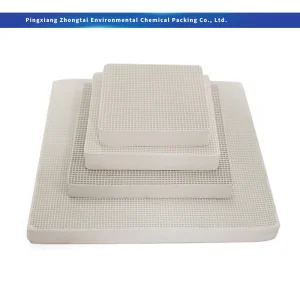
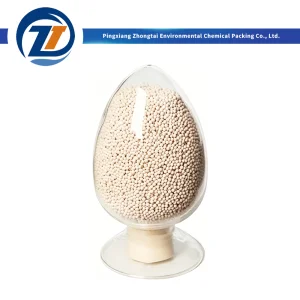
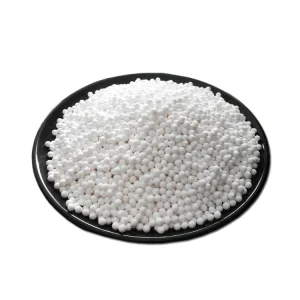
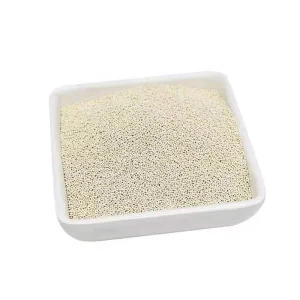
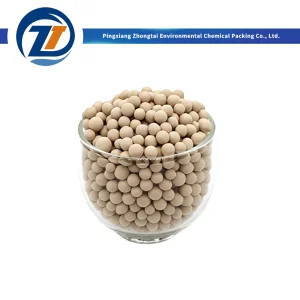
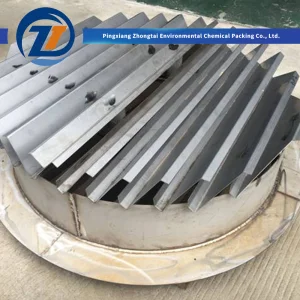
In global industrial chemistry and chemical engineering procurement, the query search term "fungsi molecular sieve" (referring to molecular sieve functionality, performance mechanisms, and operational parameters) bridges the critical gap between process specification and wholesale manufacturing sourcing.
Molecular sieves are crystalline alkali metal aluminosilicates possessing highly uniform microscopic pore structures. Unlike conventional desiccants such as silica gel or standard activated alumina, a molecular sieve’s function is strictly defined by its crystalline lattice geometry, cation composition, and kinetic pore diameter (ranging precisely from 3 Ångströms to 10 Ångströms).
For global EPC contractors, refinery operators, and industrial gas OEMs, acquiring accurate factory direct quotes requires an intricate technical understanding of how these crystalline adsorbents function under aggressive thermal swing adsorption (TSA) and pressure swing adsorption (PSA) regimes.
Understanding supply chain shifts, total cost of ownership (TCO), and direct factory sourcing dynamics in Pingxiang, China.
The global pivot toward Liquefied Natural Gas (LNG) and clean-burning fuels has expanded demand for high-capacity 4A and 5A molecular sieves. Pre-liquefaction units mandate water content below 0.1 ppmv to eliminate pipeline freezing in cryogenic heat exchangers.
Decentralized medical oxygen generation and industrial steelmaking demand lithium-exchanged and highly porous 13X-HP molecular sieves. Purchasing managers seek factories offering consistent N₂/O₂ selectivity and high crush resistance to endure rapid 10–30 second PSA cycling.
Global buyers are bypassing intermediary traders in favor of established Pingxiang chemical packing clusters. Direct factory quotes reduce procurement expenditures by 20-35% while granting custom binder formulation control and direct batch test verification.
Matching crystal geometry, cation exchange type, and dynamic absorption kinetics to process column requirements.
| Zeolite Type | Cation Type | Pore Window (Å) | Bulk Density (g/ml) | Crush Strength (N) | Primary Industrial Fungsi (Function) |
|---|---|---|---|---|---|
| Molecular Sieve 3A | Potassium (K+) | ~ 3 Å | 0.68 - 0.74 | ≥ 80 (Bead 3-5mm) | Cracked gas, ethylene, ethanol drying; eliminates olefin co-adsorption & coking. |
| Molecular Sieve 4A | Sodium (Na+) | ~ 4 Å | 0.65 - 0.72 | ≥ 85 (Bead 3-5mm) | Natural gas dehydration, closed-loop air systems, refrigerant drying. |
| Molecular Sieve 5A | Calcium (Ca2+) | ~ 5 Å | 0.67 - 0.73 | ≥ 90 (Bead 3-5mm) | Iso-paraffin & normal-paraffin separation, H₂S/CO₂ removal from natural gas, PSA H₂ purification. |
| Molecular Sieve 13X | Sodium (Na+ Type X) | ~ 10 Å | 0.62 - 0.68 | ≥ 75 (Bead 3-5mm) | ASU cryogenic front-end purification (H₂O + CO₂ removal), mercaptan removal from hydrocarbons. |
| 13X-HP / Li-X | Lithium / Sodium X | ~ 9-10 Å | 0.60 - 0.65 | ≥ 70 (Bead 1.6-2.5mm) | PSA & VPSA industrial oxygen concentrators, high N₂ uptake capacity with low power draw. |
The underlying principle of the molecular sieve "fungsi" lies in its strict dimensional selectivity. Water molecules possess a kinetic diameter of 2.65 Å, allowing them to enter 3A, 4A, 5A, and 13X pores unhindered. Conversely, Methane (3.8 Å), Ethane (4.4 Å), and Benzene (5.85 Å) are rejected by smaller pore matrices.
Selecting an oversized pore window leads to competitive adsorption, where hydrocarbon co-adsorption reduces dynamic water capacity and causes severe thermal runaways during high-temperature bed regeneration cycles.
Optimizing bed performance requires precise calculation of the Mass Transfer Zone (MTZ). Pingxiang Zhongtai manufactures high-sphericity beads (spherical tolerance > 95%) to establish uniform voidage (typically 0.35–0.40).
Uniform packing minimizes gas channeling, eliminates local pressure drop spikes, and sharpens the breakthrough curve—allowing process engineers to utilize up to 90% of the theoretical equilibrium adsorption bed capacity.
Field-proven operational blueprints across petroleum refining, cryogenic air separation, environmental remediation, and synthesis gas processing.
In natural gas processing plants, raw feed gas saturated with water vapor causes severe corrosion and ice formation during NGL recovery or LNG liquefaction. Pingxiang Zhongtai’s high-density 4A molecular sieve beds operate in dual- or triple-tower TSA configurations, reducing moisture levels down to < 0.1 ppmv while maintaining structural integrity across thousands of high-temperature (230°C–280°C) thermal regeneration cycles.
Cryogenic distillation of air into pure N₂, O₂, and Argon demands absolute removal of atmospheric CO₂ and moisture to prevent cryogenic heat exchanger blockage. Installing 13X Molecular Sieve in the prepurifier unit ensures simultaneous co-adsorption of H₂O, CO₂, and trace hydrocarbons (acetylene), safeguarding downstream distillation columns against explosive risks.
Utilizing specialized 13X-HP molecular sieves, Pressure Swing Adsorption systems selectively adsorb Nitrogen molecules due to the strong quadrupole interaction between N₂ and exchangeable cations, allowing pure Oxygen (93%–95% concentration) to pass through. Our optimized pore distribution maximizes N₂ working capacity, reducing energy consumption per normal cubic meter of O₂ generated.
Drying cracked gas, ethylene, propylene, and industrial ethanol requires a strict 3Å pore size. If larger pore adsorbents are deployed, olefins enter the inner crystal structure and polymerize under elevated temperatures, leading to green oil formation, severe pressure drop, and premature catalyst bed fouling. Zhongtai 3A sieves strictly exclude all molecules larger than 3Å.
Based in Pingxiang, Jiangxi Province—China’s premier cluster for environmental chemical packing and industrial ceramics—Pingxiang Zhongtai Environmental Chemical Packing Co., Ltd. operates state-of-the-art computer-controlled tunnel kilns and automated extrusion lines.
Every batch of molecular sieve undergoes stringent laboratory verification prior to dispatch. We issue comprehensive Certificates of Analysis (COA) matching international standards (ASTM, ISO), providing enterprise purchasers complete peace of mind.
Molecular sieves are extremely hygroscopic. Contact with ambient air during transit leads to premature saturation. Pingxiang Zhongtai enforces heavy-duty export packaging standards:
Next-generation molecular sieve adsorbents designed for decarbonization, hydrogen economy, and ultra-low energy regeneration.
Traditional molecular sieves contain 15–20% inert clay binder, which adds mass without contributing to adsorption capacity. Zhongtai’s active R&D pipeline focuses on binderless zeolite conversion, raising active adsorption capacity by 15–20% while significantly reducing vessel footprint.
Addressing global net-zero mandates, specialized amine-functionalized and high-silica faujasite zeolites are being engineered to selectively capture CO₂ from low-concentration flue gas streams and direct ambient air under low humidity conditions.
Combining empirical field data from global process plants with machine learning simulation tools to provide customers with predictive bed sizing, precise breakthrough time calculation, and optimized thermal regeneration energy profiles.
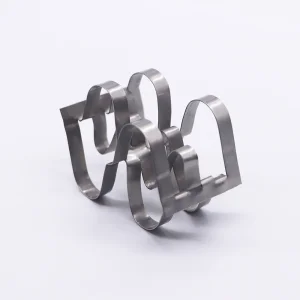
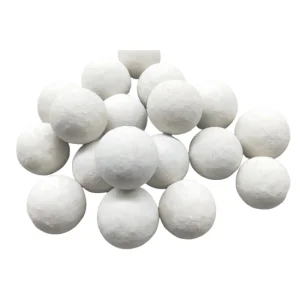
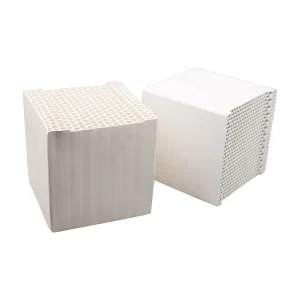
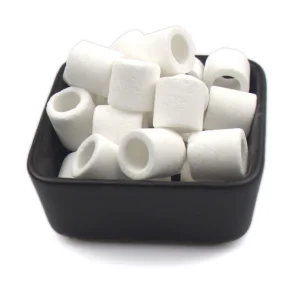
High-durability tower packings, thermal storage media, and ceramic filter systems for heavy industry.
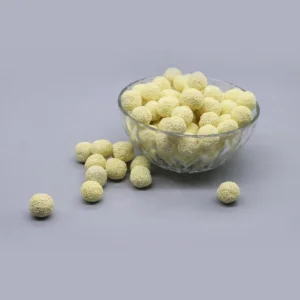
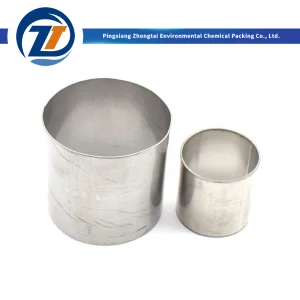
Expert answers on molecular sieve selection, regeneration temperatures, shelf life, and wholesale pricing structures.
Connect with Pingxiang Zhongtai Environmental Chemical Packing Co., Ltd. for technical data sheets (TDS), safety data sheets (MSDS), factory inspection visits, and direct B2B wholesale quotes.