China High Performance 4A Molecular Sieve Zeolite Adsorbent for Natural Gas Dehydration Supplier, Quotes
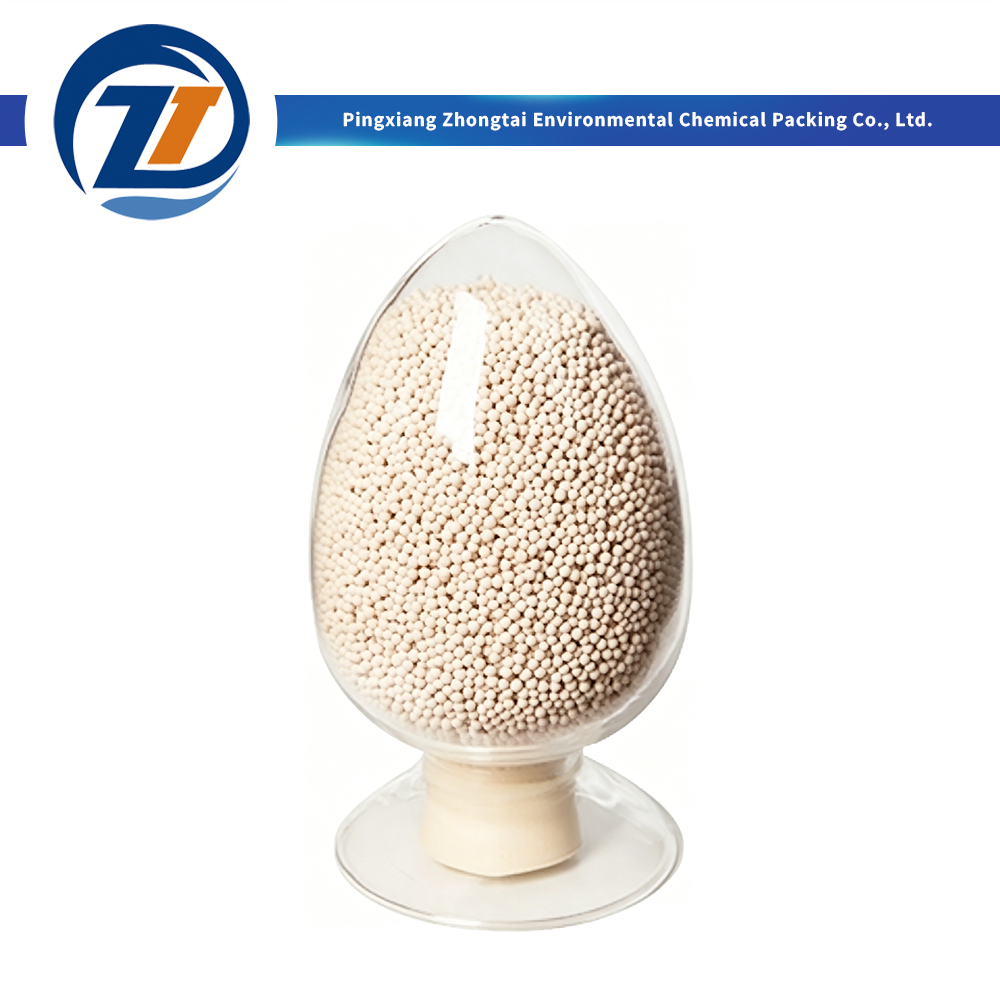
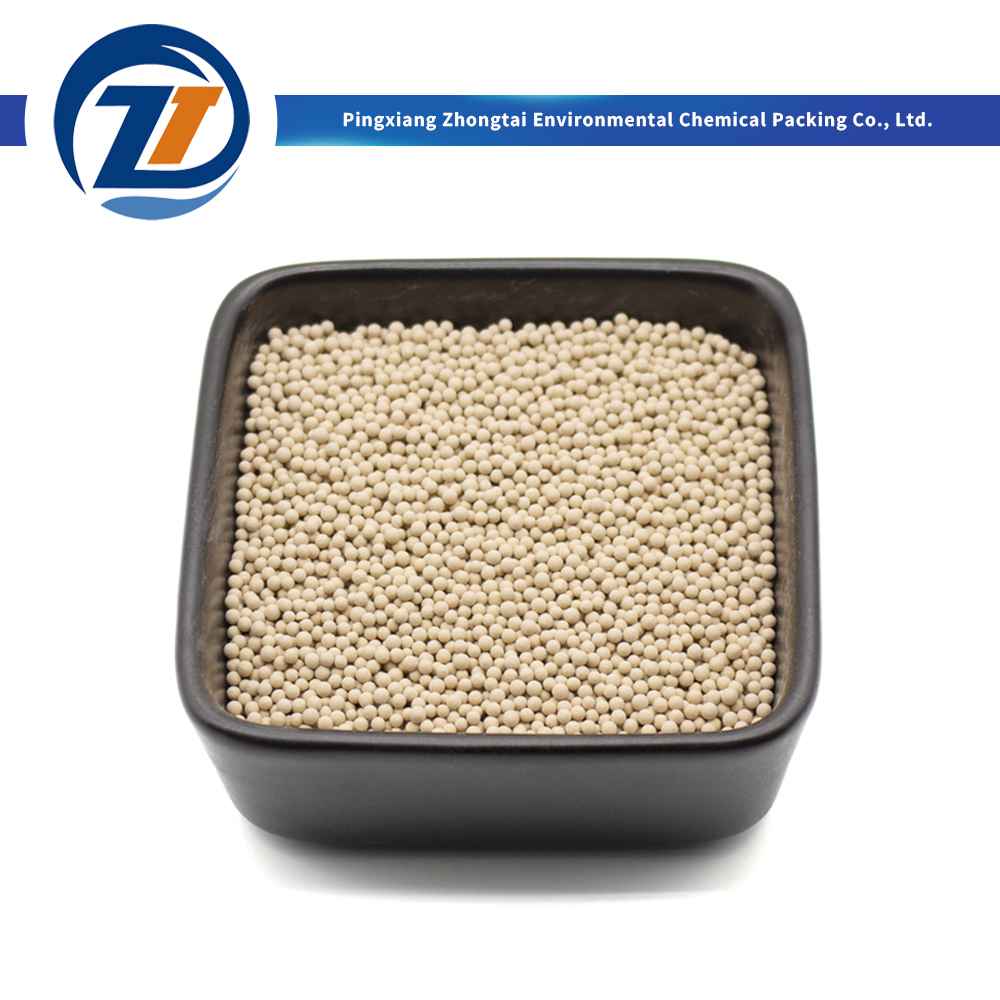
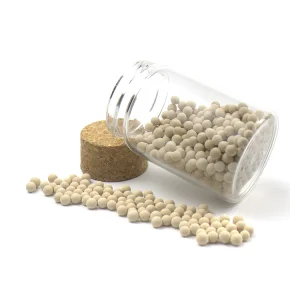
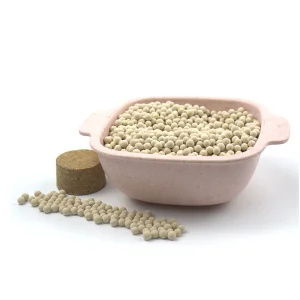
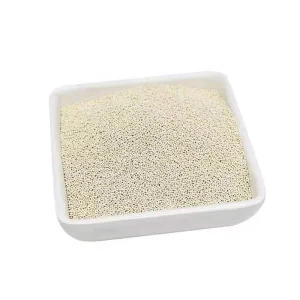
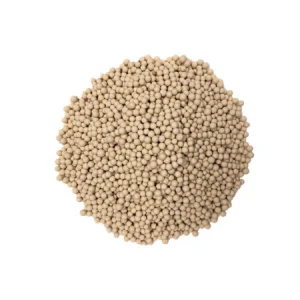
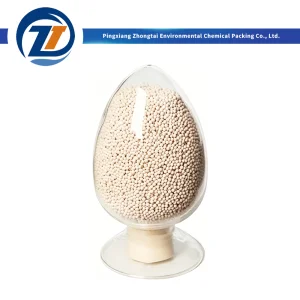
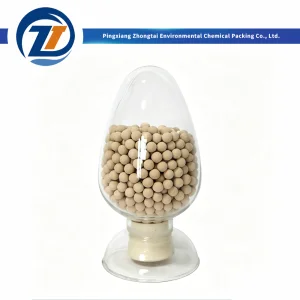
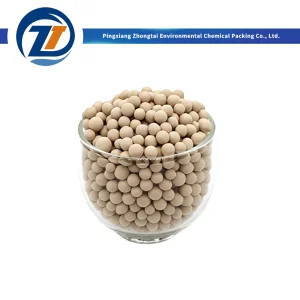
Our 4A Molecular Sieve (Sodium A Zeolite) features a 4-angstrom pore size, widely used as an excellent universal desiccant. It delivers exceptional water adsorption capacity, high physical strength, and reliable thermal stability, making it the perfect choice for the deep dehydration of air, natural gas, refrigerants, and industrial gases.
The 4A Molecular Sieve is a synthetic alkali metal aluminosilicate, specifically the sodium form of the Type A crystal structure. With an effective pore opening of 4 angstroms (0.4 nm), it adsorbs molecules with a kinetic diameter of less than 0.4 nm, including water, ethanol, hydrogen sulfide, and carbon dioxide, while excluding larger molecules. It is widely recognized as one of the most reliable and versatile desiccants for various industrial dehydration and purification processes.
Product Highlights
Outstanding Adsorption Capacity: Delivers exceptional static and dynamic water adsorption rates even under conditions of extremely low humidity, ensuring deep dehydration.
Superior Mechanical Strength: Advanced extrusion and sintering processes provide tremendous crushing strength, preventing bed collapse and powdering under high-pressure gas flow.
Low Attrition & Dust Generation: The perfectly spheroidized, dense surface minimizes dusting and particle wear, safely protecting valves, filters, and downstream equipment from blockages.
Deep Dehydration Performance: Effectively removes moisture to a dew point of below -70°C, meeting the stringent purity requirements of the petrochemical and electronics industries.
Long Cyclic Lifespan: Features excellent thermal and hydrothermal stability, allowing for repeated regeneration cycles at high temperatures without losing adsorption efficiency.
Typical Applications
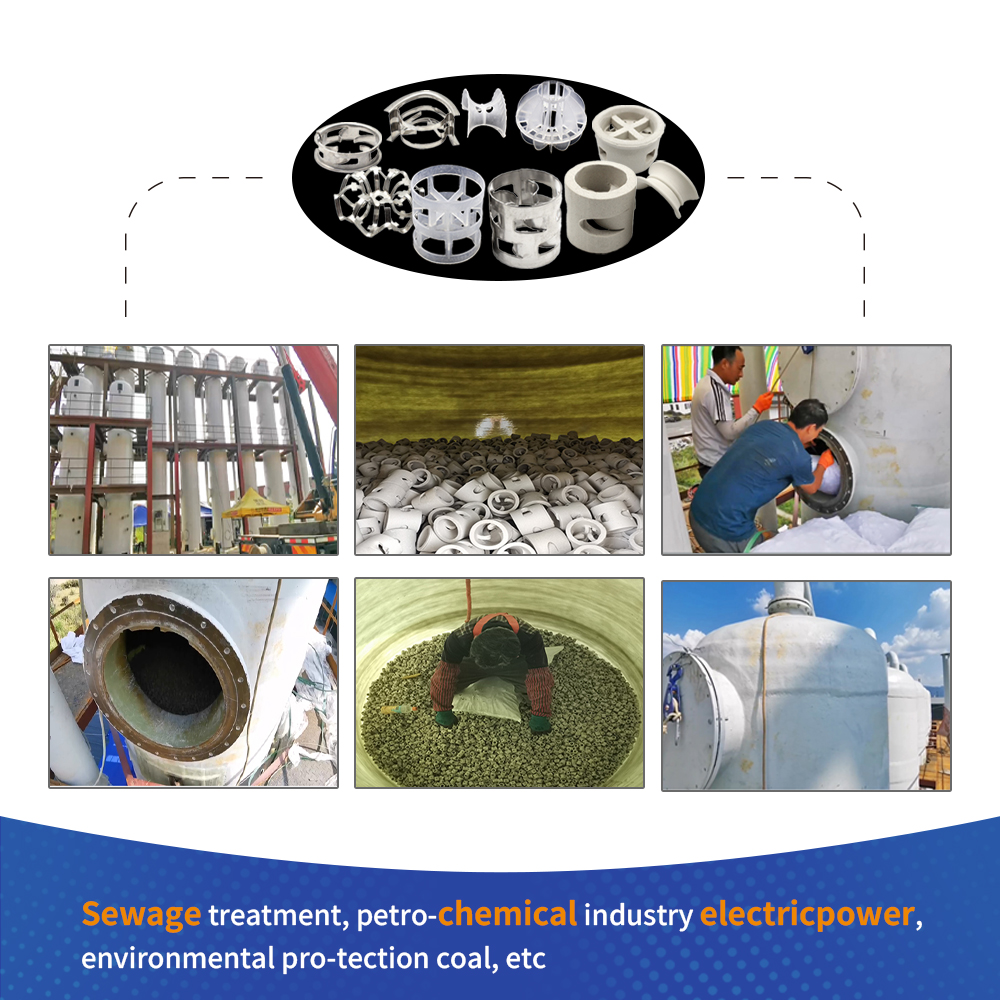
Deep dehydration of air, natural gas, alkane gases, and various industrial gases. Drying and purification of refrigerants, automotive air brake systems, and electronic packaging. Removal of carbon dioxide, ammonia, and moisture from closed liquid and polymer systems, including paints and polyurethanes.
Size & Shape
Static Water Adsorption (%)
Bulk Density (g/ml)
Crushing Strength (N/pc)
Attrition Rate (%)
Package Moisture (%)
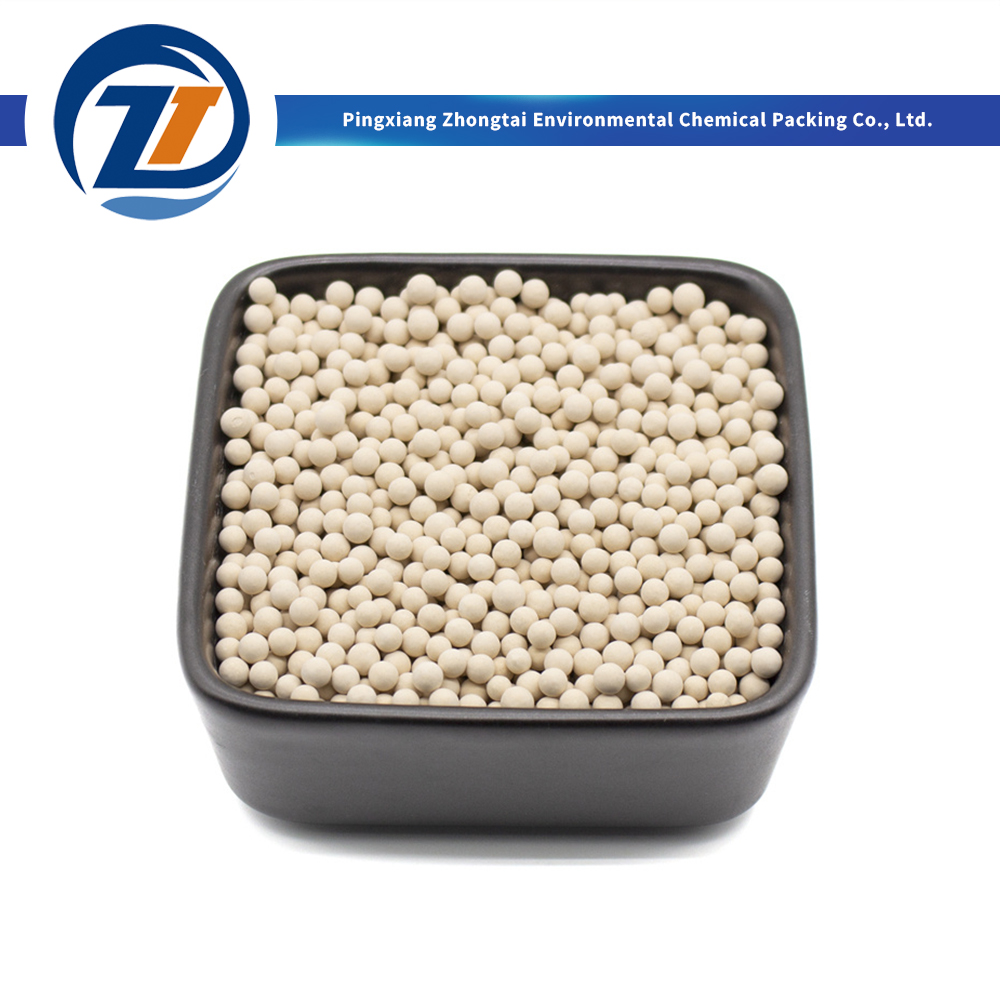
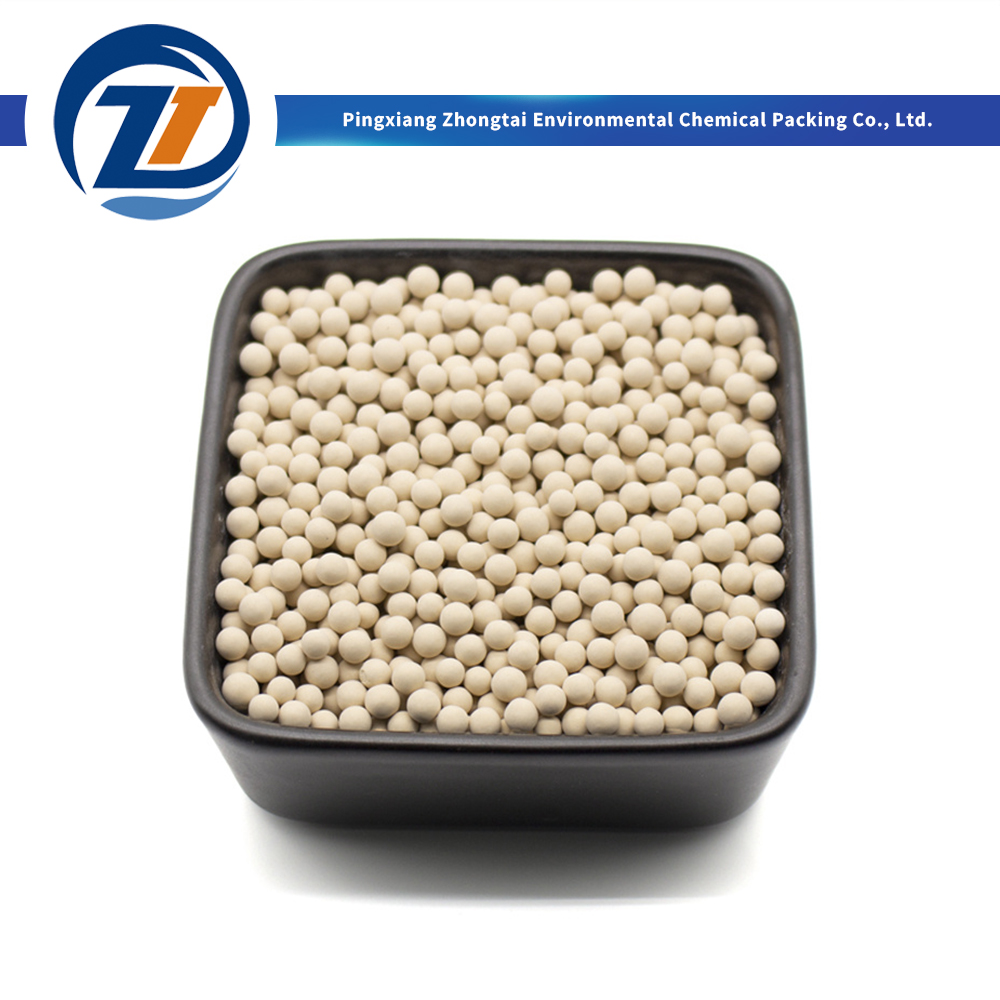
1.5 - 2.5mm (Sphere)
>= 21.0
>= 0.70
>= 40.0
<= 0.10
<= 1.5
3.0 - 5.0mm (Sphere)
>= 21.0
>= 0.68
>= 80.0
<= 0.10
<= 1.5
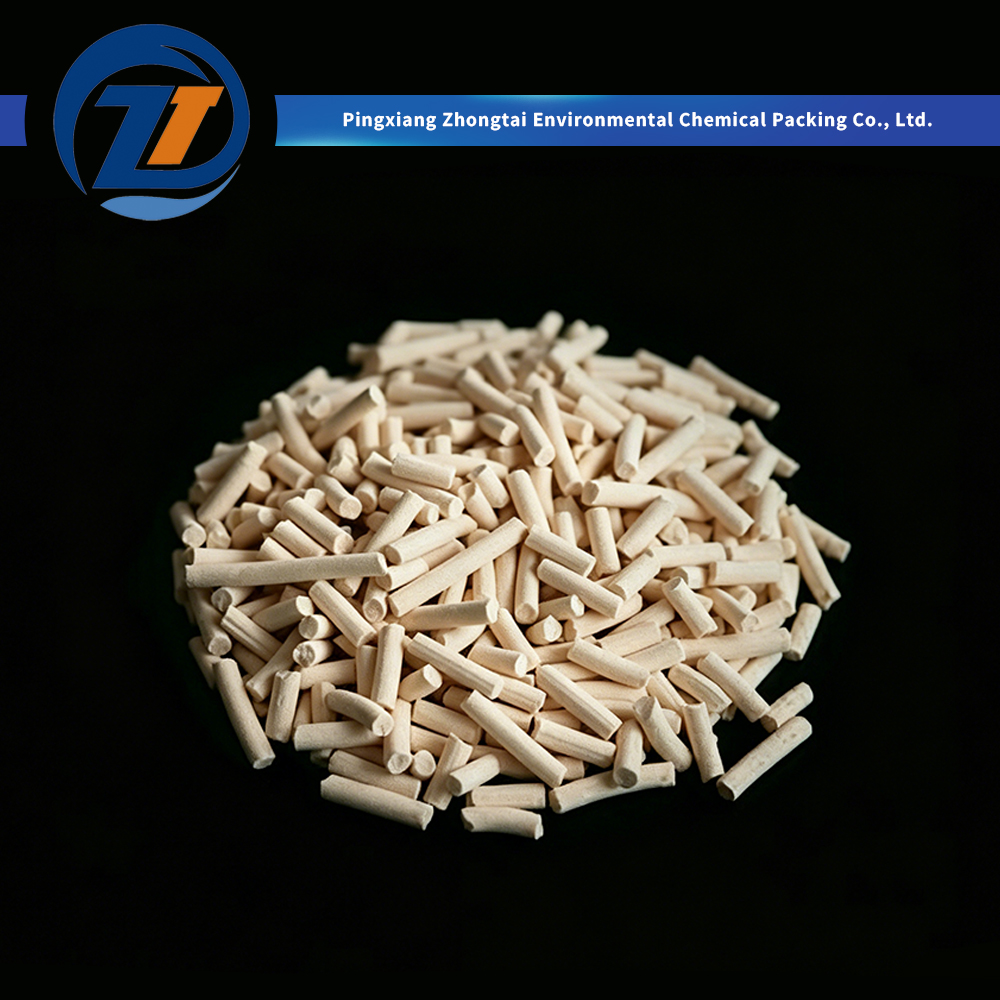
1.6mm / 1/16" (Pellet)
>= 21.0
>= 0.65
>= 40.0
<= 0.20
<= 1.5
3.2mm / 1/8" (Pellet)
>= 21.0
>= 0.65
>= 60.0
<= 0.20
<= 1.5
Frequently Asked Questions (FAQ)
Q What is the pore size of 4A molecular sieve, and what molecules can it adsorb?
The effective pore size is 4 angstroms (0.4 nm). It can adsorb critical small molecules including water, ethanol, carbon dioxide, and hydrogen sulfide, while rejecting larger hydrocarbons and branched-chain molecules.
Q How can 4A molecular sieve be regenerated for repeated use?
Regeneration is usually accomplished by thermal swing adsorption (TSA) at temperatures between 200°C and 315°C with a purge gas, or through pressure swing adsorption (PSA) cycles depending on system requirements.
Q What is the expected dew point performance achievable with 4A molecular sieve?
In industrial gas dehydration systems, properly sized 4A molecular sieve beds can reliably achieve moisture removal down to a dew point below -70°C.
Q Which shape should I choose: spheres or pellets?
Spheres offer lower attrition rates, smooth packing, and balanced pressure drop, making them ideal for dynamic adsorption towers. Pellets provide higher flow pathways and are commonly chosen for low-pressure drop gas pipelines.
Q What are the recommended storage conditions before use?
It should be stored in original sealed, airtight packaging in a dry, well-ventilated indoor location to avoid pre-adsorption of atmospheric moisture and volatile chemical vapors.