1 / 5
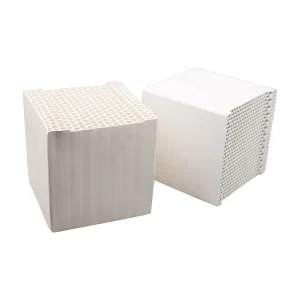
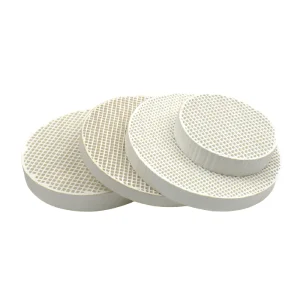
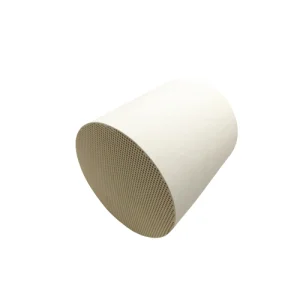
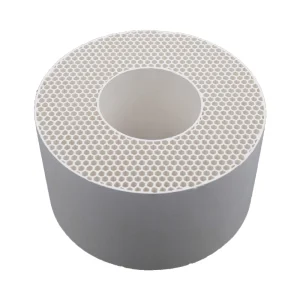
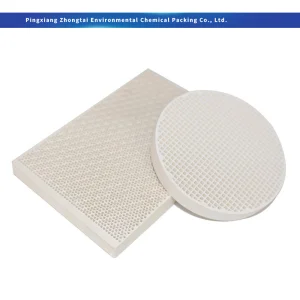
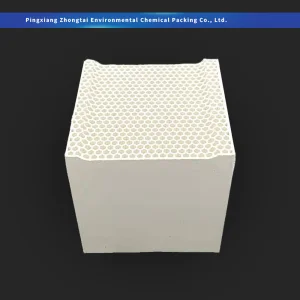
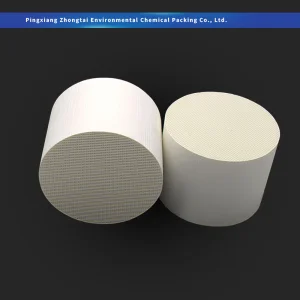
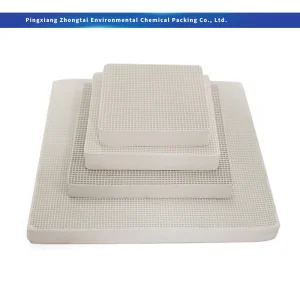
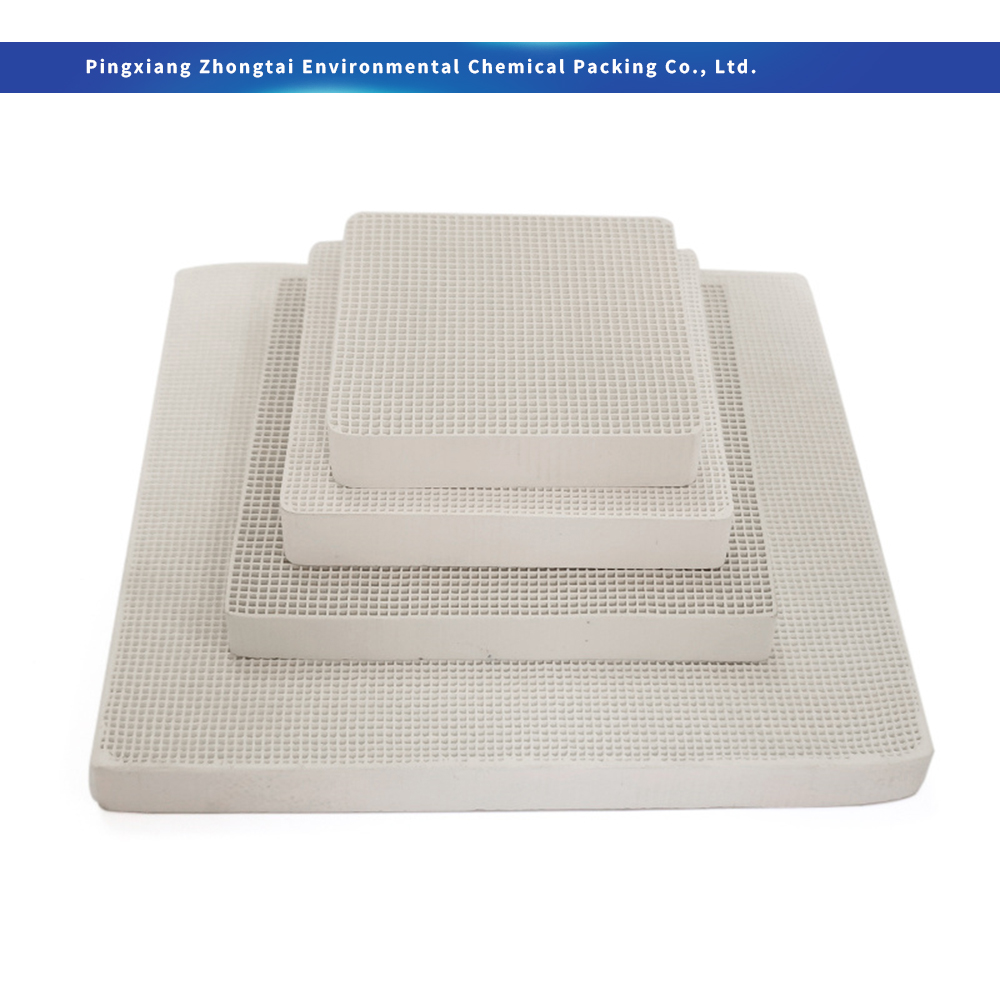
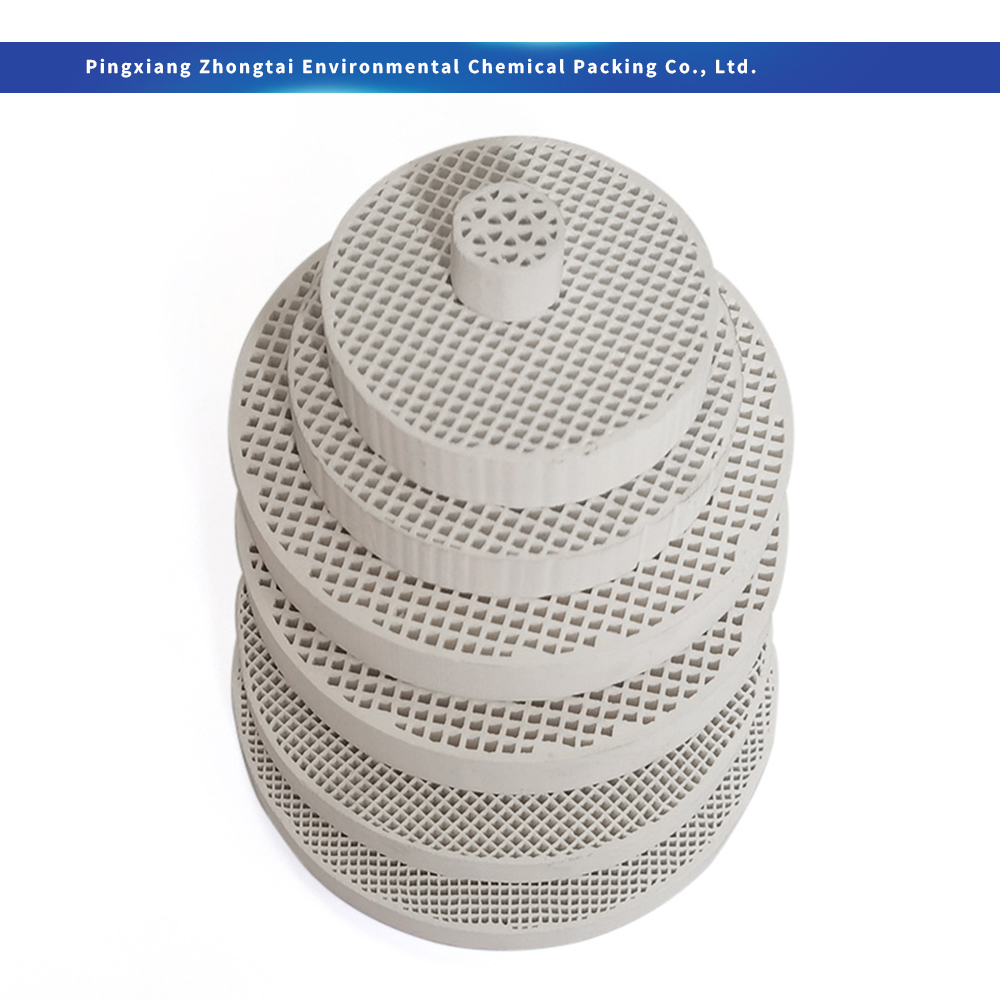
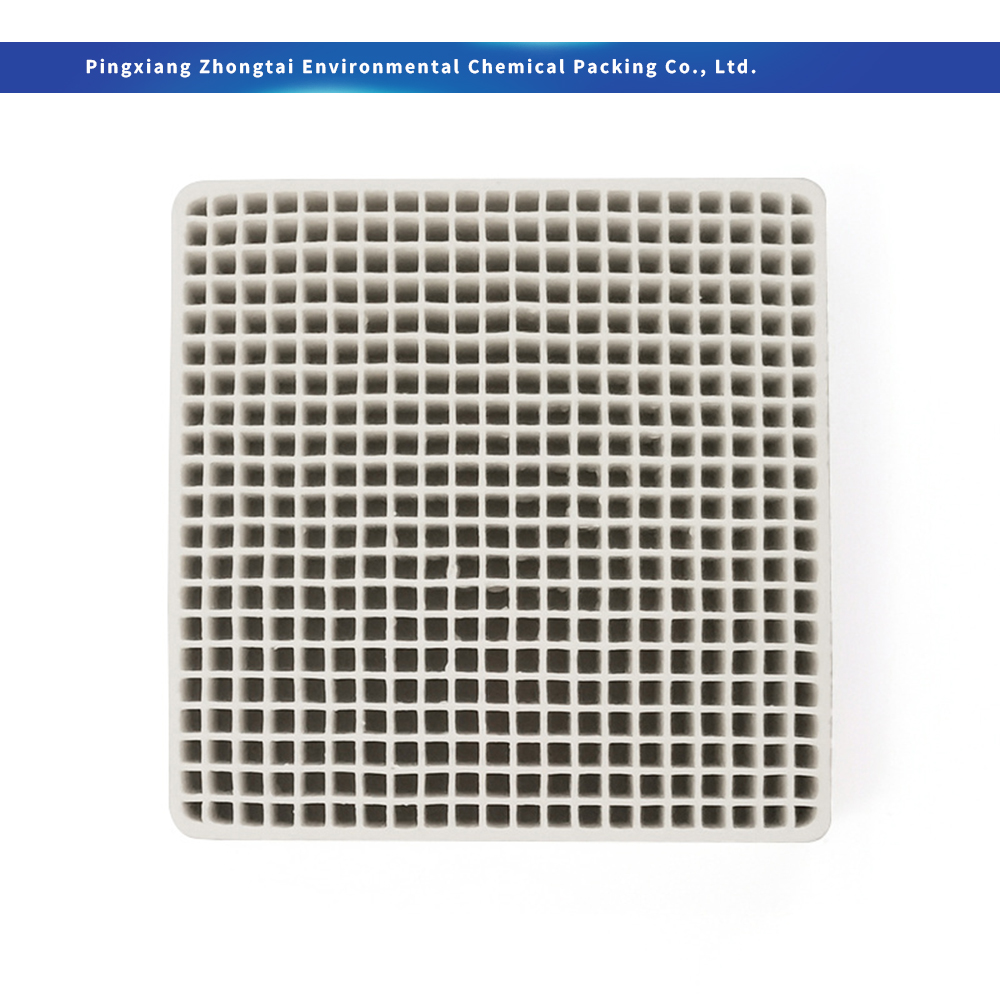
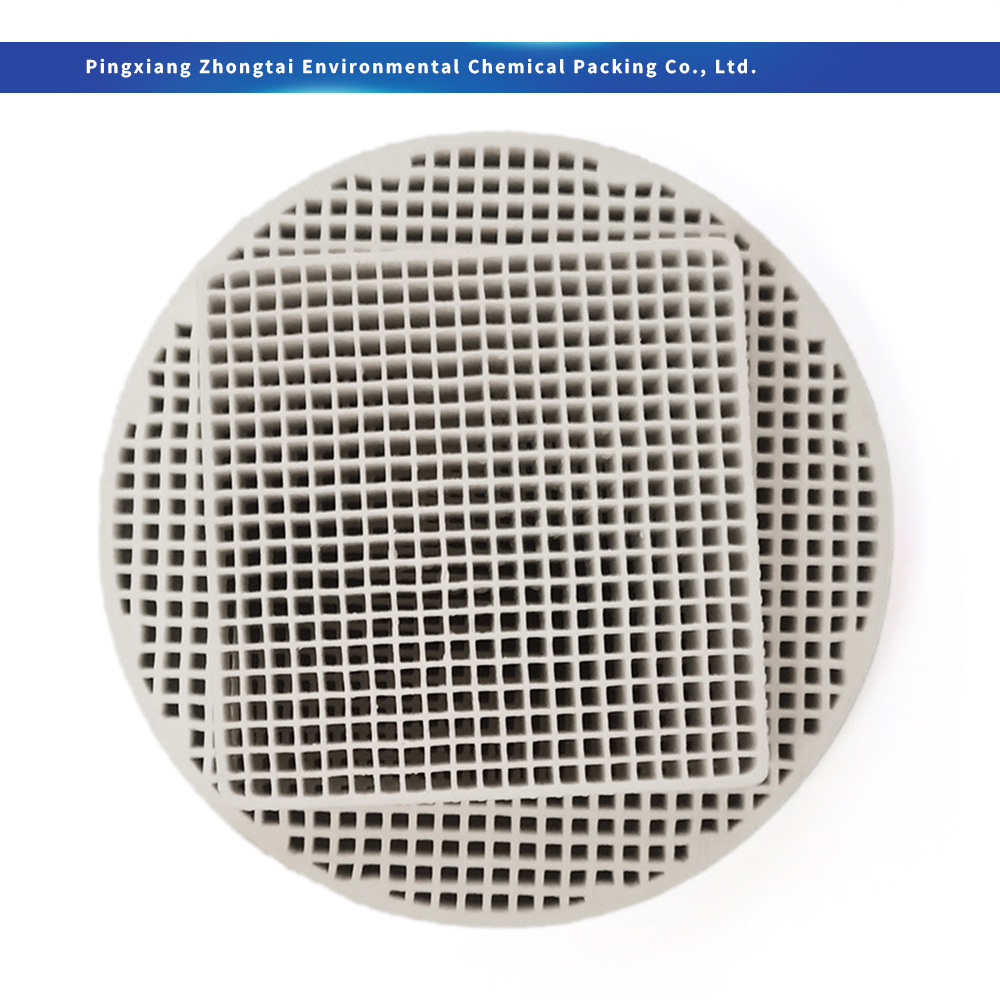
Honeycomb Ceramic Plate, also widely known as Ceramic Honeycomb Monolith or Honeycomb Ceramic Substrate, is a high-performance structured ceramic product engineered with countless parallel channels forming a uniform honeycomb structure. Manufactured from cordierite, mullite, alumina, or silicon carbide through precision extrusion and high-temperature sintering, this product delivers exceptionally high geometric surface area, low-pressure drop, and superior thermal stability. It is the preferred solution for heat storage media in RTO/RCO systems, catalyst support substrates in automotive and industrial emission control, and structured packing in chemical absorption and filtration processes.




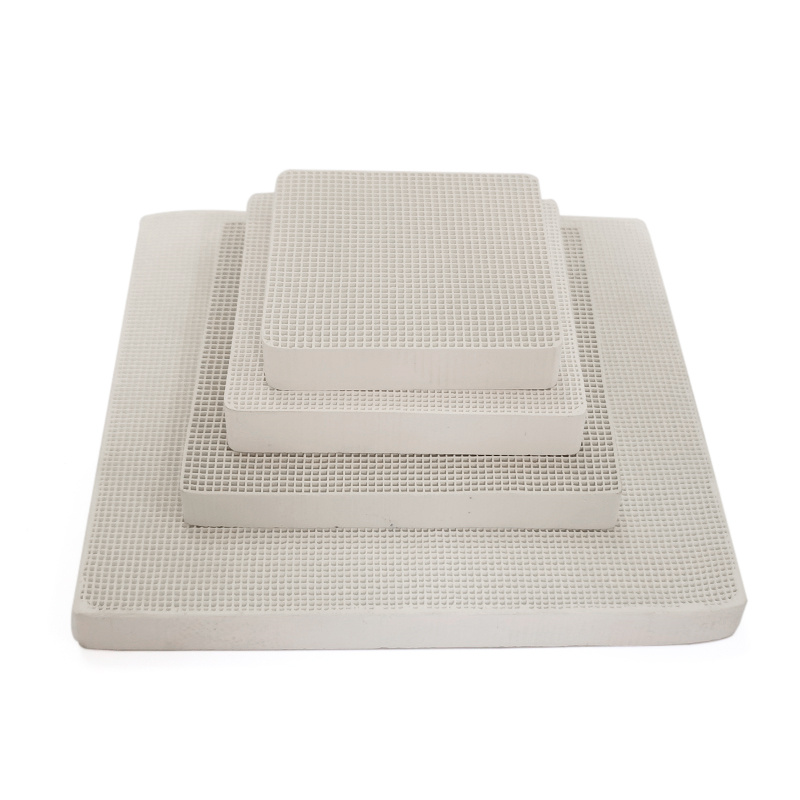
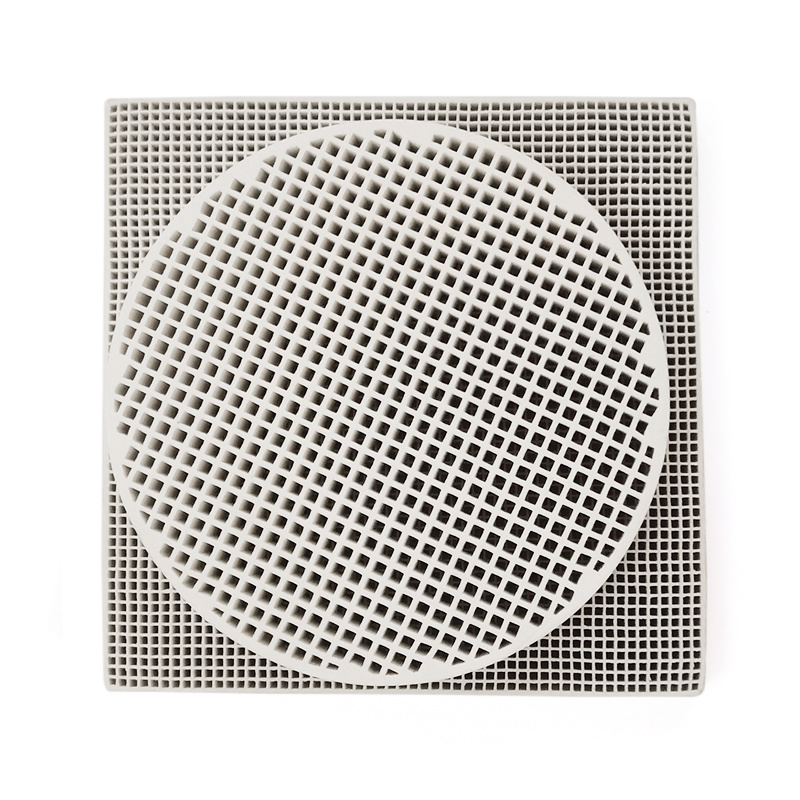
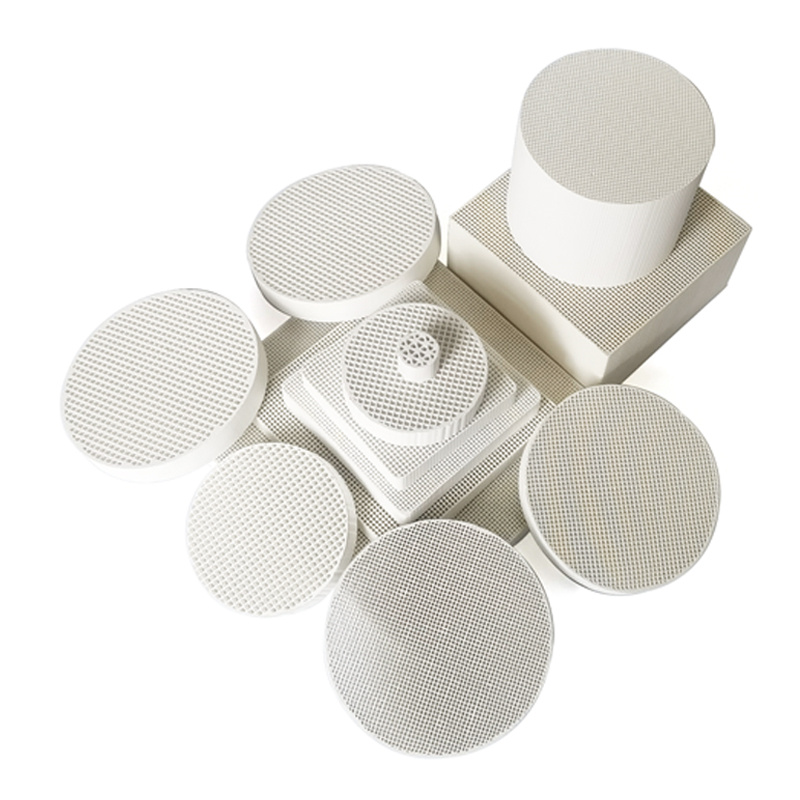
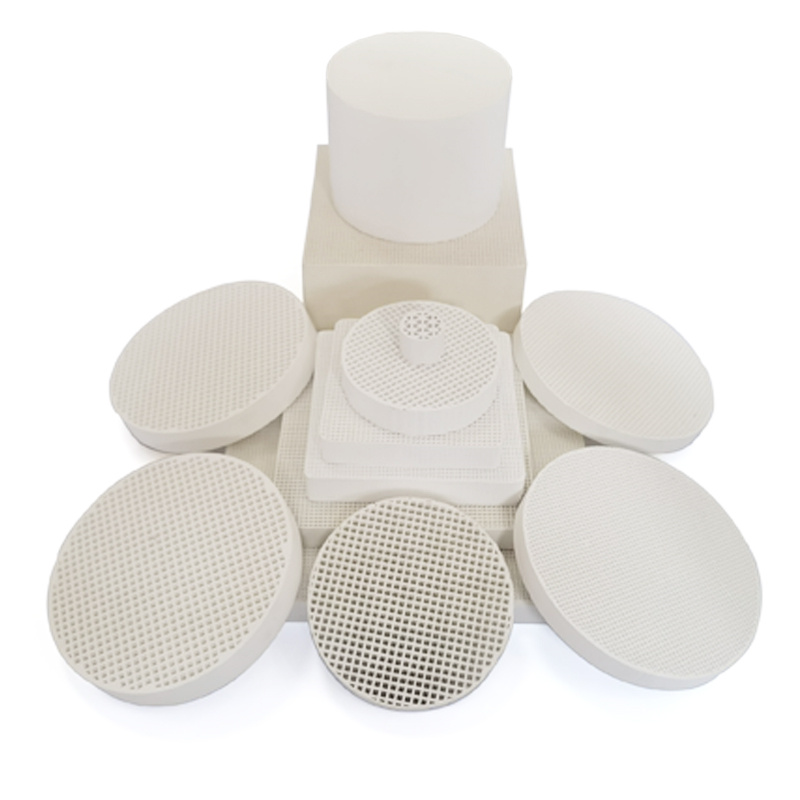
The precisely engineered cellular structure provides geometric surface areas from 430 to over 800 m²/m³, significantly outperforming random packings in mass transfer efficiency and ensuring uniform gas-liquid distribution.
The straight, unobstructed parallel channels allow gas and liquid to flow with minimal resistance, reducing energy consumption and operating costs compared to traditional random packings.
Cordierite-based honeycomb ceramics withstand rapid temperature cycling with impact thermal resistance ≥300–350°C, ensuring structural integrity in demanding RTO and RCO applications.
Available in cordierite (low thermal expansion), mullite (high refractoriness), alumina (high purity and chemical stability), and silicon carbide (exceptional thermal conductivity), enabling optimal material selection for each specific application.
Withstands continuous operating temperatures from 1180°C (cordierite) up to 1550°C (mullite), making it ideal for high-temperature industrial environments including regenerative thermal oxidizers, catalytic converters, and metallurgical processes.
Excellent resistance to acids, alkalis, and organic solvents, ensuring long service life in aggressive chemical processing environments.
| Model | Cell Density | Specific Surface Area (m²/m³) | Bulk Density (kg/m³) | Material Density (g/cm³) | Expansion Coefficient (×10⁻⁶/K) | Max Operating Temp (°C) |
|---|---|---|---|---|---|---|
| LCH-200 | 200 | 690 | 980 | 2.2–2.5 | 4.5–6.5 | ≤1180 |
| LCH-180 | 180 | 620 | 950 | 2.2–2.5 | 4.5–6.5 | ≤1180 |
| LCH-160 | 160 | 550 | 850 | 2.2–2.5 | 4.5–6.5 | ≤1180 |
| LCH-125 | 125 | 430 | 800 | 2.2–2.5 | 4.5–6.5 | ≤1180 |
| LCH-S | 125-I | 800 | 1000 | 2.2–2.5 | 4.5–6.5 | ≤1180 |
| Material | Density (g/cm³) | Max Operating Temp (°C) | Thermal Expansion (×10⁻⁷/K) | Specific Heat (J/kg·K) | Thermal Conductivity (W/m·K) | Impact Thermal Resistance (°C) |
|---|---|---|---|---|---|---|
| Cordierite | 1.5–1.9 | 1320 | ≤3.0 | 900–1100 | 1.2–1.8 | ≥350 |
| Mullite | 2.0–2.5 | 1450 | ≤5.0 | 1000–1150 | 1.5–2.0 | ≥350 |
| Alumina | 2.0–2.3 | 1350 | ≤5.0 | 900–1150 | 1.5–2.0 | ≥300 |
| Corundum-Mullite | 2.3–2.7 | 1550 | ≤6.0 | 1100–1300 | 1.5–2.5 | ≥300 |
| Dense Alumina | 2.4–2.7 | 1350 | ≤5.0 | 1000–1150 | 1.8–2.3 | ≥300 |
| Dense Cordierite | 2.1–2.5 | 1320 | ≤3.5 | 900–1100 | 1.5–2.3 | ≥350 |
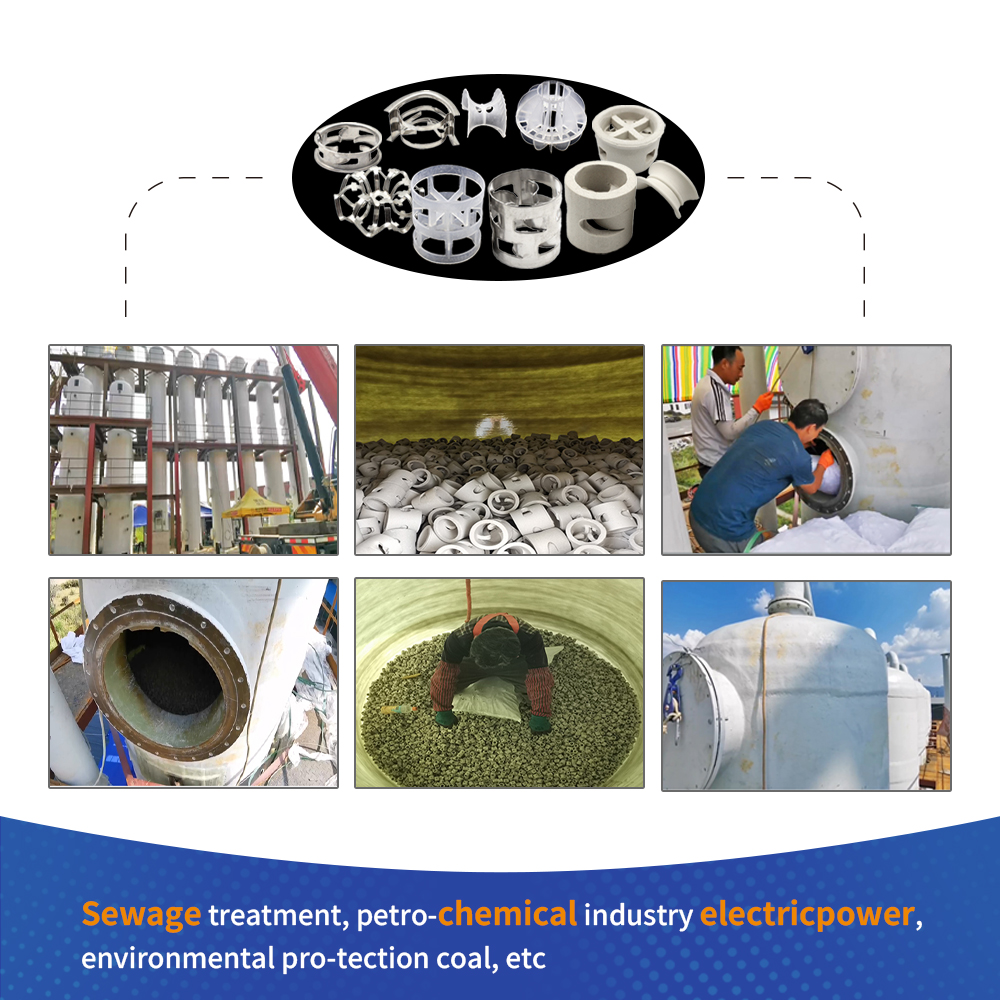





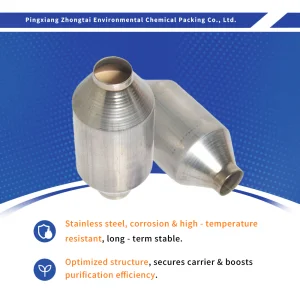
They are predominantly utilized as heat recovery media in Regenerative Thermal Oxidizers (RTO) and Regenerative Catalytic Oxidizers (RCO), as catalyst substrates for emission control, and as structured packing in chemical separation towers.
The continuous, straight parallel channels deliver significantly lower gas resistance (low pressure drop) while providing a high geometric surface area, reducing the fan power needed and enhancing overall thermal and mass transfer efficiency.
For continuous operations exceeding 1350°C, Corundum-Mullite or Mullite materials are recommended, as they can withstand sustained temperatures up to 1450°C–1550°C while maintaining exceptional mechanical strength.
Cordierite possesses an exceptionally low thermal expansion coefficient (≤3.0 ×10⁻⁷/K), providing impact thermal shock resistance of ≥350°C, which prevents cracking or degradation during rapid heating and cooling cycles.
Yes, high-grade ceramic structures offer outstanding inertness against corrosive industrial environments, including heavy acid exposure, alkaline gases, and aggressive organic solvents.
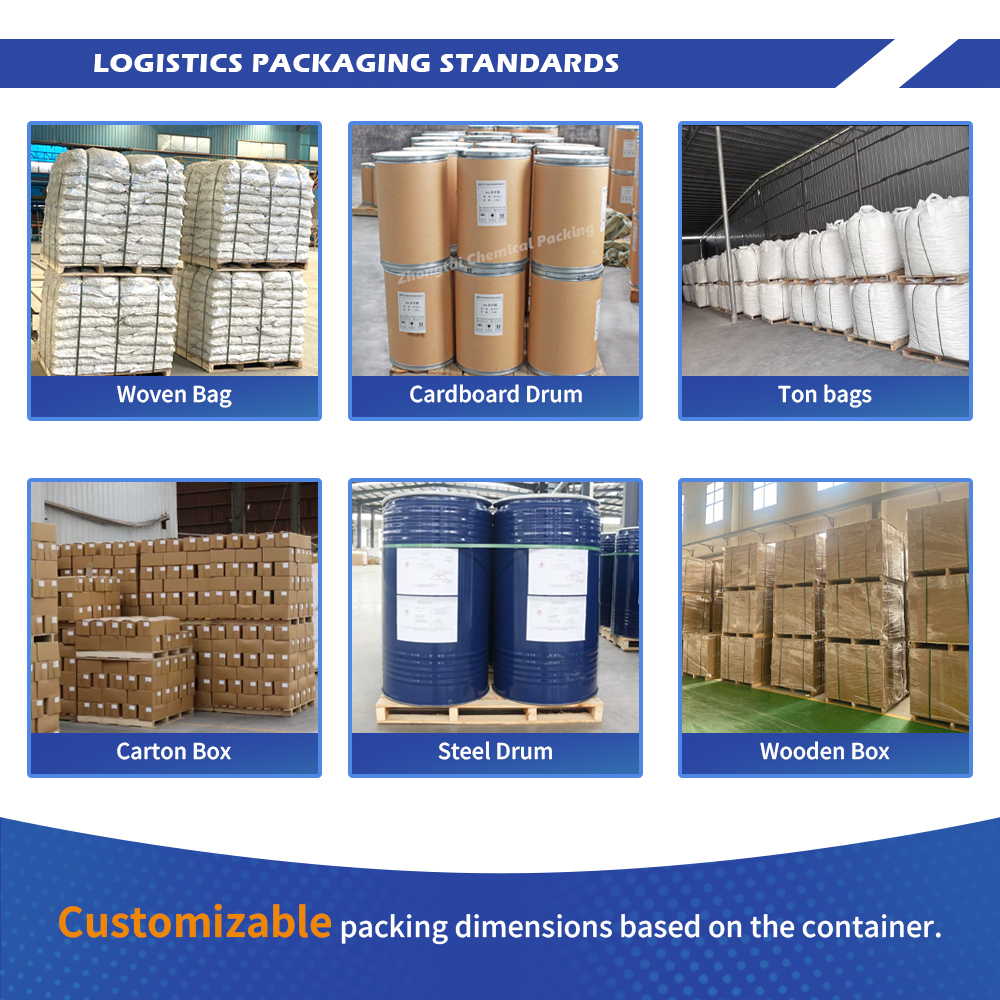
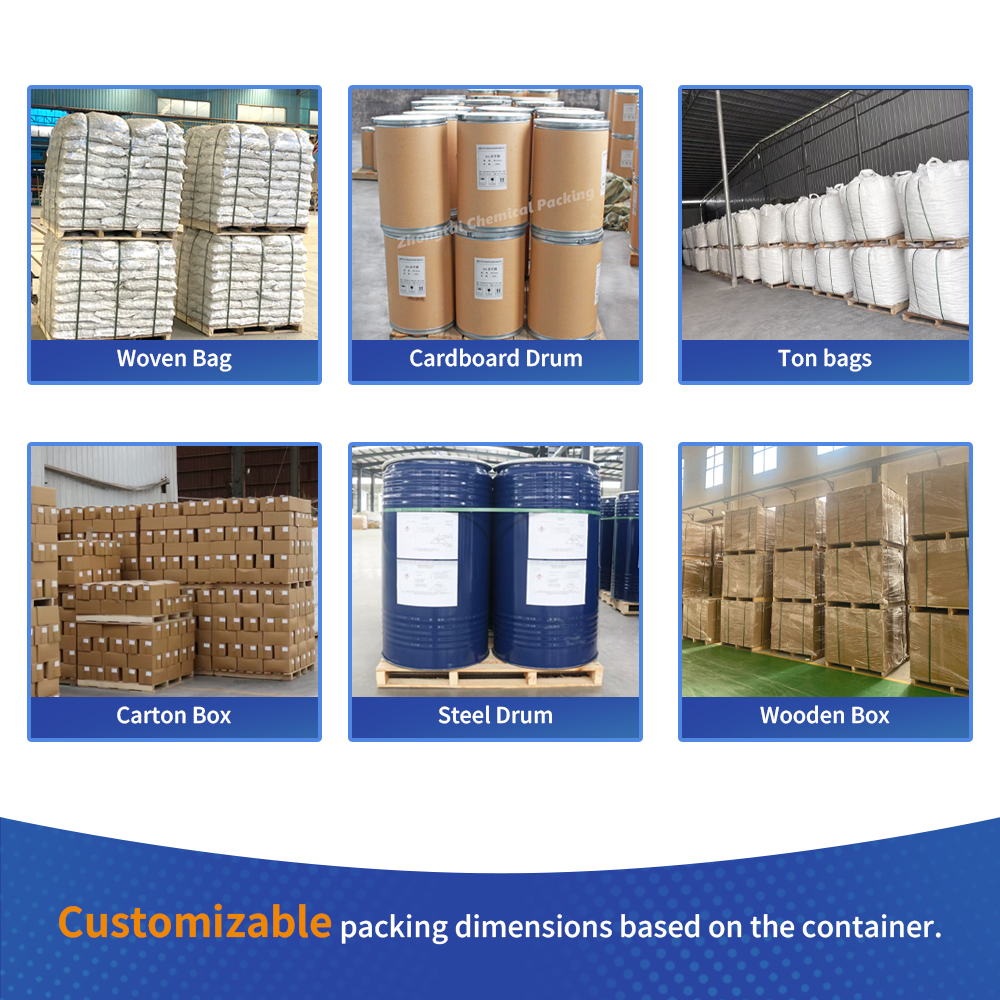
Due to the precision cell walls, they are secured using specialized shock-absorbent cushioning and reinforced palletized packaging to ensure zero cellular damage and structural integrity during domestic and international transit.