Direct factory supply of certified inert alumina media, structured packings, and casting filtration solutions for global engineering procurement.
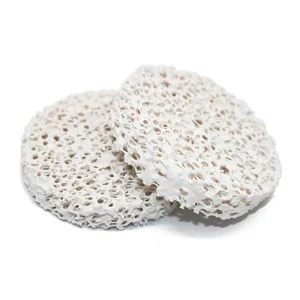
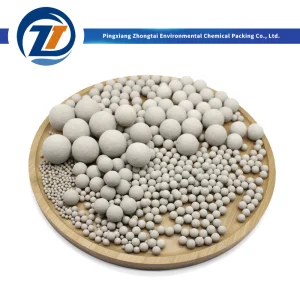
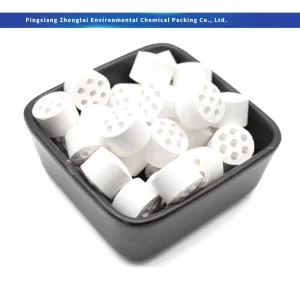
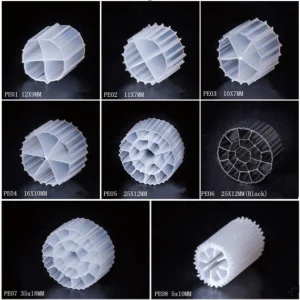
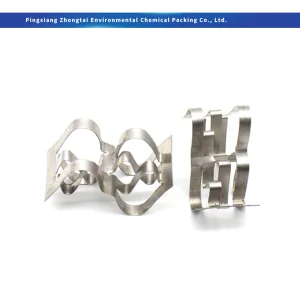
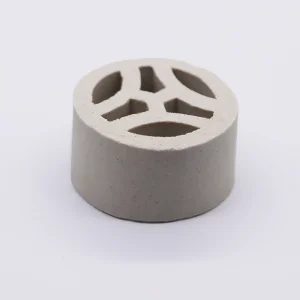
In modern chemical processing, hydroprocessing refineries, and fertilizer manufacturing, inert ceramic balls serve as the critical unsung foundation of fixed-bed reactors. Their core operational intent spans catalyst bed support, top hold-down covering, and hydrodynamic fluid distribution.
Information Gain Insight: Sourcing industrial ceramic balls requires evaluating more than bulk density or low unit cost. Today's high-temperature, high-pressure, and corrosive processing environments demand precise microstructural stability, zero silica leaching under high partial steam pressure, and thermal shock resistance that prevents particle degradation and downstream pressure drop (ΔP) spikes.
The global wholesale market for ceramic balls is undergoing a structural transition driven by three macroeconomic vectors:
Refineries are shifting toward ultra-low sulfur diesel (ULSD) and hydrocracking. This requires ceramic media capable of sustaining continuous 48-month run lengths under pressures up to 20 MPa without structural degradation.
Downstream catalysts (e.g., noble metal reforming catalysts) are exceptionally sensitive to silica fouling. Demand has surged for ≥99% high-purity inert alpha-alumina ceramic spheres to eliminate silica leaching risks.
Beyond traditional smooth spheres, perforated, fluted, and high-void structural ceramic shapes are being deployed to optimize pressure drop and prevent catalyst crusting in foul-prone feeds.
Deconstructing the engineering criteria, risk-mitigation priorities, and commercial trade-offs evaluated by B2B EPC contractors and plant operators.
Enterprise buyers prioritize point crush strength measured per ASTM C517/HG/T 3682 standards. Beds experience static loads, dynamic pressure surges, and thermal expansion forces during unit start-ups and emergency trips.
Leachable sodium ($Na_2O$), silica ($SiO_2$), and iron ($Fe_2O_3$) can permanently poison expensive active catalyst beds. High-purity alumina ($99.5\%+$) ensures chemically inert performance under harsh acidic and alkaline vapor streams.
Severe thermal gradients during shutdown or rapid feed changes cause thermal stress cracking. Superior ceramic formulations maintain structural cohesion up to 1500°C without spalling or fragment generation.
Standard benchmark specs for industrial procurement engineers across major chemical process categories.
| Property Parameter | Standard Inert (17–23% Al₂O₃) | Medium Alumina (23–30% Al₂O₃) | High Alumina (90–92% Al₂O₃) | Super High Alumina (≥99.5% Al₂O₃) |
|---|---|---|---|---|
| Chemical Composition | Al₂O₃: 17-23%, SiO₂: 70-75% | Al₂O₃: 23-30%, SiO₂: 65-70% | Al₂O₃: ≥90%, SiO₂: ≤7% | Al₂O₃: ≥99.5%, SiO₂: ≤0.1% |
| Water Absorption (%) | ≤ 3.0% | ≤ 2.0% | ≤ 1.0% | ≤ 0.2% |
| Bulk Density (g/cm³) | 1.35 – 1.45 | 1.40 – 1.50 | 1.90 – 2.10 | 2.00 – 2.20 |
| Specific Gravity (g/cm³) | 2.30 – 2.40 | 2.40 – 2.50 | 3.60 – 3.70 | 3.80 – 3.90 |
| Max Operating Temp (°C) | 1050 °C | 1150 °C | 1550 °C | 1750 °C |
| Acid Resistance (%) | ≥ 99.0% | ≥ 99.2% | ≥ 99.6% | ≥ 99.8% |
| Crushing Strength (Ø 25mm) | ≥ 3.0 kN/ball | ≥ 4.5 kN/ball | ≥ 12.0 kN/ball | ≥ 18.0 kN/ball |
How specialized ceramic media, mass transfer packing, and thermal storage blocks integrate into broad industrial processes.
Graded beds of inert alumina ceramic balls (ranging from 1/8" at the catalyst interface up to 2" at the support grid) optimize gas/liquid distribution, hold active catalysts in place during high-velocity gas flow, and trap solid contaminants before they foul the catalyst pores.
In double absorption sulfuric acid plants ($DCDA$), ceramic Intalox saddles, Y-partition rings, and high-density ceramic balls perform under extreme hot concentrated $H_2SO_4$ (98.5%) environment, maximizing mass transfer contact area with minimal pressure drop.
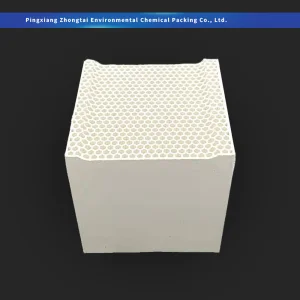
Cordierite-Mullite honeycomb ceramic media provide exceptional heat recovery efficiency (>95%) in Regenerative Thermal Oxidizers (RTO). Low thermal expansion minimizes thermal fatigue during rapid flow-reversal cycles.
Global supply chain integrity depends on predictable material performance. Our manufacturing protocols align with strict international testing frameworks to ensure seamless job-site delivery and turnkey installation.
Every production lot undergoes statistical process control (SPC) covering raw material calcination, ball forming, high-temperature tunnel kiln firing, and automated sorting.
Comprehensive batch certificates of analysis (CoA) detailing point crush strength, chemical purity (ICP-OES), water absorption, and apparent porosity.
Supplied in UV-resistant heavy-duty jumbo bags, steel drums, or moisture-proof wooden cases on non-fumigation ISPM-15 compliant heat-treated pallets.
We welcome independent verification by global agencies such as SGS, BV, Intertek, or TÜV prior to container loading.
Anticipating future engineering trends in catalyst support media, high-duty thermal media, and circular economy integration.
Development of engineered porous ceramic balls featuring interconnected internal capillary networks. These media optimize fluid dynamics, offering up to 30% lower pressure drop while maintaining mechanical crushing strength.
Next-generation alpha-alumina formulations enriched with zirconium silicate nanoparticles. This microstructural refinement eliminates grain-boundary impurity segregation and prevents trace silica transfer to downstream green hydrogen or bio-fuel catalysts.
Establishing closed-loop recovery pathways for inert refractories. Recycled inert substrates are purified and re-engineered into high-efficiency grinding media and environmental filtration substrates, reducing carbon intensity.
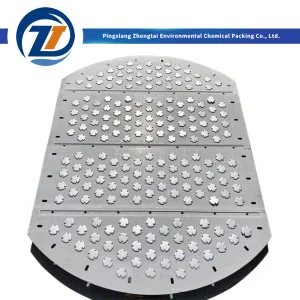
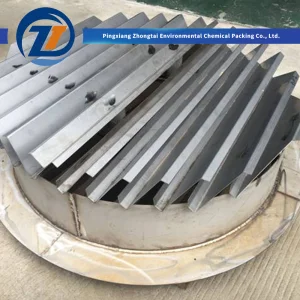
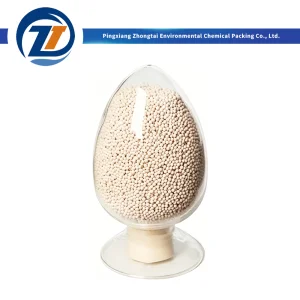
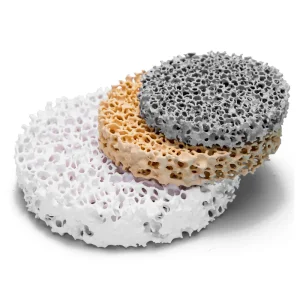
Explore our complete catalog of industrial tower packings, molecular sieves, and metallurgical filters engineered for specialized continuous process plants.
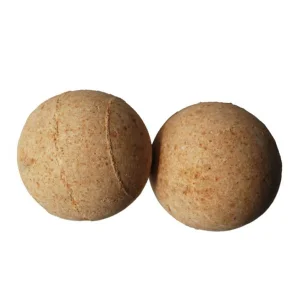
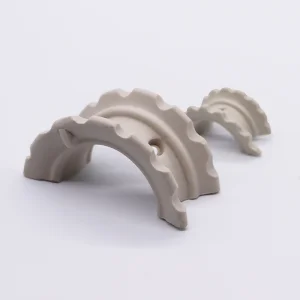
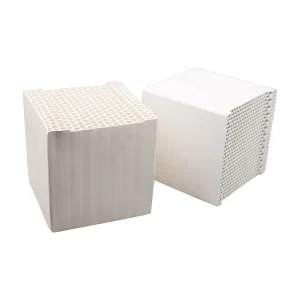
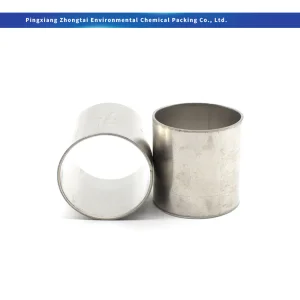
Direct, engineering-validated answers to common questions regarding ceramic balls, tower packing selection, and wholesale procurement parameters.
