1 / 5
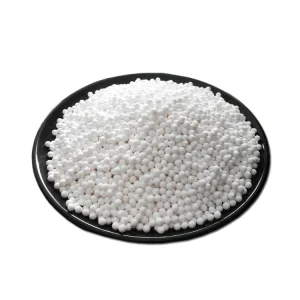
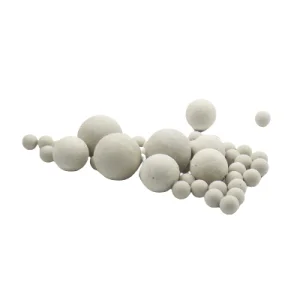
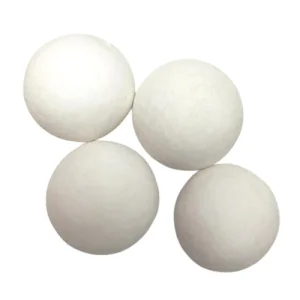
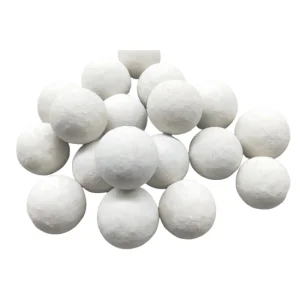
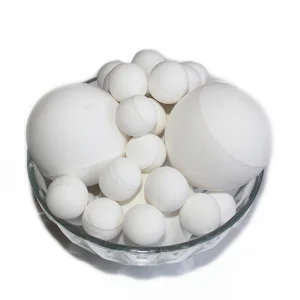
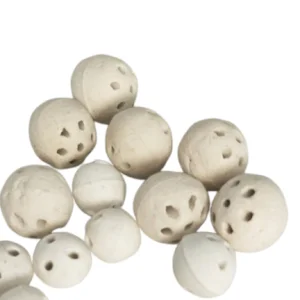
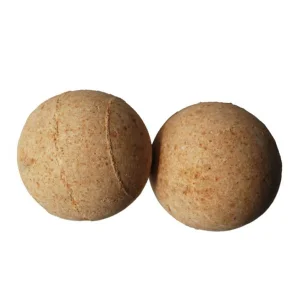
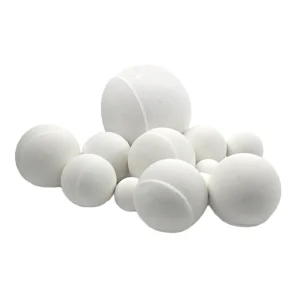
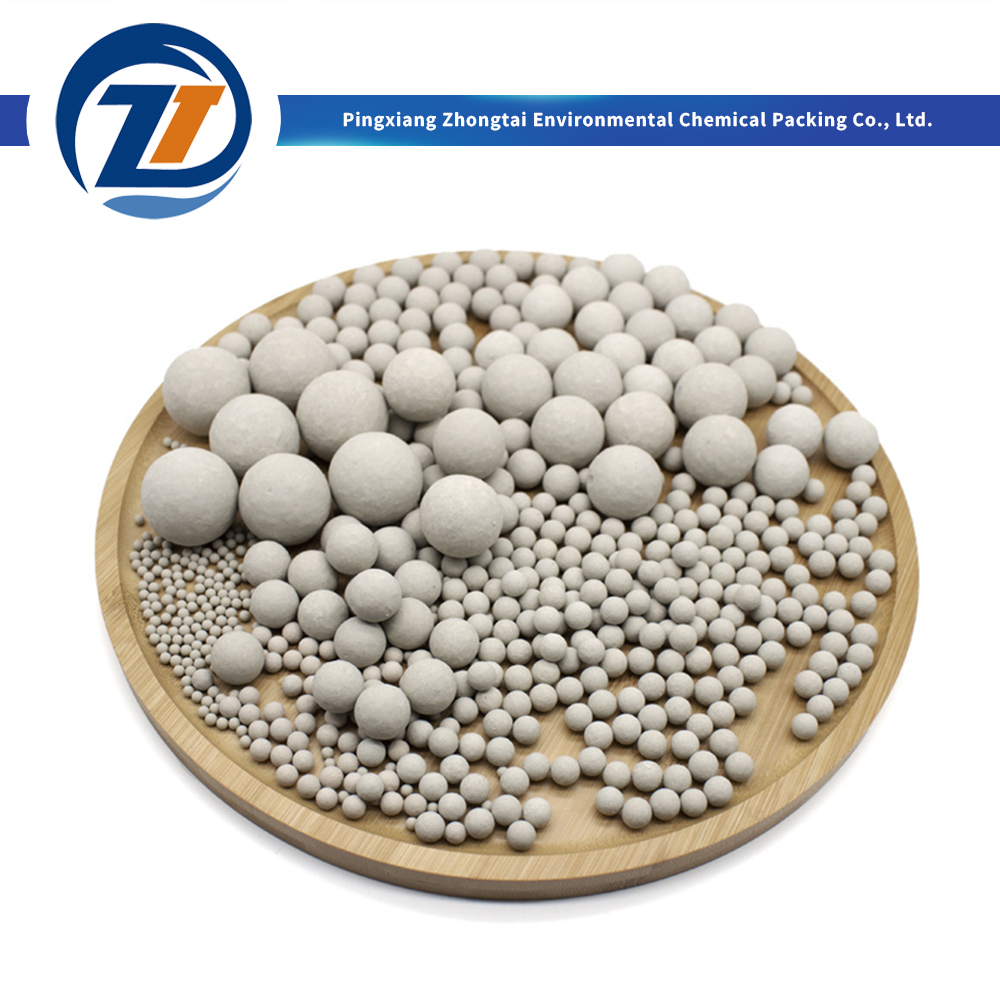
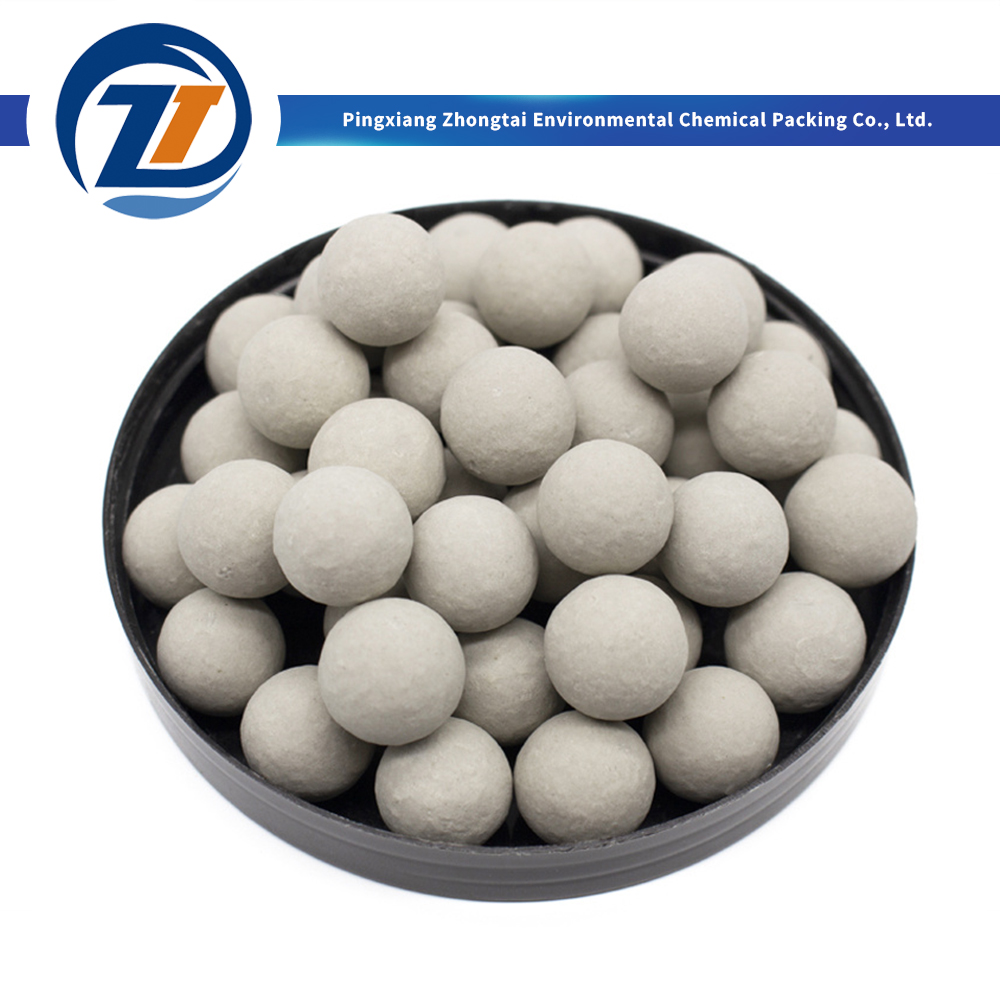
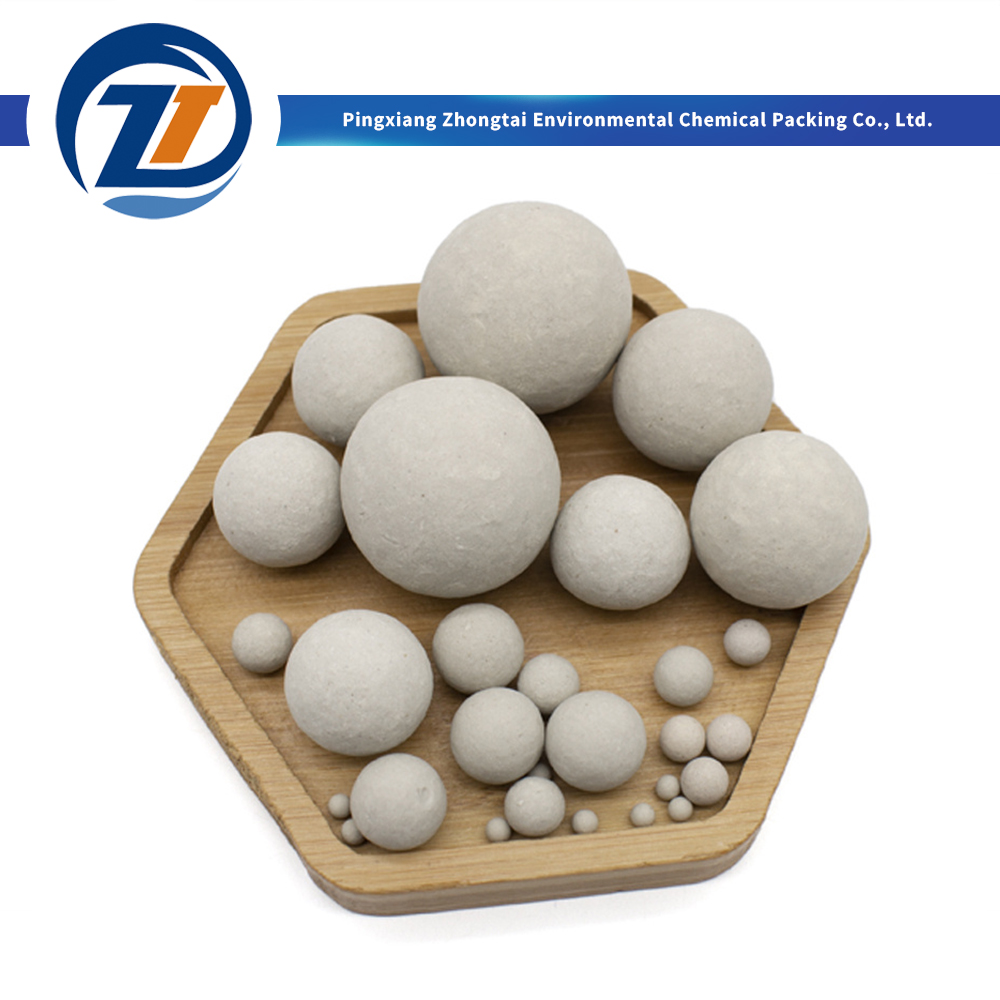
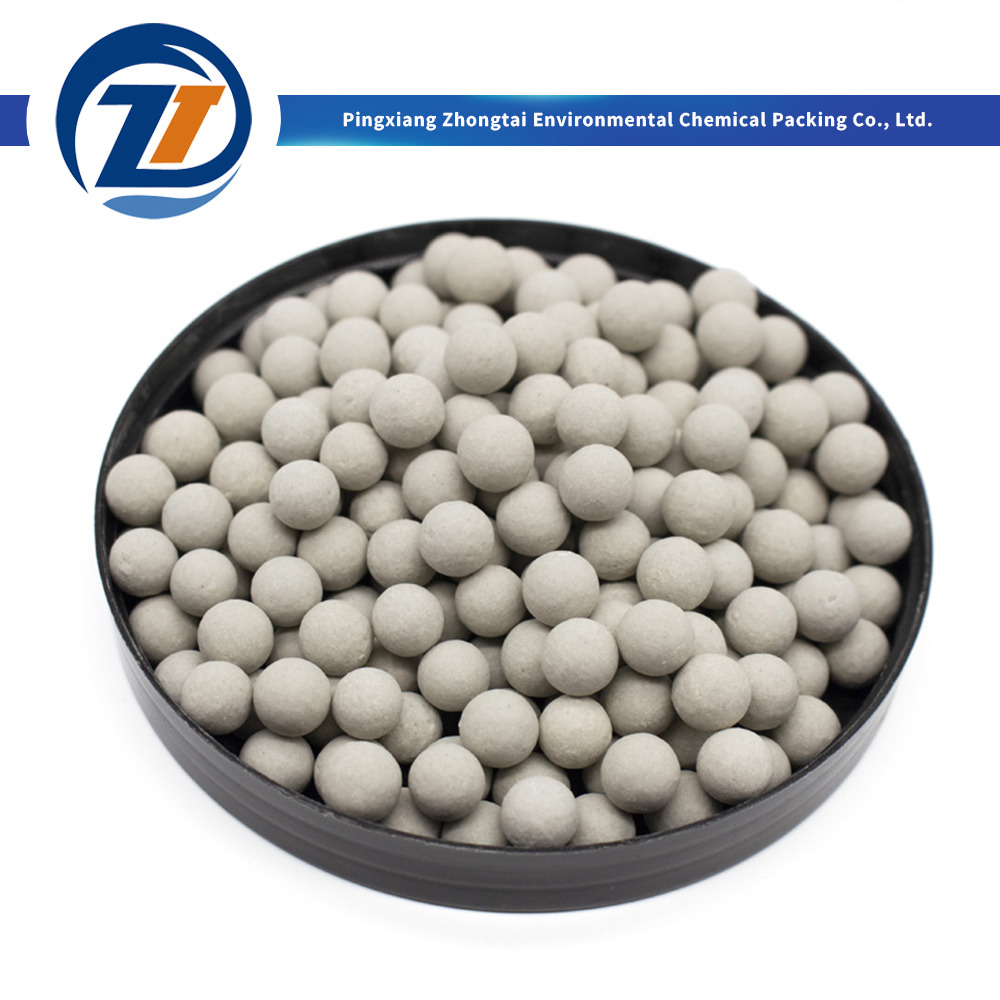
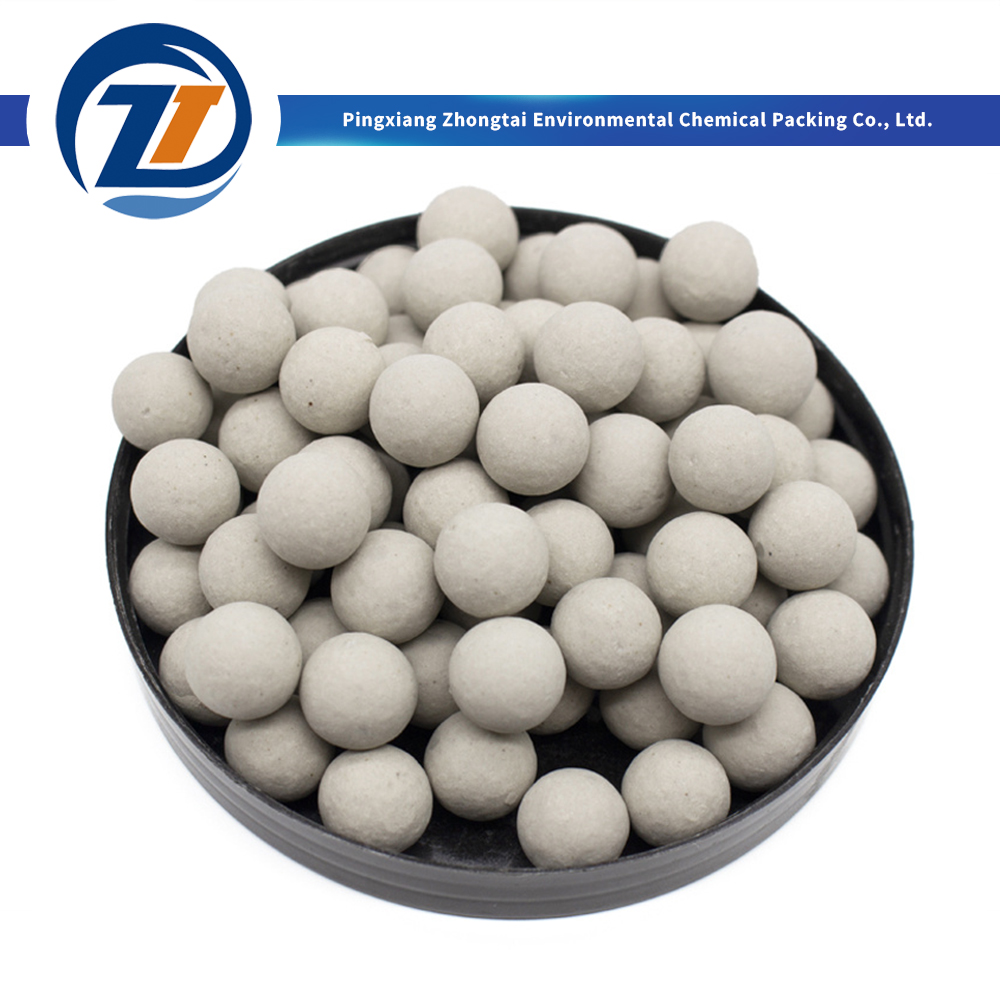
The Inert Ceramic Ball is universally recognized as the standard support and covering media for catalysts, absorbents, and desiccants in chemical and petrochemical reactors. Manufactured from very high-quality chemical-grade porcelain clay and alumina materials, these solid spheres are highly inert and will not react with or contaminate your specific catalyst or chemical processes. They provide a reliable, stable, and mechanically robust foundation that ensures optimal fluid distribution across the catalyst bed while protecting the active catalyst from impurities and high-velocity fluid impacts.
Exhibits tremendous crushing strength, easily withstanding extremely high-pressure reactor environments and heavy catalyst bed loads without cracking, powdering, or shattering.
Highly inert and profoundly resistant to corrosion from all organic and inorganic acids (except hydrofluoric acid), alkalis, and various organic solvents in severe processing environments.
Capable of enduring continuous high operating temperatures and resisting thermal shock during rapid thermal cycling without structural degradation.
An extremely dense, sintered internal structure ensures minimal moisture absorption, strictly preventing swelling, spalling, or bursting during sudden temperature spikes.
Available in a wide spectrum of alumina contents (ranging from regular 17% up to ultra-high 99.5%) to perfectly match the specific chemical, thermal, and economic requirements of any industrial reactor.
Catalyst bed support and covering in petroleum refineries, hydrocracking, hydrodesulfurization, and catalytic reforming units. Gas processing plants, natural gas drying, and molecular sieve dehydration systems. Chemical and fertilizer plants, specifically as support media in ammonia synthesis and methanol reactors.
| Size (mm) | 17-25% Al2O3 Crushing Strength (KN/pc) | 90-95% Al2O3 Crushing Strength (KN/pc) | 99% Al2O3 Crushing Strength (KN/pc) | Water Absorption (%) | Bulk Density (g/cm³) |
|---|---|---|---|---|---|
| φ6 (1/4") | More than 0.5 | More than 1.2 | More than 1.5 | ≤ 5.0 | 1.35 - 3.50 |
| φ10 (3/8") | More than 1.0 | More than 2.5 | More than 3.0 | ≤ 5.0 | 1.35 - 3.50 |
| φ13 (1/2") | More than 2.0 | More than 4.5 | More than 6.0 | ≤ 5.0 | 1.35 - 3.50 |
| φ19 (3/4") | More than 4.0 | More than 8.0 | More than 10.0 | ≤ 5.0 | 1.35 - 3.50 |
| φ25 (1") | More than 6.0 | More than 12.0 | More than 15.0 | ≤ 5.0 | 1.35 - 3.50 |
| φ38 (1.5") | More than 10.0 | More than 20.0 | More than 25.0 | ≤ 5.0 | 1.35 - 3.50 |
| φ50 (2") | More than 16.0 | More than 30.0 | More than 40.0 | ≤ 5.0 | 1.35 - 3.50 |



They serve as support and covering media for catalysts, absorbents, and desiccants. They provide a stable foundation, ensure optimal fluid distribution across the catalyst bed, and protect the active catalyst from impurities and high-velocity fluid impacts.
Inert ceramic balls are available in a wide spectrum of alumina contents, ranging from regular 17-25% up to 90-95% and ultra-high 99.5%, designed to match specific chemical, thermal, and economic requirements.
They are highly inert and profoundly resistant to corrosion from all organic and inorganic acids (with the exception of hydrofluoric acid), alkalis, and various organic solvents in harsh chemical environments.
With a water absorption rate of ≤ 5.0%, the dense, sintered structure prevents swelling, spalling, or bursting during sudden thermal cycling and extreme temperature spikes.
Sizes range from φ6 (1/4") to φ50 (2"). Depending on the size and alumina content (17% to 99%), crushing strength ranges from more than 0.5 KN/pc up to more than 40.0 KN/pc.
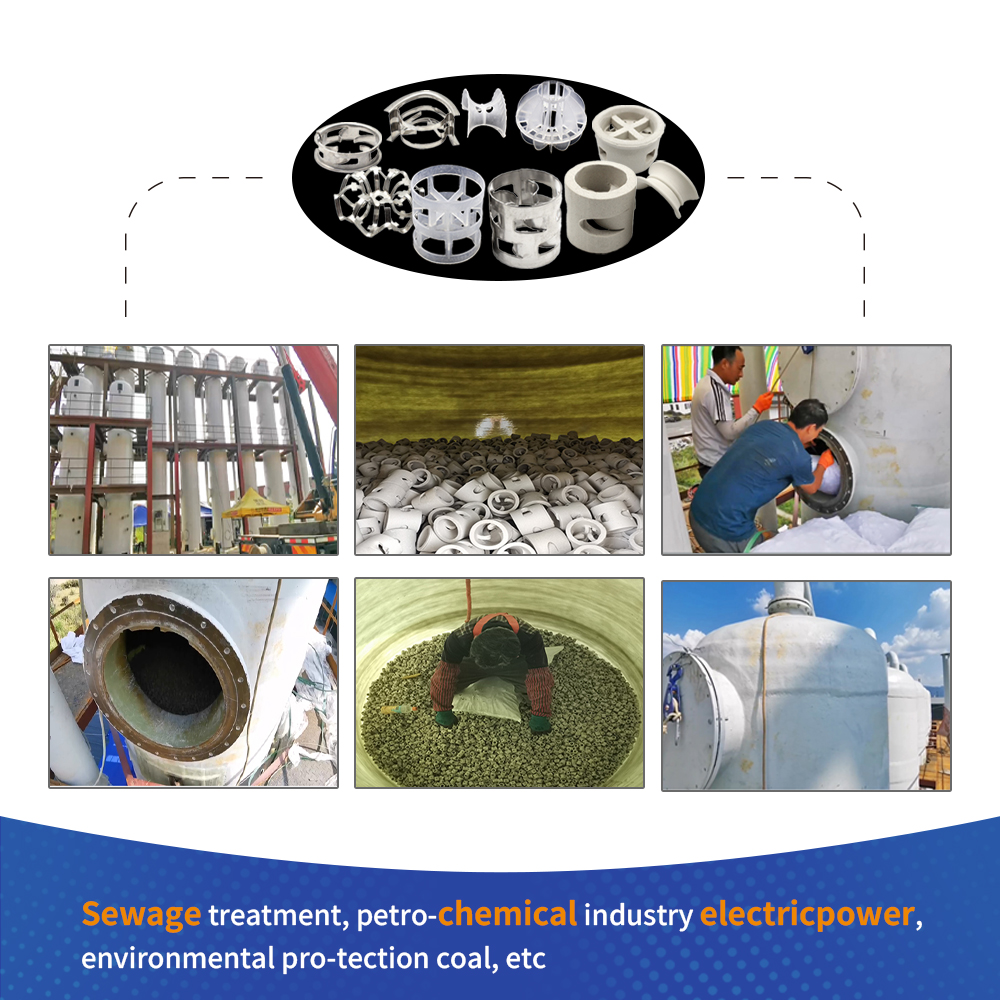
They are widely applied in petroleum refineries (hydrocracking, hydrodesulfurization, catalytic reforming units), gas processing plants (natural gas drying, molecular sieve dehydration), and chemical/fertilizer plants (ammonia synthesis and methanol reactors).