Industrial Adsorption & Mass Transfer Engineering Whitepaper

China Zeolite PSA Oxygen Supplier & Factory

Global Manufacturing Benchmark for Lithium & 13X Molecular Sieves, Specialized Random Tower Packings, and High-Performance Mass Transfer Column Internals Since 2003.

Mass Transfer & Gas Separation Portfolio

Featured Tower Packings & Catalyst Support Systems (Part I)

Directly integrated with pressure swing adsorption pre-treatment scrubbers, drying columns, and high-temperature gas processing plants worldwide.
China Ceramic Berl Ring Tower Packing

China Ceramic Berl Ring Tower Packing Suppliers, Pricelist

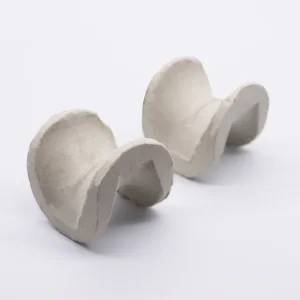
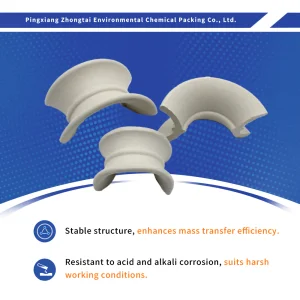
China Acid Heat Resistant Ceramic Intalox Saddle Packing

China Acid & Heat Resistant Ceramic Intalox Saddle Packing (16-76mm)

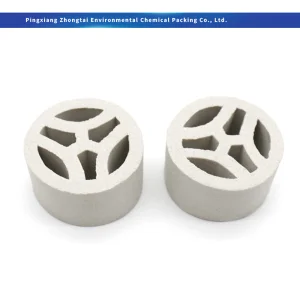
China Ceramic 3Y Triple Y Ring Random Packing

China Ceramic 3Y Ring (Triple Y Ring) Random Tower Packing

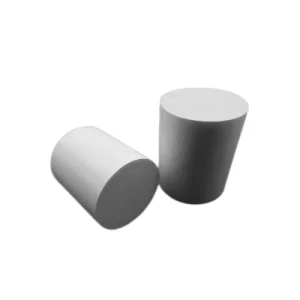
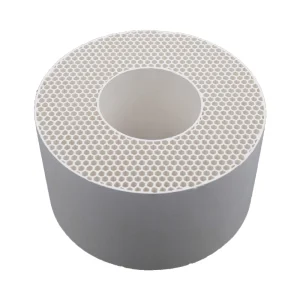
Catalyst Carrier Cordierite Honeycomb Ceramics for DOC

Wholesale Catalyst Carrier Cordierite Honeycomb Ceramics for DOC

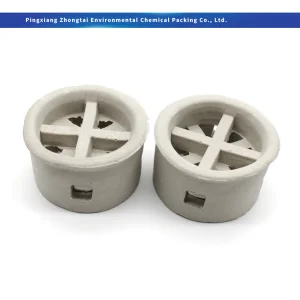
Ceramic Cascade Mini Ring Random Packing

Wholesale Acid & Heat Resistant Ceramic Cascade Mini Ring

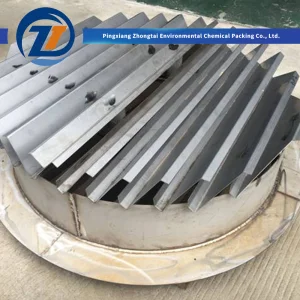
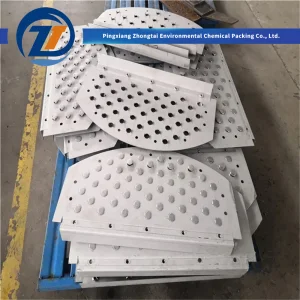
304 316L Stainless Steel Liquid Collector and Distributor

China 304 316L Stainless Steel Liquid Collector & Distributor

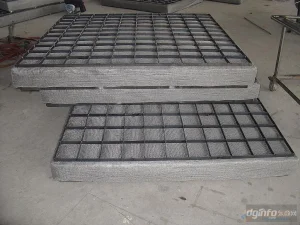
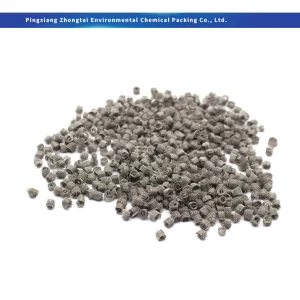
Stainless Steel Metal Wire Gauze Structured Packing

Wholesale High Quality Stainless Steel Metal Wire Gauze Packing

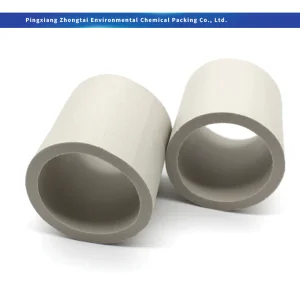
China Acid Resistant Ceramic Raschig Ring

China Acid & Heat Resistant Ceramic Raschig Ring Random Packing

Global Macro Sourcing & Industrial Status

The Strategic Shift in Zeolite PSA Oxygen Generation

How decentralized non-cryogenic air separation is displacing bulk liquid oxygen logistics across heavy industry, healthcare ecosystems, and green metallurgy.

Across the global process industries, the operational demand for oxygen ($O_2$) has undergone a fundamental structural paradigm shift. Traditionally dominated by centralized Cryogenic Air Separation Units (ASU), modern industrial procurement has aggressively transitioned toward on-site, modular Pressure Swing Adsorption (PSA) and Vacuum Pressure Swing Adsorption (VPSA) systems. This transition is underpinned by the urgent imperative to decouple manufacturing facilities from cryogenic distribution bottlenecks, high boil-off losses, and extreme transport freight volatility.

At the technological epicenter of this transformation sits synthetic crystalline aluminosilicate chemistry—specifically Zeolite Molecular Sieves. Engineered with precise angstrom-level pore networks and electrostatically tuned extra-framework cation architectures, zeolites act as the thermodynamic sorting engine of PSA/VPSA plants. As a premiere China Zeolite PSA Oxygen Supplier & Factory, Pingxiang Zhongtai Environmental Chemical Packing Co., Ltd. has served as an essential backbone for global engineering, procurement, and construction (EPC) conglomerates since 2003, providing high-purity synthetic zeolites alongside mass transfer packings that safeguard critical separation columns against mechanical breakdown and bed fluidization.

95.5%
Maximum Stable O₂ Purity Achievable
0.32
kWh/Nm³ Specific Power (LiX VPSA)
>98%
Li⁺ Cation Exchange Degree
20+
Years Chemical Engineering Heritage

CAPEX & OPEX Compression

Cryogenic oxygen production requires extreme refrigeration infrastructure, cryogenic vacuum insulation, and long payback cycles. On-site PSA oxygen plants driven by Zhongtai high-efficiency zeolites eliminate liquid oxygen delivery fees, slashing total levelized cost of oxygen (LCOO) by up to 45%.

Geopolitical & Supply Chain Resilience

Fluctuations in power grids and bulk liquid transport routes frequently trigger industrial line stoppages. Distributed on-site PSA systems ensure continuous pneumatic autonomy for remote mines, municipal facilities, and isolated gold processing operations across five continents.

Decarbonization & Green Oxy-Fuel

Global emissions standards (such as EU ETS and global carbon caps) demand higher combustion efficiency in glass melting, lime kilns, and copper smelting. Zhongtai's high-recovery zeolites deliver enriched oxygen for oxy-fuel combustion, cutting direct fuel consumption by up to 28%.

Material Science & Chemical Kinetics

Thermodynamic Principles of Zeolite-Based N₂/O₂ Separation

Engineered Faujasite (FAU) crystallite matrices manipulating quadrupole moments for high-selectivity nitrogen trapping.

The atmospheric air separation process via synthetic zeolites relies strictly on thermodynamic and equilibrium-based adsorption mechanisms rather than mere mechanical sieving. Atmospheric air consists predominantly of diatomic nitrogen ($N_2$, kinetic diameter ~0.364 nm) and diatomic oxygen ($O_2$, kinetic diameter ~0.346 nm), alongside argon ($Ar$, ~0.340 nm). Although oxygen molecules are marginally smaller than nitrogen, traditional molecular sieving based on steric hindrance alone is insufficient for rapid, commercial-scale volumetric purification.

Instead, advanced Zeolite PSA separation exploits the substantial difference in the permanent electric quadrupole moment of the gas molecules:

  • Nitrogen ($N_2$): Possesses a pronounced electric quadrupole moment ($Q = 1.52 \times 10^{-26} \text{ esu}\cdot\text{cm}^2$). When entering the microporous supercages of synthetic Faujasite zeolites, the electric field gradient generated by extra-framework cations (such as $Na^+$ in 13X or $Li^+$ in LiX) induces an intense electrostatic interaction with the $N_2$ electron cloud, holding nitrogen molecules tightly within the crystal framework.
  • Oxygen ($O_2$): Exhibits an extremely weak quadrupole moment ($Q = 0.39 \times 10^{-26} \text{ esu}\cdot\text{cm}^2$), nearly four times lower than that of nitrogen. Consequently, oxygen interacts weakly with the cationic centers, traversing the packed adsorption column largely uninhibited and exiting at the bed discharge port as high-purity product gas (90%–95.5% $O_2$).
  • Argon ($Ar$): As a monatomic inert gas, argon exhibits zero quadrupole moment. It co-elutes with oxygen throughout the adsorption phase, setting the thermodynamic theoretical ceiling of standard single-train PSA oxygen purity at approximately 95.6% (with the remaining balance being argon and trace residual nitrogen).
The Zhongtai Synthesis Advantage: Our manufacturing plant synthesizes low-silica X-type (LSX) frameworks with an optimized silicon-to-aluminum molar ratio ($SiO_2/Al_2O_3 \approx 2.0$). This maximizes the theoretical density of negative charges on the aluminosilicate skeleton, allowing an ultra-high concentration of exchangeable Lithium ($Li^+$) cations per unit cell. The result is a steep nitrogen adsorption isotherm and extraordinary working capacity under narrow pressure swings.
Adsorbent Grade Active Framework Primary Cation Dynamic N₂ Capacity (STP) N₂/O₂ Selectivity Factor Optimal Process Platform Standard Crush Strength
Zhongtai LiX-HP Medical Low-Silica X (LSX) Lithium ($Li^+ \ge 98\%$) 24.5 – 28.0 cm³/g 6.2 – 6.5 High-purity Medical / Micro-PSA ≥ 14.0 N/bead (0.4–0.8mm)
Zhongtai LiX Industrial VPSA Faujasite (FAU) Lithium / Alkaline Earth 22.0 – 25.5 cm³/g 5.8 – 6.2 Heavy VPSA (1,000–30,000 Nm³/h) ≥ 28.0 N/bead (1.3–2.0mm)
Zhongtai 13X-HP Oxygen Zeolite X Type Sodium ($Na^+$) 11.0 – 14.0 cm³/g 3.0 – 3.2 Standard Industrial PSA (3–6 bar) ≥ 35.0 N/bead (1.6–2.5mm)
Zhongtai Standard 13X Zeolite X Type Sodium ($Na^+$) 8.0 – 10.5 cm³/g 2.7 – 2.9 Pre-purification / Cryo Clean-up ≥ 40.0 N/bead (3.0–5.0mm)
Zhongtai 5A Molecular Sieve Zeolite A Type Calcium ($Ca^{2+}$) 6.0 – 8.5 cm³/g 2.2 – 2.4 Small-scale PSA / Hydrocarbon Cut ≥ 45.0 N/bead (1.6–2.5mm)
Localized Application Blueprints

Industrial Demands Met by On-Site Zeolite Oxygen Systems

Engineered deployment across critical sectors requiring continuous pneumatic supply, specific purity envelopes, and guaranteed bed longevity.

Medical Gas Pipeline Systems

Compliant with the European Pharmacopoeia and US Pharmacopeia (USP) 93% Oxygen Monograph, Zhongtai Lithium Molecular Sieves power central hospital generators and portable oxygen concentrators (POC). Featuring ultra-fast desorption kinetics and exceptional attrition resistance, our LiX-HP series guarantees zero airborne dusting inside sensitive respiratory apparatus.

Gold Leaching & Hydrometallurgy

Cyanidation efficiency in gold and silver extraction is heavily dictated by Dissolved Oxygen (DO) levels in slurry leach tanks. Deploying Zhongtai VPSA oxygen adsorbents increases DO concentrations beyond ambient limits, accelerating gold dissolution rates, cutting cyanide consumption by up to 25%, and eliminating transport bottlenecks at remote mining concessions.

Ozone Generation & Water Treatment

Dielectric barrier discharge ozone generators demand dry, high-concentration feed gas with a dew point below -60°C. Integrating Zhongtai 13X-HP molecular sieves with our ceramic tower packings and silica desiccant pre-beds ensures an uninterrupted supply of 93% dry oxygen, multiplying ozone yield while protecting costly electrodes from nitric acid fouling.

Recirculating Aquaculture Systems (RAS)

Modern high-density fish and shrimp farms require rigorous oxygen saturation to prevent catastrophic livestock mortality. Zhongtai on-site PSA zeolites provide round-the-clock oxygen dissolving via low-head oxygenators (LHO) and speece cones, lowering feed conversion ratios (FCR) while dramatically improving biomass carrying capacities.

Biogas Desulfurization & Upgrade

In anaerobic digesters and biomethane refining plants, micro-dosing concentrated oxygen into the digester headspace facilitates the biological oxidation of toxic hydrogen sulfide ($H_2S$) into elemental sulfur by Sulfobacter. Zhongtai provides specialized, stable PSA adsorbents designed for resilient continuous micro-flow delivery.

EAF Steelmaking & Non-Ferrous Foundries

Electric Arc Furnaces (EAF) utilize lancing and oxy-gas burners to accelerate scrap melting and carbon decarburization. Zhongtai's high-capacity VPSA Lithium sieves supply multi-tonnage oxygen output (up to 30,000 Nm³/h) directly at plant gate pressures, reducing electrical power consumption per ton of tapped steel.

Factory Origin & Quality Architecture

Pingxiang Zhongtai: Two Decades of Process Media Synthesis

Direct manufacturer-level control from pure synthetic hydrogel crystallization to precision mechanical packaging in the industrial ceramic capital of China.

Headquartered in Pingxiang City, Jiangxi Province—China’s internationally acclaimed center of industrial chemical ceramics and column internals—Pingxiang Zhongtai Environmental Chemical Packing Co., Ltd. has spent over 20 years perfecting mass transfer and adsorption technologies. Unlike commercial trading intermediaries, Zhongtai maintains complete vertical integration over every production step:

  • Hydrothermal Crystallization Control: Our automated synthesis lines precisely calibrate sodium silicate, sodium aluminate, and structure-directing agents under strict temperature regimes, yielding Phase-Pure Faujasite crystallites with zero non-selective amorphous silica inclusions.
  • Lithium Ion Exchange Verification: Utilizing proprietary counter-current ion exchange columns, our Lithium-LSX reaches an extraordinary exchange rate exceeding 98%. Every production batch is validated via Inductively Coupled Plasma Optical Emission Spectrometry (ICP-OES) to guarantee maximum electrostatic potential.
  • Binderless Granulation Technology: Conventional adsorbents rely on up to 20% inert clay binders (attapulgite or kaolin), which dilutes active capacity. Zhongtai utilizes advanced binder-conversion crystallization, transforming inert binder material into active zeolite phase, resulting in a 15%–20% higher dynamic volumetric adsorption capacity.
  • Rotary Calcination & Uniform Activation: High-temperature fluid-bed activation ensures complete dehydration of zeolite supercages down to residual moisture levels below 0.5 wt%, preventing premature bed deactivation upon on-site commissioning.
01

Precursor Refining

Pure aluminate and silicate synthesis with rigorous heavy-metal exclusion to guarantee crystalline stability.

02

Li⁺ Ion Exchange

Multi-stage cation displacement exceeding 98% Li substitution for industry-topping nitrogen selectivity.

03

Spheronization & Firing

Precision mechanical bead forming followed by high-temperature calcination to eliminate internal micro-stresses.

04

Hermetic Export Pack

Vacuum-sealed composite steel drums or nitrogen-purged hermetic foil packaging ready for trans-oceanic transit.

Engineering Roadmap & Next-Gen Outlook

Technological Horizons: 2025–2035 in PSA Air Separation

Addressing the next engineering frontiers: ultra-fast cycle adsorption, core-shell hierarchical structures, and digital twin dynamic bed modeling.

Rapid Cycle PSA (RCPSA)

Conventional PSA cycle times range between 60 to 120 seconds. Next-generation RCPSA reduces full cycle times to under 10 seconds. This demands smaller bead sizes (0.3–0.6 mm) with enhanced macropore diffusion pathways and extreme mechanical attrition resistance to withstand violent fluidizing velocities.

Core-Shell Hierarchical Architectures

By growing a crystalline FAU shell directly over an inert, mechanically rigid meso-porous ceramic core, Zhongtai R&D is engineering next-generation composite beads that slash overall Lithium consumption while shortening intra-crystalline diffusion times, drastically reducing pressure drop across deep beds.

AI-Driven Dynamic Bed Modeling

Integrating Internet of Things (IoT) sensors and digital twin pressure telemetry directly into the adsorber vessels allows real-time adjustment of equalization times based on ambient humidity and temperature, mitigating premature bed aging and minimizing overall compressor specific power consumption.

Mass Transfer & Plant Architecture

Holistic Tower Packing & Adsorption Integration

Why premier EPC contractors source both synthetic zeolites and random/structured column packings under Zhongtai’s unified engineering roof.

A high-performance PSA or VPSA oxygen generator is not an isolated vessel; it functions as part of a complex mass transfer and gas conditioning train. Ambient air entering the compression intake is laden with relative humidity, aerosolized machine oils, carbon dioxide ($CO_2$), and ambient particulate matter. If unconditioned feed gas strikes the primary Lithium or 13X zeolite bed, water vapor will preferentially bind irreversibly to the cationic adsorption sites, causing permanent chemical deactivation.

Zhongtai delivers total system harmony across the plant boundary:

  • Pre-Treatment Scrubbers & Absorption Columns: Before compression, sour or polluted atmospheric air passes through wet scrubbing towers packed with Zhongtai Ceramic Intalox Saddles or Plastic Pall Rings, eliminating acidic contaminants, sulfur oxides, and heavy particulates.
  • Condensate Separation & Mist Elimination: High-efficiency mass transfer internals, such as Zhongtai Stainless Steel Liquid Distributors and wire mesh mist eliminators, prevent liquid water droplets from carrying over into the adsorption vessels.
  • Multi-Layer Guard Beds: At the base of the PSA vessel, Zhongtai installs a protective layer of 99% High Alumina Inert Ceramic Balls for uniform gas distribution and compressive bed hold-down, topped with a dedicated guard zone of Zhongtai 13X or 3A Molecular Sieves to strip residual $H_2O$ and $CO_2$ down to sub-ppm levels before the gas reaches the main Lithium-X separation layer.
Single-Source Factory Accountability: Sourcing molecular sieves from one chemical vendor and ceramic bed support media or liquid distributors from another creates technical interface friction. Zhongtai engineers provide coordinated hydrodynamic calculations, bed pressure drop simulations, and matched thermal expansion tolerances for the entire column system.
Technical & Procurement FAQ

Engineering Inquiries & Technical Clarifications

Specification-level answers direct from our chemical engineers for process plant managers, project designers, and global buyers.

What is the fundamental performance difference between 13X-HP and Lithium (LiX) Molecular Sieves in PSA oxygen generators?
13X-HP (Sodium-exchanged Faujasite) operates at higher adsorption pressures (typically 3.0 to 6.0 bar gauge) and is suitable for standard, small-to-medium industrial PSA installations where initial capital investment is prioritized. Lithium-X (LiX) exhibits an extraordinarily higher nitrogen adsorption capacity (more than double that of 13X) and an $N_2/O_2$ selectivity factor exceeding 6.0. This allows LiX plants to operate under Vacuum Pressure Swing Adsorption (VPSA) modes with very low adsorption pressures (1.05 to 1.35 bar abs) and vacuum desorption (0.35 to 0.50 bar abs). LiX reduces overall power consumption by up to 50% and slashes required adsorbent bed volume by 35%–40%, making it the industry standard for large tonnage and medical-grade plants.
What are the primary operational threats that poison or deactivate Zeolite PSA beds prematurely?
The two most severe poisons are liquid/vapor moisture ($H_2O$) and aerosolized lubricating compressor oils. Zeolite supercages have an extremely strong affinity for polar water molecules; unremoved moisture saturates the active cationic sites, rapidly destroying nitrogen adsorption capacity and dropping oxygen purity below 90%. Lubricating oils coat the external macropores and micropores, permanently blinding the crystallite channels. Operating with an effective pre-filtration train (refrigerated or desiccant dryer achieving < -40°C pressure dew point, plus dual oil-coalescing filters down to < 0.003 mg/m³) guarantees a 5 to 10-year service lifespan for Zhongtai zeolites.
Why is crush strength and attrition rate critical when selecting molecular sieves?
During PSA cycling, the molecular sieve bed experiences rapid pressure swings (0 to 6 bar in seconds) and violent gas velocity fluctuations thousands of times per day. If the adsorbent possesses substandard mechanical crush strength or poor spherical elasticity, individual beads will micro-fracture against adjacent particles. This mechanical breakdown causes "dusting," which plugs downstream discharge filters, damages pneumatic valves, creates localized bed channeling, and forces emergency plant shutdowns. Zhongtai utilizes advanced binderless consolidation techniques yielding industry-leading crush strength (≥14 N/particle for 0.4–0.8mm and ≥35 N for standard sizes) with attrition rates below 0.1% per ASTM D4058.
Can poisoned or moisture-saturated zeolites be thermally regenerated on-site?
If deactivation is caused solely by moisture saturation (without hydrocarbon or oil polymer contamination), the sieve bed can theoretically be reactivated by purging with dry gas ($N_2$ or air) at high temperatures between 250°C to 320°C for 8 to 12 hours. However, in large commercial vessels, executing uniform in-situ thermal regeneration without damaging column internal linings or valve seals is technically challenging and often cost-prohibitive compared to replacing the adsorbent bed. If oil fouling has occurred, thermal regeneration is impossible, as hydrocarbons crack into permanent carbon deposits that block the supercages.
How does bed packing density and the spring hold-down system affect performance?
Proper adsorbent loading requires dense packing (typically utilizing a calibrated "snowstorm" loader) to prevent settling and void formation during initial operation. If voids develop, high-velocity gas will cause fluidization, grinding the adsorbent into powder. Modern industrial columns use internal pneumatic bladder jacks or mechanical heavy-duty spring hold-down plates across a layer of inert ceramic balls at the bed top. This exerts continuous downward compressive force on the adsorbent bed, preventing movement even during ultra-rapid depressurization cycles.
What export packaging is used to prevent atmospheric moisture pickup during marine freight?
Zhongtai ships all molecular sieves in hermetically sealed industrial packaging. Standard export formats comprise 200-liter (approx. 125 kg to 140 kg) airtight carbon steel drums fitted with internal heat-sealed heavy-gauge polyethylene liner bags, or nitrogen-purged 1,000 kg moisture-barrier flexible super sacks. Each shipment includes humidity indicator tags and lot-specific test certificates confirming residual moisture content below 0.5 wt% upon vessel departure from our factory.
Adsorbent & Mass Transfer Portfolio

Featured Adsorbents, Packing & Column Internals (Part II)

Precision engineered components for deep dehydration, high-purity air separation, and high-temperature environmental process columns.
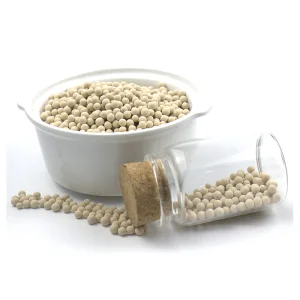
China Zeolite 3A Molecular Sieve

China High Quality Adsorbent Zeolite 3A Molecular Sieve

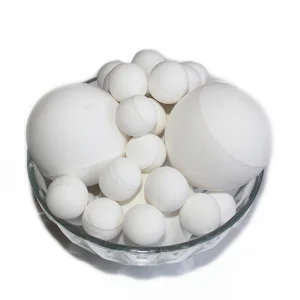
China 99 Alumina Inert Ceramic Ball

China 99% AL2O3 Inert Alumina Ceramic Ball Catalyst Bed Support

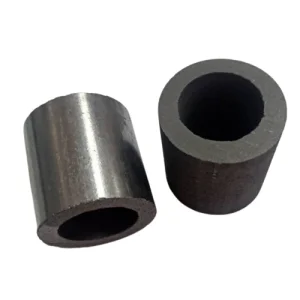
China Carbon Graphite Raschig Ring

China Carbon Graphite Raschig Ring Tower Packing

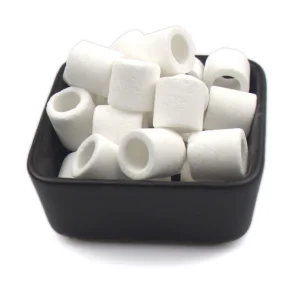
Aquarium Ceramic Filter Media Ceramic Glass Ring

China Aquarium Ceramic Filter Media Ceramic Glass Ring

Stainless Steel Fixed Valve Tray for Distillation

China High Capacity 304 316L Metal Fixed Valve Tray

Thermal Storage RTO RCO Honeycomb Ceramic

China Thermal Storage RTO/RCO Honeycomb Ceramic Catalyst Converter

Metal Dixon Ring Theta Ring Wire Mesh Random Packing

Wholesale 304 316L Stainless Steel Metal Dixon Ring (Theta Ring)

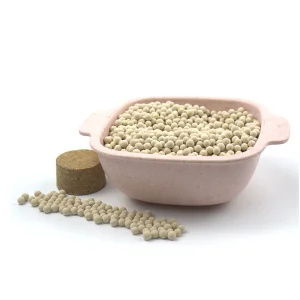
PSA Oxygen Generator 13X Molecular Sieve

China PSA Oxygen Generator 13X Molecular Sieve Supplier, Quotes

Direct Factory Technical Engagement

Need Process Sizing, Sieve Mass Calculations, or Factory Quotes?

Our senior process engineers provide breakthrough adsorption curves, pressure drop simulations, and customized tower packing selections tailored to your exact gas composition.

Consult an Adsorption Engineer Download Engineering Catalog
Direct Sales: [email protected] Technical Support: +86-13979922265 Pingxiang High-Tech Industry Park, Jiangxi, China