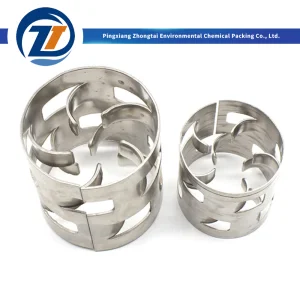
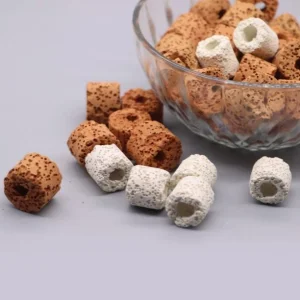
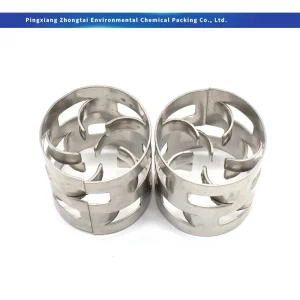
High-performance synthetic zeolites, ceramic packing elements, and structured column internal components supplied directly from certified Chinese manufacturing hubs.
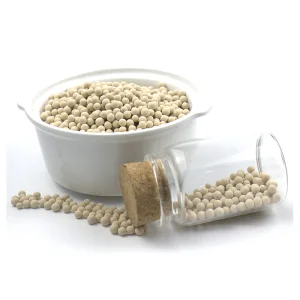
Molecular Sieve 13X is the sodium form of the Type X synthetic crystal, featuring a crystallographic structure composed of aluminosilicate frameworks (Faujasite - FAU structural code) with an effective pore aperture of approximately 10 Angstroms (1.0 nm).
In chemical engineering, refining, and industrial gas purification, Molecular Sieve 13X represents one of the most versatile and crucial solid adsorbents. Unlike narrow-pore zeolites such as 3A, 4A, or 5A, the 10Å aperture of Type 13X allows it to adsorb larger molecular species that are excluded by smaller pore networks. It can adsorb any molecule smaller than 10Å, including aromatic hydrocarbons, branched-chain paraffin, carbon dioxide (CO2), hydrogen sulfide (H2S), mercaptans, and trace polar contaminants.
The pricing structure of China Molecular Sieve 13X has evolved into an international benchmark. Global procurement teams evaluate Chinese manufacturers not merely on bulk cost per metric ton, but on technical parameters including static CO2 adsorption capacity, crush strength, mass transfer zone (MTZ) kinetics, and binder composition stability (attapulgite or clay-bound vs binderless variants).
How energy transitions, industrial gas expansion, and clean fuel mandates are reshaping the global supply chain for molecular sieve adsorbents.
The rapid expansion of global steel making, chemical processing, and electronics manufacturing has accelerated demand for high-capacity 13X-APG (Air Separation Grade) molecular sieves. These specialized beds remove trace moisture, CO2, and hydrocarbons (like acetylene) to prevent freezing and explosion hazards in cryogenic cold boxes.
With global shifts toward liquefied natural gas (LNG) as a transitional energy source, gas sweetening units require molecular sieves capable of deep removal of H2S and organic sulfur compounds (mercaptans, COS) while withstanding severe pressure swing cycles.
The global healthcare infrastructure continues to deploy PSA (Pressure Swing Adsorption) medical oxygen systems. Specialized 13X-HP and Lithium-exchanged zeolites provide exceptional N2/O2 separation efficiency, driving steady demand for high-purity micro-spherical beads.
How modernized Chinese chemical packing factories integrate raw synthesis, automated forming, energy-efficient calcination, and strict QA protocols.
Leading Chinese molecular sieve manufacturers maintain direct vertical integration with sodium silicate (water glass) and sodium aluminate production lines. By controlling the raw hydrothermal crystallization process, factories ensure consistent Si/Al ratios, high phase purity, and zero contamination from unreacted alumina amorphous phases.
Modern plants utilize automated continuous pan granulators and extrusion lines equipped with real-time particle-size imaging sensors. This guarantees narrow particle size distribution (e.g., 1.6–2.5 mm or 3.0–5.0 mm), minimizing column packing void space variations and suppressing premature pressure drop spikes during high-velocity gas flow.
Standard industrial parameters for grade evaluation, baseline performance verification, and batch inspection standards.
| Property / Specification Parameter | 13X Spherical (1.6-2.5 mm) | 13X Spherical (3.0-5.0 mm) | 13X-APG (Air Separation) | 13X-HP (Oxygen Grade) |
|---|---|---|---|---|
| Nominal Pore Aperture | 10 Å (1.0 nm) | 10 Å (1.0 nm) | 10 Å (1.0 nm) | 10 Å (1.0 nm) |
| Bulk Density (g/ml) | 0.62 – 0.68 | 0.60 – 0.66 | 0.64 – 0.70 | 0.62 – 0.67 |
| Crush Strength (N/particle) | ≥ 35 N | ≥ 75 N | ≥ 40 N | ≥ 38 N |
| Static Water Adsorption (% wt) | ≥ 26.5% | ≥ 26.0% | ≥ 27.0% | ≥ 27.5% |
| Static CO2 Adsorption (% wt) | ≥ 17.5% | ≥ 17.0% | ≥ 18.5% | ≥ 19.0% |
| Attrition Rate (% wt) | ≤ 0.10% | ≤ 0.10% | ≤ 0.05% | ≤ 0.08% |
| Package Moisture Content (% wt) | ≤ 1.0% | ≤ 1.0% | ≤ 0.8% | ≤ 0.8% |
Understanding FOB/CIF pricing variables, binder selection, packaging options, and bulk volume discounts for engineering contractors.
The price of molecular sieve 13X closely tracks regional prices for synthetic sodium silicate and aluminum hydroxide. Higher-purity precursors yield superior crystalline phase retention (up to 98% FAU phase pure), commanding a 10-15% premium over commercial utility grades.
Standard 13X zeolites incorporate 15-20% inert clay binders (attapulgite or kaolin) to impart mechanical crush strength. Advanced Binderless 13X transforms the clay binder matrix into active zeolite crystals, raising working capacity by 20% while increasing manufacturing costs.
Adsorbent moisture preservation is vital. Pricing varies depending on packaging specs: standard 25 kg airtight drums, 150 kg airtight steel drums with internal polyethylene liners, or 1000 kg supersacks with vacuum nitrogen blankets.
Note: Actual pricing depends on batch quantity, specification, micro-bead size distribution, and custom packaging request.
Where and how 13X molecular sieves operate inside refineries, chemical plants, gas processing stations, and environmental treatment facilities.
In Air Separation Units, atmospheric air is compressed and cooled before entering twin-bed temperature swing adsorption (TSA) vessels. 13X-APG molecular sieve beds remove water vapor down to dewpoints below -70°C, and strip CO2 from 400 ppm down to less than 1 ppm. This prevents solid carbon dioxide and ice formation inside the main cryogenic heat exchanger, avoiding catastrophic flow blockages.
Raw natural gas streams frequently carry hydrogen sulfide (H2S), methyl mercaptan, ethyl mercaptan, and carbonyl sulfide (COS). Molecular Sieve 13X is selected due to its 10Å aperture, which accommodates the steric bulk of organosulfur compounds. By operating dual fixed beds in thermal swing adsorption mode, gas processing facilities produce pipeline-spec clean gas and sweet LPG fuel.
Answers to common chemical engineering, procurement, and operational questions regarding 13X molecular sieves.
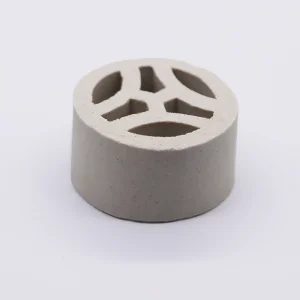
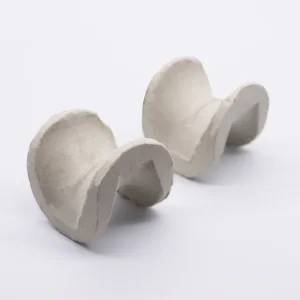
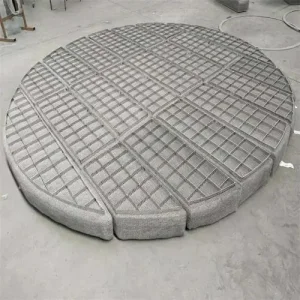
Complete column internals, structured packings, random ceramic rings, and biological media manufactured to international engineering standards.