Direct factory supply featuring high-purity alumina, yttria-stabilized zirconia, and corrosion-resistant random packing media engineered for extreme industrial environments.
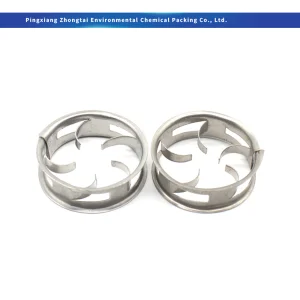
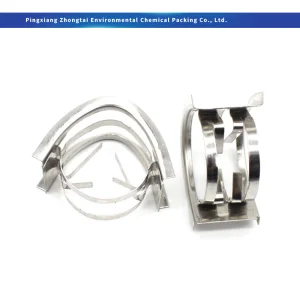
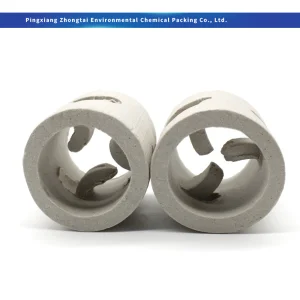
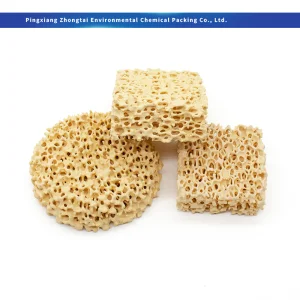
Understanding the strategic shift toward precision-engineered ceramic grinding media across mining, advanced materials, and chemical processing sectors.
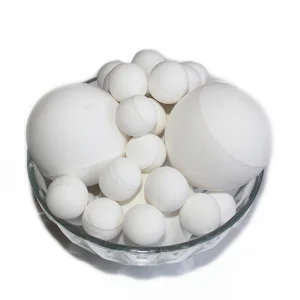
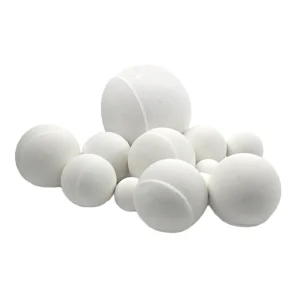
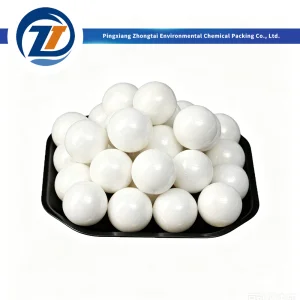
In modern industrial comminution and ultra-fine wet/dry milling operations, ceramic grinding media—comprising high-alumina ceramic balls, yttria-stabilized zirconia (YSZ) beads, and ceria-stabilized zirconia media—have almost completely superseded traditional forged steel and cast iron grinding media. The global transition toward ceramic grinding media is overwhelmingly propelled by three macro factors: the demand for zero iron contamination in battery cathode production, the rapid expansion of ultrafine mineral beneficiation (such as gold, copper, and calcium carbonate processing), and the necessity for energy-efficient fine particle size reduction.
China has firmly established itself as the global epicenter for industrial ceramic manufacturing, accounting for over 70% of the world's total production capacity of alumina and zirconia grinding media. Strategic manufacturing hubs, such as Pingxiang in Jiangxi Province, leverage vast natural kaolin and bauxite reserves, highly integrated industrial supply chains, advanced cold isostatic pressing (CIP) systems, and state-of-the-art continuous tunnel kilns operating at temperatures reaching up to 1700°C. For international procurement directors, OEM project engineering teams, and plant directors, sourcing ceramic grinding balls directly from established Chinese manufacturers offers an unbeatable combination of cost efficiency, strict quality compliance under ISO 9001 and ISO 14001, and customized formulation flexibility.
Demands zero metallic contamination. Ultra-pure 95% Yttria-Stabilized Zirconia (YSZ) beads guarantee particle size reduction down to d50 < 100nm for LFP and NCM battery precursor slurries without iron pickup.
Large vertical stirred mills (Tower Mills, IsaMills) utilize high-density 92% and 95% Al2O3 alumina grinding media to reduce operational power consumption by 30-50% compared to conventional horizontal ball mills.
Titanium dioxide (TiO2), ink formulations, and technical ceramics rely on non-reactive, acid-resistant ceramic grinding media with self-polishing surfaces to maintain vivid color brilliance and purity.
Comprehensive chemical composition, physical properties, microhardness, and wear-rate metrics across standard industrial grades.
| Material Specification Grade | Primary Chemical Composition | Bulk Density (g/cm³) | Mohs / Vickers Hardness | Self-Wear Loss Rate (% / 24h) | Primary Milling Equipment & Applications |
|---|---|---|---|---|---|
| 92% Alumina (Al2O3) Grinding Ball | Al2O3 ≥ 92%, SiO2 + MgO balance | ≥ 3.60 g/cm³ | Mohs 9.0 / Hv10 ≥ 1050 | ≤ 0.010% | Continuous & batch ball mills, ceramic glazes, sanitaryware, silica sand processing. |
| 95% High-Alumina Media | Al2O3 ≥ 95%, ZrO2 modified | ≥ 3.68 g/cm³ | Mohs 9.0 / Hv10 ≥ 1150 | ≤ 0.008% | Stirred vertical mills, heavy mining comminution, white cement, mineral processing. |
| Zirconia Toughened Alumina (ZTA) | Al2O3 70–80%, ZrO2 15–25% | ≥ 4.10–4.50 g/cm³ | Mohs 9.0 / Hv10 ≥ 1250 | ≤ 0.005% | High-speed pin mills, ultrafine calcium carbonate (GCC), agricultural chemicals. |
| Yttria Stabilized Zirconia (YSZ) | ZrO2 ≥ 94.8%, Y2O3 5.2 ± 0.5% | ≥ 6.00 g/cm³ | Mohs 9.0 / Hv10 ≥ 1280 | ≤ 0.001% (ppm level) | Nano bead mills, MLCC ceramics, lithium-ion battery cathode/anode slurry grinding. |
| Ceria Stabilized Zirconia (CSZ) | ZrO2 ~ 80%, CeO2 ~ 20% | ≥ 6.20 g/cm³ | Mohs 9.0 / Hv10 ≥ 1180 | ≤ 0.003% | Heavy-viscosity coatings, paints, calcium carbonate wet grinding mills. |
| 99% High Purity Inert Support Media | Al2O3 ≥ 99.0%, SiO2 ≤ 0.2% | ≥ 3.75 g/cm³ | Mohs 9.0 / Hv10 ≥ 1400 | N/A (Inert Bed) | Petrochemical reactor catalyst bed support, high-temperature steam reformers. |
The operational efficiency of ceramic grinding media depends on the grain size of the sintered ceramic matrix. In standard 92% Alumina balls, the crystalline phase consists of alpha-alumina micro-crystals bonded by an amorphous silicate glass phase. However, in advanced Yttria-Stabilized Tetragonal Zirconia Polycrystals (Y-TZP), a phenomenon known as stress-induced phase transformation toughening occurs.
When a crack attempts to propagate through a Y-TZP bead under high-impact milling forces, the metastable tetragonal zirconia grains around the crack tip transform into a monoclinic phase. This transformation is accompanied by a volume expansion of approximately 3% to 5%, which induces compressive stresses that squeeze the crack tip shut, halting micro-fracture propagation. Consequently, Y-TZP grinding beads exhibit a fracture toughness (K1c) reaching 7.0 to 9.0 MPa·m1/2, which is three times higher than standard alumina media.
To assist process engineers in evaluating media consumption costs, the specific wear loss formula applied in plant audits is expressed as:
Switching from 92% Alumina to high-density Y-TZP beads in vertical stirred mills typically reduces media consumption from 250 grams per ton of ground mineral down to less than 15 grams per ton, delivering massive total cost of ownership (TCO) savings despite the higher upfront per-kilogram acquisition price.
Factory-direct FOB China pricing guidelines across chemical grades, sizes, and manufacturing press methods.
| Product Category & Size Range | Forming Method | FOB China Indicative Price Range (USD/Metric Ton) | MOQ Requirement | Packaging Standard |
|---|---|---|---|---|
| 92% Alumina Ceramic Ball (Dia 10mm - 60mm) | Isostatic Pressing / Rolling | $850 – $1,250 / Ton | 5 Metric Tons | 25kg PP bag + 1000kg Jumbo Bag / Fumigated Pallet |
| 95% High Alumina Grinding Media (Dia 20mm - 70mm) | Isostatic Pressing | $1,300 – $1,750 / Ton | 5 Metric Tons | 1000kg Super Sack with moisture barrier liner |
| Zirconia Toughened Alumina (ZTA) (Dia 1.5mm - 12mm) | Titration / Dropping Method | $3,200 – $4,800 / Ton | 1 Metric Ton | 25kg Plastic Drum inside reinforced Wooden Case |
| Yttria Stabilized Zirconia Beads (0.1mm - 3.0mm) | Electrolyte Dropping / Sintering | $22,000 – $32,000 / Ton | 100 Kg | 25kg Sealed Plastic Bucket / 500kg Custom Container |
| Inert Alumina Catalyst Support Media (17%-99% Al2O3) | Rolling / Extrusion | $450 – $1,850 / Ton | 5 Metric Tons | 25kg Bag or 200L Steel Drums on Pallet |
Next-generation ceramic compositions, AI-driven quality control, and zero-carbon sintering technologies driving the future of industrial grinding.
Development of ultra-fine grain microstructures (< 100nm) utilizing two-step sintering techniques, achieving 20% higher hardness without sacrificing impact fracture resistance.
Full implementation of automated 360-degree high-speed optical inspection systems on 100% of production lines, eliminating micro-cracks and ovality defects before packaging.
Commercialization of Silicon Nitride (Si3N4) and Silicon Carbide (SiC) micro-composite grinding media designed for extreme chemical corrosion and thermal shock environments.
Transitioning tunnel kiln burners to green hydrogen-natural gas blends and electric microwave-assisted sintering systems to achieve net-zero carbon chemical packing manufacturing.
Ensuring full traceability, chemical safety, and structural integrity from raw powder inspection to container loading.
Every production batch undergoes hydraulic load testing (testing crushing strength of individual balls) and 10-meter vertical drop testing onto steel plates to verify internal structural toughness.
X-Ray Fluorescence (XRF) and Inductively Coupled Plasma (ICP) spectroscopy confirm exact oxide composition limits (Al2O3, ZrO2, Y2O3, Fe2O3, Na2O), ensuring compliance with food, pharma, and electronics specs.
Heavy-duty, weather-proof packaging including fumigated wooden crates, double-walled steel drums, and UV-resistant jumbo bags with customized shipping labels, CoO (Form E, CO), and SGS/TÜV inspection certificates.
Expert technical answers regarding ceramic grinding media selection, operational parameters, and sourcing logistics.
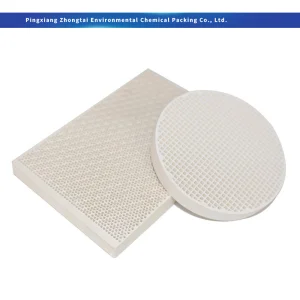
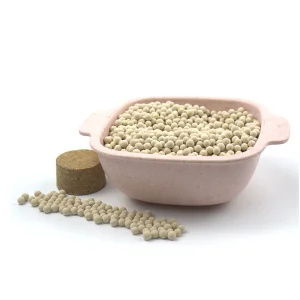
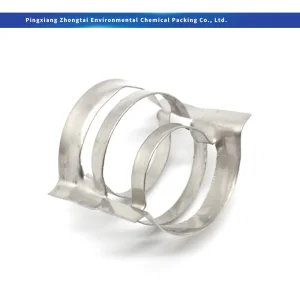
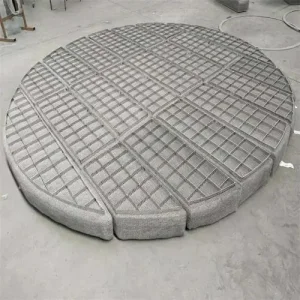
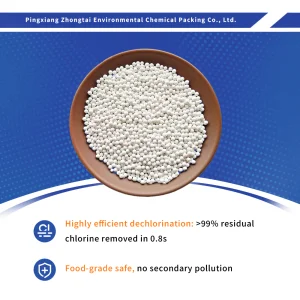
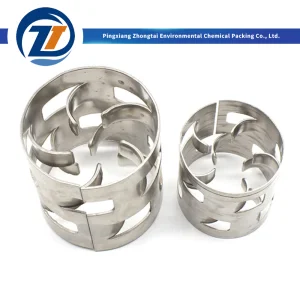
Advanced molecular sieves, chemical tower packings, cordierite heater plates, and heavy-duty catalyst support media manufactured for peak operating efficiency.