1 / 5


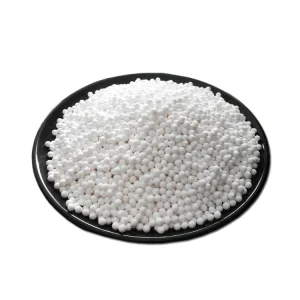
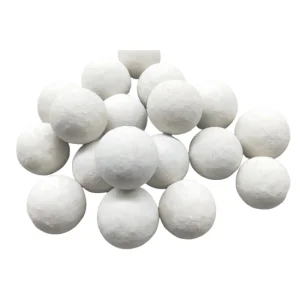
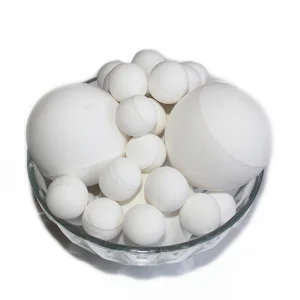
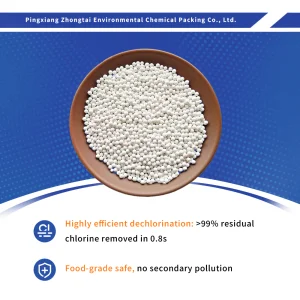
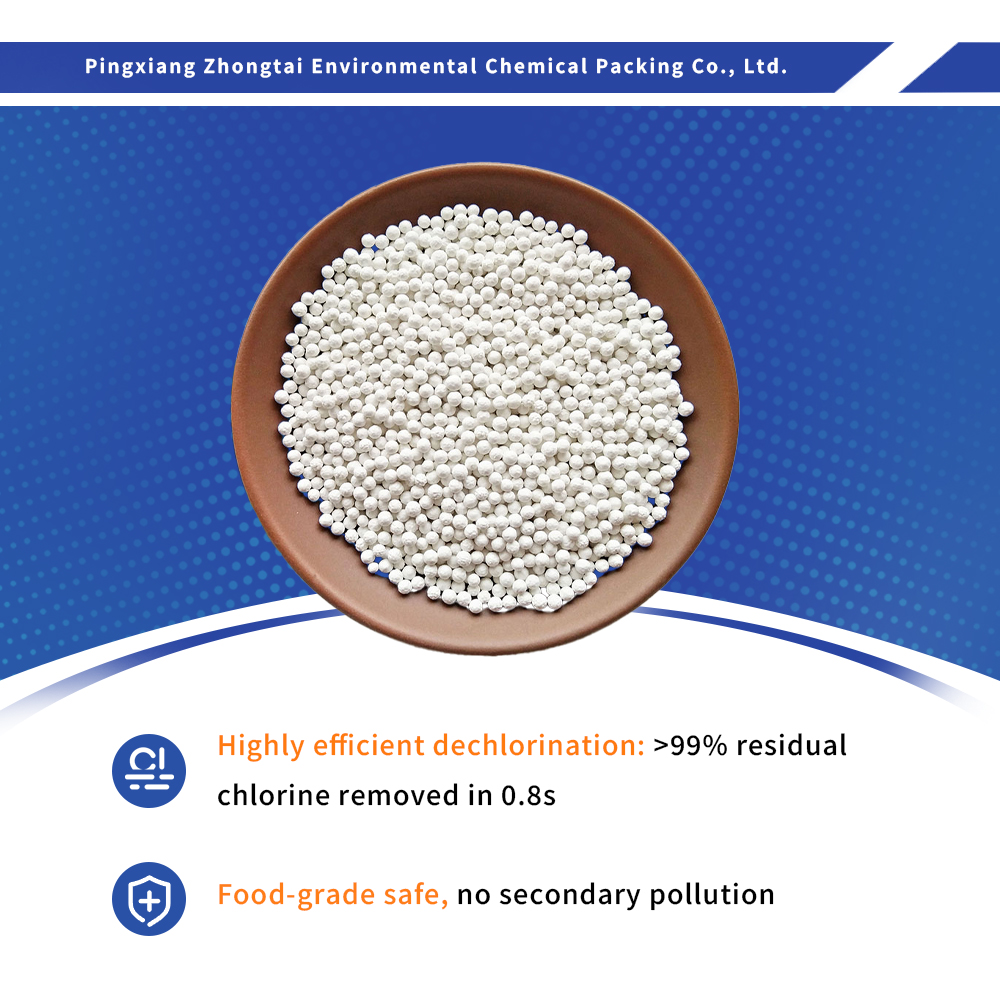
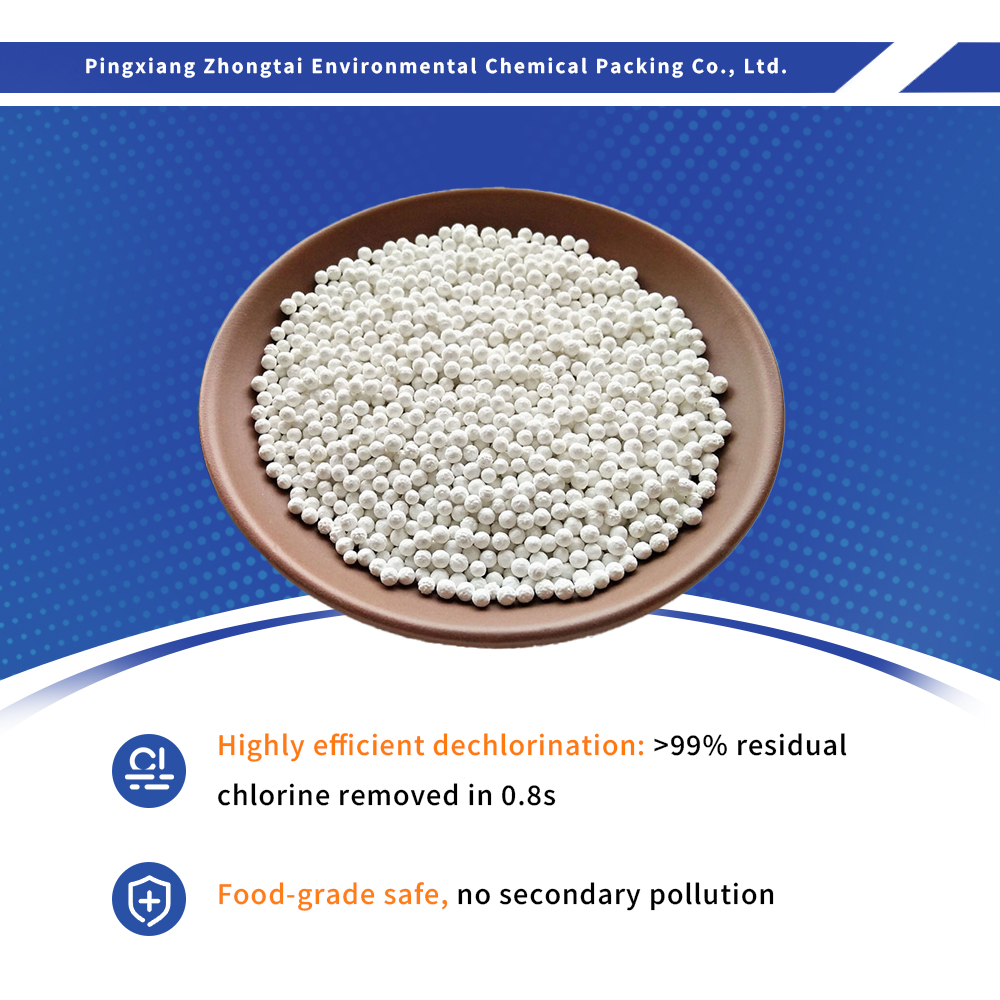
Chlorine Removal Calcium Sulfite Ball is composed of 90% Calcium Sulfite. It is widely used in swimming pool, shower, bath club, chlorine removing equipment and etc. CaSO3 ball has optimal performance in removing chlorine, including C10-, HC10, Cl2, and could remove 99% Chlorine in 0.8 seconds.
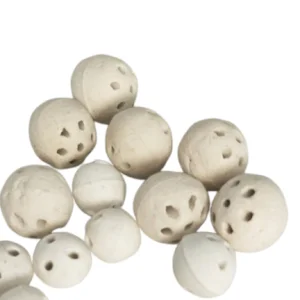
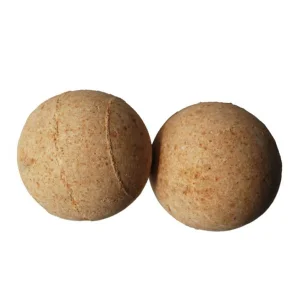
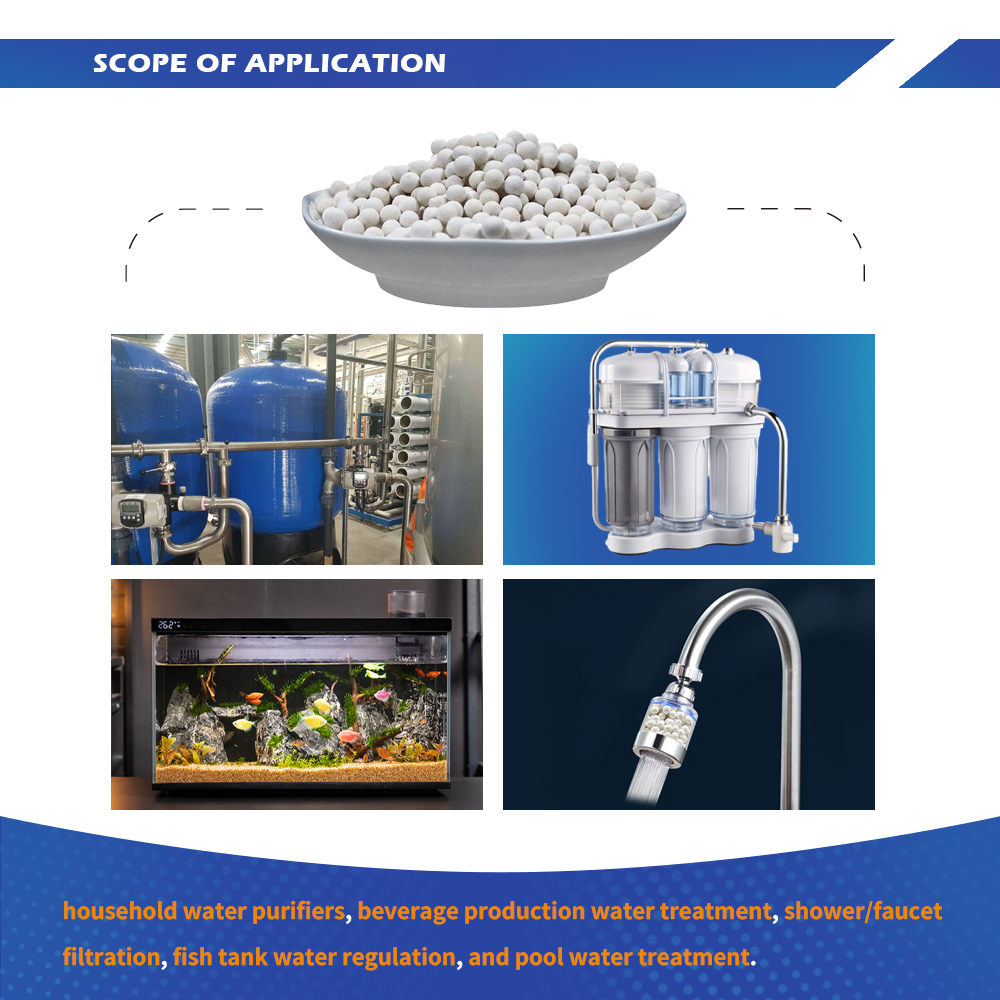
Instruction: Aiming at the residual chlorine in tap water, Nanxiang company developed a new product to remove residual chlorine -- Dechlorination ceramic ball and column(Residual chlorine removal ceramic ball or column), the product is white ceramic ball or column and widely used for a variety of water purifiers,water dispenser, water treatment equipment, and so on. The effect of dechlorination is obviously and welcomed by customers. Its mainly used to remove the residual chlorine in water, including the compound of chlorine and free residual chlorine, such as ClO-(hypochlorite ion), HOCl (hypochlorite), Cl2 (chlorine),etc.
Compared to traditional activated carbon to remove residual chlorine, dechlorination ceramic ball or column is efficient, safe, resistant high temperature,breeding bacteria and other advantages,and compared to KDF copper-zinc alloy,the cost of producing dechlorination ball or column is lower, and its efficiency can reach above 97.5%. Now it is widely used for high-class water treatment system in Taiwan, Japan, South Korea, Malaysia,Australia,Southeast Asian and other countries and regions.
Should wash with clean water for two times before treating water.
Warm water has strong washing effect than cold water. Hot water or boiling water may cause deformation of laundry ball, so please do not use hot water (60 ° C and above) or boiling water while washing.
Application: For various types of water purifier, drinking water dispenser and water supply system and equipments, agriculture and industry, etc.
| Property | Specification |
|---|---|
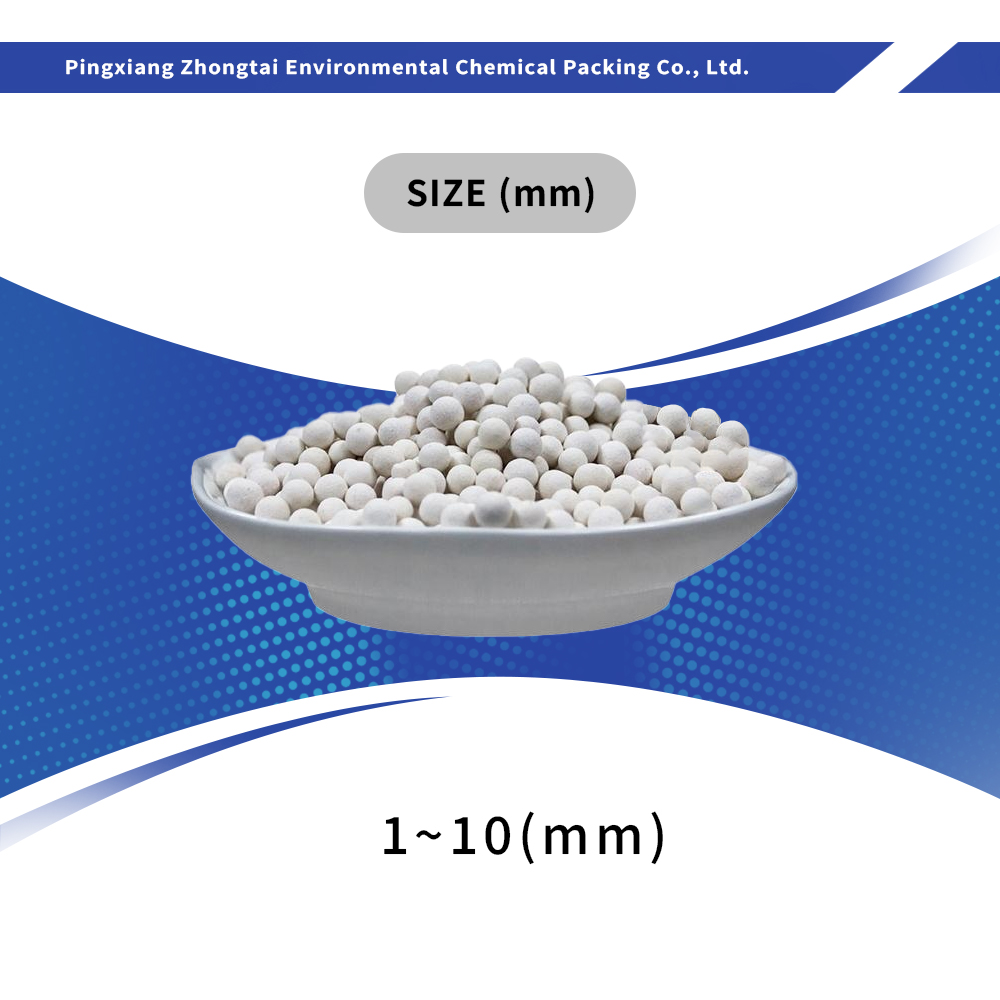
| Diameter | 3~10mm, customerized |
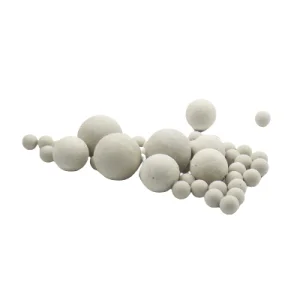
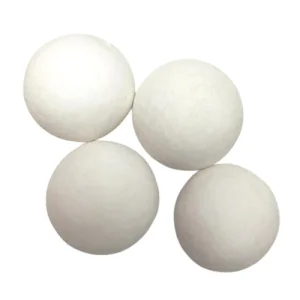
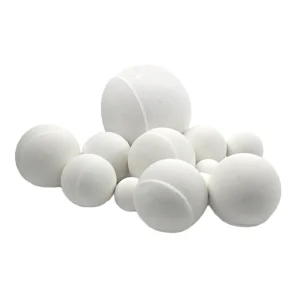
| Appearance | White color spherical ball |
| Material | Food Grade CaSO3 |
| CaSO3 percentage | >=78% |
| CaSO3 dissolution | 0.02mg/L |
| Specific Area cm2/g | >0.5*104 |
| Density g/cm3 | 1.35~1.4 |
| Specific Density g/cm3 | 1.3~1.55 |
| Bulk Density g/m3 | 0.74~0.78 |
| Inner Porosity Rate % | 20% |
| Bulk Porosity Rate % | 39% |
| Clay Pecentage | <=13% |
| Compression Strength N | >=40 |
Substance percentage of 100g Chlorine Removal Calcium Sulfite Ball:
| Component | CaSO3 | CaO | SiO2 | MgO | Na2O | others |
|---|---|---|---|---|---|---|
| CaSO3 ball | 95.1% | 0.3% | 1.0% | 2.6% | 0.7% | 0.3% |
The main function is to remove residual chlorine from water, including hypochlorite ions (ClO-), hypochlorite (HOCl), and free chlorine (Cl2), achieving an efficiency rate of up to 99% in 0.8 seconds.
Compared to activated carbon, CaSO3 ceramic balls are more efficient, safe, high-temperature resistant, and resistant to bacterial growth. Compared to KDF alloy, they offer lower production costs while maintaining high dechlorination efficiency over 97.5%.
Yes, the product uses food-grade CaSO3 material, ensuring no harmful substances are dissolved into the water during filtration, with an extremely low dissolution rate of 0.02 mg/L.
The media should be washed with clean water twice before water treatment starts. Avoid washing with hot or boiling water (60°C and above) to prevent thermal deformation.
The standard ball diameter ranges from 3mm to 10mm and can be customized according to system requirements and filter housing dimensions.