1 / 5




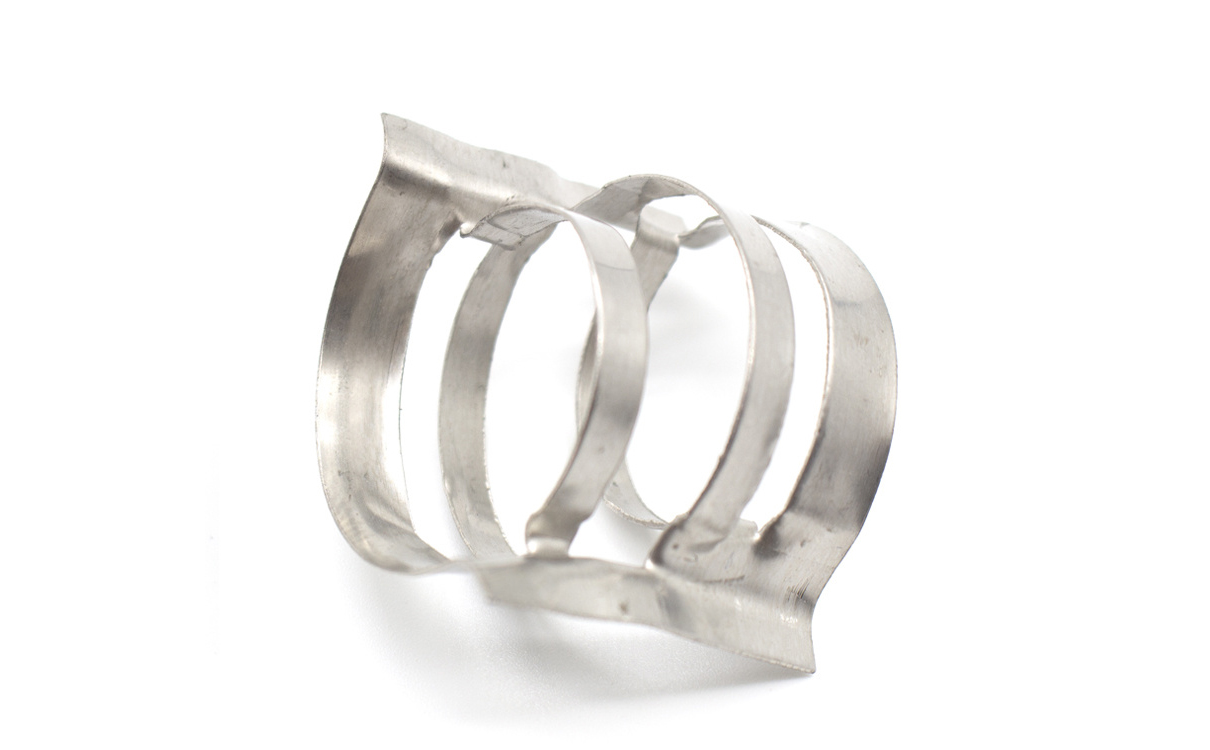
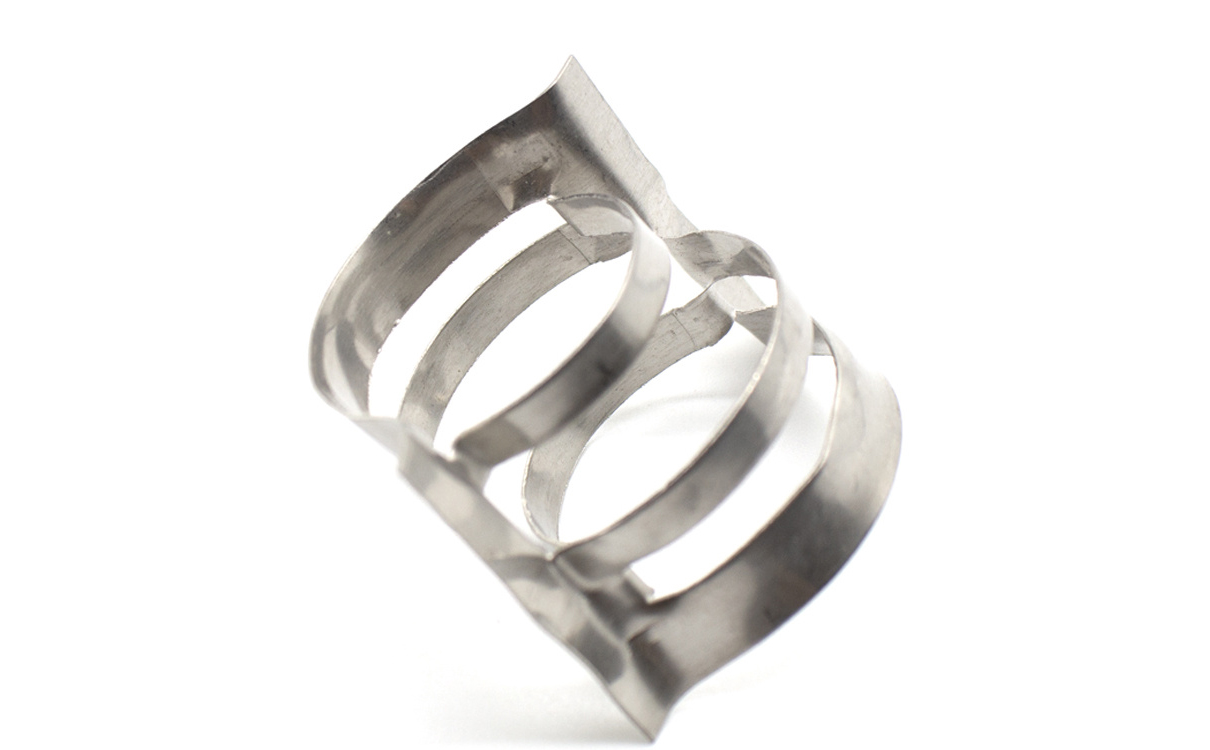
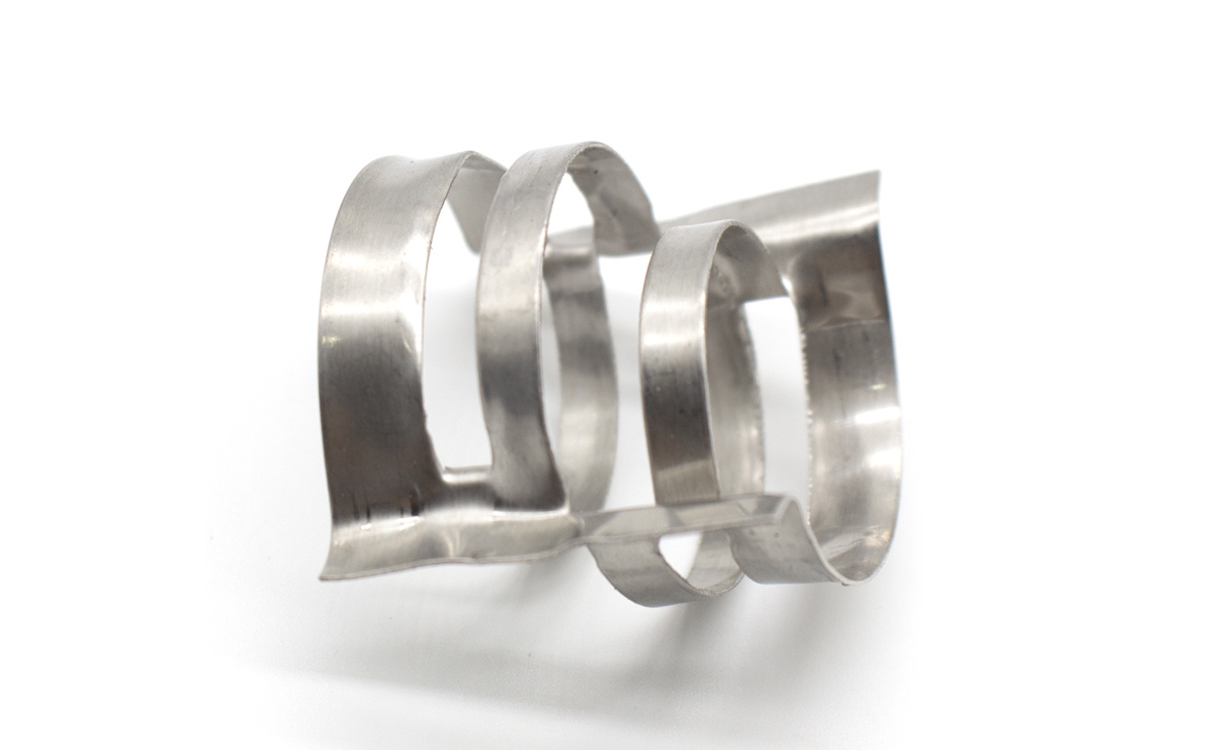
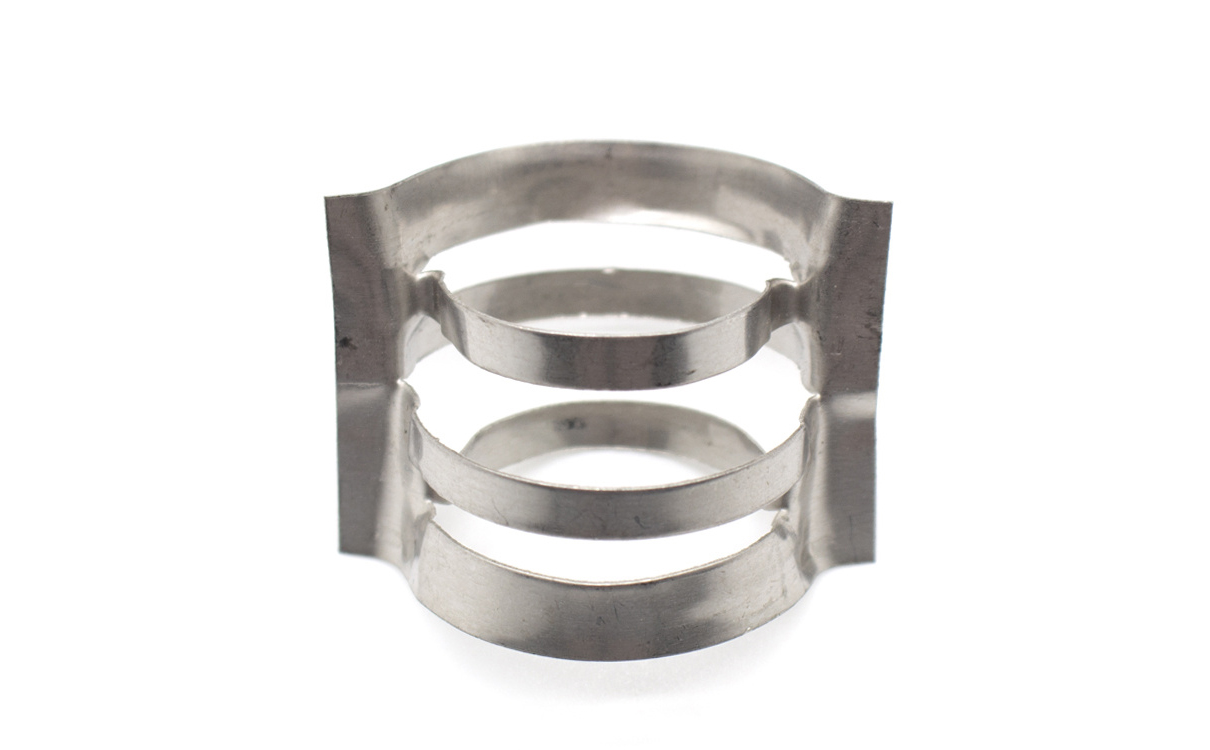
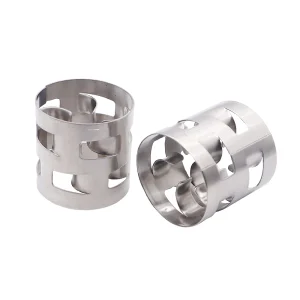
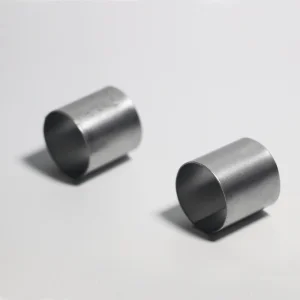
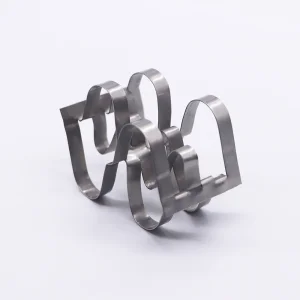
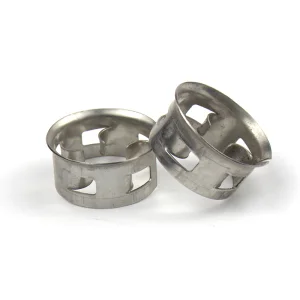
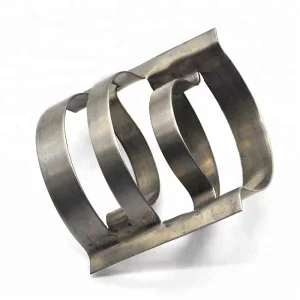
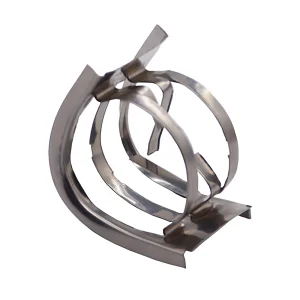
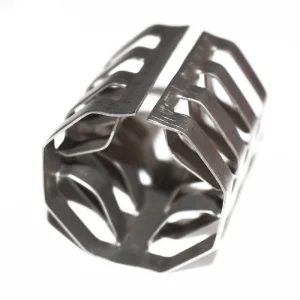
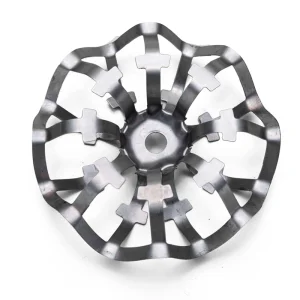
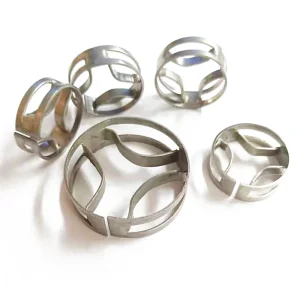
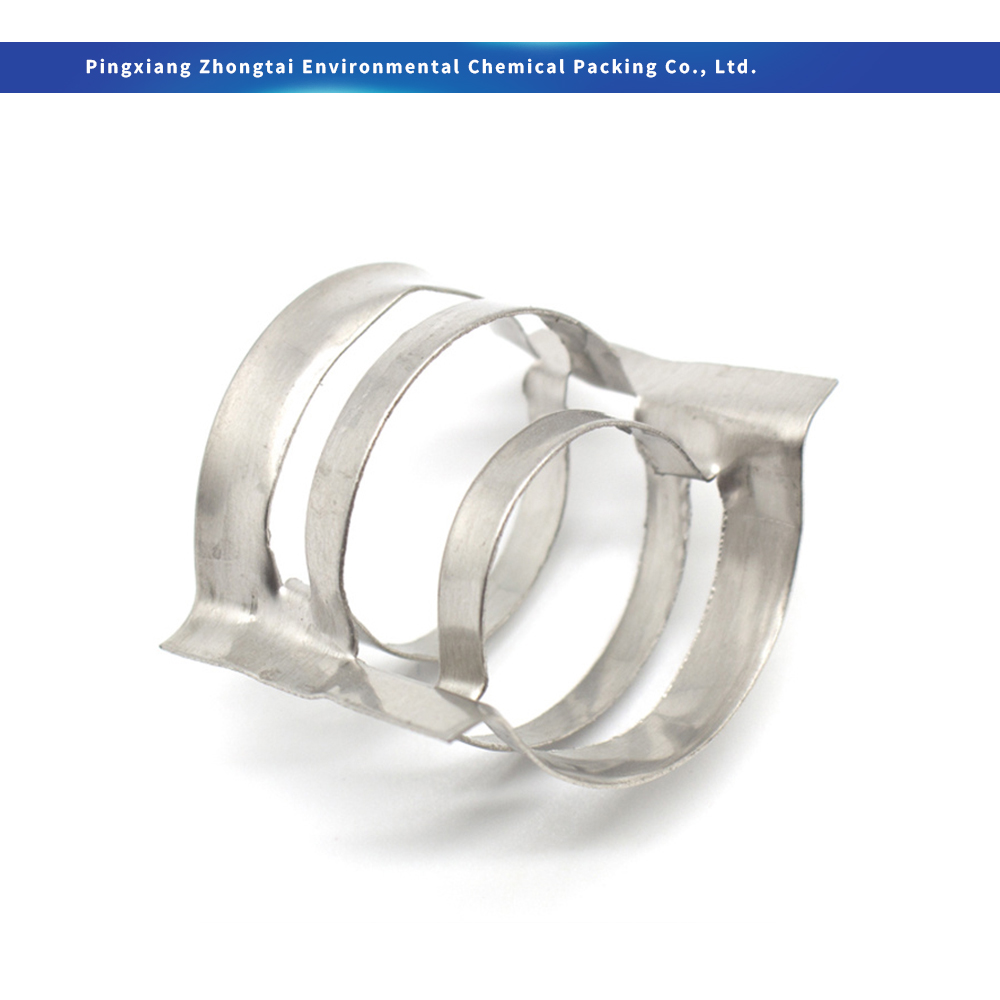
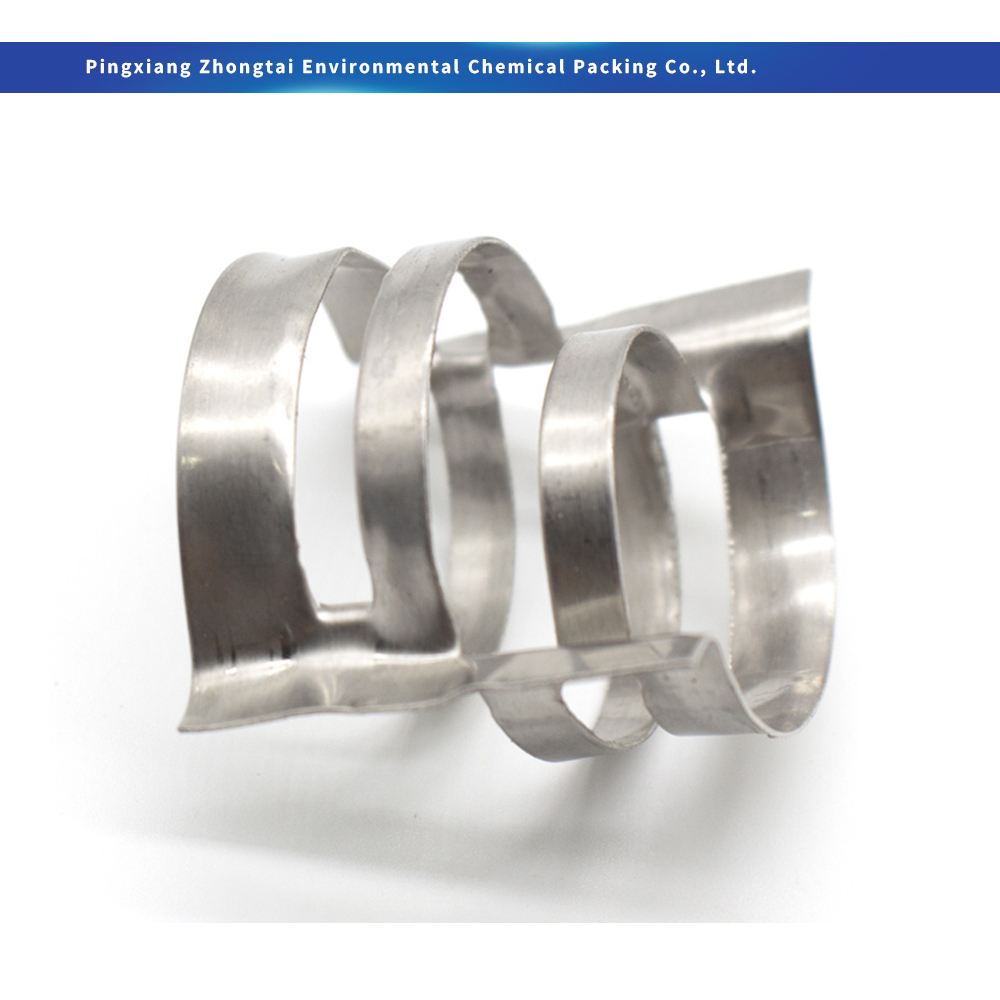
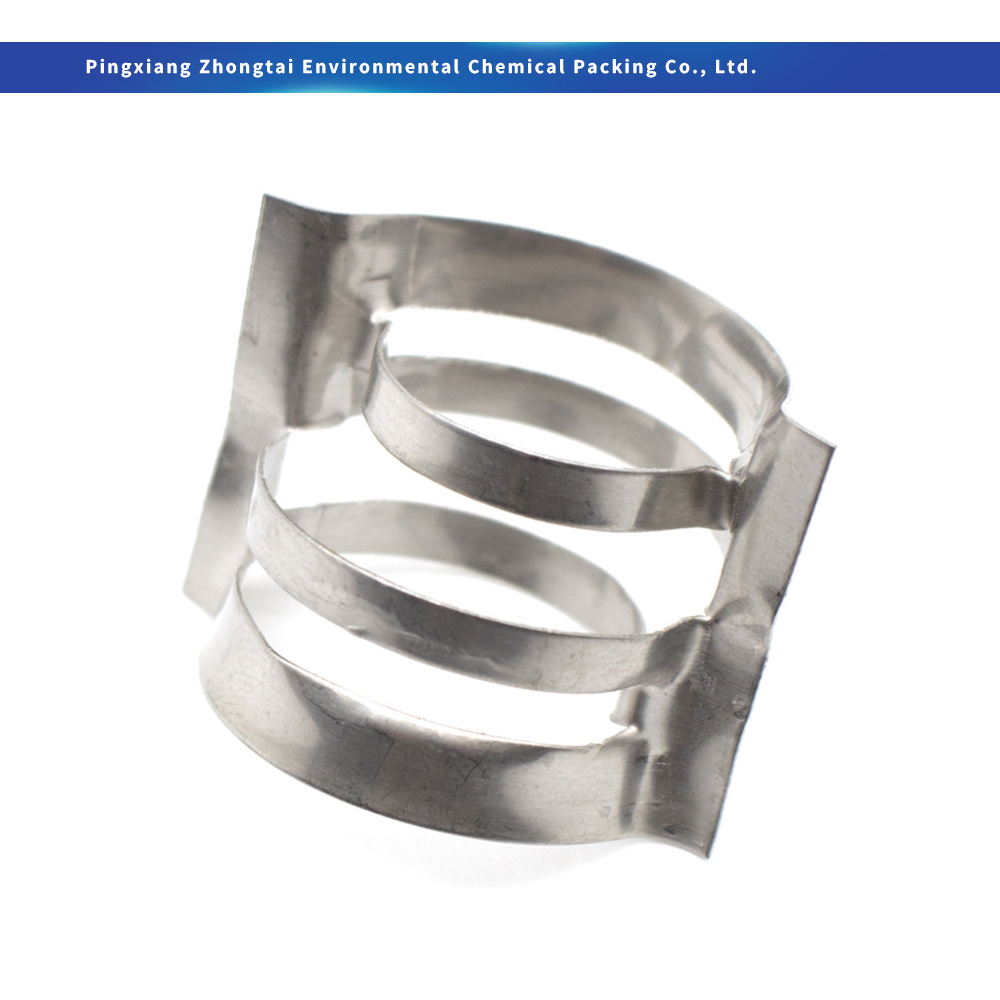
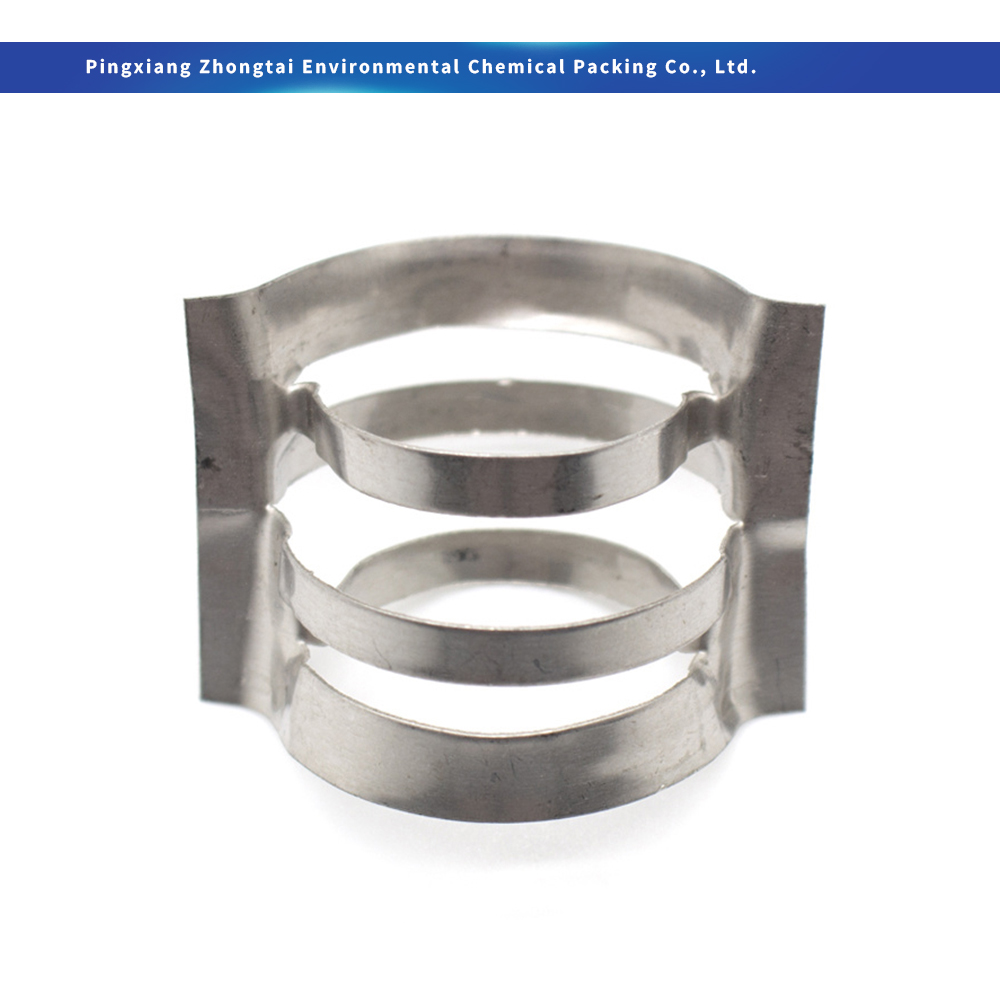
Metal Conjugate Ring is an upgraded high-efficiency metal random packing developed based on the structural advantages of pall rings and cascade mini rings.
Its unique conjugate blade structure with reversed upper and lower ends optimizes gas-liquid flow paths, eliminates dead zones in the tower, and ensures more uniform distribution of both phases.
Compared with traditional metal packing, it features significantly lower pressure drop and higher mass transfer efficiency, with excellent anti-clogging performance even under high liquid load or scaling-prone working conditions.
Manufactured from high-quality 304, 316L stainless steel and carbon steel, it has outstanding corrosion resistance and mechanical strength, supporting stable long-term operation in harsh chemical environments.
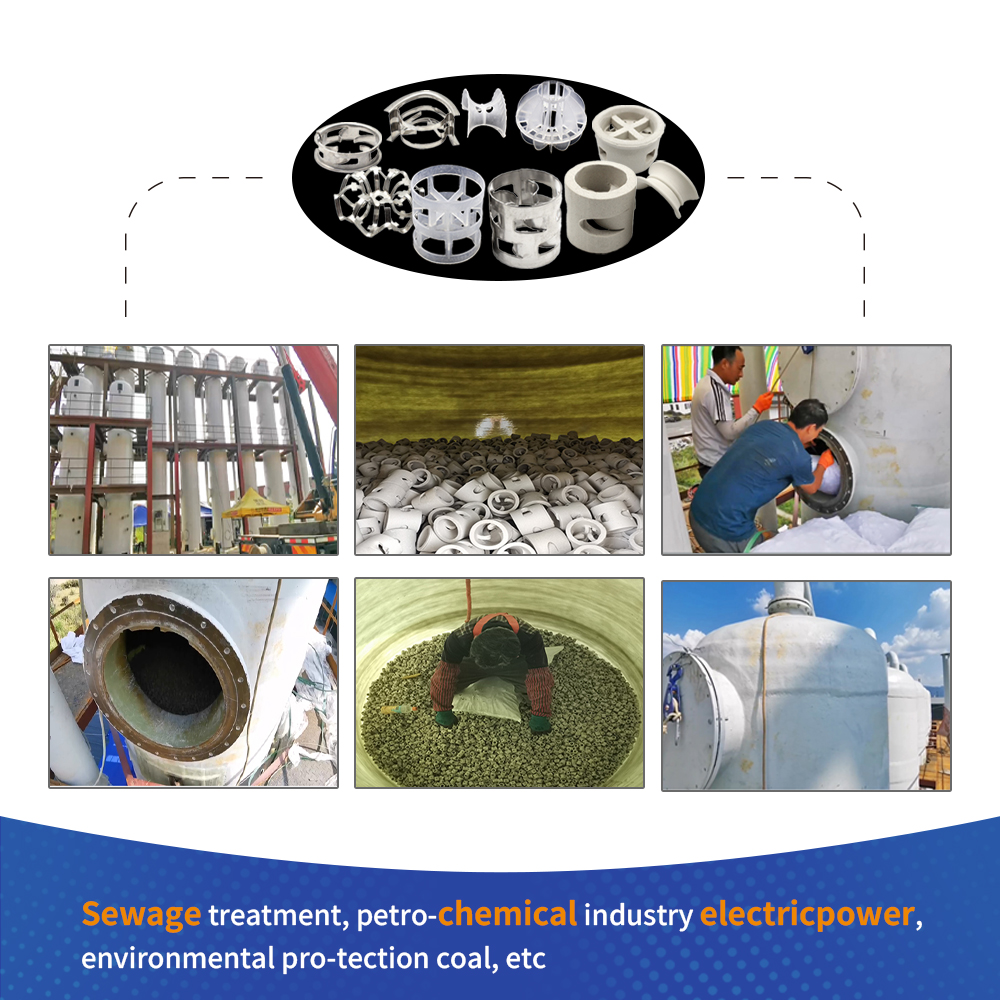
Widely used in chemical distillation towers, absorption towers, petrochemical refining, desulfurization systems and environmental protection tower equipment, and toluene.
| Size (D×H×T, mm) | Specific Surface (m²/m³) | Void Fraction (%) | Packing Number (Pieces/m³) | Bulk Density (kg/m³) |
|---|---|---|---|---|
| 16×16×0.4 | 313 | 97 | 211,250 | 354 |
| 25×25×0.5 | 185 | 95 | 75,000 | 216 |
| 38×38×0.8 | 116 | 96 | 19,500 | 131 |
| 50×50×0.8 | 86 | 96 | 9,772 | 97 |
| 80×80×0.8 | 81 | 95 | 3,980 | 94.5 |





The Metal Conjugate Ring is an advanced random tower packing developed by synthesizing the geometric benefits of pall rings and cascade mini rings. Its inverted conjugate blades facilitate ideal gas-liquid redistribution and prevent stagnation within packed columns.
Metal Conjugate Rings are primarily fabricated from high-grade stainless steel (SS304, SS316L) and carbon steel, ensuring high structural strength, thermal stability, and corrosion resilience in aggressive processing environments.
It exhibits a significantly lower operating pressure drop, superior void fraction (95% - 97%), and high mass-transfer efficiency. Furthermore, its smooth fluid passage effectively suppresses fouling and fouling-induced clogging under high liquid rates.
They are commonly utilized in chemical distillation towers, petrochemical fractionation, absorption processes, flue gas desulfurization (FGD) systems, environmental scrubbers, and organic chemical separations such as toluene distillation.
Selection depends on column diameter, throughput requirements, gas-liquid load ratios, and target separation stages. Standard dimensions range from 16×16×0.4 mm to 80×80×0.8 mm to accommodate diverse process scales.