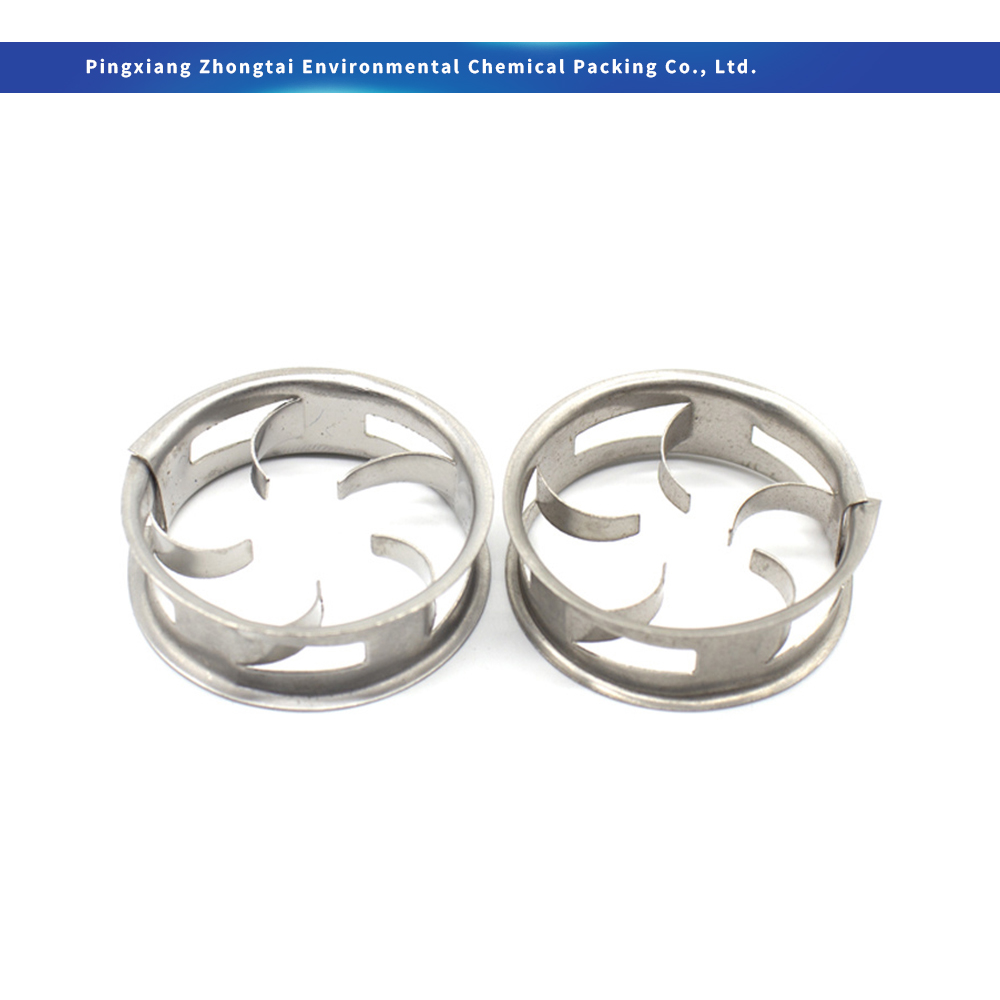
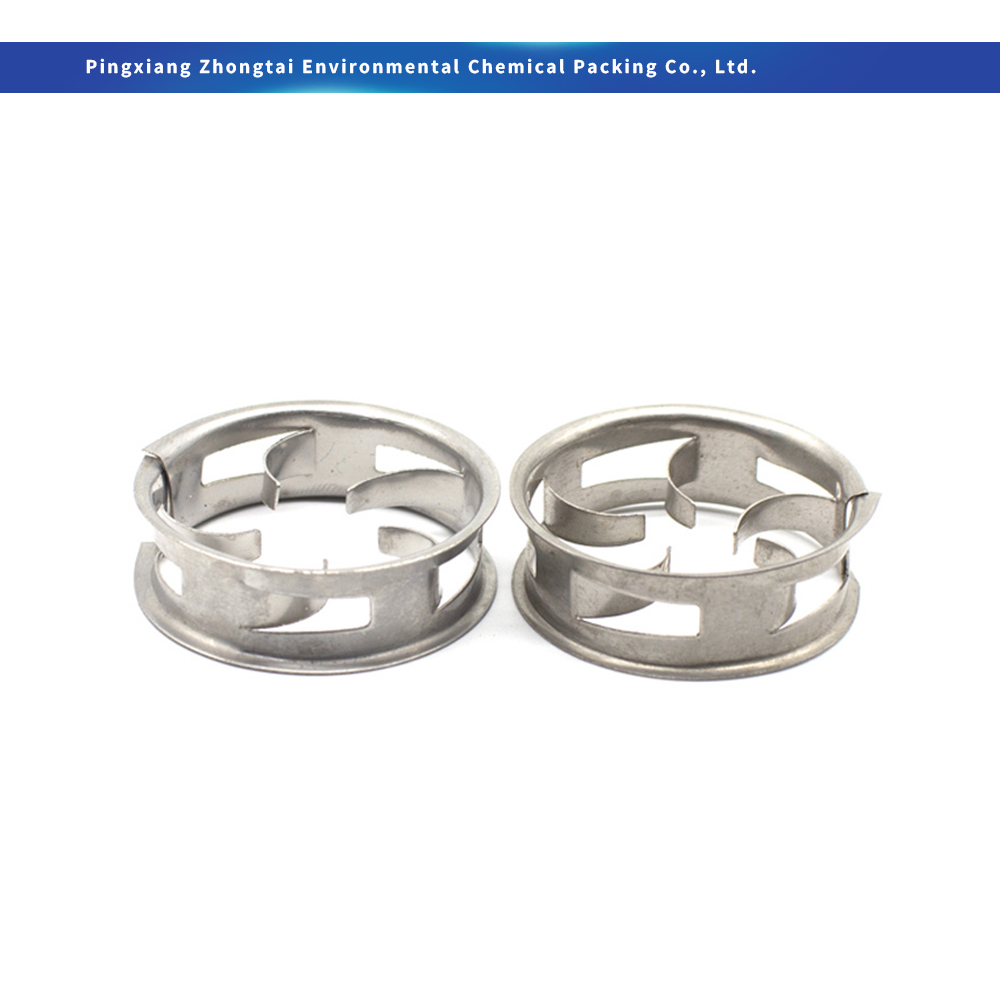
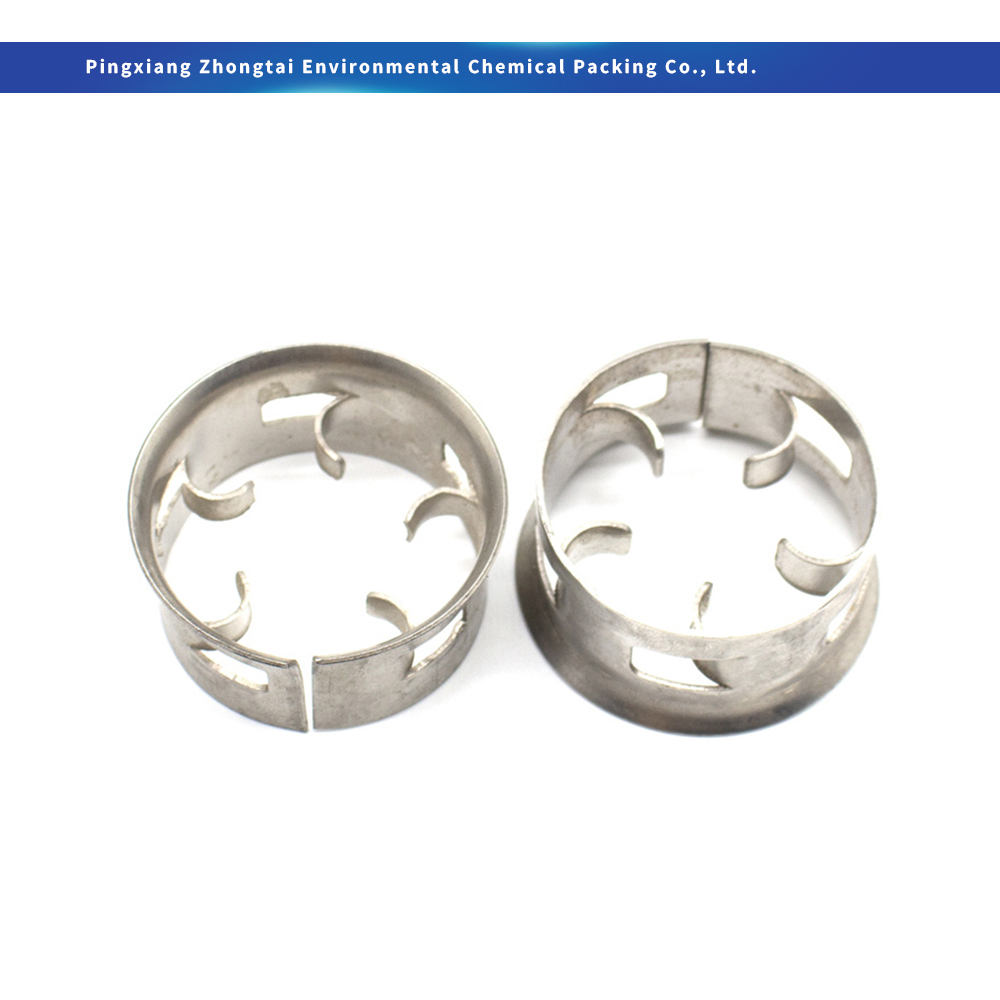
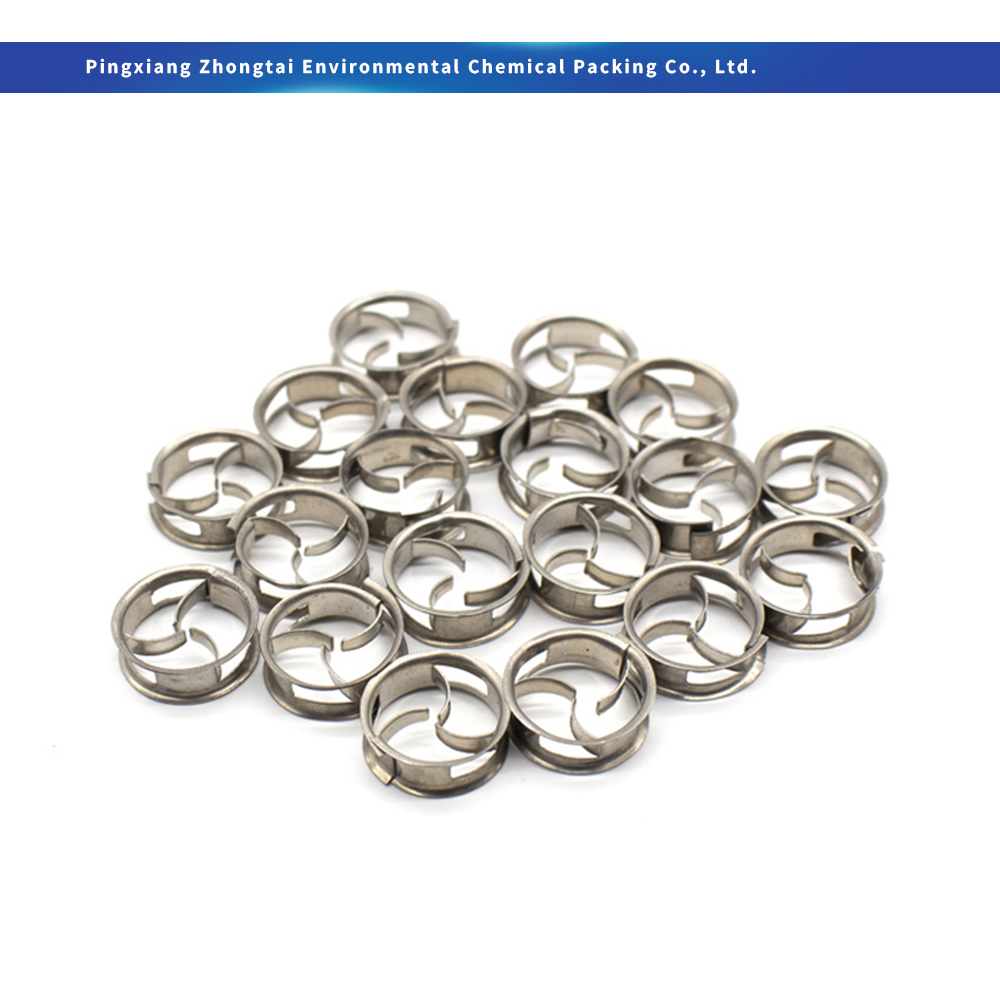
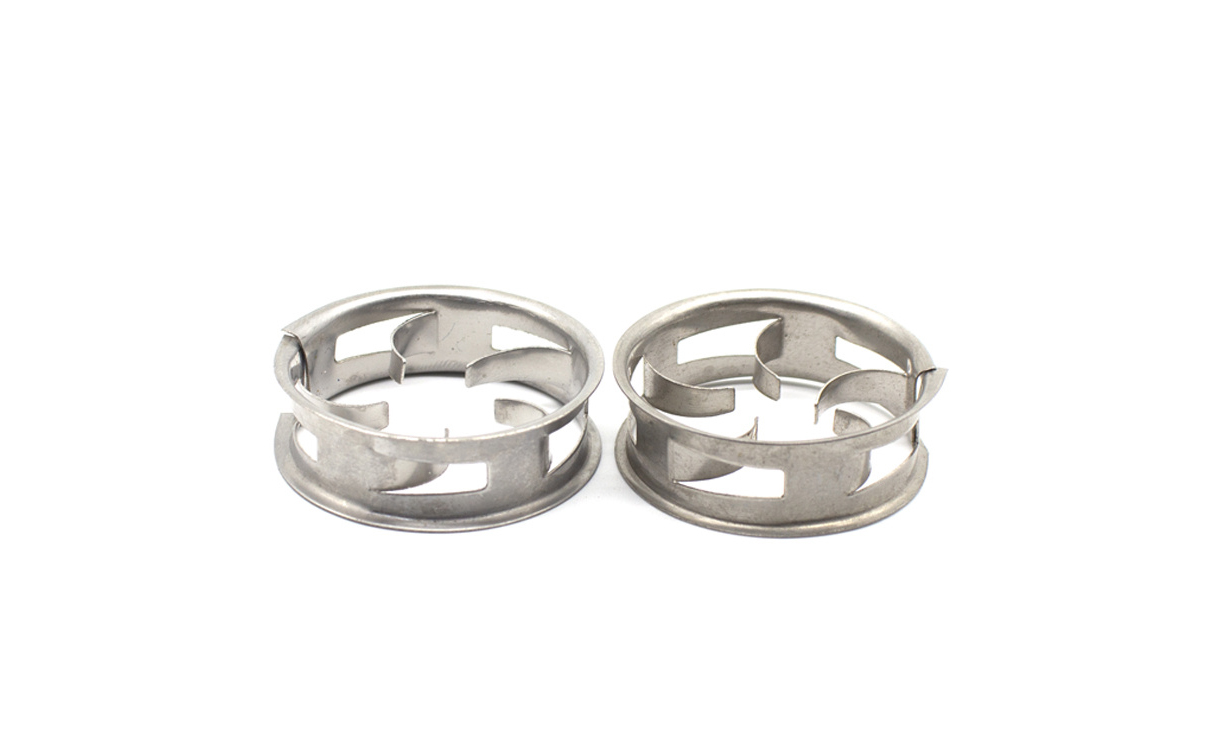
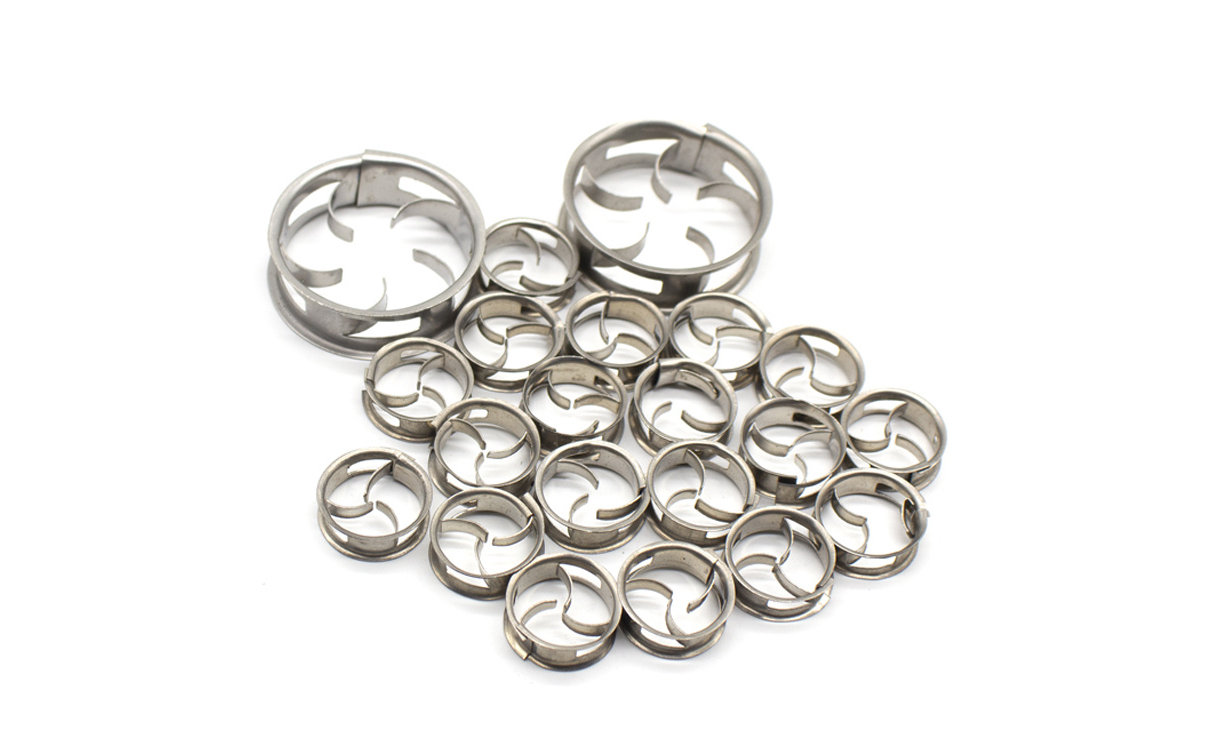
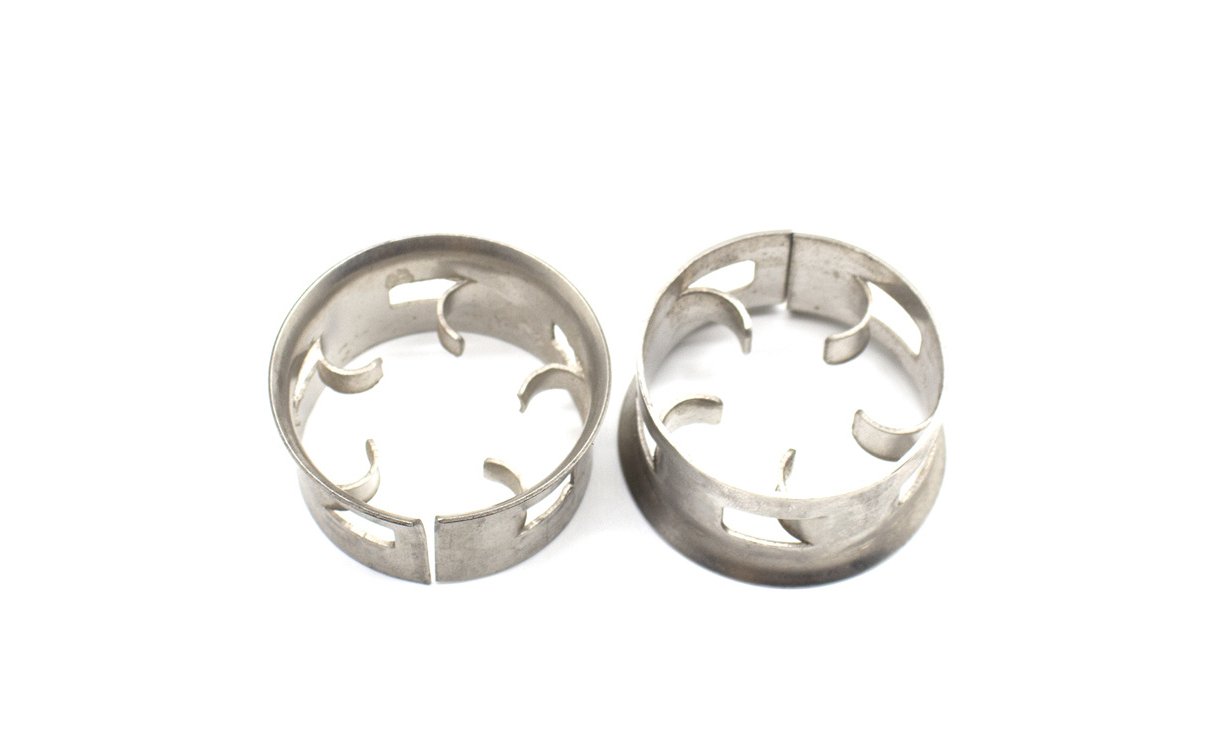
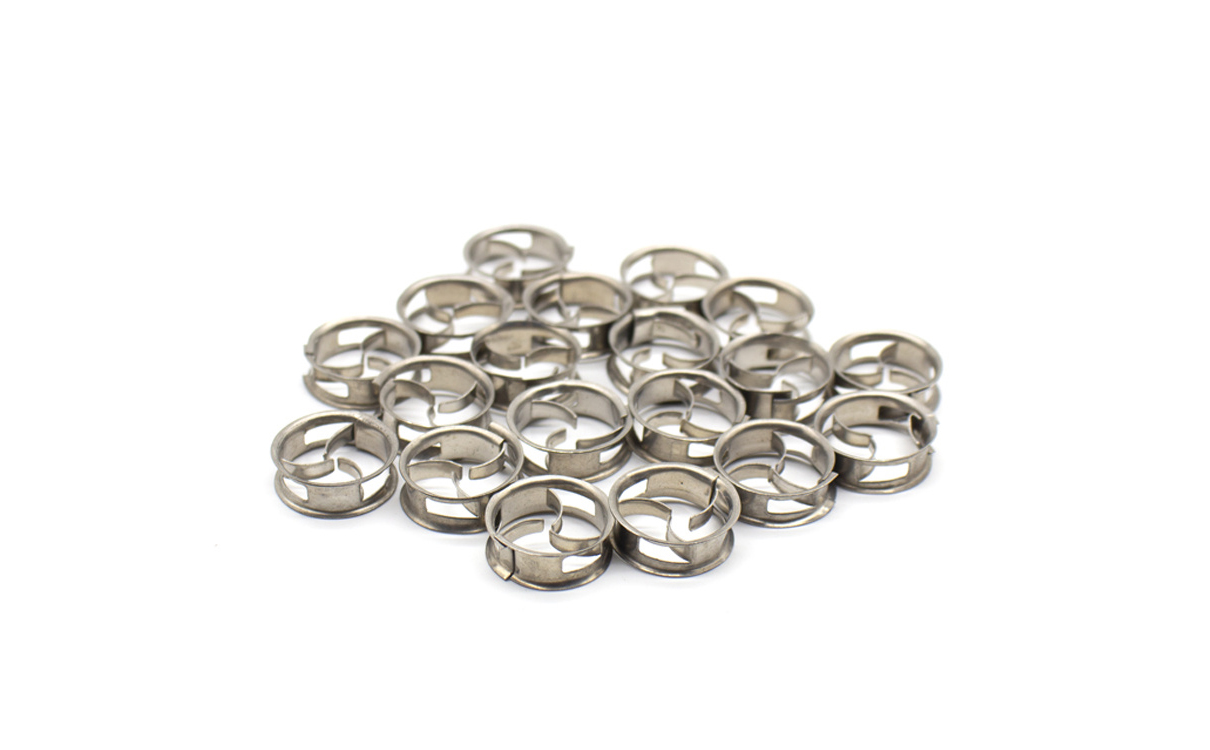
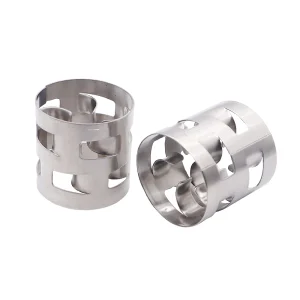
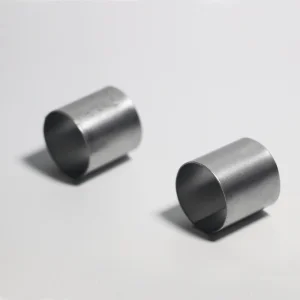
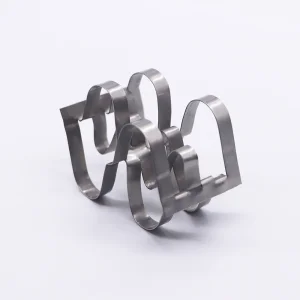
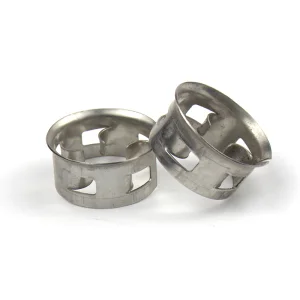
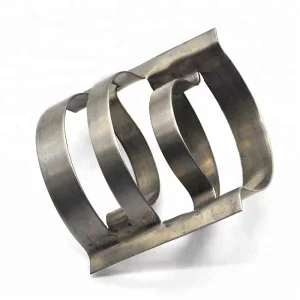
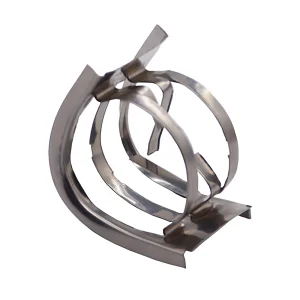
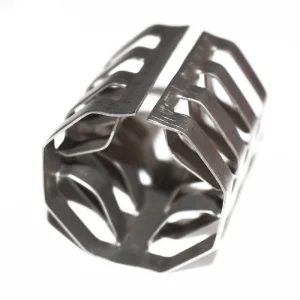
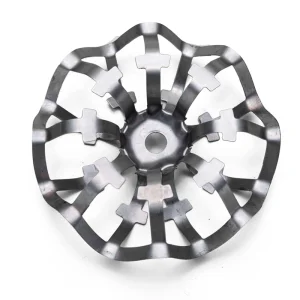
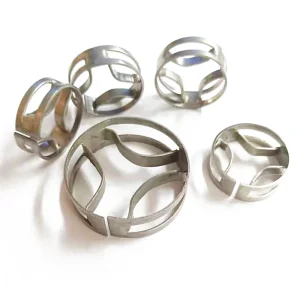
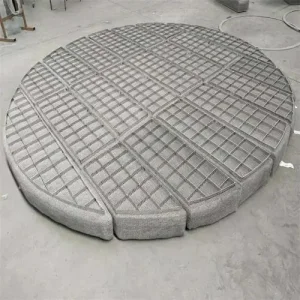
Metal Cascade Mini Ring is a new upgraded high efficiency metal random packing for industrial tower equipment.
⚙️
Adopts unique asymmetrical stepped structure, which changes the traditional stacking method, keeps uniform gaps inside the tower and effectively avoid material clogging.
🚀
With the core advantages of large flux and ultra low pressure drop, it provides better gas-liquid contact and greatly upgrades overall mass transfer efficiency.
🛡️
Made of high strength carbon steel, 304 and 316L stainless steel materials, it owns outstanding high temperature resistance and structural stability, suitable for long term operation in harsh chemical working environments.
🏭
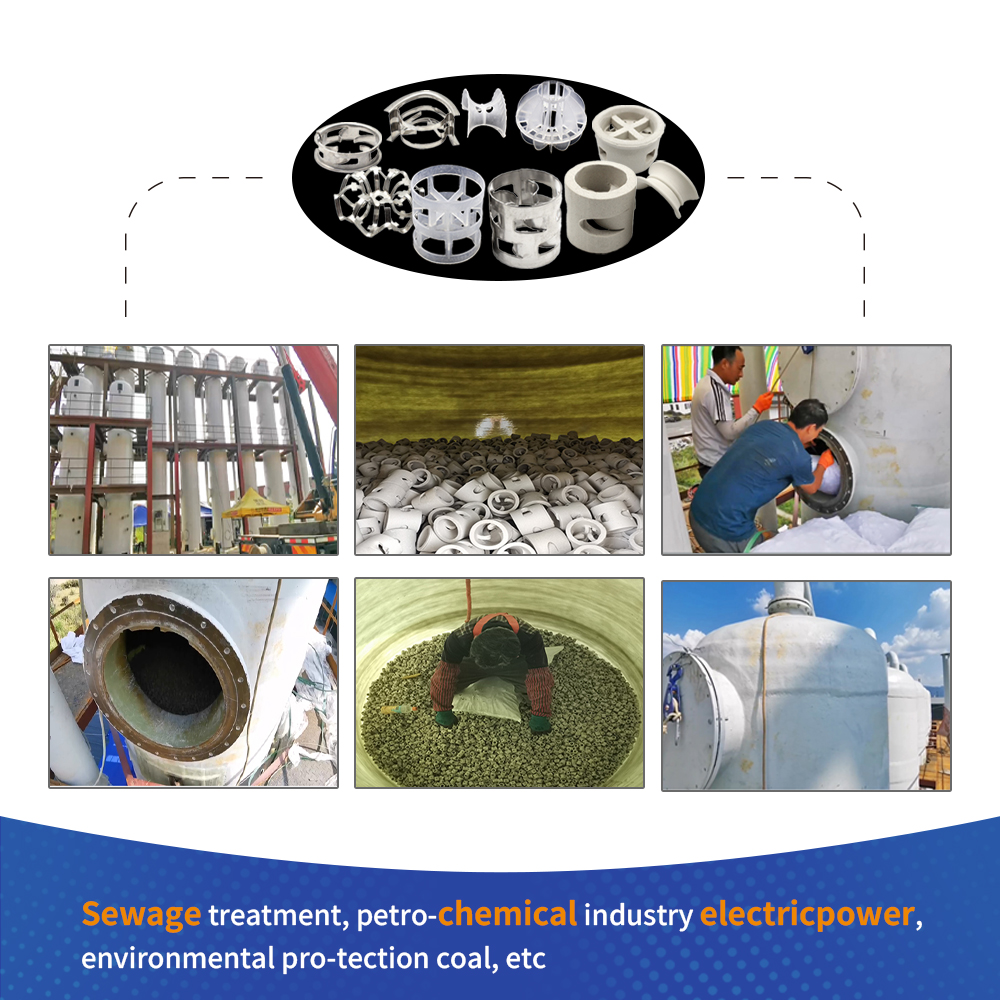
Widely applied in distillation, absorption, desulfurization and purification processes of petrochemical, chemical and environmental protection industries.
Frequently Asked Questions
Q: What is the advantage of the asymmetrical stepped structure?
The unique asymmetrical stepped structure breaks the traditional dense stacking pattern, creates uniform gaps within the packed bed, and effectively prevents material clogging and liquid channeling.
Q: How does Metal Cascade Mini Ring improve tower efficiency?
By offering a larger flux and lower pressure drop, it enhances the liquid-gas renewal surface, ensuring continuous and uniform contact which significantly upgrades mass transfer performance.
Q: Which materials are available for harsh operating conditions?
It can be manufactured from carbon steel, 304, and 316L stainless steel to meet structural strength and high corrosion/temperature requirements in demanding chemical environments.
Q: What industrial applications are best suited for this packing?
It is broadly utilized across the petrochemical, chemical, and environmental protection sectors, particularly in distillation columns, absorption units, desulfurization systems, and gas purification towers.
Q: What is the difference between One Bevel Edge and Two Bevel Edges?
Both configurations offer high void fraction and low resistance, but differ slightly in their specific surface area, piece density, and mechanical orientations depending on specific operational and tower hydraulic parameters.