Direct factory production from Pingxiang, Jiangxi: High-purity sintered ceramics, precision distillation trays, and engineered catalytic media supporting global petrochemical and environmental systems.
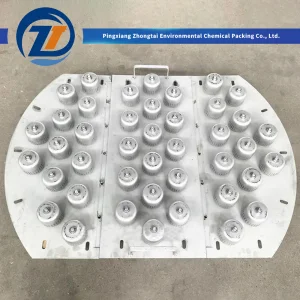
China 304 316L Stainless Steel Metal Bubble Cap Tray for High Turndown Distillation, Absorption & Stripping Columns Manufacturers, Supplier
View Specifications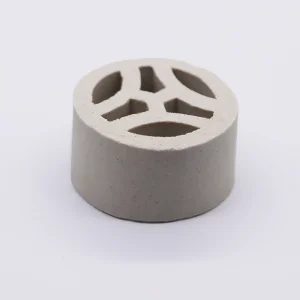
Wholesale Ceramic Y Type Partition Ring Tower Packing Manufacturers, Suppliers
View Specifications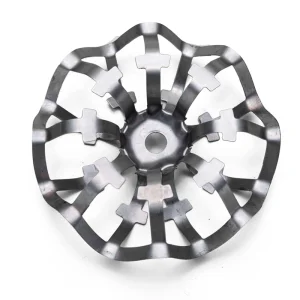
China Metal Tellerette Ring Tower Packing Suppliers, Factory
View Specifications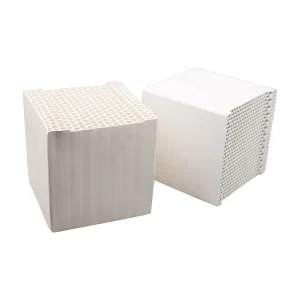
Wholesale RTO Heat Exchange Honeycomb Ceramic Manufacturer, Quotes
View Specifications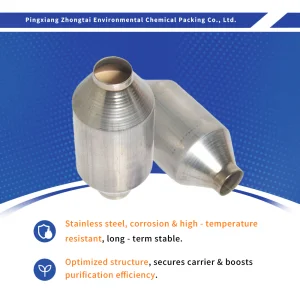
China Universal Direct Fit Catalytic Converter | EPA Compliant Replacement with Ceramic Honeycomb Core Factory, Quotes
View Specifications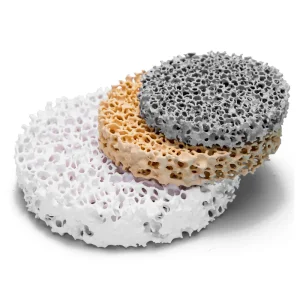
Wholesale Ceramic foam filter for aluminum casting Manufacturer, Factory
View Specifications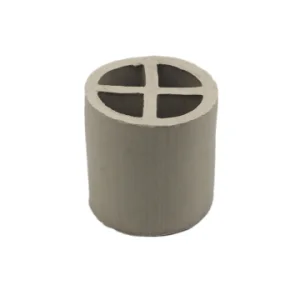
China Ceramic Cross Ring Tower Packing Manufacturer, Manufacturers
View Specifications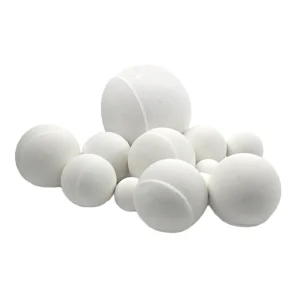
Wholesale Alumina Grinding Ball used in ball mill Suppliers, Factory
View SpecificationsUnderstanding the functional divergence between high-void plastic biological contactors and high-porosity micro-capillary sintered ceramic rings for chemical scrubbers, effluent treatment, and recirculating aquaculture systems (RAS).
Engineered predominantly from injection-molded high-density polypropylene (PP) or polyethylene (PE), plastic bio-balls utilize open-cell spherical designs with intricate internal branching spine geometry. Their fundamental engineering purpose is maximizing gas-liquid interface shearing and oxygen enrichment while preserving an ultra-high void ratio (typically 90% to 95%).
In continuous wet-dry trickling filters and VOC bioscrubbers, bio balls eliminate hydraulic ponding, resist particulate clogging from sloughed biomass, and ensure turbulence without demanding significant fan or pumping head energy. However, their primary active biofilm resides entirely on the outer surface plane, yielding a geometric Specific Surface Area (SSA) constrained to 200–500 m²/m³.
Sintered ceramic rings (such as Raschig rings, Berl saddles, and micro-porous biological rings) are manufactured via precision extrusion of alumino-silicate or high-alumina clays, fired at 1150°C to 1350°C. Controlled burnout agents create an interconnected network of micro-pores (typically 10 to 100 μm diameter).
This internal pore structure multiplies the effective specific surface area to between 600 and 1,400 m²/m³. More critically, while outer surfaces cultivate aerobic autotrophic nitrifiers (Nitrosomonas and Nitrobacter), the oxygen-depleted internal capillary channels harbor facultative and obligate anaerobic denitrifiers, facilitating simultaneous nitrification and nitrate reduction within a single compact reactor bed.
How international environmental directives, industrial automation, and mega-scale engineering architectures drive media specification in the Americas, Europe, and the Asia-Pacific region.
In intensive salmon smolt facilities, shrimp hatcheries, and indoor marine systems, water exchange rates are strictly minimized to <5% per day. Designers typically deploy a dual-stage train: Stage 1 uses bio balls in pressurized trickle degassers to strip CO₂ and add O₂; Stage 2 utilizes submerged porous ceramic rings inside moving or static aerated beds to rapidly oxidize total ammonia nitrogen (TAN < 0.5 mg/L).
Municipal wastewater plants and chemical manufacturing sites deploy wet bioscrubbers treating hydrogen sulfide (H₂S), mercaptans, and volatile organic compounds. Bio balls serve as the premier packing media here because cross-flow spray towers can run for 36–60 months without channel blinding, resisting acidic sulfuric-acid washdowns down to pH 1.5.
In hot, highly corrosive environments (e.g., sulfuric acid concentration, chlorine drying, sour gas sweetening), plastic bio balls degrade. Ceramic Raschig rings and ceramic saddle packings represent the gold standard, providing zero thermal degradation up to 1000°C, total resistance to nitric and sulfuric acids, and guaranteed chemical structural stability under compressive catalyst loads.
Empirical parameters for physical selection, hydrodynamic modeling, reactor sizing, and hydraulic head calculations.
| Engineering Parameter | Plastic Bio Balls (Standard Ø38–Ø76mm) | Porous Biological Ceramic Rings | Industrial Ceramic Raschig Rings |
|---|---|---|---|
| Base Material Matrix | Virgin or Recycled Polypropylene (PP / HDPE) | Calcined Kaolin & Natural Alumino-Silicate | Chemical Porcelain / High-Alumina Clay |
| Bulk Density (kg/m³) | 45 – 95 kg/m³ (Ultra-lightweight) | 450 – 680 kg/m³ | 550 – 850 kg/m³ |
| Specific Surface Area (SSA) | 180 – 450 m²/m³ (100% External Macroscopic) | 650 – 1,400 m²/m³ (Bimodal Micro/Macro) | 120 – 350 m²/m³ (Mass Transfer Geometric) |
| Bed Void Fraction (%) | 90% – 95% | 65% – 75% | 70% – 78% |
| Hydraulic Clogging Resistance | Exceptional (Immune to high TSS / Sloughing) | Moderate (Demands 50–100μm mechanical pre-filtration) | High (Liquid-vapor flow channels) |
| Continuous Temperature Limit | Max 90°C – 105°C | Max 950°C – 1100°C | Max 1250°C – 1400°C |
| Chemical / Acid Tolerance | Immune to mild acids/bases; attacks by aromatic solvents | pH 2 to 11 stable; degraded by Concentrated HF/NaOH | ASTM C515 Class 1; zero acid solubility < 0.5% |
| Microbial Ecosystem Supported | Strictly Aerobic heterotrophs & nitrifiers | Simultaneous Aerobic (Nitrification) & Anaerobic (Denitrification) | Primarily chemical gas-liquid transfer / hold-down |
| Estimated Operating Lifespan | 8 – 15 Years (Zero attrition or fracture) | 3 – 6 Years (Gradual pore silting / attrition) | 15 – 25+ Years (Indefinite structural stability) |
A granular breakdown of industrial ceramic production clusters in Pingxiang, Jiangxi, alongside real-world export wholesale pricing structures for international procurement officers.
More than 70% of China's exported chemical packing, molecular sieves, and inert ceramic balls originate from Pingxiang City, Jiangxi Province. This industrial ecosystem provides raw high-purity kaolin clay extraction, advanced computerized high-pressure extruders, tunnel kilns fired with natural gas, and localized third-party testing within a 25-kilometer radius.
For global buyers, this cluster ensures unrivaled economies of scale, tight control over cold crushing strength (CCS > 5 kN/ball), continuous supply of batch inspection Mill Test Reports (MTR), and rapid consolidated container stuffing with short transit routes to Ningbo, Shanghai, or Shenzhen maritime terminals.
Export pricing fluctuates depending on raw material resin indices (PP polymer contracts) and natural gas kiln operating cycles. Below are benchmark FOB factory-direct ranges for export packing:
Eliminating supply chain risk through rigorous structural verification, toxicological clearance, and country-specific regulatory documentation.
All industrial ceramic shipments are tested under ASTM C515 (Standard Specification for Chemical Stoneware and Porcelain Tower Packings) and ASTM C373 for apparent water absorption, porosity, and bulk specific gravity. Every export lot comes accompanied by signed batch inspection certificates covering composition via X-Ray Fluorescence (XRF).
Aquaculture and potable water installations necessitate zero toxic leaching. Our ceramic and polymer production lines adhere to EU REACH SVHC and RoHS Directive 2011/65/EU standards, ensuring non-detectable levels of lead, cadmium, mercury, and arsenic into sensitive recirculating water streams.
Ceramic packings are vulnerable to transit micro-fracturing if loosely packed. We ship using double-walled UV-stabilized heavy-duty corrugated cartons, vacuum inner polybags, or reinforced 1-ton bulk super-sacks loaded on ISPM-15 heat-treated fumigated wooden pallets or recycled composite plastic pallets for zero port quarantine friction.
Next-decade developments bridging bio-active ceramics, nano-composite plastics, and CFD-optimized shapes.
Incorporating functionalized silica and titanium dioxide (TiO₂) nanoparticles within the ceramic slurry to induce targeted meso-pores (20–50 nm). These micro-environments accelerate bacterial enzyme adherence while preventing bio-film suffocating under sudden hydraulic flow drops.
Traditional PP bio-balls exhibit hydrophobic characteristics that delay biological start-up cycling by up to 4–6 weeks. Newly emerging corona-discharge and atmospheric plasma surface treatments introduce hydroxyl and carboxyl functional groups, dropping contact angles from 90° to <25° for instantaneous microbial attachment.
Moving beyond conventional cylindrical rings into conjugated and helical geometric contours. Computational Fluid Dynamics (CFD) modeling eliminates stagnant internal vortex dead zones, decreasing operating fan power consumption in mega-scale gas absorption scrubbers by 15% to 22%.
Direct, unhedged technical responses to the most critical inquiries submitted by plant engineers, EPC consultants, and commercial buyers.
While ceramic rings provide dramatically superior surface area per unit volume, they should rarely be dropped into high-flow trickling (dry/wet) towers designed for bio balls. Plastic bio balls weigh approximately 50–90 kg/m³, whereas wet porous ceramic rings weigh 650–800 kg/m³. Packing a lightweight overhead trickle filter with ceramic rings will often exceed tower support grid load limits. Furthermore, trickling columns lack mechanical pre-filtration; heavy sloughed biomass and suspended solids can blind ceramic micropores within weeks, whereas bio balls allow uninhibited solids flushing.
Standard industrial porcelain and high-alumina ceramic rings fired above 1250°C are chemically inert and will not leach minerals or affect water parameters. However, commercial-grade aquarium porous ceramic rings fired at lower sintering temperatures (950°C–1050°C) with limestone flux agents may release trace calcium, magnesium, or carbonate ions during the initial 7–14 days of operation, causing a temporary pH elevation from 7.0 to 7.6. Specifying pre-washed, high-temperature calcined media eliminates mineral leaching entirely.
Unlike plastic bio balls, which can be vigorously agitated or backwashed using high-pressure air-water scouring without breakage, porous ceramic rings require gentle handling to prevent mechanical chipping. To regenerate fouled ceramic rings, isolate the filtration chamber, backflush with system-conditioned water to dislodge external detritus, or perform an off-line chemical oxidation soak in a 2% to 5% hydrogen peroxide (H₂O₂) solution or mild bleach bath, followed by thorough dechlorination and drying.
Direct sourcing from Pingxiang factories yields 40% to 65% cost savings on volume orders (e.g., FCL 20GP or 40HQ container shipments) relative to regional distributors in North America or Western Europe. Overseas stockists integrate significant markups to offset ocean freight, domestic warehousing, and inventory financing. For project lead times exceeding 60 days, factory-direct procurement with full Mill Test Certificates and custom packaging marks delivers substantial capital expenditure advantages.
To receive an accurate and binding factory quotation, specify: (1) Exact geometry (Raschig ring, Partition ring, Cross ring, or Berl saddle); (2) Dimensions (OD × ID × Length in mm); (3) Material composition, specifically Al₂O₃ content (standard chemical porcelain 17–23%, medium alumina 23–30%, or high-purity alumina >92%); (4) Required Acid Resistance % (per ASTM C515); (5) Total volume (m³) or tonnage; and (6) Preferred Incoterms (FOB port, CIF destination port, or DDP site).
Comprehensive chemical process inventory: Random packings, high-strength metallic alloys, molecular sieves, and catalytic bed support ceramics.
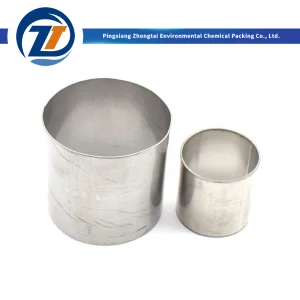
China High Strength 304 316L Stainless Steel Metal Raschig Ring Random Tower Packing 16mm 25mm 38mm 50mm 76mm for High Temperature & High Pressure Columns Manufacturers, Factories
View Specifications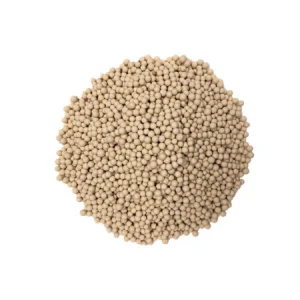
Wholesale 13X APG Zeolite Molecular Sieve for PSA Device Manufacturer, Manufacturers
View Specifications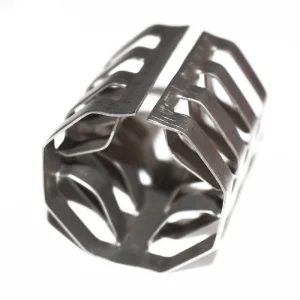
Wholesale Metal VSP Ring Tower Packing Manufacturer, Factory
View Specifications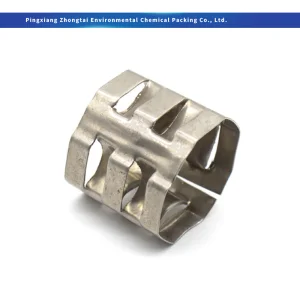
China 304 316 Stainless Steel Metal VSP Ring (Very Special Packing) / 84 Mellaring for Chemical Absorption, & High Flux Supplier, Factory
View Specifications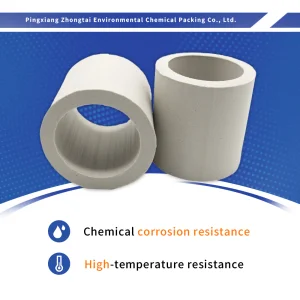
Wholesale Ceramic Raschig Ring – Random Tower Packing for Absorption, Distillation & Industrial Processing Towers Manufacturer, Suppliers
View Specifications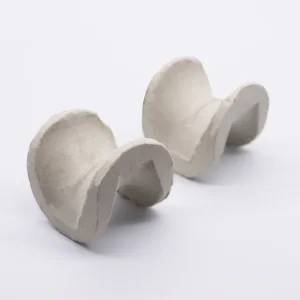
China Ceramic Berl Ring Tower Packing Suppliers, Pricelist
View Specifications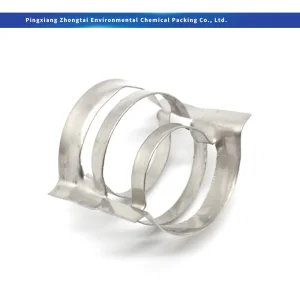
Wholesale Stainless Steel Metal Conjugate Ring 25mm 38mm 50mm High Efficiency Low Pressure Drop Tower Packing for Chemical Distillation Supplier, Factory
View Specifications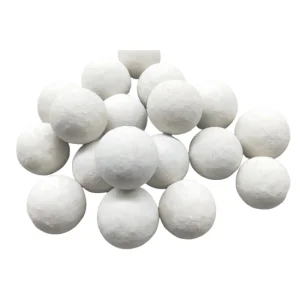
Wholesale Mid-Alumina Ceramic Ball Tower Packing Manufacturer, Quotes
View SpecificationsConnect directly with Pingxiang Zhongtai's mass-transfer application specialists. Submit your reactor schematics, column operational parameters, or bulk media specification requirements for an official commercial proposal and physical material samples.
