Direct factory supply from Pingxiang chemical packing hub. Precision-manufactured tower packing, catalysts, and ceramic spheres.
An authoritative engineering analysis on microstructural optimization, wear kinetics, and life-cycle economics in modern ball mills and stirred mills.
Industrial grinding circuits consume up to 50% of total mineral processing plant energy. Transitioning from traditional forged steel balls to high-density alpha-alumina (α-Al₂O3) ceramic media drastically lowers energy draw by reducing slurry density deadweight while preventing metallic iron contamination in downstream chemical processes.
Pingxiang Zhongtai utilizes high-pressure cold isostatic pressing (CIP) combined with ultra-high temperature tunnel kilns (1650°C). This process eliminates internal voids, creating a dense, microcrystalline matrix of fine α-alumina grains that exhibit extraordinary resistance to impact fatigue and severe abrasion.
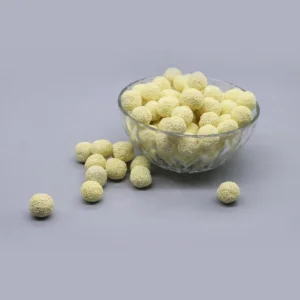
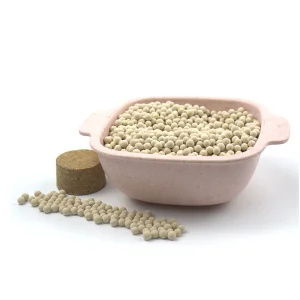
Alumina grinding media balls (also known as high-alumina ceramic spheres, grinding beads, or wear-resistant alumina balls) represent the pinnacle of modern milling technology. Composed primarily of high-purity aluminium oxide (α-Al₂O₃), these media are engineered specifically to replace traditional steel media and natural pebbles (silica flint) in wet and dry ultra-fine grinding systems.
The operational mechanism relies on high-energy impact and shear friction. When selecting an alumina grinding ball manufacturer, engineers must evaluate three core physical metrics: Chemical Purity (α-Al₂O₃ phase ratio), Bulk Density (g/cm³), and Specific Wear Rate (% or g/kg·h). Higher alumina content translates directly to elevated Mohs hardness (reaching 9.0, second only to diamond) and vastly superior corrosion resistance in acidic or alkaline wet grinding environments.
Below is the detailed technical performance matrix for Pingxiang Zhongtai’s industrial-grade alumina grinding media range, engineered to provide maximum information gain for procurement teams and process engineers:
| Performance Parameter | 68% Al₂O₃ Series | 75% Al₂O₃ Series | 92% High Alumina | 95% Super Wear | 99% Ultra-Purity |
|---|---|---|---|---|---|
| Al₂O₃ Content (%) | ≥ 68% | ≥ 75% | ≥ 92% | ≥ 95% | ≥ 99% |
| Bulk Density (g/cm³) | ≥ 3.00 | ≥ 3.25 | ≥ 3.60 | ≥ 3.68 | ≥ 3.85 |
| Vickers Hardness (HV10) | 1000 - 1100 | 1150 - 1250 | ≥ 1350 | ≥ 1450 | ≥ 1600 |
| Self-Wear Loss (% per 24h) | ≤ 0.025% | ≤ 0.015% | ≤ 0.008% | ≤ 0.005% | ≤ 0.003% |
| Water Absorption (%) | ≤ 0.02% | ≤ 0.01% | ≤ 0.01% | ≤ 0.005% | Near Zero |
| Primary Application Duty | Raw material pre-grind | Body slip milling | Mining, Glaze, Minerals | High-energy stirred mills | Electronic chemicals/Pharma |
Understanding the macro-economic factors driving global demand for ceramic grinding media across mining, chemical, and renewable sector supply chains.
Tier-1 mining operators across Australia, Chile, and South Africa are replacing conventional SAG mill steel balls with ceramic media in secondary and tertiary fine grinding stages (ISAsmills, Vertimills). Ceramic balls eliminate chemical oxidation reactions in ore pulp, preserving reagent efficiency and cutting carbon emissions during grinding.
The global EV revolution requires zero-iron contamination during the micronization of cathode precursors (LFP, NCM) and natural/synthetic graphite anodes. 95% and 99% high-purity alumina grinding media have become mandatory standards to avoid catastrophic battery short-circuit risks caused by metal slivers.
Demands for calcium carbonate (GCC/PCC), kaolin, zircon flour, and titanium dioxide with sub-micron d50 particle sizes require small-diameter ceramic beads (0.5mm - 3.0mm) that can sustain high kinetic shear without shattering under high-rpm agitation.
How Pingxiang Zhongtai leverages industrial clustering, smart kilns, and integrated raw material supply to deliver price competitiveness and unyielding quality control.
Located in Pingxiang, Jiangxi Province—China’s undisputed capital for chemical packing and technical ceramics since the early 20th century—Pingxiang Zhongtai Environmental Chemical Packing Co., Ltd. (Founded in 2003) operates directly within an optimized raw material radius. High-grade calcined alumina powder is sourced via direct pipeline contracts from nearby refining hubs, reducing transport costs and raw material variance.
Our modern manufacturing facility incorporates computerized continuous gas tunnel kilns monitored by infrared temperature sensors across 36 thermal zones. Automated laser particle sizing, drop-test impact towers, and batch-level XRF chemical composition analyzers ensure every metric ton exported satisfies strict ASTM and ISO standards.
Matching specific ceramic ball compositions, sizes, and microstructures to exact industrial operating environments.
Recommended: 92% Al₂O₃ Balls (Ø30mm - Ø60mm)
Used in gold, copper, lead-zinc, and iron ore processing plants. Withstands high-impact wet grinding inside continuous ball mills while drastically lowering chemical reagent consumption in subsequent flotation stages.
Recommended: 68% - 75% Al₂O₃ Media
Ideal for wet milling ceramic body slips, feldspar, quartz, and glaze formulations in sanitaryware and tile manufacturing. Delivers high milling throughput while preventing discoloration of ceramic bodies.
Recommended: 95% High-Density Micro-Beads (Ø0.5mm - Ø3mm)
Applied in vertical sand mills and horizontal pin-type bead mills. High specific gravity enables rapid particle size reduction of titanium dioxide and organic pigments down to the nanometer scale.
Direct, expert answers to key engineering, logistical, and commercial inquiries regarding factory-direct alumina media quotes.
The total charge volume of alumina grinding balls typically occupies 30% to 45% of the internal mill volume. To determine the size distribution gradient (e.g., mixing 60mm, 50mm, and 40mm balls), process engineers must consider feed particle size (F80), desired product fineness (P80), and slurry solids percentage. Pingxiang Zhongtai provides custom ball charge calculation software support to optimize your specific milling throughput.
Rolled alumina balls are formed through mechanical rotation agglomeration, ideal for smaller diameters (Ø0.5mm to Ø25mm) and cost-sensitive applications. Cold Isostatic Pressing (CIP) applies uniform hydraulic pressure (over 100 MPa) from all directions to formed spheres (Ø30mm to Ø90mm). CIP produces significantly higher green density, eliminating internal voids and offering superior wear resistance and impact toughness in high-energy heavy mills.
While forged steel has higher density, alumina media offers critical operational advantages: 1) Zero iron pollution in high-purity mineral slurries; 2) Superior wear resistance—alumina media wear rate is only 1/20th to 1/30th that of steel balls in abrasive slurries; 3) Lower overall mass reduces power consumption by 15-30%; 4) Acid and alkali chemical resistance.
Pingxiang Zhongtai provides transparent pricing based on metric tons (MT). Quotes include standard export packaging (25kg reinforced woven bags inside 1000kg fumigated jumbo bags on heavy-duty pallets). CIF pricing incorporates full ocean freight insurance and real-time shipping rate indexing to ports across Europe, North America, South America, and Southeast Asia.
Yes. Samples (up to 5kg) of standard 92% and 95% Al₂O₃ media are available for lab-scale grind testing prior to commercial orders. Every production shipment is accompanied by a certified Mill Test Certificate covering chemical composition (XRF), bulk density, Mohs hardness, and 24-hour self-wear testing results.
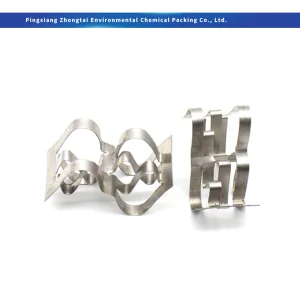
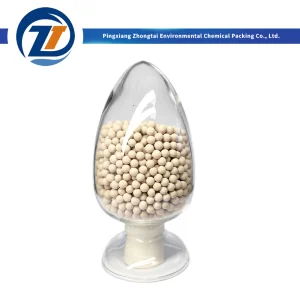
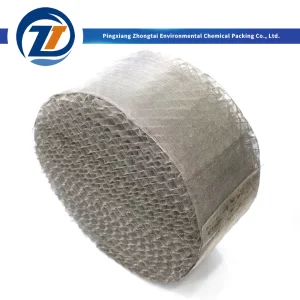
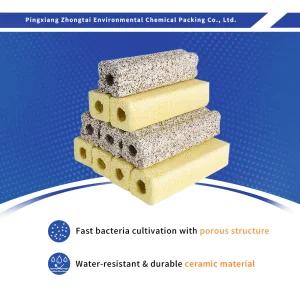
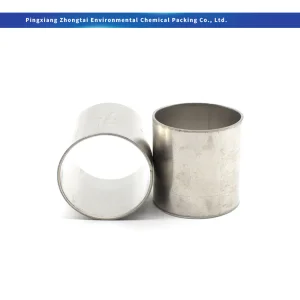
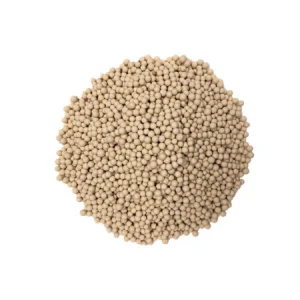
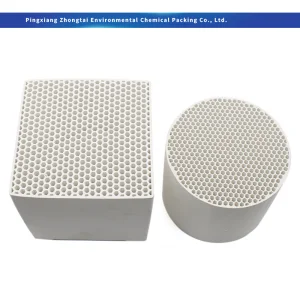
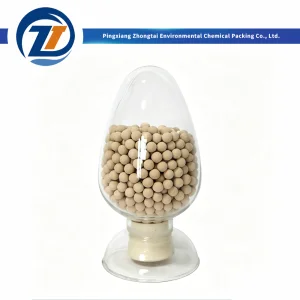
Explore our full line of molecular sieves, structured packing, biofilter media, and specialized tower internals.
Get technical specification sheets, bulk discount quotes, and mill charge engineering reviews within 24 hours.
Pingxiang Zhongtai Environmental Chemical Packing Co., Ltd. | Hi-Tech Industry Park, Pingxiang City, Jiangxi Province, China
