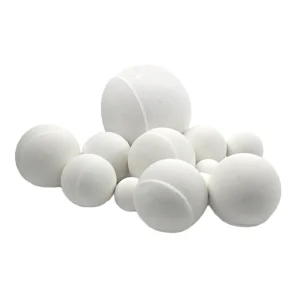
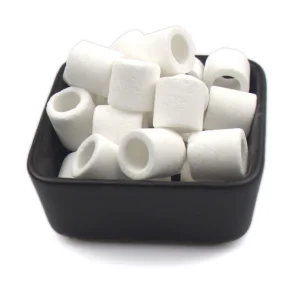
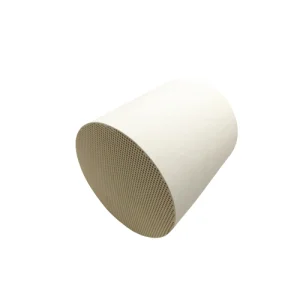
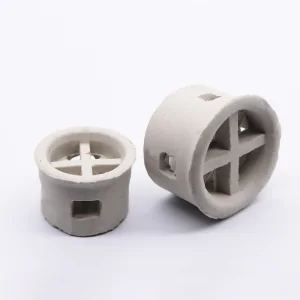
Direct factory supply of high-performance ceramic packings, molecular sieves, and environmental media manufactured to rigorous ASTM and ISO chemical standards.
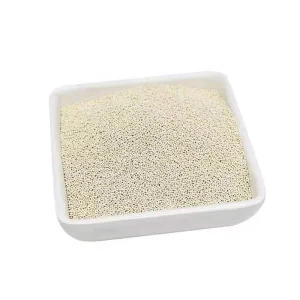
In the global chemical process industries (CPI), Molecular Sieve 3A serves as an indispensable alkali metal aluminosilicate desiccant designed specifically for deep moisture removal without co-adsorbing light hydrocarbons, alcohols, or reactive monomers. Engineered through precise potassium ion exchange of the Type 4A sodium aluminosilicate framework ($K_n Na_{12-n}[(AlO_2)_{12}(SiO_2)_{12}] \cdot xH_2O$), Molecular Sieve 3A features an effective crystal pore opening of approximately 3 Ångströms (0.3 nm). This precise size-exclusion threshold allows water molecules (kinetic diameter ~2.65 Å) to enter the internal crystalline cavities rapidly while completely excluding molecules such as ethylene (3.9 Å), ethane (4.4 Å), and ethanol (4.5 Å).
For global procurement directors, chemical engineers, and plant operations managers, evaluating the wholesale Molecular Sieve 3A price requires a granular understanding of both initial capital outlay (CAPEX) and total operating expenditure (OPEX). Wholesale market pricing typically ranges between $1,150 and $2,800 per metric ton FOB China, governed by variables such as potassium exchange degree, binder formulation (attapulgite vs. kaolin), mechanical crush strength, attrition resistance, and spherical bulk density. Sourcing directly from verified Chinese manufacturers who integrate smart Industry 4.0 production infrastructure ensures optimal chemical purity, superior cyclic hydrodynamic stability, and substantial cost advantages.
Core Industry Insight: Purchasing decisions based solely on the lowest initial per-ton price frequently result in premature bed degradation, excessive attrition dust, heightened pressure drop ($\Delta P$), and unplanned downtime. Premium-grade 3A molecular sieves engineered with high potassium exchange efficiency deliver up to 30% longer cycle lifetimes and lower total cost of ownership (TCO).
Tiered pricing structures tied to order volume, binder purity, custom mesh sizing, and long-term supply agreement contracts for petrochemical plants.
Sub-nanometer pore uniformity achieves dew points below -100°C (-148°F) in hydrocarbon streams without olefin co-adsorption or green oil formation.
Advanced binder technology prevents particle crushing under high liquid loads, cyclic thermal swing adsorption (TSA), and bed compaction pressure.
Detailed breakdown of key manufacturing variables influencing Molecular Sieve 3A pricing alongside verified laboratory testing benchmarks.
| Technical Parameter | Standard Commercial Grade | High-Purity Petrochemical Grade | Testing Standard (ASTM / GB) |
|---|---|---|---|
| Potassium Ion Exchange Rate (%) | 40% – 50% | ≥ 60% (High Selectivity) | ICP-OES / XRF Analysis |
| Spherical Bead Size Range | 1.6–2.5 mm (8x12 mesh), 3.0–5.0 mm (4x8 mesh) | 1.6–2.5 mm, Custom Micro-beads (0.5–1.2 mm) | ASTM E11 Sieve Analysis |
| Static Water Adsorption (≥ % RH 75%) | 20.5% – 21.5% | ≥ 22.5% (High Water Capacity) | ASTM E1747 / Gravimetric |
| Bulk Density (g/ml) | 0.68 – 0.72 | 0.72 – 0.76 | ASTM D3802 |
| Crush Strength (N/particle - 3-5mm) | ≥ 65 N | ≥ 95 N (High Bed Pressure Duty) | ASTM D4179 Single Pellet |
| Attrition Rate / Wear Loss (%) | ≤ 0.20% | ≤ 0.10% (Ultra-Low Dusting) | ASTM D4058 Rotating Drum |
| Target FOB Price Range (USD/MT) | $1,150 – $1,550 / Ton | $1,600 – $2,800 / Ton | Volume Tier Dependent |
The factory-gate pricing of 3A zeolites is fundamentally tied to five industrial input factors:
Molecular Sieve 3A is deployed across critical energy, petrochemical, HVAC, and architectural glass processes globally.
In steam cracking units, moisture in ethylene and propylene streams leads to hydrate formation and catalyst poisoning in downstream polymerization reactors. 3A molecular sieves remove water down to <0.1 ppm while completely excluding reactive olefins, eliminating green oil polymerization clogging inside desiccant beds.
Distillation alone cannot bypass the ethanol-water azeotrope (95.6% ethanol purity). Using Pressure Swing Adsorption (PSA) or Temperature Swing Adsorption (TSA) beds filled with 3A molecular sieves, fuel ethanol plants break the azeotrope continuously to produce 99.9%+ anhydrous bioethanol with minimal energy consumption.
Double and triple-pane architectural glass spacers utilize specialized 0.5-1.5mm 3A micro-beads. By selectively adsorbing atmospheric water vapor while excluding nitrogen and oxygen, 3A prevents dew-point drops without creating vacuum deflection or glass distortion caused by seasonal temperature variations.
Moisture in refrigeration systems (R-134a, R-600a, R-1234yf) forms corrosive acids and ice blockages at expansion valves. Molecular Sieve 3A effectively removes water while remaining completely inert toward fluorinated refrigerants and compressor lubricants.
Prior to cryogenic liquid separation or pipeline transport, natural gas streams require ultra-deep drying to prevent gas hydrate freezing inside heat exchangers. 3A zeolites preserve hydrocarbon heating values by excluding natural gas liquids ($C_2+$ molecules).
Next-generation molecular sieve formulations focused on decarbonization, rapid cycle kinetics, and zero-binder high-capacity structures.
Traditional molecular sieves contain 15%–20% non-adsorptive clay binder. Advanced hydrothermal chemical synthesis converts the inert clay binder matrix directly into active LTA crystalline zeolite. This innovation increases static water adsorption capacity from 21% up to 26.5%, allowing for smaller vessel footprints and significantly reduced CAPEX.
Synthesizing nano-scale LTA zeolite crystals reduces intra-crystalline diffusion pathways. Nano-crystalline 3A beads enable ultrashort regeneration cycles in Vacuum Pressure Swing Adsorption (VPSA) and fast-cycle bioethanol dehydration systems, cutting energy consumption during thermal desorption by up to 22%.
Modern manufacturing plants in China are transitioning to electrification and green hydrogen thermal heating for rotary kiln activation. This transformation eliminates Scope 1 manufacturing carbon footprints, allowing chemical buyers to meet strict corporate ESG procurement mandates.
Pingxiang Chemical Packing Cluster Advantage: Vertical integration, automated quality control, and global logistics reliability.
Located in Pingxiang, Jiangxi Province—the world-renowned industrial ceramic and chemical packing manufacturing hub—our production ecosystem integrates every phase of molecular sieve synthesis. From raw kaolin clay washing and hydro-gel synthesis to continuous ion exchange, automated bead extrusion, computerized rotary kiln activation, and dust-free packaging, our facility operates under strict DCS (Distributed Control System) automation.
Continuous laser diffraction particle analyzers and automated gravimetric moisture balances track every production batch, ensuring zero particle variance across multi-ton shipments.
Proximity to raw material suppliers and key export ocean ports (Shanghai, Ningbo, Shenzhen) enables rapid order turnaround, maintaining uninterrupted supply chains for global refineries.
Airtight packaging options including 25kg vacuum-sealed cartons, 150kg metal drums with heavy-duty PE liners, and 1,000kg nitrogen-purged super sacks prevent moisture pre-adsorption during ocean transit.
Meeting international regulatory, safety, and technical documentation standards for global enterprise procurement.
Full compliance with European Union REACH chemical safety registration guidelines, ensuring hassle-free clearance and usage within EU chemical and manufacturing installations.
Every export consignment includes a Certificate of Analysis (COA) specifying exact potassium exchange, crush strength, bulk density, water adsorption capacity, and safety data sheets (SDS) meeting OSHA GHS standards.
Our chemical engineering team provides global support for initial bed volume sizing, pressure drop calculations, vessel loading procedures, and regeneration protocol optimization.
Direct answers to crucial technical questions asked by chemical engineers and purchasing managers.
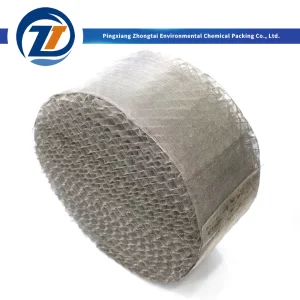
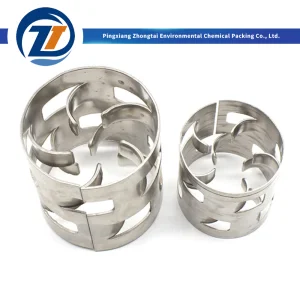
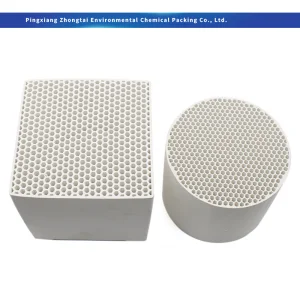
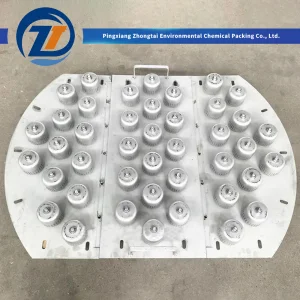
Explore our full line of structured packings, random tower internals, ceramic substrates, and specialized liquid-gas separation products.