
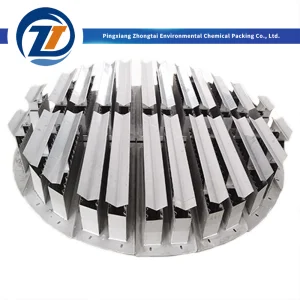
High-specification mass transfer hardware, inert ceramic catalyst bed support balls, and thermal oxidizer packing media engineered for continuous duty in harsh refining and chemical environments.
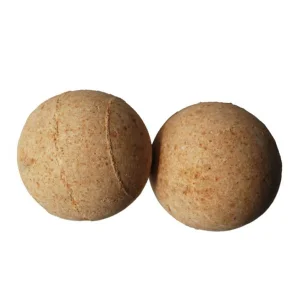
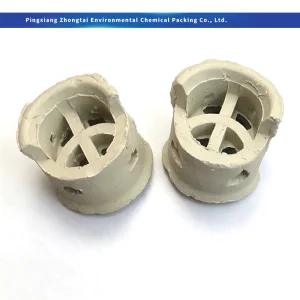
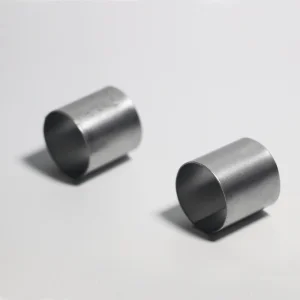
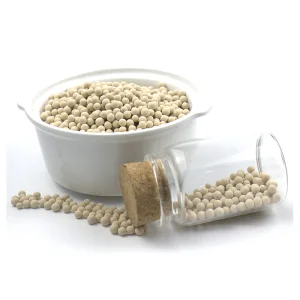
In modern chemical reactors, water purification systems, and metallurgical contactors, ceramic ball filters operate under extreme mechanical stress, thermochemical transients, and aggressive chemical reagents. Understanding their material grade is crucial for engineering success.
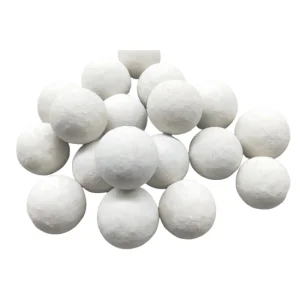
Ranging from 17% to 99.5% Al₂O₃, these dense spheres act as catalyst bed hold-downs, flow distribution media, and protective retainers in hydrocrackers, desulfurization reactors, and reformers.
Characterized by engineered intra-particle pore volume (35% to 52% porosity), providing high mechanical sieving, suspended solid adsorption, and precise tortuosity for continuous wastewater clarification.
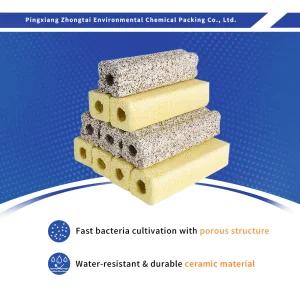
Formulated with mineral-rich cordierite, tourmaline, and far-infrared emitters. Sintered with deep interconnected macropores ideal for biofilm colonization and rapid nitrification in RAS and aquatics.
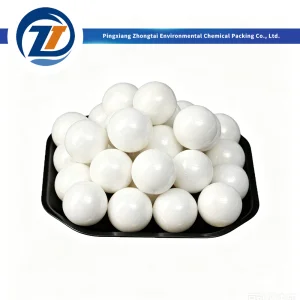
High-density (up to 6.0 g/cm³) ultra-wear-resistant micro-beads engineered for attrition mills and fine mineral pulverization, eliminating metallic cross-contamination in lithium-ion and pigment grinding.
| Property Parameter | Standard Inert (17–23% Al₂O₃) | Mid-Alumina (25–35% Al₂O₃) | High-Alumina (92–95% Al₂O₃) | Super-Pure (≥99% Al₂O₃) |
|---|---|---|---|---|
| Primary Phase | Mullite, Cristobalite | Corundum, Mullite | Alpha-Alumina (α-Al₂O₃) | Single-Phase Alpha-Corundum |
| Bulk Density (g/cm³) | 1.35 – 1.45 | 1.45 – 1.65 | 2.10 – 2.30 | 2.25 – 2.45 |
| Water Absorption (%) | < 3.0 | < 2.0 | < 1.0 | < 0.5 |
| Crush Strength (1/2" Ball) | ≥ 0.85 kN / particle | ≥ 1.35 kN / particle | ≥ 3.20 kN / particle | ≥ 4.80 kN / particle |
| Max Operating Temp (°C) | 1100 °C | 1300 °C | 1550 °C | 1750 °C |
| Acid Resistance (wt% loss) | < 0.5% (20% H₂SO₄) | < 0.35% (20% H₂SO₄) | < 0.15% (Conc. Acid) | < 0.05% (Fluoride-Free Acids) |
| Silica Leaching Risk | Moderate under high-temp steam | Low under standard gas | Negligible | Zero (<0.05% SiO₂ Content) |
Testing protocols align with ASTM C773 (compressive strength) and ASTM C279 (acid resistance). Batch-specific COA provided with all global dispatches.
Headquartered in Pingxiang, Jiangxi Province—internationally recognized as the "Ceramic Capital of Chemical Industrial Media"—Zhongtai leverages an unmatched industrial supply network established over decades of focused chemical engineering manufacturing.
High-grade kaolinite, refractory clays, and pure bauxite mineral reserves lie within a 50 km logistics radius. This zero-distance raw material sourcing insulates our clients from freight price swings and raw material impurities.
Utilizing computer-controlled 120-meter tunnel kilns and cold isostatic presses (CIP) achieving 200+ MPa, we maintain strict ±0.5mm sphericity tolerances and homogeneous vitrification across hundreds of metric tons.
Operating continuously since 2003, our production processes hold ISO 9001:2015, ISO 14001, and OHSAS 18001 certifications. Stringent batch-level QA guarantees documented crush and chemical testing before shipping.
As global processing sectors commit to decarbonization, hydrogen economy build-outs, and closed-loop effluent recycling, ceramic media requirements are transitioning beyond legacy random fillers toward precision engineered catalysts and structured matrices.
In high-temperature green hydrogen production and steam methane reforming, silica volatizes into silicic acid, depositing onto waste heat boiler tubes. The industry is moving to 99.5% pure alpha-alumina with <0.05% SiO₂.
Advanced biological media are engineered with hierarchical bimodal pores (sub-micron micropores for autotrophic nitrifiers and 50–100 μm channels for biofilm sloughing), eliminating premature clogging in high-rate wastewater reactors.
Transitioning from solid spheres to 7-hole, 10-hole, and fluted ceramic cylinder support balls. This geometric evolution delivers 35% higher geometric void fraction and cuts pressure drops by up to 28% across deep catalyst beds.
Modern manufacturers are retrofitting natural gas kilns with preheated ox-fuel burners and synthetic syngas feeds, drastically reducing embodied carbon footprints for ESG-conscious international procurement teams.
From severe cracking units in energy refineries to high-density aquaculture re-circulation facilities, our ceramic ball filters and mass transfer media are engineered to solve real-world process bottlenecks.
Graduated loading schemes (from 2" down to 1/8" inert balls) provide hydraulic retention, eliminate channel flow, and cushion high-cost cobalt-molybdenum hydrotreating catalysts against high-velocity inlet impingement.
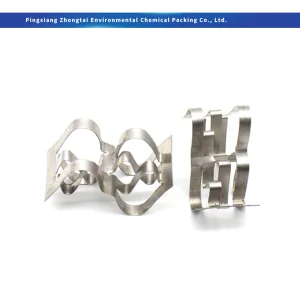
Ceramic balls and Intalox saddles resist oleum, 98% concentrated H₂SO₄, and violent SO₃ hydration heat. Zero spalling guarantees that downstream cross-flow plate heat exchangers remain free of particulate plugging.
Porous far-infrared bio-ceramic bacteria houses and media provide over 3,200 m²/m³ of specific surface area. They accelerate aerobic autotrophic nitrification (NH₄⁺ → NO₂⁻ → NO₃⁻) without toxic chemical elution.
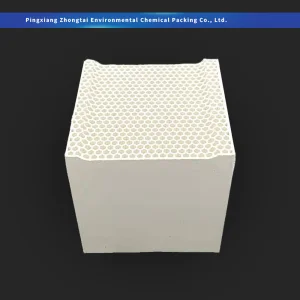
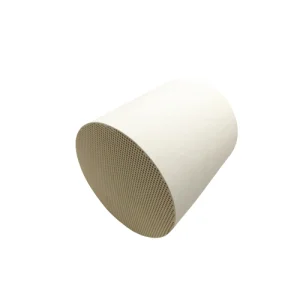
Cordierite and mullite honeycomb blocks and refractory balls withstand 1,200°C cyclical thermal shock while achieving >95% thermal recovery efficiency in industrial VOC thermal destruction systems.
Alumina and silicon carbide ceramic foam filters remove micron-scale non-metallic inclusions, micro-slag, and refractory washouts in aluminum and gray iron casting, slashing surface reject rates by 80%.
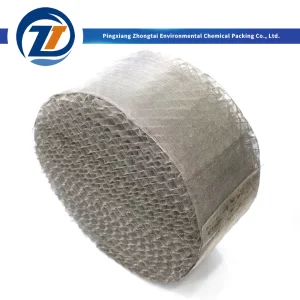
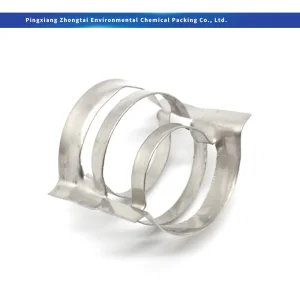
Combining metal wire gauze structured packings with corrugated trough liquid distributors maximizes mass-transfer stages (HETP < 250mm) while maintaining low pressure drop in pharmaceutical vacuum distillation.
Synthetic 3A, 4A, 5A, and 13X zeolites provide pore selectivity down to angstrom tolerances. Engineered for deep natural gas dehydration (dewpoint < -100°C), air separation cryogenic prep, and ethanol azeotropic dehydration.
High-density 92% Al₂O₃ and Yttria-stabilized ZrO₂ grinding beads deliver optimized kinetic energy transfer inside stirred horizontal bead mills, grinding lithium iron phosphate (LFP) slurries to sub-micron target D50 specs.
For procurement directors, engineering contractors (EPCs), and plant managers, selecting a qualified ceramic media supplier requires strict verification protocols. Here is our engineering QA workflow that eliminates field risks.
Every kaolin and alumina precursor undergoes XRF (X-Ray Fluorescence) elemental quantification to prevent iron (Fe₂O₃ < 0.1%) or heavy metal cross-contamination that would poison sensitive catalytic systems downstream.
Random statistical batch sampling verifies crush strength according to ASTM C773. Thermal shock resistance is verified by heating media to 850°C followed by immediate ice-water quenching without macroscopic fissure or spalling.
Media is packed in 25kg multi-wall woven PE bags or 1,000kg reinforced double-loop jumbo bags with moisture barrier liners, secured on ISPM-15 heat-treated fumigated wooden pallets, wrapped in UV-resistant stretch film.
Clear, practical answers directly from our senior chemical packing and materials engineers to streamline your procurement specifications and bid qualifications.
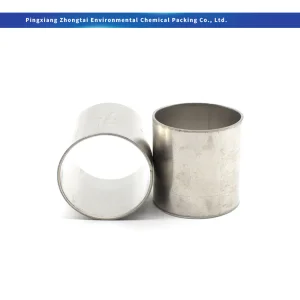
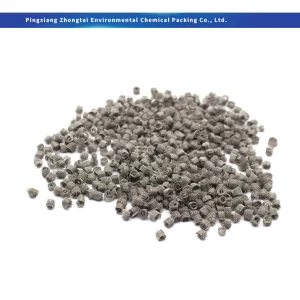
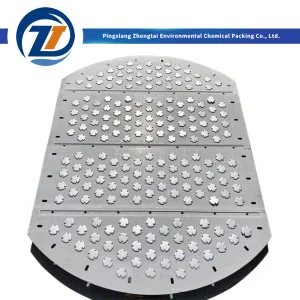
Expand your process efficiency with our precision engineered tower random packings, high-strength grinding beads, micro-filtration honeycomb matrices, and high-efficiency fractionation trays.
Connect directly with Zhongtai's application engineering team in Pingxiang. We deliver rapid column hydraulic simulations, customized media formulation proposals, and prompt export quotes.