Industrial Adsorbent & Mass Transfer Technology Whitepaper

Wholesale Carbon Molecular Sieve Price Supplier & Suppliers

Precision Kinetic Gas Separation Media Engineering: Comprehensive Cost-Yield Breakdown, China Factory Supply Chain Dynamics, and Rigorous Procurement Specifications for Global Pressure Swing Adsorption (PSA) Systems.

Direct-From-Factory Solutions

Precision Catalyst Support & Separation Column Media

Engineered in Pingxiang, Jiangxi. Designed for high mechanical stability, acid/thermal resistance, and high-purity industrial fluid phase separation.
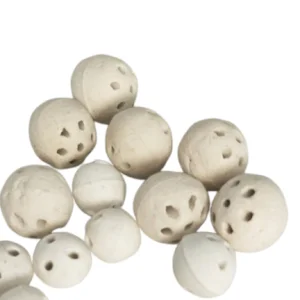
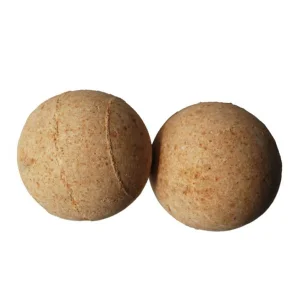
China Porous Ceramic Ball for catalyst covering and supporting material Manufacturer, Manufacturers
View Specifications
Wholesale High temperature resistance ceramic refractory ball Manufacturers, Suppliers
View Specifications
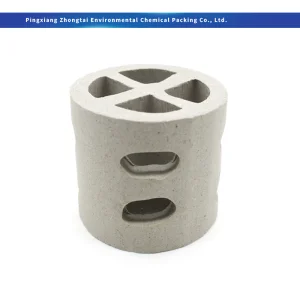
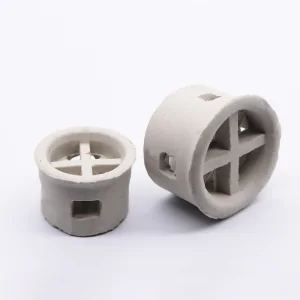
China Acid & Heat Resistant Ceramic Cross Partition Ring for Tower Support
China Acid & Heat Resistant Ceramic Cross Partition Ring / Ceramic Cross Ring 50mm-150mm for Tower Support
View Specifications
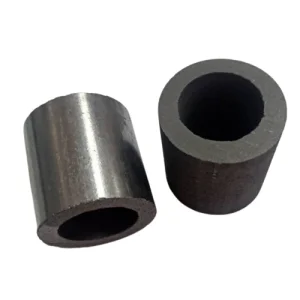
China Carbon Graphite Raschig Ring Tower Packing Manufacturer, Factories
View Specifications
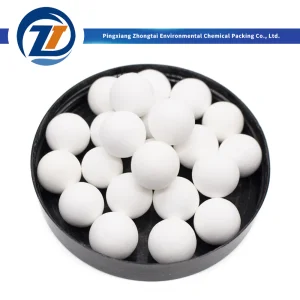
China High Wear Resistant Alumina Grinding Ceramic Ball Media for Ball Mill
China High Wear Resistant Alumina Grinding Ceramic Ball Media for Ball Mill Manufacturer, Manufacturers
View Specifications
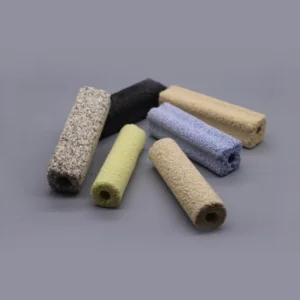
China Aquarium accessories filter Far-infrared Bacteria House Suppliers
China Aquarium accessories filter Far-infrared Bacteria House Suppliers, Factories
View Specifications
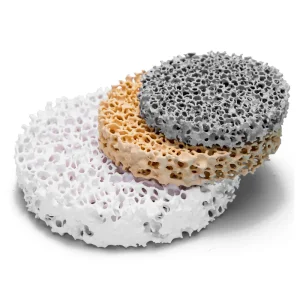
Wholesale Ceramic foam filter for aluminum casting Manufacturer, Factory
View Specifications
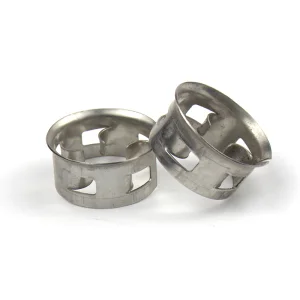
Wholesale Metal Cascade Mini Ring Tower Packing Supplier, Quotes
View Specifications
2003
Established In Pingxiang
99.999%
Max N₂ Gas Purity Attained
0.28 nm
O₂ Kinetic Molecular Window
≥95 N
Crush Strength Per Pellet
Technical Baseline

Engineering Thermodynamics & Kinetic Rate Separation in Carbon Molecular Sieves

In modern industrial gas engineering, Carbon Molecular Sieve (CMS) represents the premier non-cryogenic air separation media utilized in Pressure Swing Adsorption (PSA) nitrogen generation systems. Unlike conventional activated carbons that rely solely on macroscopic equilibrium surface adsorption, CMS operates on the thermodynamic principle of kinetic molecular sieving. Oxygen molecules, possessing a kinetic diameter of approximately 0.28 nm (2.8 Å), exhibit a diffusion rate across the microporous channels of CMS that is several orders of magnitude faster than that of nitrogen molecules, which measure 0.30 nm (3.0 Å).

When compressed ambient air (typically at pressures between 0.7 MPa and 0.9 MPa) passes through an adsorption bed packed with highly calibrated cylindrical CMS pellets, oxygen is selectively retained within the internal micropore structure (predominantly 0.4 nm in diameter), allowing high-purity gaseous nitrogen to discharge continuously at the column outlet. When the primary adsorption bed approaches equilibrium saturation, the system depressurizes rapidly to atmospheric pressure (counter-current desorption), discharging the enriched oxygen waste and regenerating the adsorbent bed. Sustaining an efficient continuous nitrogen supply hinges on cyclic synchronization between dual beds—a mechanism pioneered and perfected across our facilities in Pingxiang Zhongtai Environmental Chemical Packing Co., Ltd. since 2003.

Critical Process Metric: Air-to-Nitrogen Ratio

The Air-to-Nitrogen consumption ratio determines operating lifecycle costs (OpEx) for nitrogen generators. Standard grades typically require an air factor of 3.2 to 4.5 for 99.5% nitrogen purity, whereas high-grade Carbon Molecular Sieves (CMS-280 and CMS-330) drop this ratio below 2.0. This significantly curtails electricity consumption on the main feed air compressor over thousands of run hours.

Commercial Transparency

Wholesale Carbon Molecular Sieve Price Architecture & Yield Metrics

Procurement pricing correlates directly with chemical precursor quality, activation parameters, volumetric nitrogen yield, and mechanical pellet crush ratings.

Adsorbent Grade Kinetic Aperture Bulk Density (g/L) Crush Strength (N/pellet) N₂ Purity Range N₂ Yield (Nm³/t·h @ 99.5%) Indicative Bulk Price ($/kg FOB)
CMS-200 0.40 ± 0.02 nm 660 – 700 ≥ 85 95.0% – 99.5% 200 – 215 $4.80 – $6.20
CMS-220 0.39 ± 0.02 nm 670 – 710 ≥ 90 98.0% – 99.9% 220 – 235 $6.30 – $7.80
CMS-240 0.38 ± 0.02 nm 680 – 720 ≥ 95 99.0% – 99.99% 240 – 255 $7.90 – $9.80
CMS-260 0.37 ± 0.01 nm 680 – 720 ≥ 100 99.5% – 99.999% 260 – 275 $10.00 – $12.50
CMS-280 0.36 ± 0.01 nm 690 – 730 ≥ 105 99.9% – 99.999% 280 – 295 $13.00 – $16.50
CMS-330 (Ultra-Gen) 0.35 ± 0.01 nm 700 – 740 ≥ 110 99.99% – 99.999% 330 – 350 $17.00 – $22.00

Precursor Purity Drivers

Wholesale cost is fundamentally anchored to the initial precursor. Low-cost formulations utilize generic bituminous coal, which risks higher ash content. Premium CMS formulations use purified phenolic resins or low-ash coconut shells that undergo precision carbonization.

CVD Chemical Vapor Deposition

Fine-tuning the pore opening from 0.5 nm down to the critical 0.38 nm window requires controlled hydrocarbon cracking. The uniformity of methane, benzene, or cracked hydrocarbon deposition directly controls batch reject rates and pricing premiums.

Attrition Resistance (Hardness)

Pellets that crumble generate dust, causing differential pressure spikes and pneumatic valve sticking. Wholesale pricing accounts for the binders used (pitch, starch, or organic resins) that achieve dynamic crush strengths exceeding 100 Newtons per individual pellet.

Industrial Cluster Ecosystem

Pingxiang Supply Chain Scale: China's Industrial Adsorption Hub

Benefiting from vertical integration in Jiangxi Province, our manufacturing clusters leverage local raw materials, continuous kilns, and multi-modal logistics.

The Pingxiang Industrial Belt

Pingxiang is recognized across China as the epicenter of mass transfer and chemical packing. Decades of specialized engineering mean kilns, chemical suppliers, packaging converters, and technical labor reside within an immediate 25-kilometer radius.

Continuous Rotary Firing Efficiency

Rather than relying on discontinuous static furnaces, our facility operates automated, enclosed rotary kilns with computerized temperature control across eight thermal zones. This setup yields a 30% reduction in thermal energy consumption per metric ton of CMS produced.

Export Logistics & Port Access

Integrated road-rail links provide immediate access to Ningbo, Shanghai, and Shenzhen ports. Direct consolidated container bookings eliminate regional transshipment delays, guaranteeing delivery lead times of 10 to 14 days for standard sea-freight orders worldwide.

Quality Assurance

Global Enterprise Procurement Framework: Evaluating Carbon Molecular Sieve Suppliers

A rigorous checklist for plant operators, EPC engineering contractors, and OEM nitrogen generator builders to avoid adsorbent failure in the field.

1. Adsorption Kinetic Dynamic Testing

Ensure your supplier supplies actual breakthrough curves under dynamic gas velocity rather than static volumetric BET test charts. Static adsorption metrics fail to reflect true performance inside high-frequency cyclic pressure swings (45s to 60s cycle half-periods).

  • Dynamic test cycle: 2 × 60s alternating cycle @ 0.8 MPa
  • Feed gas dew point: ≤ -40°C (moisture-free evaluation)
  • Residual oil content: < 0.01 mg/m³ (to prevent pore blocking)

2. Packing Density & Pneumatic Compaction

Improper vessel loading leads to fluidization, friction, attrition, and bed voidage. Enterprise buyers must verify bulk density (g/L) alongside recommended vibrational or pneumatic "snowstorm" packing protocols to achieve optimal packing density in the adsorption columns.

  • Snowstorm hopper dispersal avoids mechanical shear
  • Target bulk density: 660 g/L – 730 g/L
  • Use mechanical bed limiters or heavy ceramic support balls

3. Hydrocarbon & Heavy Moisture Resistance

Liquid water is destructive to Carbon Molecular Sieve microstructure. Capillary condensation will block the 0.4 nm pores, permanently halting oxygen separation kinetics. Trace lubricating oils also coat the external surface, causing rapid decay in production volume.

  • Upstream desiccant air drying (Activated Alumina / 13X Molecular Sieve)
  • Multi-stage coalescing filtration down to 0.01 micron
  • Differential pressure gauge monitoring across filter arrays

4. Total Lifecycle Cost of Ownership (TCO)

Evaluating Carbon Molecular Sieve based solely on unit FOB purchase price is an expensive oversight. High-efficiency CMS grades pay for their price difference within months through lower feed air requirements, reducing energy consumption and prolonging compressor service intervals.

  • High-yield CMS reduces required compressor size by up to 22%
  • Lower bed volumes require smaller pressure vessels and valves
  • Standard service life extends from 5–7 years to 8–10 years
Compliance & Reliability

Localized Engineering Support & International Compliance Assurance

Ensuring frictionless procurement, customs clearance, and long-term operating safety across Europe, the Americas, the Middle East, and Southeast Asia.

Global Standards & Certifications

Full manufacturing conformity under ISO 9001:2015 Quality Management Systems and ISO 14001 Environmental Management. Full compliance with European Union REACH directives and RoHS regulations ensures our adsorbents carry zero hazardous cross-contaminants.

Hermetic Packaging Protocols

Moisture ingress during marine transport can ruin fresh CMS before arrival. We ship all bulk orders in 20kg or 40kg hermetically sealed UV-stabilized plastic drums, evacuated and purged with high-purity nitrogen, palletized with fumigation-free ISPM-15 certified pallets.

On-Site Engineering Consultation

Our engineering support services help overseas process teams with PSA bed volume sizing, valve timing adjustments, pressure equalization calculations, and old adsorbent removal strategies to maximize operational safety and system output.

Industrial Use-Cases

Localized Application Scenarios: Field-Proven Across Five Key Sectors

From microelectronics to offshore oil exploration, specialized purity levels demand specific CMS grades and precise bed management.

Laser Cutting & Metal Fabrication

High-power fiber laser cutting machines (6kW to 30kW) demand 99.99% or 99.999% dry nitrogen cutting gas to prevent edge oxidation and dross accumulation on stainless steel, aluminum, and brass sheets. CMS-260 and CMS-280 systems deliver clean, burr-free edges.

Modified Atmosphere Packaging (MAP)

Food preservation (snack foods, fresh coffee, meats, pharmaceuticals) requires 99.5% to 99.9% nitrogen blankets to displace oxygen and retard lipid oxidation and bacterial growth. CMS-200 and CMS-220 offer an economical solution for food-grade packaging lines.

Offshore Oil & Gas Inerting

Marine drilling platforms and chemical tankers require onboard PSA nitrogen systems for pipeline sweeping, tank blanketing, and explosion prevention. CMS pellets must withstand structural vibrations and marine salt fog while maintaining long bed life.

Electronics & Semiconductor Soldering

Wave and reflow soldering operations require strict inert nitrogen shrouds with residual oxygen levels below 50 ppm (99.995% purity) to minimize solder paste oxidation, improve wetting, and eliminate bridging flaws on high-density circuit boards.

Underground Coal Mine Safety

Injecting high-volume gaseous nitrogen (95% to 98% purity) into abandoned mine goafs and coal seams displaces combustible methane and drops oxygen levels below explosive limits. CMS-200 provides a reliable, high-volume flow for explosion mitigation.

Lithium-Ion Battery Cell Production

Electrolyte filling and battery cell formation require ultra-dry nitrogen atmospheres with dew points lower than -50°C. High-purity CMS systems prevent ambient moisture from triggering hazardous hydrofluoric acid (HF) reactions inside cell canisters.

Forward Evolution

Emerging Technological Trends in Carbon Molecular Sieve Engineering

Next-generation microporous materials are expanding beyond nitrogen generation into biomethane purification, carbon capture, and clean hydrogen recovery.

Biogas Upgrading & Bio-Methane Injection

Standard biogas streams contain 55–65% CH₄ and 35–45% CO₂. Specially tailored CMS matrices with 0.33 nm to 0.35 nm pore distributions quickly separate CO₂ (kinetic diameter 0.33 nm) from CH₄ (0.38 nm), upgrading raw biogas to pipeline-grade biomethane (RNG) with >98% CH₄ recovery.

Hydrogen (H₂) Fuel Cell Purification

Hydrogen mobility relies on high-efficiency PSA systems to extract fuel-cell grade H₂ (>99.97% purity) from syngas, cracked ammonia, or steam-methane reforming off-gases. Specialized CMS grades help strip trace carbon monoxide, nitrogen, and residual methane down to part-per-billion levels.

AI-Assisted Precision Pyrolysis

By pairing neural-network process controllers with real-time mass spectrometry during CVD hydrocarbon deposition, modern kiln lines can achieve pore-aperture standard deviations tighter than ±0.005 nm, ensuring superior batch-to-batch consistency and near-zero yield loss.

Procurement Knowledge Base

Frequently Asked Questions: Carbon Molecular Sieve Procurement & Engineering

Direct technical answers addressing wholesale price drivers, operational mechanics, system troubleshooting, and shipping logistics.

What factors most heavily influence wholesale Carbon Molecular Sieve pricing?
Wholesale CMS pricing is driven primarily by: 1) raw material precursor selection (purified phenolic resins vs standard bituminous coals); 2) pore uniformity achieved during CVD cracking; 3) rated nitrogen recovery yield ($Nm^3/t\cdot h$); 4) mechanical crush strength rating (≥100 N/pellet commands higher value); and 5) aggregate procurement volume. Orders exceeding 10 to 20 metric tons benefit significantly from direct production run allocations at our Pingxiang manufacturing base.
How do CMS-200, CMS-240, and CMS-280 differ in actual plant operations?
The numerical designation correlates directly with nitrogen gas yield per metric ton of adsorbent under standard test parameters (0.8 MPa feed pressure, 20°C, 99.5% purity). Higher grades like CMS-280 or CMS-330 generate substantially higher nitrogen flow per kilogram of media, requiring smaller pressure vessels and less feed air. This lowers operating power consumption and helps prolong the working life of the compressor.
What is the expected operating lifespan of Carbon Molecular Sieve inside a PSA tower?
Under optimal operational parameters—clean, dry feed air with a pressure dew point of ≤ -40°C, residual oil aerosol < 0.01 mg/m³, and well-regulated valve switching times—high-quality CMS routinely maintains effective separation performance for 8 to 10 years without requiring bed replacement. Performance drops are almost always caused by upstream air dryer failure, oil blow-by, or excessive attrition from loose packing.
What causes CMS attrition and bed dusting, and how can it be prevented?
Bed dusting occurs when CMS pellets shift, strike one another, and erode due to gas turbulence and fluidization. This is typically caused by: 1) low initial packing density from manual bucket dumping; 2) rapid pressure equalization without proportional flow restrictors; or 3) failure to secure the top of the bed. We recommend vibration-assisted snowstorm filling methods combined with mechanical spring hold-downs or heavy ceramic support balls layered at the top of the column.
Can contaminated or water-damaged Carbon Molecular Sieve be regenerated on-site?
If CMS is exposed to gross liquid water contamination, capillary pore collapse typically causes irreversible performance loss. While prolonged purging with hot, dry nitrogen (120°C to 150°C) can drive out superficial moisture, full recovery of separation kinetics is rarely possible. Oil contamination cannot be regenerated on-site, as hydrocarbon vapors bake permanently into the sub-nanometer pores. In these situations, replacing the entire adsorbent charge is required.
How does ambient temperature impact PSA separation performance?
CMS adsorption processes are exothermic. Cooler operating environments (15°C to 25°C) favor physical adsorption equilibrium and kinetic selectivity. When feed air temperatures climb above 35°C to 40°C, oxygen adsorption capacity drops noticeably, reducing overall nitrogen yield and purity. High-temperature facilities should add water-cooled heat exchangers or air-aftercoolers upstream of the PSA columns.
How does Pingxiang Zhongtai guarantee batch-to-batch quality before shipment?
Every production batch undergoes strict quality assurance: 1) dynamic test bed performance validation at multiple nitrogen purity benchmarks (99.5%, 99.9%, 99.99%); 2) automated single-pellet crush testing across a randomized sampling of 100 pellets; 3) volumetric bulk density and moisture content measurements; and 4) certified inspection reports (COA) provided with all export documentation.
What export shipping options and moisture barriers are utilized for sea transit?
We package products in high-density polyethylene (HDPE) drums containing an internal heat-sealed foil bag purged with dry nitrogen gas. Standard drum sizes are 20kg or 40kg net weight. Drums are banded to ISPM-15 compliant heat-treated wooden pallets, shrink-wrapped, and packed into 20-foot or 40-foot shipping containers with desiccants to prevent container-rain damage during ocean transit.
Mass Transfer & Thermal Media

High-Efficiency Tower Internals, Packing & Refractory Solutions

Complementary mass transfer products engineered to handle extreme temperatures, corrosive acids, and high-vacuum chemical fractionation columns.
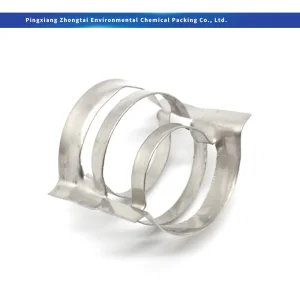
Wholesale Stainless Steel Metal Conjugate Ring Tower Packing
Wholesale Stainless Steel Metal Conjugate Ring 25mm 38mm 50mm High Efficiency Tower Packing
View Specifications
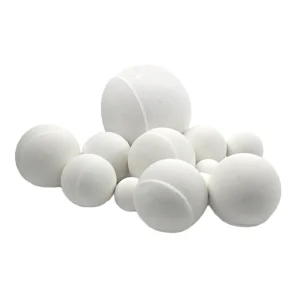
Wholesale Alumina Grinding Ball used in ball mill Suppliers, Factory
View Specifications
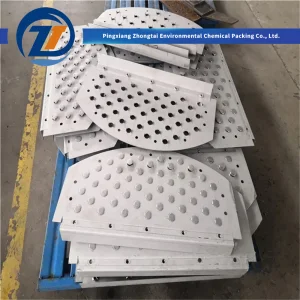
China High Capacity 304 316L Stainless Steel Metal Fixed Valve Tray
China High Capacity 304 316L Stainless Steel Metal Fixed Valve Tray for Distillation Absorption Columns
View Specifications
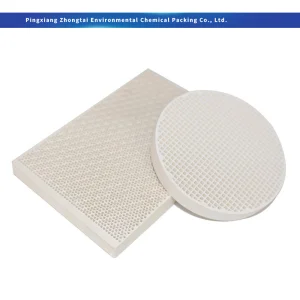
China Cordierite-Mullite Honeycomb for RTO/RCO Thermal Storage Media
China Cordierite-Mullite Honeycomb for RTO/RCO | Advanced Thermal Storage Media Manufacturer
View Specifications
Wholesale 400 CPSI Cordierite Heater Plate High-Temp Infrared Industrial Heater
Wholesale 400 CPSI Cordierite Heater Plate | High-Temp Infrared Industrial Heater Supplier, Factory
View Specifications
Wholesale Ceramic Cascade Mini Ring Tower Packing Supplier, Pricelist
View Specifications
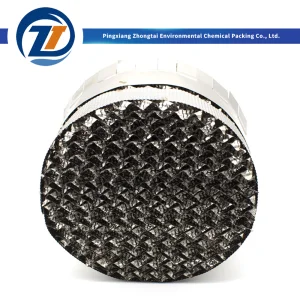
China 304 316L Stainless Steel Metal Structured Packing Corrugated Sheet
China 304 316L Stainless Steel Metal Structured Packing Corrugated Sheet for Distillation Towers
View Specifications
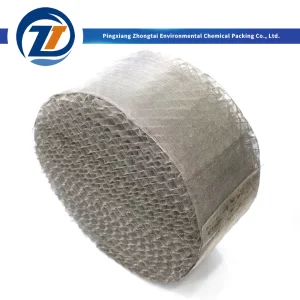
Wholesale High Efficiency 304 316L Metal Wire Gauze Structured Packing
Wholesale High Efficiency 304 316L Metal Wire Gauze Structured Packing BX DX CY Type for Fine Chemical
View Specifications
Fast Factory Quote Response

Need an Engineering Review or Custom Price Assessment?

Share your operating parameters (feed flow, target purity, adsorption cycle times, vessel dimensions). Our technical team will generate a tailored media requirement schedule, air-to-nitrogen calculation, and competitive factory FOB/CIF pricing.

Contact Technical Sales Request Full Product Catalog