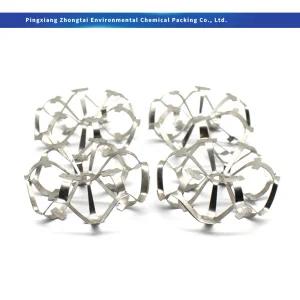
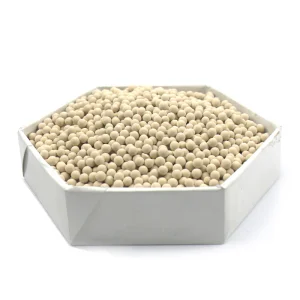
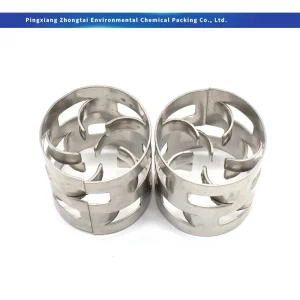
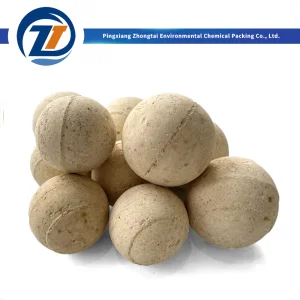
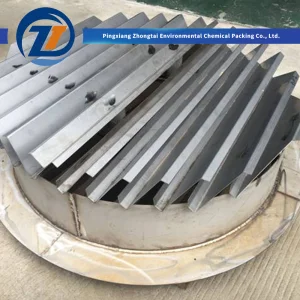
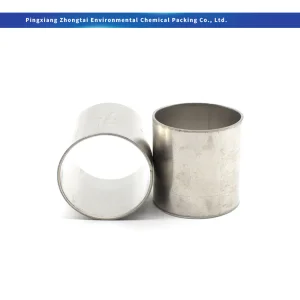
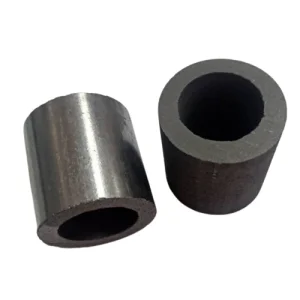
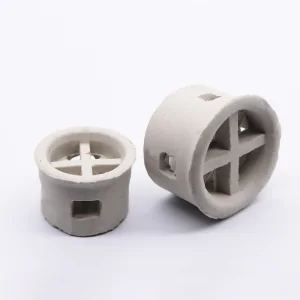
Explore high-performance ceramic and metallic packing configurations direct from Pingxiang Zhongtai manufacturing facilities, certified to international ISO industrial standards.
The global demand for high-performance Zirconia Ceramic Balls (ZrO₂) and Alumina-Zirconia composites is undergoing a transformative paradigm shift. Driven by advanced nanomaterial processing, lithium-ion battery cathode/anode fine milling, and ultra-deep chemical refining, industrial operators require absolute operational reliability.
Modern battery production demands sub-micron wet grinding of lithium iron phosphate (LFP), nickel-cobalt-manganese (NCM) precursors, and synthetic silicon-carbon anodes. High-density Yttria-Stabilized Zirconia (YSZ) beads eliminate metallic contamination, preventing catastrophic battery micro-short-circuits.
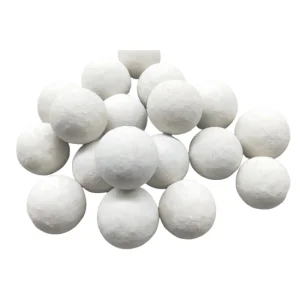
In harsh acidic distillation and fixed-bed hydrocracking reactors, inert zirconia balls serve as critical bed supports. With extreme resistance to hydrofluoric traces, caustic washes, and high-pressure steam, zirconia structures prevent bed compaction and catastrophic catalyst fluidization.
The manufacturing of multilayer ceramic capacitors (MLCC) and piezoelectric sensors mandates sub-100nm dielectric powders. Zirconia micro-milling media ensure optimal kinetic energy transfer in high-speed agitator bead mills without spalling or structural fracturing.
Understanding the metallurgical composition, sintering methodologies, and operational cost metrics enables process engineers to optimize lifecycle Total Cost of Ownership (TCO).
| Material Classification | Composition (wt%) | Specific Density | Crush Strength | Primary Industrial Use Case | Indicative Price Range (FOB China) |
|---|---|---|---|---|---|
| Y-TZP (Yttria Stabilized) | 95% ZrO₂, 5.2% Y₂O₃ | > 6.00 g/cm³ | > 2500 N (Ø 2mm) | Nano-grinding, MLCC, Lithium Battery Anodes | $18.50 – $32.00 / kg |
| Ce-TZP (Ceria Stabilized) | 80% ZrO₂, 20% CeO₂ | > 6.20 g/cm³ | > 2100 N (Ø 2mm) | High-viscosity paints, agrochemicals, minerals | $14.00 – $22.50 / kg |
| ZTA (Zirconia Toughened Alumina) | 68% Al₂O₃, 30% ZrO₂ | > 3.80 – 4.20 g/cm³ | > 1800 N (Ø 2mm) | Metallic mineral processing, gold & copper mining | $4.80 – $8.50 / kg |
| Zirconium Silicate (ZrSiO₄) | 65% ZrO₂, 33% SiO₂ | > 4.00 – 4.20 g/cm³ | > 1200 N (Ø 2mm) | Calcium carbonate, coatings, cosmetic slurries | $3.50 – $6.20 / kg |
| High-Purity Inert ZrO₂ Balls | 99.5% ZrO₂ + HfO₂ | > 5.95 g/cm³ | Extreme Static Load | Corrosive chemical column hold-downs, valve balls | Custom Technical Quote |
Pingxiang Zhongtai Environmental Chemical Packing Co., Ltd. operates in the epicenter of the world's most consolidated industrial ceramics ecosystem, ensuring unparalleled cost efficiency, rapid scaling, and technological excellence.
Located in Jiangxi Province, our manufacturing infrastructure draws raw precursors, rare earth dopants, ultra-pure alumina, and advanced refractory binders from within a 150-kilometer supply radius. This structural advantage insulates international procurement partners from volatile multi-tier logistics disruptions.
Our plants utilize fully automated, computer-monitored high-temperature tunnel kilns and specialized Isostatic Pressing (CIP) suites. Precise multi-zone heating schedules ensure uniform crystal phase transformation from monoclinic to tetragonal crystalline structures without micro-fissures.
Supported by seamless intermodal railway and highway transit to major sea shipping gateways including Shanghai, Ningbo, and Shenzhen ports, our export logistics infrastructure guarantees turnkey international customs clearance, fumigated palletization, and prompt multi-tonnage dispatches.
Field-proven deployments of zirconia and ceramic balls across critical industrial infrastructure worldwide.
Under cyclic high pressures exceeding 15 MPa and temperatures above 450°C, high-density inert ceramic and zirconia balls prevent hydrodesulfurization bed crushing. The smooth, chemically inert surface prevents premature coking and uneven pressure drop accumulation across deep catalyst beds.
Replacing traditional chrome steel balls with yttria-stabilized or ceria-stabilized zirconia media in continuous stirred horizontal media mills drastically increases whiteness, eliminates chromatic degradation, and reduces energy consumption by up to 28% through superior kinetic energy density.
Precision-ground zirconia balls (Grade G25 / G10) deliver exceptional tribological performance in severe-service chemical metering pumps, deep-well subsea oil production check valves, and abrasive slurry pipeline instrumentation subject to intense cavitation wear.
Fulfilling rigorous global petrochemical and metallurgical engineering standards with end-to-end trace documentation.
Every commercial production lot is subjected to X-Ray Fluorescence (XRF) elemental verification, Helium Pycnometry density calculation, and Single-Ball Compressive Fracture validation. We support third-party field inspections by SGS, Bureau Veritas, and TÜV Rheinland.
Standard export packaging includes multi-wall hermetically sealed composite drums, UV-stabilized heavy-duty polypropylene 1000kg FIBC bulk bags, and ISPM-15 compliant heat-treated timber pallets shrink-wrapped with moisture-barrier liners to prevent contamination during ocean freight.
Our in-house chemical engineers and export dispatch consultants offer full process simulation reviews, column hydraulics modeling, bead size distribution calculations, and prompt billing support in English, Chinese, and partner languages worldwide.
Direct technical guidance covering grain sizing, selection criteria, mill operating parameters, and supply agreements.
95% Yttria-Stabilized Zirconia (YSZ) features a density of 6.00–6.05 g/cm³ and a homogenous tetragonal polycrystalline microstructure, delivering supreme wear resistance for sub-micron and nano-scale grinding. Zirconium Silicate offers a lower density (~4.0 g/cm³) suited for micro-milling higher-viscosity slips where equipment wear from heavy media must be moderated at a competitive price point.
Kinetic energy during wet milling is governed by the equation E = ½mv². Higher-density beads impart significantly higher impact and shear energy at identical peripheral agitator speeds. Switching from alumina (3.6 g/cm³) or glass beads (2.5 g/cm³) to YSZ zirconia (6.0 g/cm³) shortens milling cycles by up to 50% and yields much narrower particle size distributions.
Yes. While 99% alpha-alumina balls are the historic standard, inert zirconia balls offer higher fracture toughness, virtually zero silica leaching risk, and improved resistance to hot alkaline or cyclic high-pressure thermal shock. They are widely specified in critical gasification, ammonia synthesis, and severe catalytic reforming reactors.
Standard diameter beads and industrial tower packing sizes (0.1mm to 50mm) are maintained in inventory with an MOQ of 25 kg for trials and standard production dispatches starting at 1 metric ton. Typical lead time for multi-ton bespoke container shipments is 10 to 18 business days from final specification clearance.
Complete the mass transfer layout with certified acid-resistant ceramics, specialty graphite internals, and high-capacity metallic random packing media manufactured by Zhongtai.