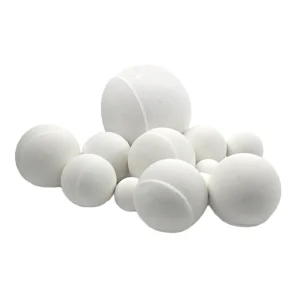
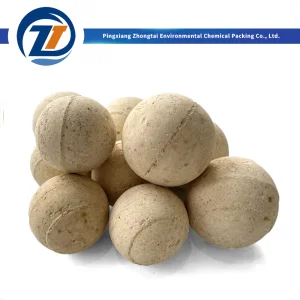
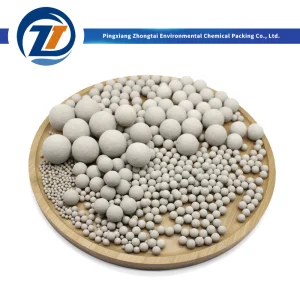
China White Ceramic Beads Manufacturer & Supplier

Precision-Engineered Micro-Grinding & Catalyst Support Solutions for Global High-Tech Process Industries

Industrial Product Portfolio (Part I)

High-Performance Media & Process Tower Components

Engineered for maximum mass transfer, low wear degradation, and exceptional thermal resistance under aggressive chemical processing environments.
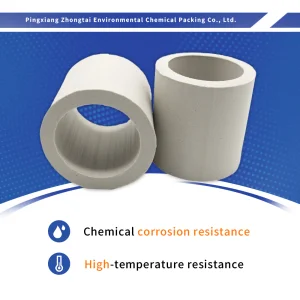
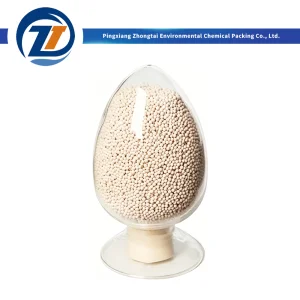
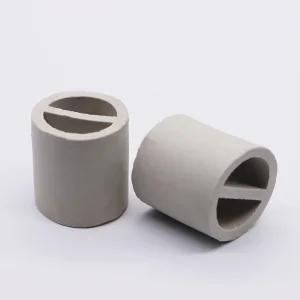
Wholesale Ceramic Raschig Ring
Wholesale Ceramic Raschig Ring – Random Tower Packing for Absorption, Distillation & Industrial Processing Towers Manufacturer, Suppliers
Explore Product Specifications
China High Performance 4A Molecular Sieve
China High Performance 4A Molecular Sieve Zeolite Adsorbent for Natural Gas Dehydration Supplier, Quotes
Explore Product Specifications
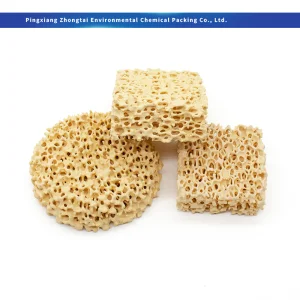
China High Porosity Ceramic Foam Filter
China High Porosity Ceramic Foam Filter (Alumina / SiC / Zirconia) 10-60 PPI for Foundry Molten Metal Filtration Manufacturer, Factories
Explore Product Specifications
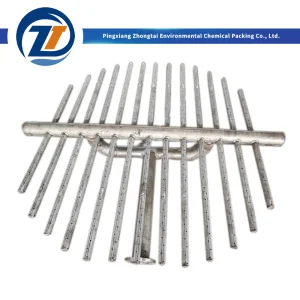
Stainless Steel Pipe Liquid Distributor
China 304 316L Stainless Steel Metal Pipe Liquid Distributor / Perforated Spray Pipe Distributor for Uniform Liquid Distribution in Packed Columns Suppliers, Pricelist
Explore Product Specifications
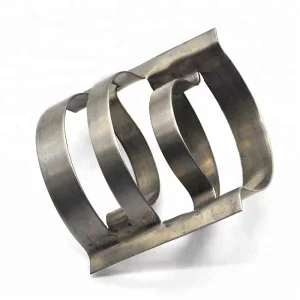
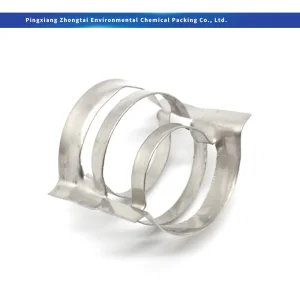
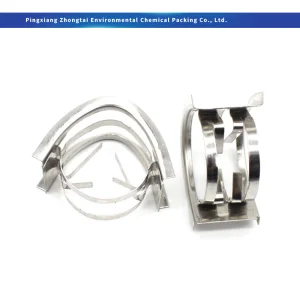
Metal Conjugated Ring Tower Packing
Wholesale Metal Conjugated Ring Tower Packing Manufacturers, Factory
Explore Product Specifications
High Strength Ceramic Proppant Bauxite Media
Wholesale High Strength Ceramic Proppant Bauxite Fracturing Media for Oil and Gas Well Manufacturers, Factory
Explore Product Specifications
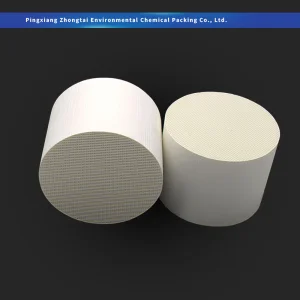
Metal Honeycomb Catalyst Substrate
China Metal Honeycomb Catalyst Substrate | Ceramic-Coated Monolithic Structure Manufacturer, Suppliers
Explore Product Specifications
Stainless Steel Metal Conjugate Ring
Wholesale Stainless Steel Metal Conjugate Ring 25mm 38mm 50mm High Efficiency Low Pressure Drop Tower Packing for Chemical Distillation Supplier, Factory
Explore Product Specifications
Industry Intelligence Whitepaper

The Global Commercial & Industrial Landscape of White Ceramic Beads

Analyzing market dynamics, advanced ultrafine wet milling transitions, and structural demand shifts across multinational manufacturing sectors.

Next-Gen Nanometer Milling

Modern industrial processing requires dispersion down to the sub-micron and nanometer scale. White ceramic beads—specifically Yttria-Stabilized Zirconia (Y-TZP) and High-Purity Alumina—offer the ultra-high density and minimal wear rate mandatory for nano-milling without metal contamination.

Energy Transition Catalyst

The global surge in lithium-ion battery manufacturing for EVs and energy storage systems (ESS) has positioned white ceramic micro-beads as a critical consumable for processing cathode (LFP/NCM) and anode materials with near-zero iron impurity tolerance.

Replacement of Glass & Steel Media

Traditional grinding media like glass beads and forged steel shot suffer from high breakage rates, low kinetic energy transmission, and severe mill liner abrasion. Industrial operators are rapidly converting to dense ceramic formulations to achieve up to 40% reduction in specific energy consumption.

"Information Gain Insight: In high-energy sand mills and agitator bead mills operating at tip speeds exceeding 14 m/s, shifting from Zirconium Silicate (3.8 g/cm³) to 95% Y-TZP Zirconia Beads (6.0 g/cm³) reduces mill residence time by up to 55% while dropping bead consumption per ton of product by over 70%."

6.0
g/cm³ Max True Density (Y-TZP)
9 Mohs
Extreme Material Hardness
< 0.01
g/kg.h Ultra-Low Wear Rate
0.05mm
Min Micro-Bead Size Available
Material Engineering & Metallurgy

Material Science: Microstructure, Toughening & Mechanical Integrity

Understanding Phase Transformation Toughening (PTT), sintering temperature profiles, and composition physics for optimized grinding performance.

White ceramic beads are not monolithic commodities; they represent sophisticated ceramic powder metallurgy. The mechanical performance of a ceramic grinding bead depends entirely on chemical purity, grain size distribution, density, and sintering profile. Below is an engineering overview of the primary white ceramic bead matrix technologies manufactured in China:

Ceramic Bead Classification Chemical Composition Specific Density (g/cm³) Bulk Density (g/cm³) Vickers Hardness (HV10) Primary Industrial Use Case
95% Yttria Stabilized Zirconia (Y-TZP) 95% ZrO₂ + 5% Y₂O₃ ≥ 6.00 ~ 3.60 - 3.85 1,250 - 1,350 kg/mm² Ultra-fine nano grinding of MLCC, lithium battery slurries, high-end inkjet inks.
Zirconia Toughened Alumina (ZTA) 60-80% Al₂O₃ + ZrO₂ blend 4.10 - 4.60 ~ 2.50 - 2.80 1,400 - 1,550 kg/mm² Cost-effective wet grinding of calcium carbonate, metallic minerals, and paints.
High-Purity Alumina Beads (99% Al₂O₃) ≥ 99.5% Al₂O₃ 3.68 - 3.80 ~ 2.20 - 2.40 1,600 - 1,700 kg/mm² Chemical processing, catalyst support beds, acid-corrosive grinding environments.
Zirconium Silicate Beads (ZS) 65% ZrO₂ + 33% SiO₂ 4.00 - 4.20 ~ 2.50 - 2.60 1,000 - 1,100 kg/mm² Medium-energy vertical and horizontal mills for agricultural chemicals and paper coating.

Phase Transformation Toughening

Y-TZP ceramic beads utilize stress-induced phase transformation. When a micro-crack initiates, the metastable tetragonal zirconia crystals transform into a monoclinic phase with a 3-5% volume expansion. This expansion exerts compressive stress on the crack tip, effectively arresting crack propagation and providing extreme fracture toughness (KIC ≥ 9.0 MPa·m¹/²).

Titration / Dropping vs. Dry Pressing

High-end micro-beads (<1.0mm) are manufactured via electrolyte titration forming (wet dropping process). This achieves internal homogeneity, absolute sphericity (≥ 98%), smooth surface roughness (Ra < 0.01 μm), and complete elimination of internal air voids or micro-porosity.

Grain Size Microstructure Control

By utilizing sub-micron raw ceramic powder (<0.2μm) and computer-controlled roller hearth kilns firing at 1,500°C - 1,600°C, China's premier manufacturers maintain ultra-fine crystal grain sizes (<0.5μm), providing exceptional wear resistance and long operational lifespan.

Operational & Manufacturing Efficiency

China Factory Efficiency & Global Supply Chain Synergies

Why sourcing white ceramic beads directly from established Chinese manufacturing hubs provides unmatched cost-to-performance advantages.

Pingxiang Industrial Ceramics Hub Synergy

Situated in Pingxiang, Jiangxi Province—China's recognized chemical packing and industrial ceramics epicenter—our production facility benefits from an integrated supply radius. Raw material purification, kiln tooling, specialized engineering labor, and analytical labs operate within a 30-minute radius, driving lead times down significantly.

Fully Automated Sintering Lines

Equipped with continuous automated roller hearth kilns, laser particle analyzers, and high-speed optical bead sorting equipment, Chinese plants eliminate batch-to-batch variation. Real-time temperature control (±1°C) ensures uniform density and zero under-sintered porous beads.

Total Cost of Ownership (TCO) Optimization

By leveraging vast economies of scale and vertically integrated ceramic slurry production, Chinese OEM suppliers deliver premium Y-TZP and Alumina grinding media at 30% to 50% lower capital outlay compared to European or Japanese counterparts, without compromising physical specs.

Cross-Sector Utility

Specialized Application Scenarios Across Global Process Industries

From advanced energy materials to cosmetics, white ceramic beads deliver optimized kinetic grinding energy across diverse sectors.

Lithium-Ion Battery Slurry Manufacturing

Processing Lithium Iron Phosphate (LFP), Nickel Manganese Cobalt (NCM), and silicon-carbon anode slurries requires ultra-fine micro-beads (0.1mm - 0.6mm). White Y-TZP zirconia beads eliminate iron contamination that could otherwise trigger short circuits or thermal runaway in high-density battery cells.

Automotive Paints, Coatings & Digital Inks

High-gloss automotive topcoats, metallic paints, and inkjet formulations demand tight particle size distribution (D99 < 100nm). High-density white ceramic beads reduce dispersion times in pin-type bead mills while maintaining high optical transparency and color vividness.

MLCC & Electronic Ceramics

Multi-Layer Ceramic Capacitors (MLCC) rely on sub-micron Barium Titanate (BaTiO₃) powders. High-purity white ceramic beads prevent heavy metal dislodgement during long grinding cycles, ensuring strict dielectric constant compliance.

Cosmetics, Pharmaceuticals & Food Additives

Grinding Titanium Dioxide (TiO₂) and Zinc Oxide (ZnO) for sunscreens or pharmaceutical liposome carriers requires chemical inertness. Non-toxic, pure white alumina and zirconia beads conform to stringent ISO and FDA compliance standards.

Agrochemical Formulations (SC/WDG)

Suspension Concentrate (SC) and Water Dispersible Granule (WDG) pesticides require wet milling to achieve uniform bio-activity. Zirconium silicate and ZTA ceramic beads deliver economical, high-throughput milling in large-volume ag-chem mills.

Non-Metallic Mineral Beneficiation

Ultrafine grinding of Ground Calcium Carbonate (GCC), Kaolin clay, Titanium Dioxide, and Zirconium Silicate for paper coatings and ceramics utilizes large-diameter (1.5mm - 5.0mm) high-alumina ceramic beads in vertical stirred mills.

Strategic Sourcing Protocol

Global Procurement Guide: Specifying & Verifying Ceramic Bead Batches

A technical verification framework for procurement directors, plant managers, and chemical engineers to ensure seamless factory integration.

1. Sphericity & Size Tolerance Checks

Always request microscopic roundness analysis (≥ 95% sphericity required for high-speed mills). Diameter tolerances should be tightly controlled within ±0.05mm for micro-beads to prevent screen choking inside the mill separator.

2. Bulk Density & Crush Strength Testing

Verify true density via pycnometer and crush strength (expressed in Newtons per bead). Low crush strength results in bead fracture under high shear forces, leading to catastrophic mill seizure and contaminated slurries.

3. Seaworthy & Moisture-Proof Packaging

Industrial shipments must be packed in heavy-duty steel drums or reinforced moisture-sealed ton bags mounted on fumigation-free ISPM-15 compliant pallets. Micro-beads require inner double-layer vacuum polyethylene liners to prevent contamination during sea transit.

Future Engineering Trends

Innovations & Future Trends in Industrial Ceramic Media

How green manufacturing, sub-micron bead engineering, and AI-assisted quality control are shaping the next decade of grinding media production.

Ultra-Small Bead Dropping Technologies (<0.05mm)

As semiconductor chemical mechanical planarization (CMP) slurries and solid-state battery electrolyte powders demand sub-30nm milling capability, Chinese manufacturers are pushing micro-titration technology down to 30-50 micron bead thresholds.

Zero-Carbon Kiln Firing & Circular Economy

Leading Chinese chemical ceramic hubs are integrating hydrogen-enriched natural gas combustion and solar-assisted electric sintering kilns, drastically lowering the embodied carbon footprint per metric ton of ceramic beads produced.

AI Optical Sorting & Automated Flaw Detection

Moving beyond manual screening, next-generation production lines utilize high-speed machine vision optical sorters capable of analyzing 50,000 beads per second to instantly eject non-spherical, cracked, or discolored beads before packaging.

Industrial Product Portfolio (Part II)

Specialized Chemical Tower Packings & Catalyst Support Media

Complementary high-purity ceramic, stainless steel, and refractory products for refining, chemical distillation, gas purification, and thermal oxidizers.
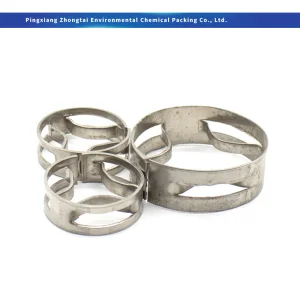
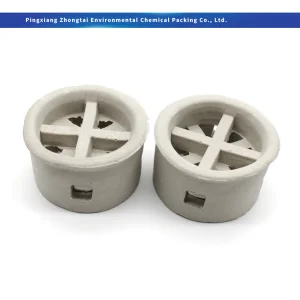
Stainless Steel SMR Super Mini Ring
China High Quality 304 & 316 Stainless Steel Metal SMR-Super Mini Ring 25mm 38mm 50mm Metal Tower Packing Suppliers, Factories
Explore Product Specifications
Ceramic Cascade Mini Ring
Wholesale Acid & Heat Resistant Ceramic Cascade Ring (Cascade Mini Ring) Random Tower Packing for Chemical Absorption & Scrubbing Suppliers, Pricelist
Explore Product Specifications
Alumina Grinding Ball for Ball Mill
Wholesale Alumina Grinding Ball used in ball mill Suppliers, Factory
Explore Product Specifications
High Density Heat Storage Ceramic Ball
Wholesale High Density Heat Storage Ceramic Ball Refractory Regenerative Ball for RTO and Heating Furnace Suppliers, Quotes
Explore Product Specifications
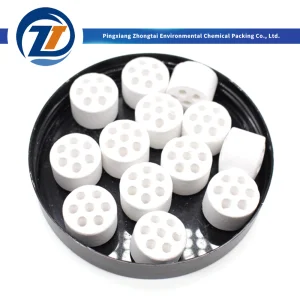
Inert Alumina Ceramic Ball Catalyst Support
China High Purity Inert Alumina Ceramic Ball Catalyst Support Media for Petrochemical Industry Suppliers, Factory
Explore Product Specifications
Stainless Steel IMTP Intalox Saddle Ring
China High Quality 304 & 316 Stainless Steel IMTP Intalox Saddle Ring 25mm 40mm 50mm Metal Tower Packing Suppliers, Pricelist
Explore Product Specifications
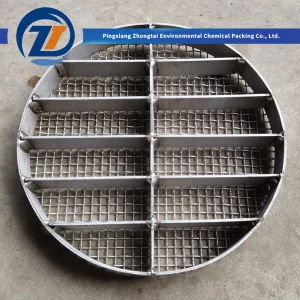
Stainless Steel Metal Support Grid
Wholesale 304 316L Stainless Steel Metal Support Grid / Tower Packing Support Plate for Packed Columns & Catalyst Bed Support Suppliers, Quotes
Explore Product Specifications
Ceramic Mini Lessing Ring
China Ceramic Mini Lessing Ring Tower Packing Supplier, Quotes
Explore Product Specifications
Technical Knowledge Base

Frequently Asked Questions (FAQ) for Technical Buyers

In-depth engineering answers covering bead selection criteria, wear mechanism analysis, OEM manufacturing standards, and bulk export logistics.

What is the primary difference between Y-TZP Zirconia Beads and Zirconium Silicate Beads?
Y-TZP (Yttria-Stabilized Tetragonal Zirconia Polycrystal) beads are composed of 95% ZrO₂ stabilized with ~5% Y₂O₃, yielding a high density of 6.0 g/cm³ and extreme fracture toughness. Zirconium Silicate (ZS) beads contain roughly 65% ZrO₂ and 33% SiO₂ with a lower density around 4.0 g/cm³. Y-TZP is essential for high-energy horizontal mills processing sub-micron nano-materials (battery slurries, MLCC, high-end inks), whereas Zirconium Silicate is a cost-effective choice for medium-energy vertical mills in paper coating and agricultural chemistry.
How do I determine the optimal ceramic bead diameter for my bead mill setup?
As a general rule of engineering thumb, the average bead diameter should be approximately 20 to 30 times larger than the feed material's initial particle size (D90), and roughly 1,000 times larger than the target final particle size. For instance, achieving a target nanoparticle size of 100nm typically requires micro-beads ranging from 0.1mm to 0.3mm. Additionally, the bead size must be larger than the mill separator gap (usually 2.5 to 3 times larger) to prevent bead jamming or leakage.
Why is silica leaching critical when specifying inert alumina ceramic catalyst support balls?
In high-temperature petrochemical reactors (such as steam reformers or ammonia synthesis units), steam reacts with free silica (SiO₂) present in low-grade ceramic support balls, forming volatile silicic acid gases. This volatile silica travels downstream and deposits onto cooler catalyst beds or exchanger tubes, poisoning expensive noble metal catalysts. Specifying 99%+ high-purity alumina ceramic balls with less than 0.2% SiO₂ guarantees zero silica leaching under high-pressure steam conditions.
What quality assurance documentation is provided with direct factory shipments from China?
Every export shipment includes a batch-specific Certificate of Analysis (COA) detailing X-Ray Fluorescence (XRF) chemical composition analysis, pycnometer bulk/true density testing, Vickers hardness testing, average crush strength (N), laser particle size distribution metrics, and volumetric wear rate per hour. Additional third-party inspection reports (e.g., SGS, TÜV, Bureau Veritas) can be performed prior to container loading upon buyer request.
How does density affect grinding efficiency and power consumption in agitator bead mills?
Kinetic energy transmitted during bead impact is directly proportional to bead mass (E = 1/2 m·v²). Denser ceramic beads (such as Y-TZP at 6.0 g/cm³) deliver significantly higher kinetic energy at the same agitator tip speed compared to lower-density media like glass (2.5 g/cm³). This enables higher slurry throughput, shorter mill residence times, and reduces total kWh energy consumption per ton of finished product, despite requiring higher initial motor torque.
Can Chinese OEM facilities produce customized ceramic bead sizes or specialized chemical blends?
Yes. Direct ceramic manufacturers in Pingxiang possess full OEM/ODM custom synthesis capabilities. We can tailor specific ceramic formulations (such as Cerium-stabilized Zirconia, Zirconia-Toughened Alumina, or high-density Y-TZP), adjust micro-bead size gradations (e.g., tight fractioning 0.20mm - 0.25mm), and modify surface polish levels to suit proprietary milling chambers or sensitive chemical reaction media.
What are the typical sea freight lead times and packaging standards for international bulk buyers?
Standard production lead times for 20-foot full container loads (FCL) of standard white ceramic beads or chemical tower packings are typically 10 to 15 days. Products are secured in 25kg double-lined plastic bags packaged within heavy-duty UN-rated steel drums (250kg per drum) or 1,000kg reinforced moisture-proof super-sacks. Pallets are heat-treated, shrink-wrapped, and strapped to guarantee zero movement during ocean transport.
How do white ceramic beads prevent cross-contamination during paint and ink manufacturing?
White ceramic beads possess non-porous, smooth surfaces (Ra < 0.01 μm) and complete chemical inertness across pH ranges 1 to 14. Unlike metallic grinding media that shed iron, nickel, or chromium micro-particles causing grey color shifts, high-purity white zirconia and alumina beads exhibit wear rates below 0.01 g/kg.h, ensuring absolute color purity and brightness in white paints, clear coats, and pharmaceutical formulations.

Partner with China's Premier Ceramic Media Manufacturer

Optimize your wet milling processes, lower specific energy consumption, and secure direct-from-factory volume pricing. Request a technical consultation and free material sample kit today.

Request Technical Data Sheet & Factory Quote