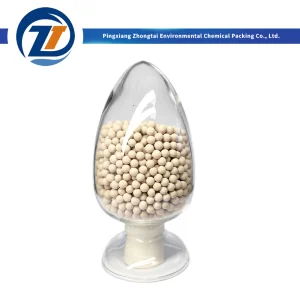
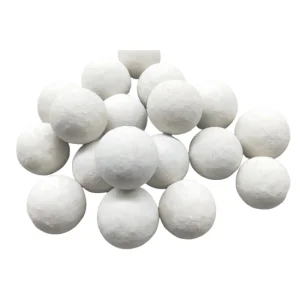
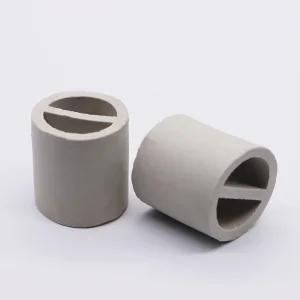
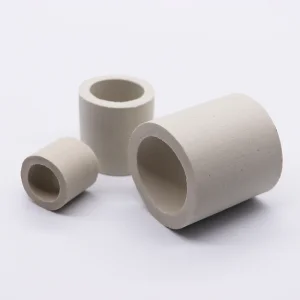
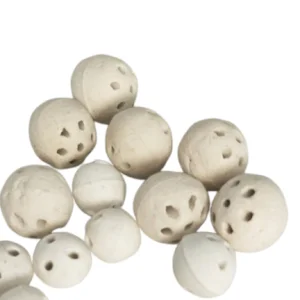
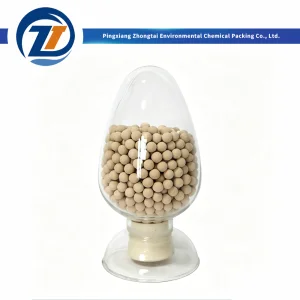
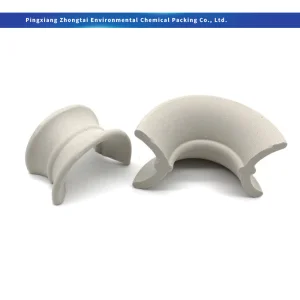
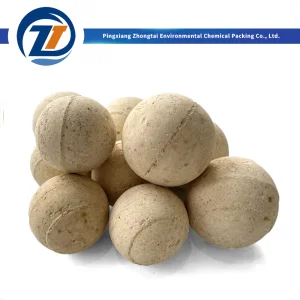
Directly integrated from our Pingxiang manufacturing center for process engineering and specialized industrial packaging applications.
In the realm of industrial moisture control, molecular sieve desiccant packets represent the pinnacle of targeted moisture adsorption performance. Unlike conventional silica gel or montmorillonite clay desiccants, which rely on non-uniform capillary condensation, molecular sieves are synthetically manufactured alkali metal aluminosilicates engineered with microscopic, uniform pore structures.
These crystalline structures belong to the zeolite family (primarily Type A and Type X structures). Their precise pore diameters—ranging from 3 Angstroms (3A) to 10 Angstroms (13X)—allow them to selectively adsorb water vapor while completely excluding larger chemical molecules. This molecular selectivity prevents co-adsorption of critical active compounds, volatile organics, or carrier gases in sensitive packaged environments.
Pore aperture ~3 Å. Formed by potassium cation exchange. Adsorbs water exclusively without trapping hydrocarbons or alcohols. Ideal for ethanol drying, insulated glass units, and unsaturated hydrocarbon packaging.
Pore aperture ~4 Å. Sodium form of the Type A crystal structure. The standard workhorse desiccant packet for electronics, medical diagnostics, pharmaceutical packaging, and closed-loop optical gear protection.
Pore apertures 5 Å and 10 Å respectively. Calcium and sodium X-type formulations engineered for rapid moisture scavenging, trace contaminant adsorption, gas purification, and specialized military packaging.
| Adsorbent Property | 3A Molecular Sieve Packet | 4A Molecular Sieve Packet | Silica Gel (Type A) | Montmorillonite Clay |
|---|---|---|---|---|
| Nominal Pore Diameter | 3 Å (0.3 nm) | 4 Å (0.4 nm) | 20 - 30 Å (2 - 3 nm) | Non-uniform (Variable) |
| Water Capacity (RH=10%, 25°C) | ~18.0 - 20.0% | ~19.0 - 21.5% | ~6.0 - 8.0% | ~3.5 - 5.0% |
| Water Capacity (RH=40%, 25°C) | ~21.5 - 23.0% | ~22.0 - 24.0% | ~20.0 - 25.0% | ~12.0 - 15.0% |
| Retention at 75°C (167°F) | High (>85% retained) | High (>85% retained) | Low (<30% retained) | Very Low (<20% retained) |
| Attainable Dew Point | Below -70°C | Below -70°C | -40°C | -25°C |
China factory-manufactured molecular sieve desiccant packets are tailored for zero-tolerance micro-environments across diverse industrial sectors. Our engineering compliance ensures adherence to stringent global regulations including US FDA DMF, USP <671>, MIL-D-3464E, and EU REACH.
In active pharmaceutical packaging (APIs, effervescent tablets, oral solid dosage) and diagnostic test kits (IVD, lateral flow strips), humidity triggers rapid hydrolysis and degradation. Non-dusting, ultra-clean Tyvek® wrapped 4A molecular sieve sachets eliminate particulate contamination and maintain internal humidity below 5% RH.
Microprocessors, SMD components, and high-frequency PCBs subject to IPC/JEDEC J-STD-033 standards require dry-packing to prevent "popcorning" during surface-mount soldering. Molecular sieve sachets rapidly lower container moisture within moisture barrier bags (MBB) post-vacuum sealing.
Double-glazed windows rely on 3A molecular sieve matrix beads embedded inside spacer bars to adsorb moisture trapped during assembly and prevent internal glass fogging at sub-zero outdoor temperatures, guaranteeing 20+ year thermal window performance.
Lithium metal anodes and electrolytes react catastrophically with trace atmospheric water to form hydrofluoric acid (HF) and hydrogen gas. Custom molecular sieve packets inserted into pouch-cell shipping containers scavenge residual moisture during transit.
Navigational FLIR systems, laser optics, and military night-vision housings use precision-machined, metal-clad or high-density Tyvek molecular sieve packets under MIL-D-3464E Type I, II, and III standards to eliminate thermal lens fogging.
Specialized dehydrated probiotics, botanical powders, and functional food products that degrade under moisture exposure use food-contact compliant (US FDA 21 CFR) molecular sieve packets in food-grade non-woven films.
The global demand for higher efficiency desiccant systems is driving substantial innovation across Chinese manufacturing ecosystems. Factory processes have evolved from simple manual sachet filling to automated, cleanroom-class continuous manufacturing lines with real-time computer vision quality verification.
Hydrothermal crystallization of silica and alumina sources under strict temperature and pH control. Control over crystal purity ensures zero free silica and uniform pore distributions without lattice defects.
Eliminating traditional clay binders (10-20% inert clay) via direct chemical conversion. Binderless molecular sieve beads yield 15-20% higher active mass per gram, allowing smaller packet sizes for compact spaces.
Replacing thermal adhesive seals with high-frequency ultrasonic welding. Eliminates heat damage to packaging materials, prevents glue off-gassing, and guarantees zero seam failure under drop testing.
As global sustainability mandates tighten, Chinese molecular sieve factories are leading research into low-energy thermal regeneration processes, biodegradable non-woven membrane materials, and smart color-indicating molecular sieve beads free of cobalt chloride (CoCl2-free). The integration of RFID and humidity-sensing indicators directly onto packet substrates represents the next frontier in smart protective packaging.
China's dominance in industrial ceramics, chemical packings, and molecular sieve production is anchored in robust industrial clusters—most notably centered in Pingxiang, Jiangxi Province. This geographic concentration creates unmatched supply chain synergies, combining raw material availability, calcination energy infrastructure, packaging film converters, and specialized chemical engineering talent within a 50-kilometer radius.
Direct access to high-purity kaolin clay, synthetic sodium aluminate, and premium silica sources ensures consistent raw material feed chemistry, lowering batch-to-batch variance in water adsorption kinetics.
State-of-the-art multi-lane automated pouching machinery yields daily outputs exceeding millions of sachets per plant. Economies of scale allow competitive pricing without compromising quality control standards.
Factory-direct quality assurance includes automated optical sorting of beads, Karl Fischer titration for residual moisture, crush testing (>15 N/bead), and dust extraction analysis for Tyvek sachets.
Navigating international procurement requires more than competitive FOB pricing; it demands strict adherence to destination-market regulatory frameworks and custom packaging options. Overseas procurement managers, EPC contractors, and OEM buyers rely on certified Chinese factories to streamline customs clearance and quality auditing.
Leading China molecular sieve desiccant factories maintain full compliance with US FDA Drug Master Files (DMF), EU REACH registration for chemical substances, RoHS directive compliance (lead-, cadmium-, and heavy-metal-free), and SVHC (Substances of Very High Concern) declarations.
Sachet wrapping substrates are tailored to application requirements: DuPont™ Tyvek® (non-dusting, high tear strength), Aihua paper (breathable, economically optimized), ESD anti-static pink poly-films (for microelectronics), and heat-sealable non-wovens.
To preserve activation levels during long ocean transit times, factory shipments are hermetically sealed inside heavy-duty polyethylene liner bags within steel drums, fiber drums, or triple-ply moisture barrier cartons with external desiccants.
Addressing critical process and procurement questions for engineering and supply chain professionals.
Explore our complete catalog of high-performance molecular sieves, alumina supports, and chemical tower packings.