Engineered for severe-duty petrochemical fractionation, acid gas stripping, catalytic hydrotreating, and thermal process lines. Explore technical specifications below.
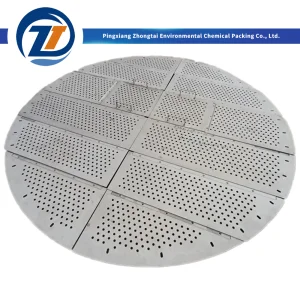
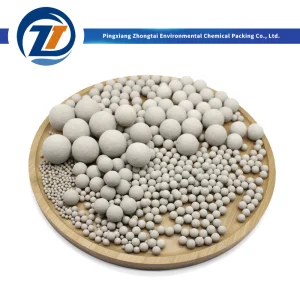
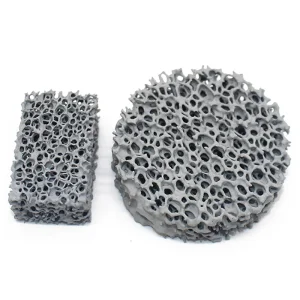
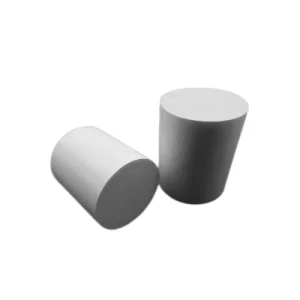
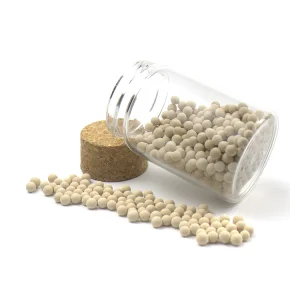
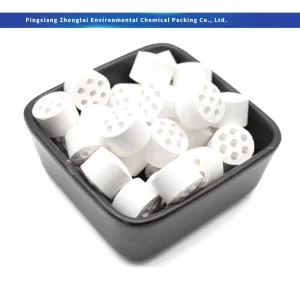
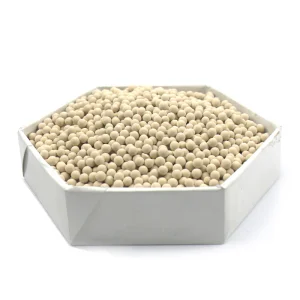
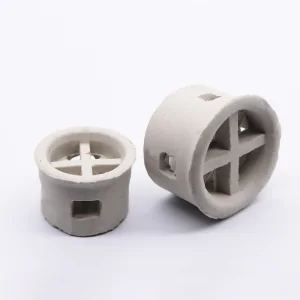
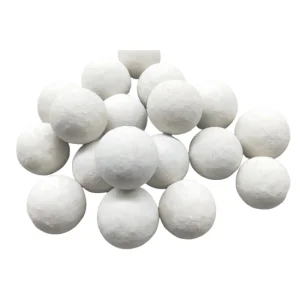
Ceramic tourmaline beads represent a specialized convergence of borosilicate mineralogy, sub-micron milling, and high-temperature solid-state sintering. By stabilizing spontaneous electrical dipoles within an inorganic ceramic matrix, modern process plants achieve continuous passive water conditioning without chemical additives.
Tourmaline crystals possess non-centrosymmetric trigonal symmetry (space group R3m), generating a permanent electrostatic field of approximately 106 to 107 V/m at crystal boundaries. When sintered into porous ceramic spheres, contact with aqueous solutions induces micro-electrolysis, splitting H2O into active H+ and OH- ions while suppressing molecular clustering.
Doped with high-purity iron-magnesium tourmaline (Schorl) and rare-earth inorganic oxides, our beads exhibit an infrared emissivity exceeding 0.90 within the 4–14 μm spectral band. This wavelength corresponds precisely to the vibrational resonance of hydrogen-bonded water clusters, shrinking aggregate 17O-NMR line-widths from 120 Hz to below 65 Hz for accelerated chemical mass transfer.
The piezo- and pyroelectric properties of composite tourmaline beads facilitate continuous electron donor interactions at fluid interfaces. Dissolved oxygen acts as an electron acceptor, producing superoxide radical intermediates that rapidly convert to stable negative air/water ions (2000–5000 ions/cm³), shifting the Oxidation-Reduction Potential (ORP) negatively by 150–350 mV.
Global supply chains are increasingly shifting toward vertically integrated chemical clusters to mitigate logistical fragility and secure consistent mineral quality. Pingxiang, Jiangxi stands as the epicenter of industrial ceramics and mass transfer media manufacturing.
Located directly adjacent to premier mineral reserves of lithium, kaolin, feldspar, and schorl tourmaline in Jiangxi and neighboring provinces, Pingxiang manufacturers minimize raw transportation friction, ensuring homogeneous raw mineral purity and eliminating trace radioactive elements.
Modernized manufacturing uses multi-zone digital gas-fired roller kilns and tunnel kilns spanning over 100 meters. Microprocessor-controlled temperature curves restrict thermal variation to ±2°C, completely preventing mineral lattice degradation that degrades functional ionization in batch kilns.
From initial dry ball milling down to 1.5-micron D50 powder fineness, every production batch is logged with its XRD (X-ray diffraction) phase purity, crush resistance values, and heavy metal leachability scores, delivering full validation for European and North American industrial purchasers.
By eliminating overseas brokers and secondary processors, direct sourcing from Pingxiang Zhongtai yields significant price advantages on container-load consignments, coupled with customized grain diameters ranging from 1.0mm micro-beads up to 30mm packed spheres.
Selecting the correct media grade depends on mechanical load requirements, flow shear velocities, pH exposure ranges, and desired ion release kinetics. Reference our standard factory formulations below.
| Media Grade | Tourmaline Content | Far-IR Emissivity | Crush Strength (25mm) | Bulk Density (g/cm³) | Primary Industrial Use Case |
|---|---|---|---|---|---|
| Industrial Effluent Grade | 15% – 20% Schorl | ≥ 0.88 (8–14 μm) | ≥ 520 N/particle | 1.35 – 1.45 | Wastewater de-emulsification, textile effluent polishing, heavy metal precipitation assistance |
| High-Purity Water Grade | 25% – 35% Sub-micron | ≥ 0.92 (4–16 μm) | ≥ 480 N/particle | 1.38 – 1.48 | Residential reverse osmosis post-treatment, alkaline water mineralization, beverage production |
| Tower Packing Composite | 10% – 15% Matrix Blend | ≥ 0.85 (8–14 μm) | ≥ 1,200 N/particle | 1.45 – 1.60 | Acid gas scrubber demisting, catalytic mass transfer contactors, circulating cooling towers |
| Aquaculture & RAS Grade | 18% – 22% Porous | ≥ 0.89 (6–14 μm) | ≥ 350 N/particle | 1.25 – 1.35 | Recirculating aquaculture biological beds, nitrification enhancement, aquatic disease suppression |
| Ultra-Dense Petrochemical Bed | 30% + Alumina Sintered | ≥ 0.91 (8–14 μm) | ≥ 2,200 N/particle | 1.65 – 1.80 | High-pressure catalytic reactors, secondary hydrotreater bed support, sulfur recovery processes |
Zhongtai engineered tourmaline ceramic beads serve across diverse unit operations. Here is how plant operators and EPC contractors integrate these functional carriers worldwide.
By altering calcium carbonate precipitation kinetics from rigid calcite morphology to fragile, non-adherent aragonite crystals, tourmaline contact beds reduce heat exchanger scaling. This allows cooling circuits to safely increase cycles of concentration (CoC) from 3.5 to over 6.0 without supplementary biocides.
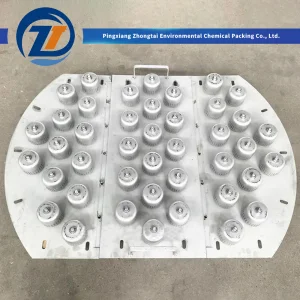
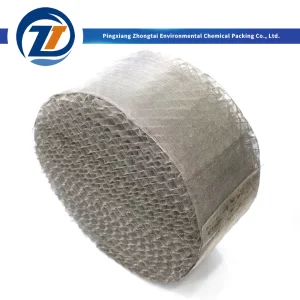
Packed within atmospheric and vacuum stripping columns in conjunction with structured wire gauze or random cascade rings, the spontaneous electrical field weakens surface tension at liquid-gas interfaces. This accelerates VOC stripping kinetics and lowers reboiler steam consumption by up to 8.5%.
High-density fish hatcheries utilize tourmaline bio-carriers to maintain redox balance and stimulate aerobic nitrifying bacterial activity (Nitrosomonas and Nitrobacter). Dissolved oxygen retention improves, total ammoniacal nitrogen (TAN) conversion speeds up by 22%, and mortality rates decline.
In municipal and pharmaceutical wastewater facilities, tourmaline beds precede Fenton, ozonation, or UV/H2O2 reactors. Micro-electrolytic generation of nascent hydroxide species lowers chemical oxidant consumption and helps crack refractory aromatic ring structures prior to secondary treatment.
Cosmeceutical formulation tanks and specialized beverage bottlers leverage micro-clustered water produced by tourmaline media beds to enhance emulsion stability, accelerate cellular hydration, and maximize botanical polyphenol extraction yields without thermal stress.
Supplying multinational EPCs, chemical refiners, and water treatment manufacturers requires uncompromising adherence to environmental and toxicological mandates. Zhongtai maintains stringent quality controls verified through third-party audits.
Every exported production run is analyzed via Inductively Coupled Plasma Mass Spectrometry (ICP-MS) in accordance with EPA 3050B and EN 12873-1 standards. Lead (Pb), Cadmium (Cd), Mercury (Hg), and Arsenic (As) release values remain below 0.001 mg/L, exceeding drinking water safety criteria.
Full European Union market authorization is backed by documented REACH declaration of conformity across all 235+ Substances of Very High Concern (SVHC). Products are certified halogen-free and compliant with EU RoHS Directive 2011/65/EU.
Ocean shipments are packaged on ISPM-15 compliant heat-treated solid timber or fumigation-free engineered composite pallets. Moisture-barrier sealed 25kg woven bags or 1,000kg anti-static ton bags ensure dry, uncompromised delivery across all climates.
Zhongtai's R&D engineering facility in Pingxiang is driving advancements in functional mineral materials. Our continuous development focuses on three primary technological evolutions.
By epitaxially growing titanium dioxide (anatase phase) crystals directly upon sub-micron tourmaline cores, our laboratory prototypes demonstrate self-driven photocatalysis without external UV activation. The intrinsic electrostatic field separates photo-generated electron-hole pairs, boosting organic pollutant mineralization speeds threefold.
Engineered for deep hydraulic fracturing water recovery and PFAS remediation, our upcoming piezocatalytic beads generate continuous hydroxyl radicals when agitated by mechanical fluid vibrations or low-intensity ultrasound, destroying halogenated carbon-fluorine bonds directly in-situ.
In accordance with national dual-carbon mandates, Pingxiang Zhongtai is converting secondary production lines to high-efficiency zero-emission electric kilns powered by provincial renewable hydro and solar grids, reducing embedded carbon per ton by 42% by late 2026.
Factory-direct chemical tower packings, distributors, molecular sieves, and molten metal filters manufactured to exact EPC tolerances. Request rapid quotation and freight estimates.
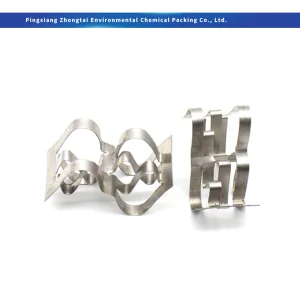
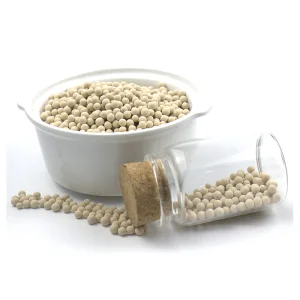
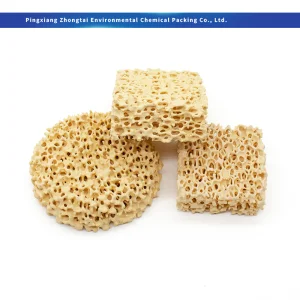
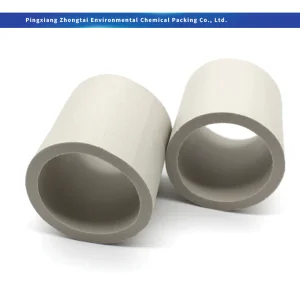
Critical engineering insights regarding bead longevity, physical chemistry, hydraulic packing constraints, and international procurement procedures.
Provide your fluid parameters, reactor dimensions, target ORP/pH values, and shipping destination. Zhongtai's chemical engineers will calculate bed loadings and deliver verified pricing within 24 hours.
