Direct factory supply engineered for extreme thermal shock, corrosive environments, and high-crush resistance across global process industries.
Understanding the vital role of inorganic non-metallic media in modern chemical processing, energy extraction, and pollution abatement.
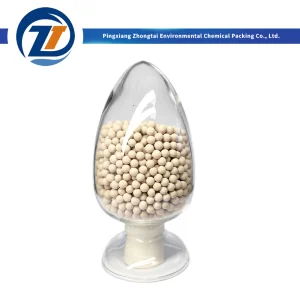
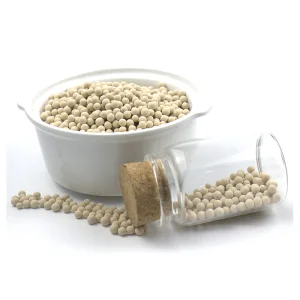
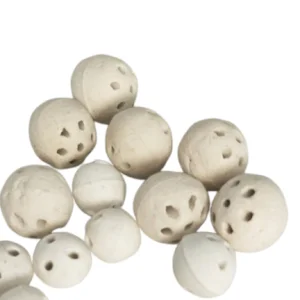
In modern hydrotreating, hydrocracking, and catalytic reforming units, inert ceramic media balls function as crucial top-bed support and distribution layers. They withstand severe operating pressures (up to 20 MPa) and elevated temperatures exceeding 1000°C while preventing catalyst bed plugging and fouling from trace particulates.
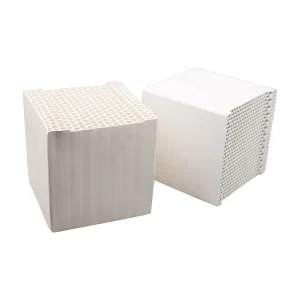
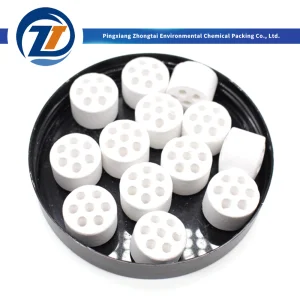
Regenerative Thermal Oxidizers (RTOs) utilize high-density ceramic honeycomb media and structured ceramic packing to recover up to 95%+ of thermal energy in Volatile Organic Compound (VOC) abatement plants, significantly reducing operational fuel consumption for chemical processing complexes.
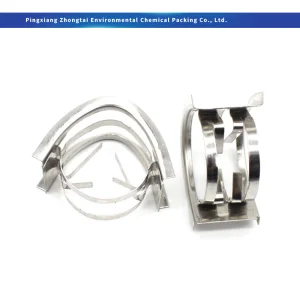
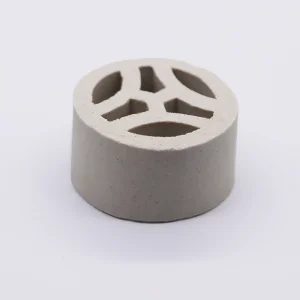
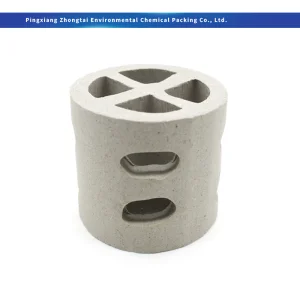
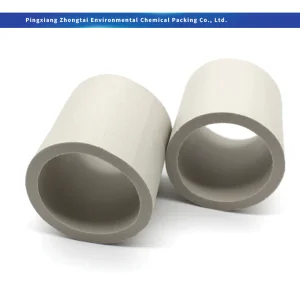
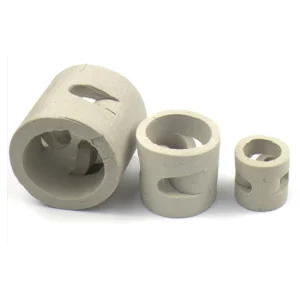
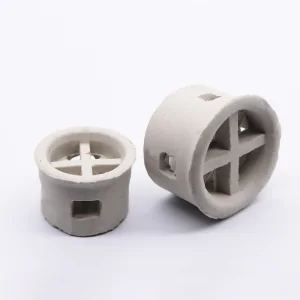
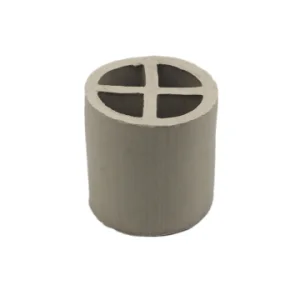
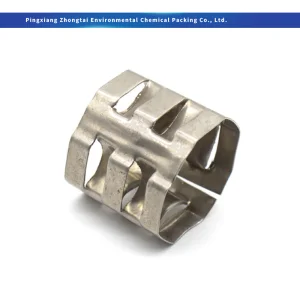
Chemical columns handling highly aggressive media—such as sulfuric acid concentration towers, chlorine drying scrubbers, and nitric acid absorption units—rely on ceramic random packings (Pall Rings, Saddles, Cross Partition Rings) for unmatched corrosion resistance and maximized gas-liquid contact efficiency.
Selecting the exact chemical formulation and physical morphology tailored to your reactor conditions, bed load dynamics, and chemical exposure.
| Media Grade | Alumina Content (Al₂O₃) | Crush Strength (N/ball, 10mm) | Thermal Shock Resistance | Primary Industrial Use Case |
|---|---|---|---|---|
| Standard Inert Ceramic | 17% – 23% | > 500 N | Moderate to High | General chemical tower packing, gas dryers, water treatment supports. |
| Medium Alumina Support | 23% – 30% | > 750 N | High | Standard hydrotreating, gas purification, ammonia synthesis reactors. |
| High Alumina Media | 90% – 92% | > 1,800 N | Very High | High-stress catalyst bed protection, wet/dry fine grinding in ball mills. |
| Ultra-High Purity Alumina | 99.5%+ | > 3,500 N | Extreme (Zero Silica Leaching) | Secondary reformers, steam methane reformers, high-temp ethylene plants. |
| Porous Catalyst Support | 25% – 50% (Porous) | Engineered Void Fraction | High | Distributes liquid/gas streams while capturing fine particulate contaminants. |
In severe steam reforming environments, low-grade ceramic balls release free silica (SiO₂), which migrates downstream to foul heat exchangers and poison sensitive noble metal catalysts. Utilizing 99%+ ultra-high-purity alumina ceramic balls eliminates silica migration completely, safeguarding multi-million dollar plant investments.
Proper sizing of inert support balls—graduated from 1/8" at the catalyst interface up to 2" at the support grid—ensures optimal pressure distribution. High mechanical crush strength prevents particle breakdown under heavy bed loading, preventing catastrophic pressure drop spikes.
Capitalizing on China's premier industrial ceramics cluster to deliver unmatched scale, raw material purity, and cost efficiency to global markets.
Direct access to high-grade kaolin, bauxite, and synthetic alumina deposits in Jiangxi Province minimizes raw material transport overheads and guarantees consistent chemical formulation batch after batch.
State-of-the-art computer-controlled tunnel kilns spanning over 100 meters operate continuously at precise sintering temperatures up to 1600°C, ensuring uniform density and flawless structural integrity.
Seamless multi-modal transportation corridors connect Pingxiang directly to Ningbo, Shanghai, and Shenzhen ports, enabling rapid containerized shipping with guaranteed lead times.
From petroleum refineries in the Middle East to municipal water filtration plants in North America, ceramic media drives operational excellence.
Scenario: High-pressure Hydrodesulfurization (HDS) beds.
Solution: Layered alumina ceramic balls (1/8", 1/4", 1/2") retain catalyst particles, absorb pressure fluctuations, and prevent channel formation, maintaining steady hydrotreating performance over multi-year cycles.
Scenario: Exhaust air cleaning via Regenerative Thermal Oxidation (RTO).
Solution: Honeycomb ceramics engineered from high-cordierite formulations deliver maximum surface area, minimal pressure drop, and exceptional resistance to cyclic thermal shock up to 1200°C.
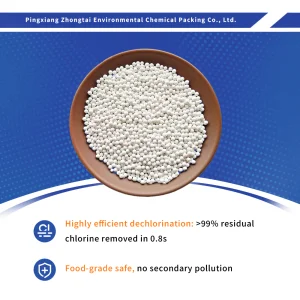
Scenario: High-flow water purification and food-grade dechlorination.
Solution: Calcium Sulfite ceramic media balls react instantaneously with dissolved free chlorine, removing excess chlorine down to non-detectable levels without leaching harmful chemical byproducts.
Pioneering advanced material formulations, smart bed diagnostics, and sustainable manufacturing practices for the next decade.
Integration of nano-porous catalytic coatings directly onto inert ceramic supports to initiate pre-reaction cracking of heavy hydrocarbons before entering primary catalyst beds.
Transitioning manufacturing operations from natural gas kilns to green hydrogen-fueled and electric arc sintering furnaces, reducing scope 1 carbon emissions by up to 80%.
Development of ceramic media containing embedded wireless Micro-Electro-Mechanical Sensors (MEMS) capable of transmitting real-time bed temperature and pressure profiles.
Implementing 100% closed-loop reclamation and re-sintering processes for spent ceramic support media, establishing sustainable industrial ecology for chemical processing complexes.
Adhering strictly to international testing benchmarks to guarantee complete reliability in mission-critical process units.
Full compliance with Chinese Chemical Industry Standards for inert ceramic balls, covering physical strength, acid resistance, and chemical composition.
Batch testing for crush strength (ASTM C773), chemical solubility (ASTM C279), and bulk density validation prior to factory dispatch.
Comprehensive Quality Management System governing raw material procurement, slurry processing, forming, drying, sintering, and final packaging.
Every shipment is accompanied by a Certificate of Analysis (CoA) detailing chemical composition, porosity, crush strength, and water absorption rates.
Expert guidance on selecting, sizing, and installing chemical ceramic media for optimal operational efficiency.
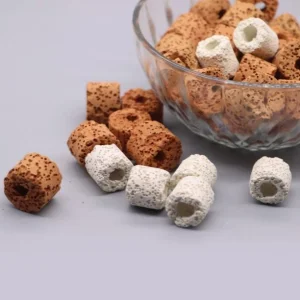
Precision-manufactured random packings, biological filter media, and molecular sieves for industrial gas-liquid contact applications.