Industrial Ceramics & Mass Transfer Engineering

China Ceramic Ball Price Supplier & Pricelist

An authoritative engineering technical guide & market intelligence whitepaper on Inert Alumina Support Media, High-Density Grinding Media, and Chemical Tower Packing options for global process operations.
Catalog Showcase · Batch 01

Featured Chemical Tower Packing & Media Products

Precision-engineered mass transfer random packing and ceramic supports manufactured in Pingxiang, Jiangxi to ISO 9001:2015 standards.
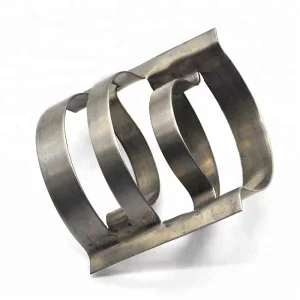
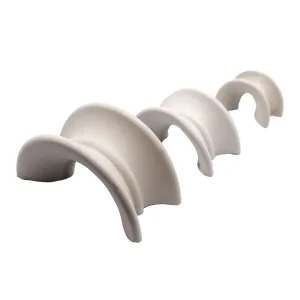
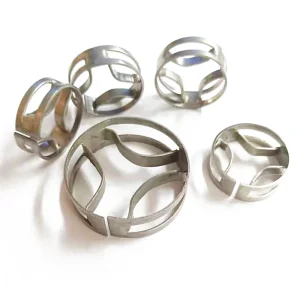
Wholesale Metal Conjugated Ring Tower Packing Manufacturers, Factory
View Details & Price
Wholesale Ceramic Intalox Saddle Ring Tower Packing Factory, Quotes
View Details & Price
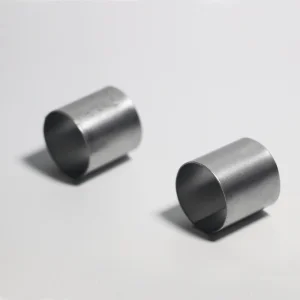
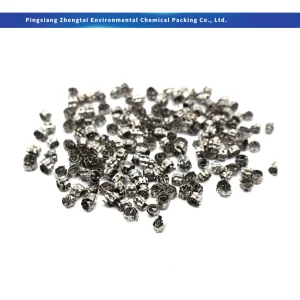
Wholesale Metal Raschig Ring Tower Packing Manufacturers, Pricelist
View Details & Price
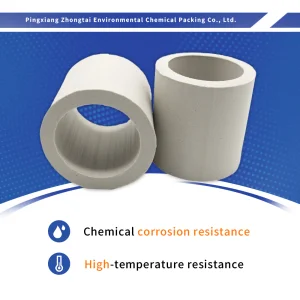
Wholesale Ceramic Raschig Ring
Wholesale Ceramic Raschig Ring – Random Tower Packing for Absorption & Distillation
View Details & Price
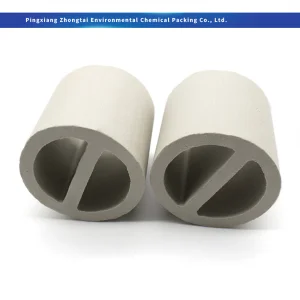
Wholesale Acid & Heat Resistant Ceramic Lessing Ring
Wholesale Acid & Heat Resistant Ceramic Lessing Ring / Partition Ring Tower Packing
View Details & Price
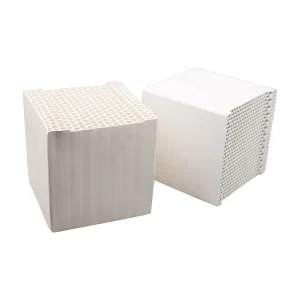
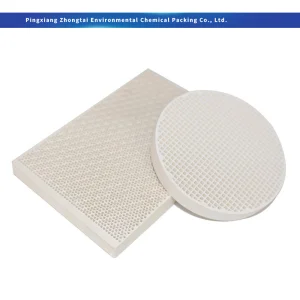
Wholesale RTO Heat Exchange Honeycomb Ceramic Manufacturer, Quotes
View Details & Price
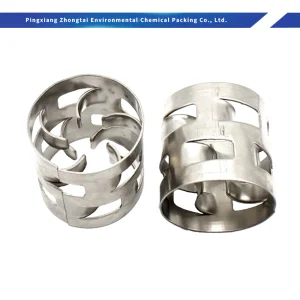
Wholesale SS304/316 Metal Pall Ring
Wholesale SS304/316 Metal Pall Ring | 16-76mm Tower Packing for Scrubbers
View Details & Price
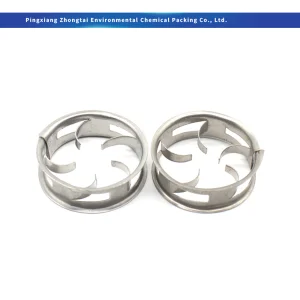
Wholesale Stainless Steel Metal Cascade Mini Ring
Wholesale Stainless Steel Metal Cascade Mini Ring (25mm 38mm 50mm High Flow)
View Details & Price
Market Intelligence & Procurement Insights

Global Ceramic Ball Price Structure & Commercial Landscape

Understanding the pricing variables, manufacturing cost centers, and quality metrics of industrial ceramic balls sourced from China’s chemical packing manufacturing hubs.

17% - 99%
Al₂O₃ Purity Spectrum
> 1650°C
Tunnel Kiln Sintering Temp
< 0.5%
Water Absorption Index
200,000 MT
Annual Cluster Capacity

The global demand for industrial ceramic media—comprising inert alumina catalyst bed support balls, high-density grinding media balls, and porous functional ceramics—is intrinsically tied to investments in downstream petrochemical refining, fertilizer synthesis, chemical manufacturing, and environmental emission abatement systems. Navigating the commercial pricing landscape of ceramic balls sourced from China requires a granular understanding of chemical compositions, thermal processing methodologies, and physical density thresholds.

Key Price Determinants in Chinese Ceramic Ball Manufacturing

When procurement managers request a China ceramic ball price list, the quotes fluctuate depending on several fundamental technical and economic factors:

Al₂O₃ Raw Material Grade

Alumina purity dictates base chemical costs. Standard 23-30% Al₂O₃ inert balls use refined kaolin clays. In contrast, 99% High Alumina media requires calcined alpha-alumina powder, significantly elevating raw material cost per metric ton.

Forming & Pressing Method

Roll-formed spheres (1mm to 25mm) carry lower labor overhead than large-diameter cold isostatic pressed (CIP) spheres (30mm to 75mm). CIP manufacturing ensures superior internal structural uniformity and void-free density, commanding a price premium.

Kiln Energy Index & Sintering

High-alumina ceramics must be vitrified at temperatures between 1550°C and 1680°C inside high-temperature natural gas tunnel kilns. Natural gas pricing indexing directly correlates with batch production overhead.

Engineering Selection Matrix

Inert Ceramic Ball Chemical & Physical Specifications

Engineers must match the operating reactor conditions (temperature, bed weight, acid/alkali exposures, thermal cycling) to the appropriate grade of industrial ceramic support media.

Property Parameter Standard Inert (17-23% Al₂O₃) Medium Alumina (23-30% Al₂O₃) High Alumina (92% Al₂O₃) Super High Alumina (≥99% Al₂O₃)
Al₂O₃ Content (%) 17% - 23% 23% - 30% ≥ 92% ≥ 99.5%
SiO₂ Content (%) 70% - 76% 63% - 70% ≤ 4.5% ≤ 0.15%
Fe₂O₃ Content (%) ≤ 1.0% ≤ 1.0% ≤ 0.2% ≤ 0.05%
Water Absorption (%) ≤ 3.0% ≤ 1.0% ≤ 0.02% ≤ 0.01%
Bulk Density (g/cm³) 1.35 - 1.45 1.40 - 1.55 2.00 - 2.20 2.25 - 2.40
Specific Gravity (g/cm³) 2.30 - 2.40 2.40 - 2.50 3.60 - 3.70 3.85 - 3.95
Mohs Hardness 6.5 - 7.0 7.0 - 7.5 8.5 - 9.0 > 9.0
Max Working Temp (°C) 1050°C 1200°C 1550°C 1750°C
Acid Resistance (%) ≥ 99.0% ≥ 99.2% ≥ 99.6% ≥ 99.8%
Alkali Resistance (%) ≥ 85.0% ≥ 90.0% ≥ 95.0% ≥ 98.5%

*Note: Hydrofluoric acid (HF) will attack silica-containing ceramic media. For high-temperature hydrofluoric environments or high-temperature steam applications where silica leaching poisons downstream catalysts, ≥99% Super High Alumina media is strictly mandatory.

Macro-Industrial Solutions

Application Scenarios for Ceramic Balls & Tower Packing

From deep bed catalyst protection in petroleum refineries to VOC destruction in chemical plant exhaust streams, Pingxiang Zhongtai’s ceramic media serves as critical infrastructure support.

Refinery Hydrotreating & Reforming

In hydrodesulfurization (HDS), hydrocracking, and catalytic reforming units, inert ceramic support balls act as catalyst bed top hold-downs and bottom support layers. They prevent catalyst migration, absorb thermal shocks, and ensure uniform fluid distribution across high-pressure fixed-bed reactors.

Sulfuric Acid Drying & Absorption

High-acid-resistant ceramic Intalox saddles and Lessing partition rings withstand severe chemical exposure in gas drying towers and inter-stage absorption columns. Their structural stability prevents tower packing degradation and bed collapse in concentrated H₂SO₄ operations.

Regenerative Thermal Oxidizers (RTO)

Honeycomb ceramics and high-heat-capacity ceramic structured packing retain and transfer thermal energy within VOC treatment installations. Exceptional thermal shock resistance permits continuous high-frequency reverse thermal cycling up to 1200°C.

Future Outlook & Engineering Innovation

Technology Roadmap: 2025–2035 Ceramic Media Trends

How clean energy transitions, automated manufacturing, and advanced ceramic formulations are reshaping global chemical media production.

Phase 1: Low-Carbon & Hydrogen-Fired Sintering (2025 - 2027)

In response to EU Carbon Border Adjustment Mechanism (CBAM) regulations and global decarbonization targets, Chinese industrial ceramic factories in Pingxiang are transitioning from traditional natural gas firing to electric microwave sintering and hydrogen-blend high-temperature kilns, drastically lowering the embodied carbon of ceramic packing media.

Phase 2: Micro-Engineered Porous & Catalytic Media (2027 - 2030)

The line between inert bed supports and active catalysts is blurring. Next-generation ceramic support balls integrate micro-porous surface coatings capable of pre-filtering trace heavy metals (vanadium, nickel) and trapping particulates before process fluids reach primary expensive precious-metal catalyst beds.

Phase 3: Automated Cold Isostatic Pressing (CIP) Standardisation (2030+)

Fully automated robotic pressing and high-speed optical vision sorting systems guarantee zero internal micro-cracks, tighter dimensional tolerances (±0.2mm), and uniform crush strengths exceeding standard industry requirements by 40%.

Catalog Showcase · Batch 02

Industrial Ceramic, Honeycomb & Molecular Sieve Solutions

Complete product offerings for high-wear milling media, heat recovery monoliths, lab distillation mesh, and PSA oxygen gas purification systems.
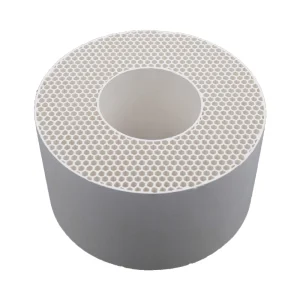
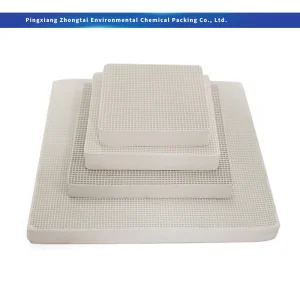
China Thermal Storage Rto/Rco Honeycomb Ceramic as Catalytic Converter
China Thermal Storage RTO/RCO Honeycomb Ceramic Catalytic Converter
View Details & Price
China High Surface Area Cordierite / Alumina Honeycomb Ceramic Plate
China High Surface Area Cordierite / Alumina Honeycomb Ceramic Substrate
View Details & Price
Wholesale 400 CPSI Cordierite Heater Plate
Wholesale 400 CPSI Cordierite Heater Plate | High-Temp Infrared Ceramic Heater
View Details & Price
China 304 316L Stainless Steel Metal Theta Ring
China 304 316L Stainless Steel Metal Theta Ring (Dixon Ring) Packing
View Details & Price
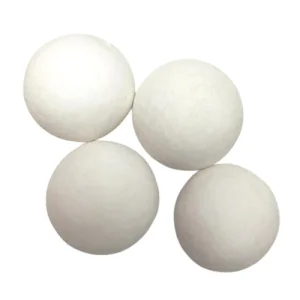
China High Wear Resistant Alumina Grinding Ceramic Ball Media
China High Wear Resistant Alumina Grinding Ceramic Ball Media for Ball Mill
View Details & Price
Wholesale Metal Flat Ring Tower Packing Factories, Quotes
View Details & Price
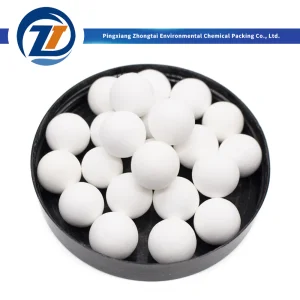
China 23%AL2O3 Inert Alumina Ceramic Ball
China 23% AL₂O₃ Inert Alumina Ceramic Ball Support Media Porcelain Balls
View Details & Price
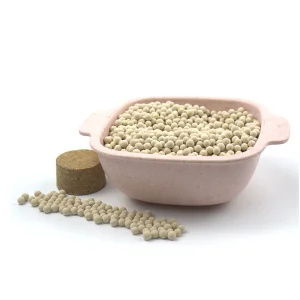
China PSA Oxygen Generator 13X Molecular Sieve Supplier, Quotes
View Details & Price
Quality Assurance Protocol

Testing Standards & Factory Inspection Framework

Procurement of industrial chemical ceramics requires strict compliance with international mechanical and chemical standard protocols to protect reactor beds from catastrophic breakdown.

Compulsory Laboratory Physical Testing

Every factory production batch of Pingxiang Zhongtai inert ceramic balls undergoes rigorous testing before release:

  • Crush Strength Testing (ASTM C510): Single ball crushing load measured in kN/particle across representative sample sizes.
  • Water Absorption & Porosity (ASTM C373): Vacuum soak testing verifying water absorption stays strictly below target spec (e.g., <0.5% for high alumina).
  • Thermal Shock Resistance: Samples heated to 815°C and instantly quenched in ice cold water for 10 consecutive cycles without cracking or spalling.

Chemical Verification & Leaching Tests

Chemical composition analysis ensures absolute compliance for sensitive catalytic processes:

  • X-Ray Fluorescence (XRF) Spectroscopy: Verifies exact Al₂O₃, SiO₂, Fe₂O₃, TiO₂, Na₂O percentages per heat batch.
  • Acid & Alkali Leaching Resistance (HG/T 3683.1-2014): Boiling in 40% H₂SO₄ and 10% NaOH solution for 48 hours to measure mass loss.
  • Free Silica Content Determination: Crucial for ammonia synthesis and hydro-processing where leachable silica poisons nickel/molybdenum catalysts.
Engineering Knowledge Base

Frequently Asked Questions (FAQ) & Pricelist Insights

Detailed technical responses to common questions raised by chemical plant operators, EPC contractors, and global procurement managers.

1. What is the average price range for China Inert Alumina Ceramic Balls per metric ton?
Prices vary significantly based on Al₂O₃ purity, sphere size, and quantity. Standard 17-23% Al₂O₃ inert support balls generally range from $350 to $550 USD per Metric Ton FOB China. Medium Alumina (23-30%) ranges from $500 to $750 USD/MT. High Alumina (92%) grinding/support media ranges from $1,100 to $1,500 USD/MT, while 99% Super High Alumina support balls range from $1,800 to $2,600 USD/MT. Contact Pingxiang Zhongtai for customized volumetric quotes or project-based discounts.
2. How do I calculate the metric tonnage required for a reactor catalyst bed?
To convert reactor bed volume (m³) to weight (MT), multiply the total bed volume by the bulk density of the selected ceramic ball grade: Weight (MT) = Volume (m³) × Bulk Density (g/cm³ or MT/m³). For instance, a 10 m³ bed section filled with 23% Al₂O₃ inert balls (bulk density ~1.4 MT/m³) requires approximately 14 Metric Tons of ceramic balls. Always add a 3–5% margin to account for bed settling during loading.
3. Why is silica leaching a major hazard in steam reforming, and how can it be avoided?
In high-temperature high-pressure steam atmospheres (e.g., secondary reformers, ammonia synthesis towers, hydrogen generation units), high-temperature steam reacts with silica (SiO₂) present in ceramic media to form volatile silicic acid [Si(OH)₄]. This vaporized silica travels downstream into cooler boiler tubes or fine catalyst beds, condensing and forming an insulating silica glass crust that poisons expensive downstream catalysts and plugs heat exchangers. To prevent silica leaching, plant operators must specify ≥99% Super High Alumina balls with SiO₂ < 0.15%.
4. What is the difference between cold isostatic pressing (CIP) and roll-forming for ceramic balls?
Roll-forming involves tumbling ceramic paste in rotating drums with water sprays to build up spherical layers, ideal for small sphere sizes (3mm–25mm). Cold Isostatic Pressing (CIP) applies equal hydraulic pressure from all directions on ceramic powder filled inside flexible rubber molds. CIP ensures uniform internal density, eliminates internal air pockets or structural voids, and provides vastly superior crush strength for large diameter balls (30mm–75mm) placed at the bottom of deep reactor vessels.
5. What size grading rule should be used when layering ceramic balls in catalyst beds?
The standard engineering rule of thumb is the 2:1 Size Ratio Rule. Each underlying support layer should consist of ceramic balls approximately twice the diameter of the layer directly above it (e.g., 50mm balls at the bottom grid, followed by 25mm, 13mm, 6mm, and finally 3mm balls holding the catalyst pellets). This stepped sizing prevents fine catalyst particles from migrating downward into the support grid while optimizing fluid distribution and minimizing overall pressure drop.
6. How does ceramic Intalox Saddle packing compare to metal Pall Rings in sulfuric acid scrubbers?
Ceramic Intalox Saddles provide complete chemical immunity to hot, concentrated sulfuric acid, oleum, and nitric acids that would rapidly corrode standard 304 or 316L stainless steel metal Pall Rings. While metal Pall Rings offer higher void fractions and lower pressure drop in non-corrosive distillation, acid-proof ceramic saddles remain the global industry standard for acid drying, absorbing, and stripping towers due to their chemical longevity and structural stability.
7. What standard export packaging options are available for industrial ceramic media?
Pingxiang Zhongtai provides heavy-duty export packaging designed to endure ocean transport and site handling:
  • 25 kg Plastic Woven Bags / Multi-wall Paper Bags: Standard economical option for manual loading.
  • 1,000 kg Jumbo Super Sacks (Flexible Intermediate Bulk Containers): Fitted with top fill/bottom discharge spouts for crane handling.
  • Steel Drums or Plastic Drums (200L): Mounted on fumigated wooden or plastic pallets for weather-tight storage.
8. Why is Pingxiang, Jiangxi recognized as China's premier hub for chemical packing?
Pingxiang City possesses over 80 years of specialized industrial ceramic manufacturing heritage. The region sits directly adjacent to high-purity kaolin clay reserves and natural gas distribution networks. This geographical clustering brings together specialized ceramic engineers, testing laboratories, specialized equipment manufacturers, and streamlined logistics networks within a single industrial district, allowing manufacturers like Zhongtai to provide factory-direct prices with strict quality assurance.
9. Can Pingxiang Zhongtai provide third-party inspection certificates prior to shipment?
Yes. We routinely work with international third-party inspection agencies including SGS, TÜV Rheinland, Bureau Veritas (BV), and Intertek. Independent inspectors can audit our factory in Pingxiang, perform random sampling, oversee crush strength tests, verify chemical analysis via XRF, and supervise container loading before vessel dispatch.
10. How do I request an official quotation or engineering catalog?
You can request pricing and technical datasheets by emailing our direct sales engineering desk at [email protected] or calling +86 182 7099 7020. Please specify your required Al₂O₃ content, sphere diameters, total quantity (MT or m³), delivery destination port, and any process-specific constraints (e.g., max pressure drop, temperature, acid environment).