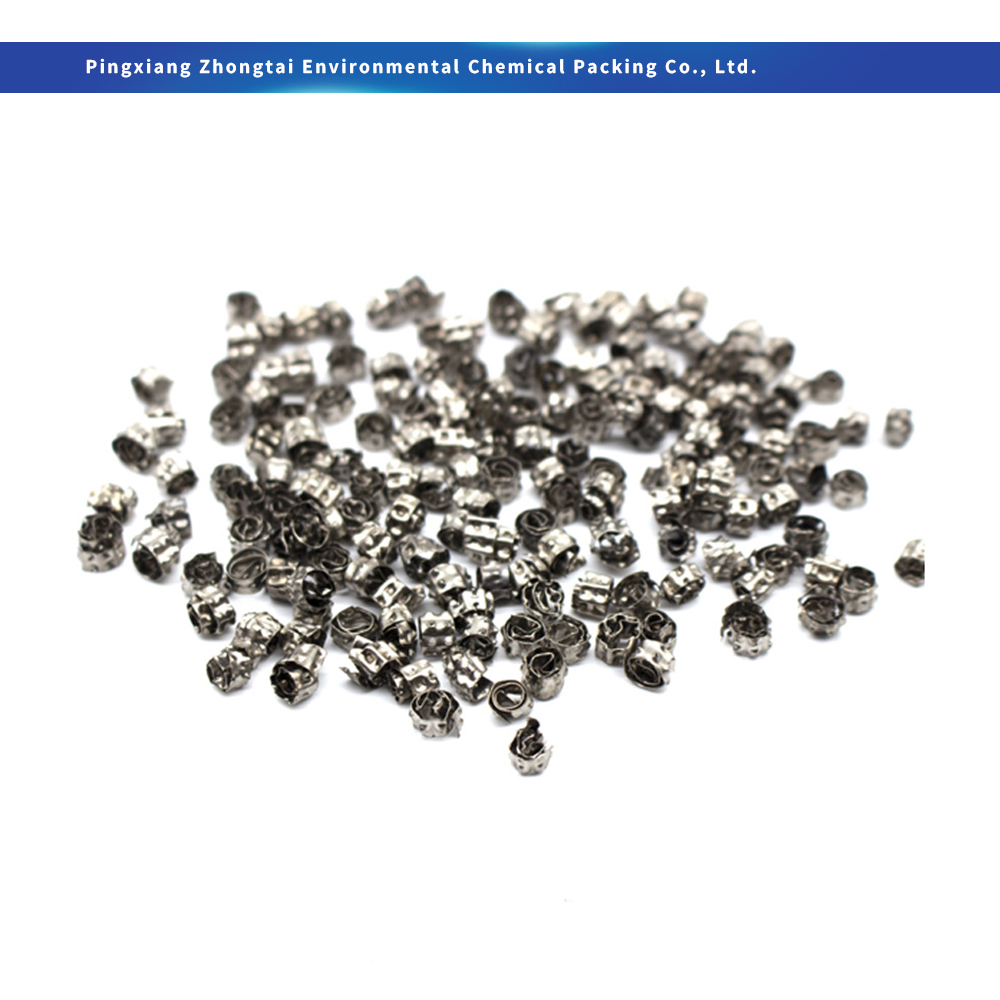
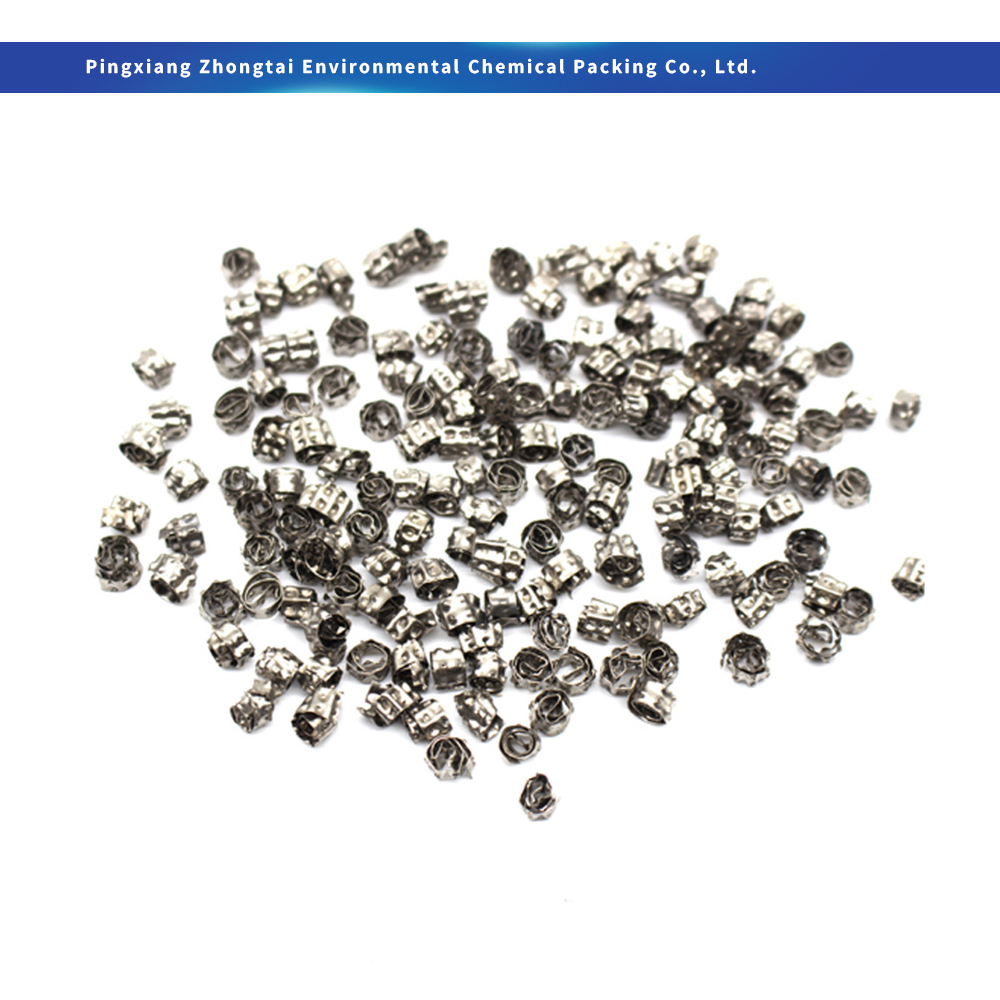
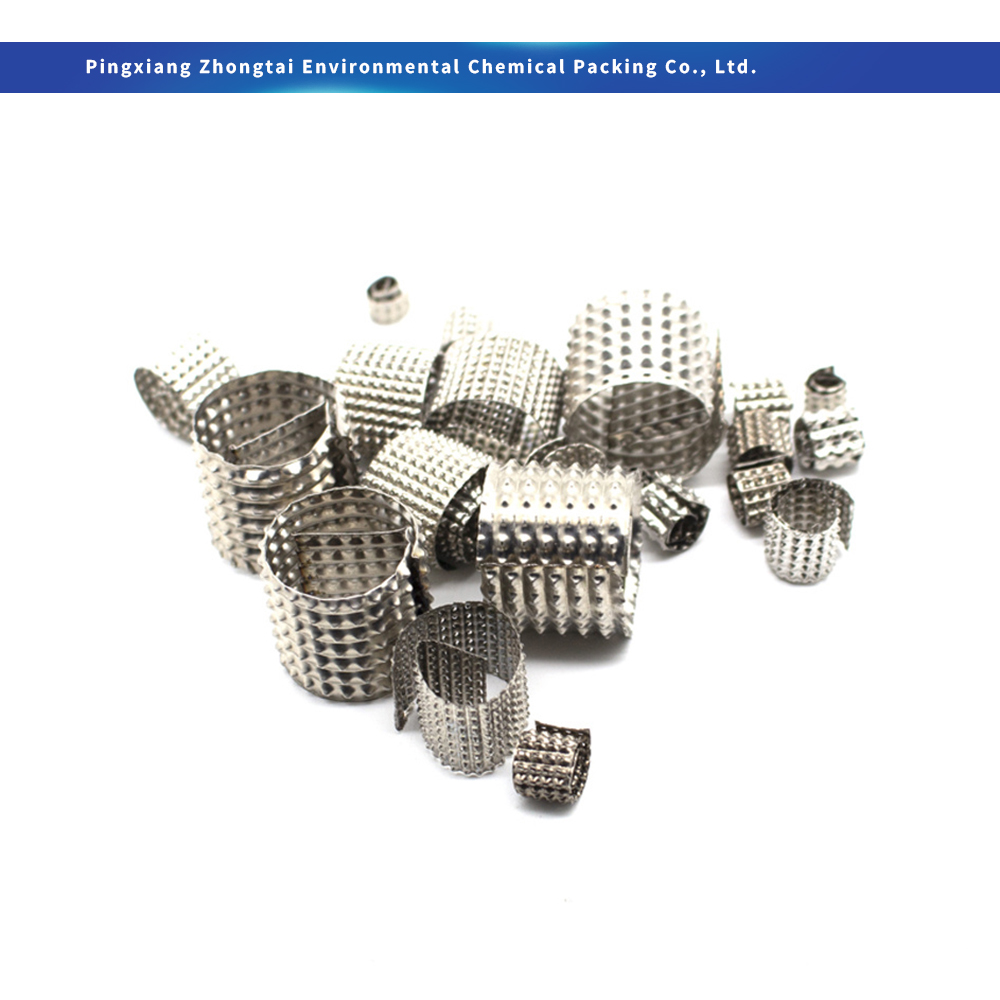
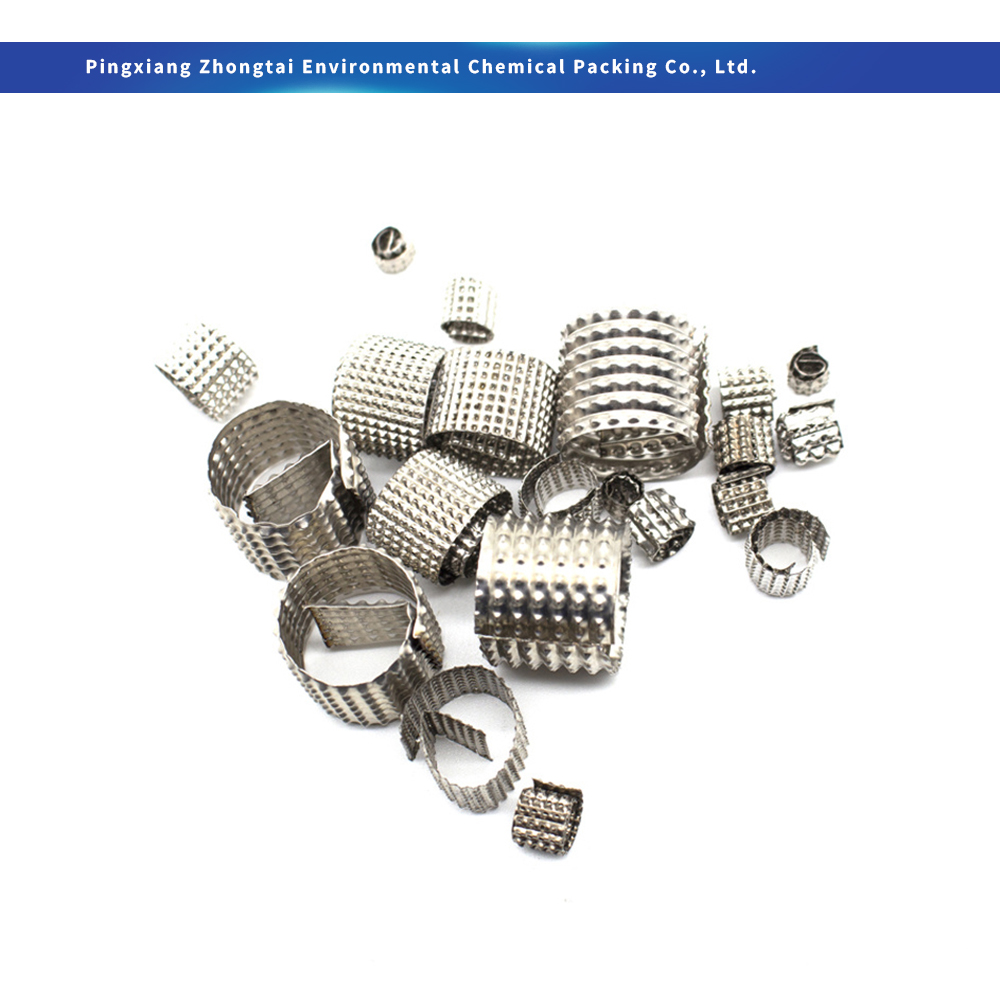
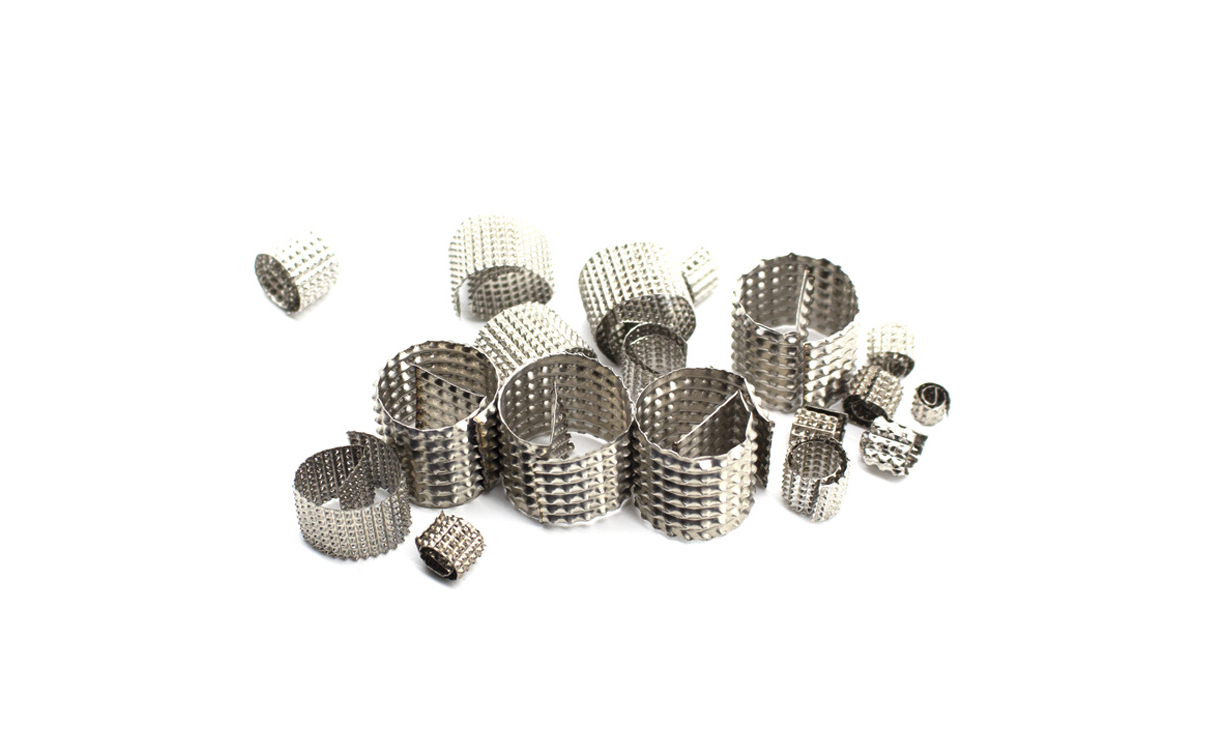
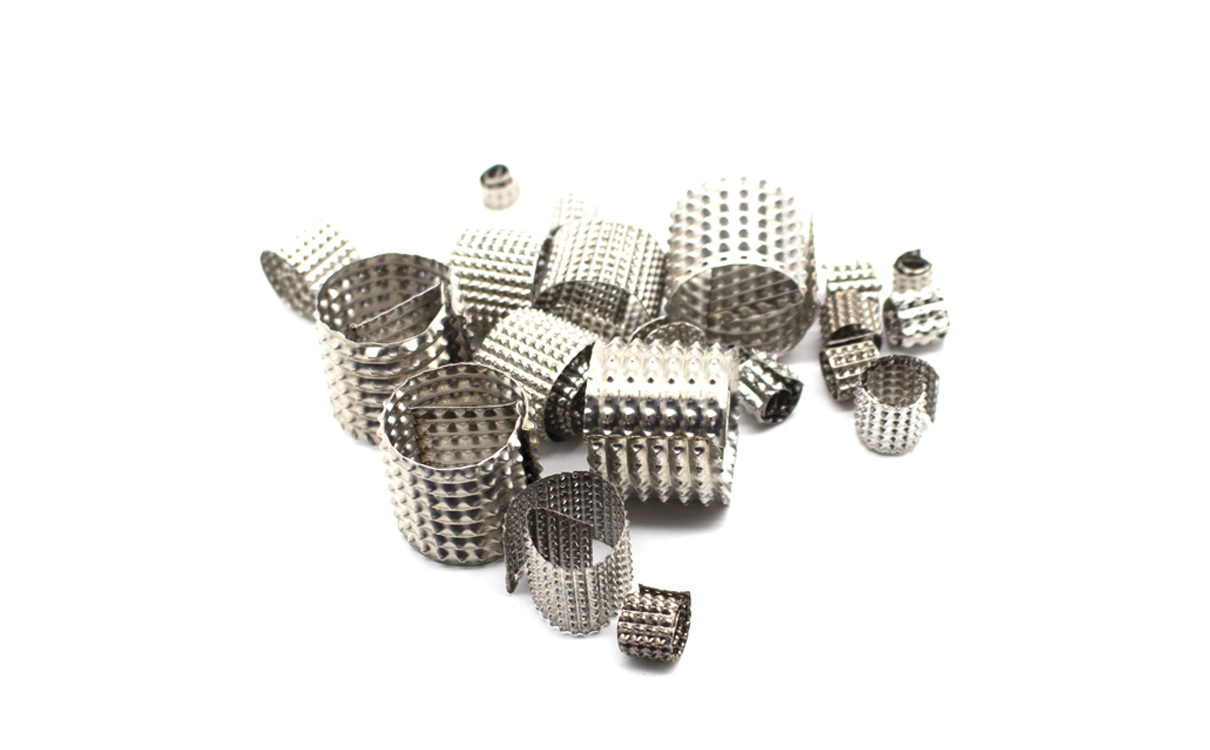
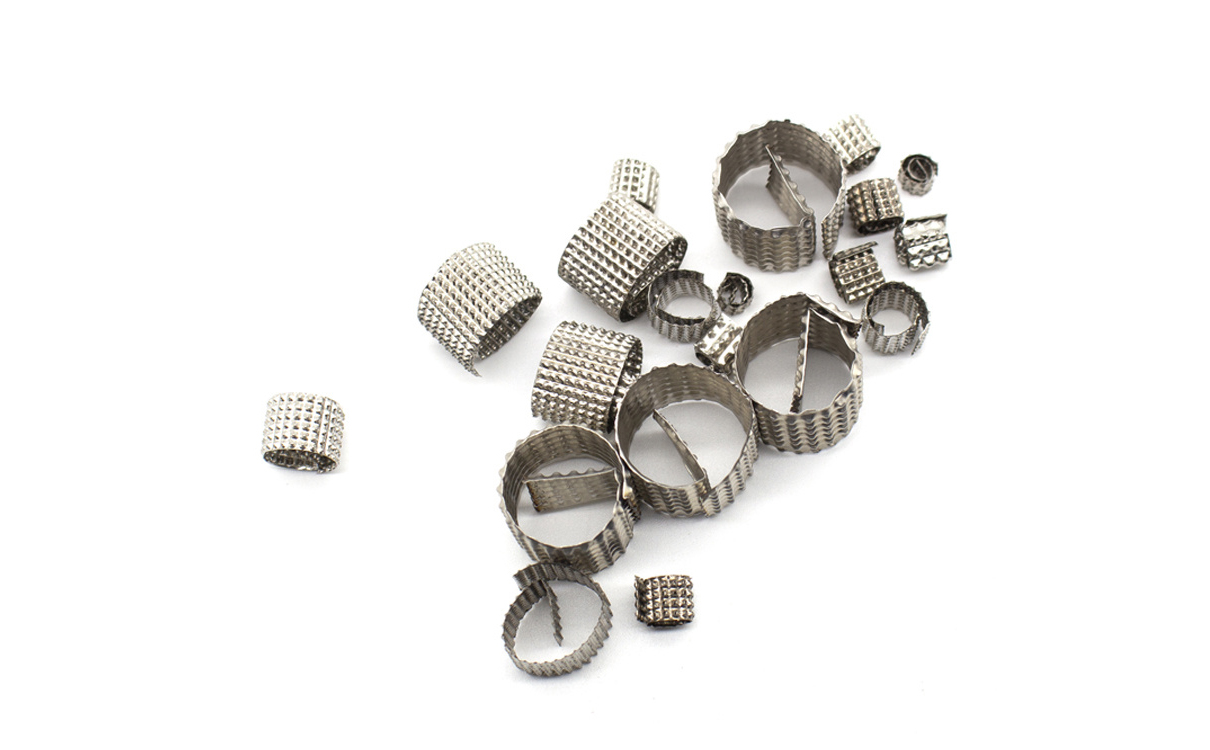
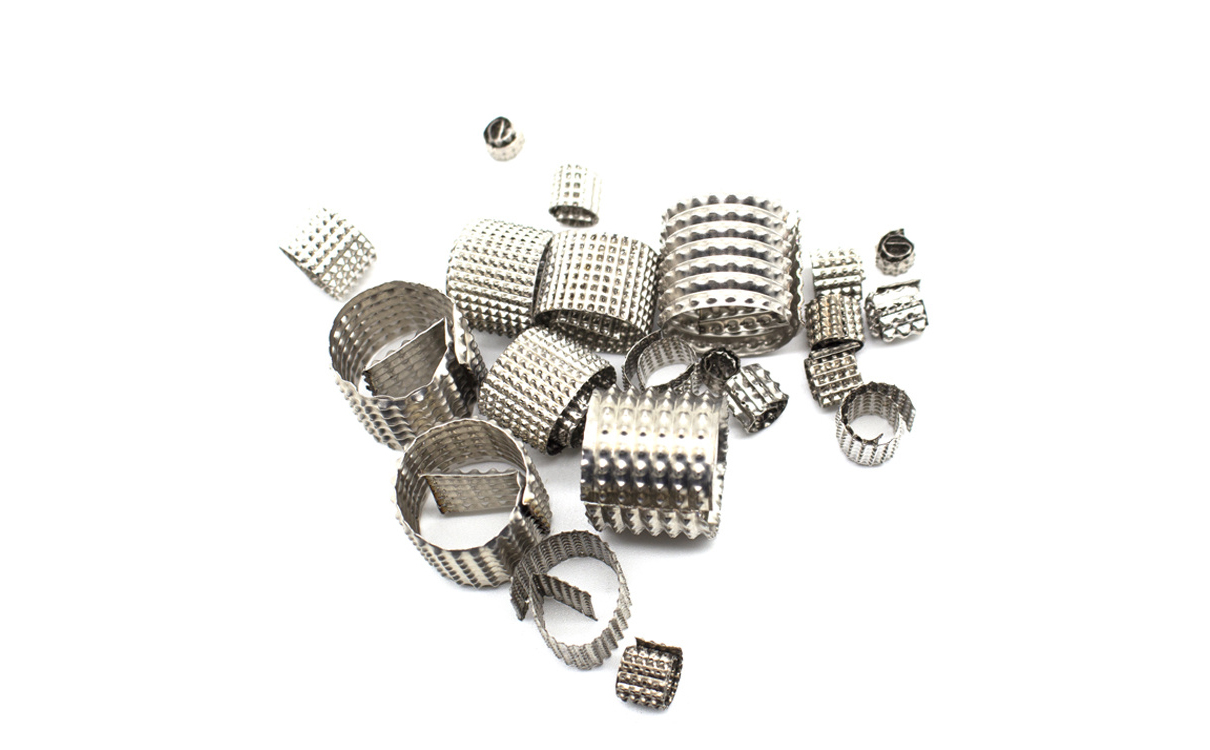
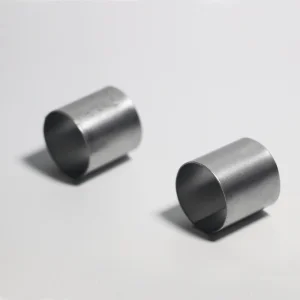
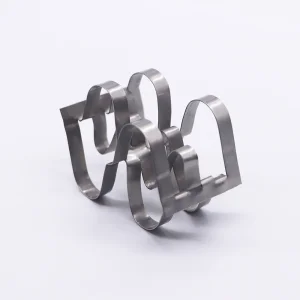
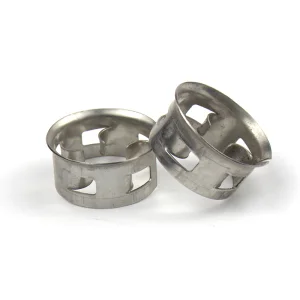
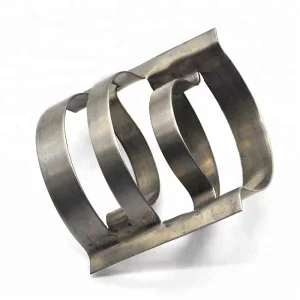
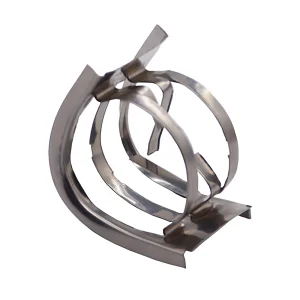
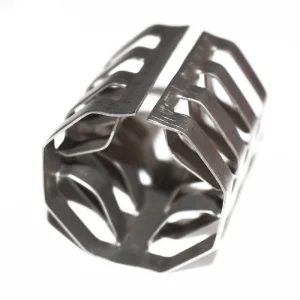
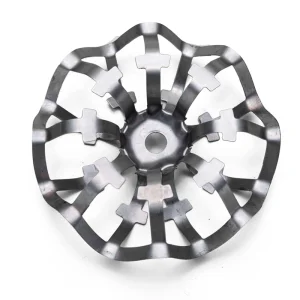
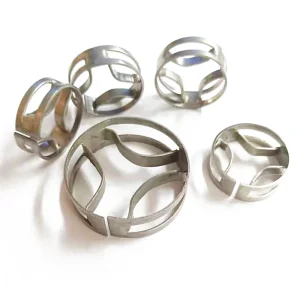
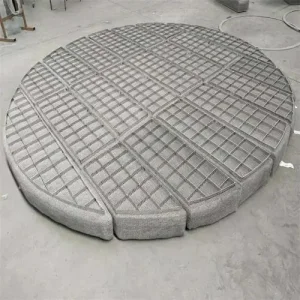
Metal Theta Ring, also widely called Dixon Ring or θ Ring Packing, is a high-performance laboratory random packing originally developed by British scientist O.G.Dixon in 1949. Manufactured from fine wire mesh with precisely controlled pore sizes, it is engineered for maximum separation efficiency in small-diameter distillation columns and high-purity product refinement processes.
Product Highlights
Superior Capillary Action
The fine wire mesh creates a powerful capillary effect, drawing liquid uniformly across the entire packing surface to form a highly stable, thin film. This significantly enhances gas-liquid mass transfer and heat exchange efficiency.
Exceptional Theoretical Plate Count
High separation efficiency that delivers 50-60 theoretical plates per meter for 2mm rings and 15-20 plates per meter for 5mm rings under normal operating conditions, making it ideal for precision distillation.
High Liquid Holdup & Wettability
The irregular mesh surface holds more liquid than solid packings of the same size, and surface wetting is significantly better than ceramic rings, resulting in higher film formation rates and efficiency.
Low Pressure Drop
Designed with an open structure and high void fraction (91-97%), the packing minimizes resistance to gas flow, ensuring smooth operation and reduced energy costs.
Corrosion & Heat Resistance
Made from 304, 316L, or other stainless steel alloys, it withstands aggressive chemicals and high temperatures for long-term reliable service.
Versatile Material Options
Available in stainless steel, brass, phosphor bronze, titanium, and dual-phase steel to meet different application requirements.
Technical Specifications
Size D×H (mm)
Mesh
Suitable Column ID (mm)
Theoretical Plates (per m)
Surface Area (m²/m³)
Void Fraction (%)
Bulk Density (kg/m³)
Pressure Drop (mbar/m)
φ2×2
100
φ10-20
60-65
3700
91
670-820
30
φ3×3
100
φ20-50
40-55
2275-2830
93
520
15
φ4×4
65-100
φ40-70
30-40
1525-1700
95
380-480
10
φ5×5
60-100
φ50-100
15-30
1029-1180
95
295-410
10
φ6×6
80
φ60-150
12-20
910-1127
95
280-360
8
φ8×8
80
φ70-250
10-14
540-987
95-97
235-240
8
φ10×10
60
φ100-1200
7-8
550
95
-
8
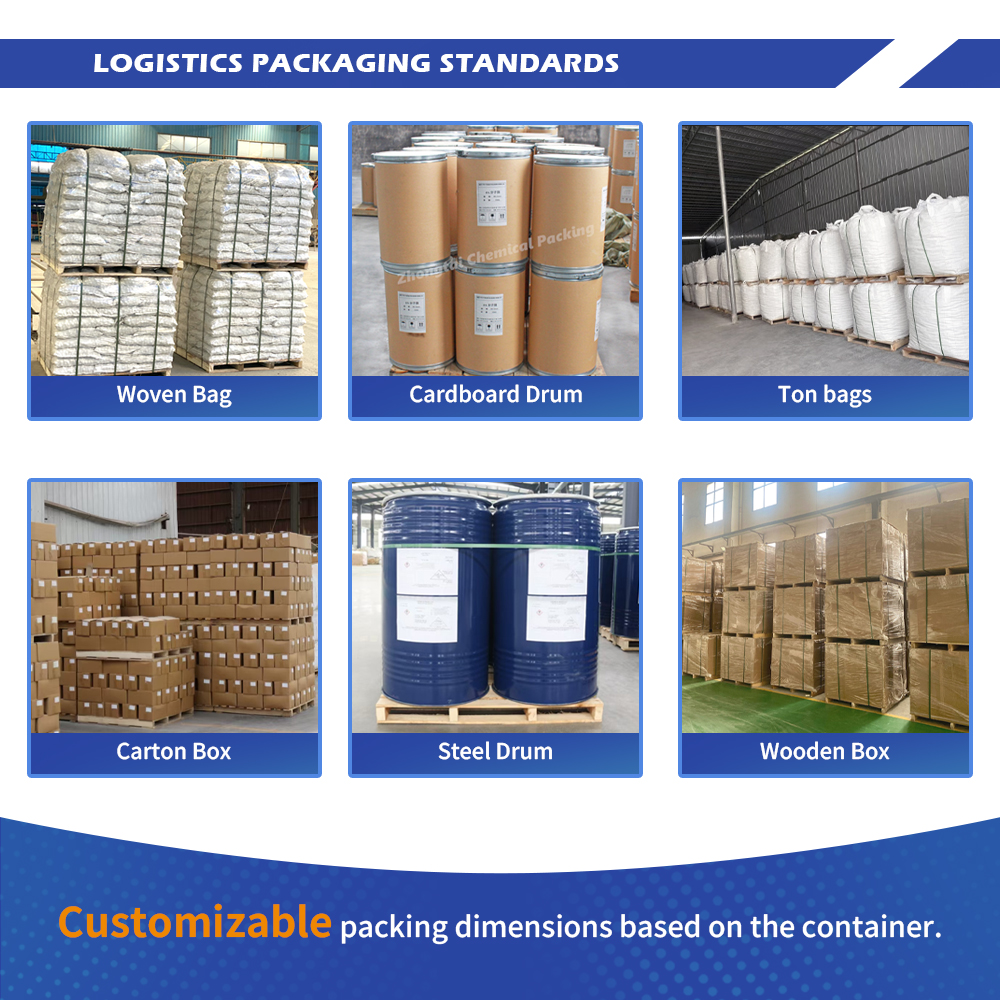
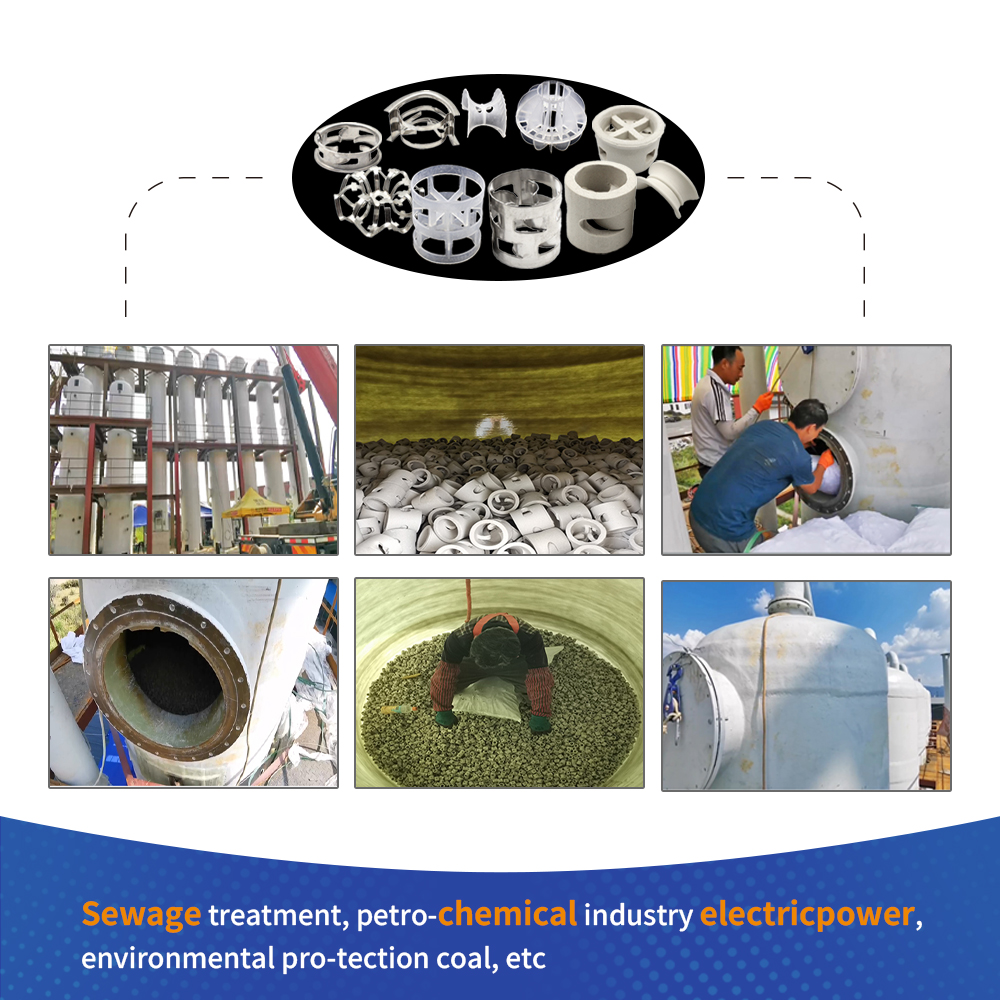
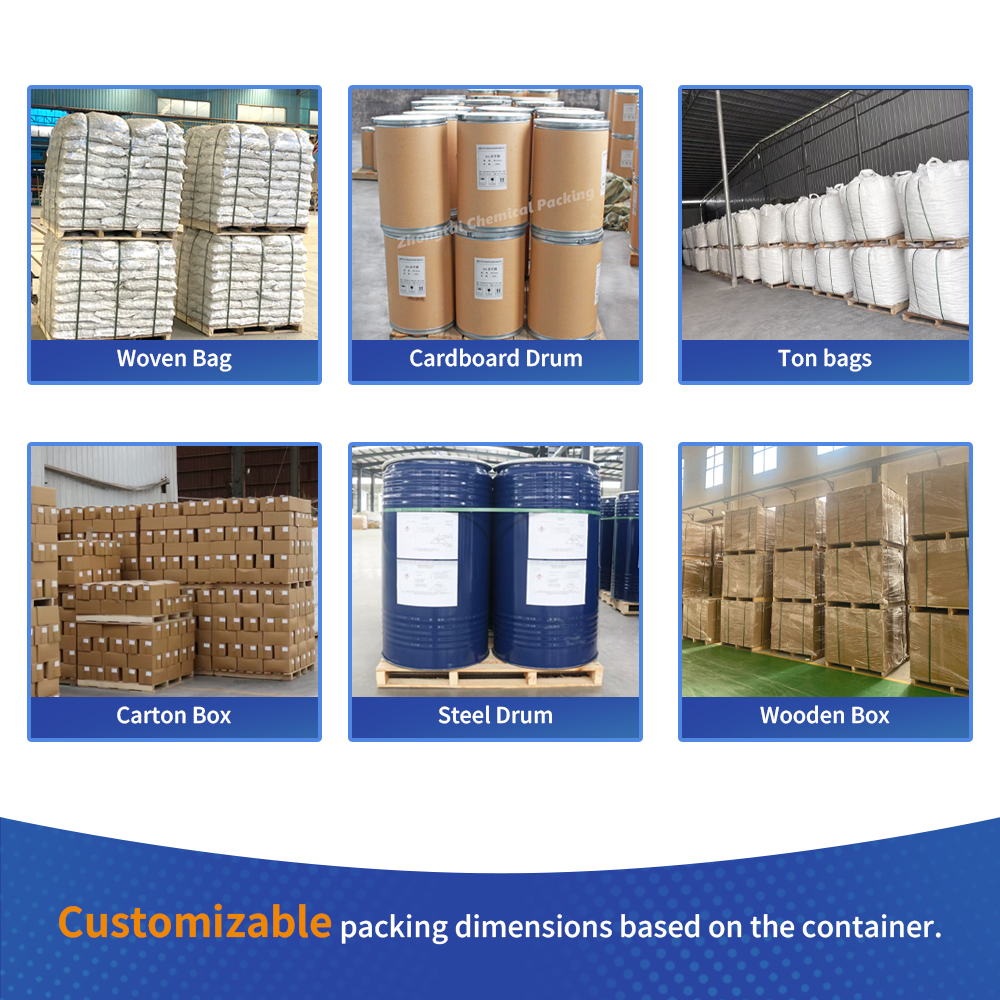
Application Scenarios & Packaging
Frequently Asked Questions (FAQ)
Q:What is the primary operational difference between Dixon Rings and solid random packings?
Unlike solid packings, Dixon Rings are manufactured from fine wire mesh. The mesh structure utilizes capillary action to spontaneously wet the entire surface, providing superior gas-liquid mass transfer area and much higher theoretical plates per meter.
Q:How do I choose the correct Dixon Ring size for my column?
The size of the packing is typically determined by the inside diameter (ID) of the column. As a general standard, the ratio of column diameter to packing size should range between 5:1 and 10:1 to minimize wall channeling effects and maintain optimal separation efficiency.
Q:Do Metal Theta Rings need pre-wetting or flooding before distillation?
Yes, to achieve maximum separation efficiency, it is strongly recommended to flood the column initially. Pre-flooding activates the capillary action of the wire mesh, guaranteeing total surface wettability throughout the process.
Q:What alloy materials are available for corrosive environments?
Metal Theta Rings can be customized in a variety of corrosion-resistant alloys, including standard Stainless Steel 304 and 316L, as well as Phosphor Bronze, Brass, Titanium, and Duplex Stainless Steel.
Q:Can Dixon Ring packing be cleaned and reused?
Yes. Because they are constructed from high-quality metallic mesh, they can be cleaned using suitable solvent washing or ultrasonic cleaning methods to clear residues, making them reusable across multiple distillation cycles.