1 / 5



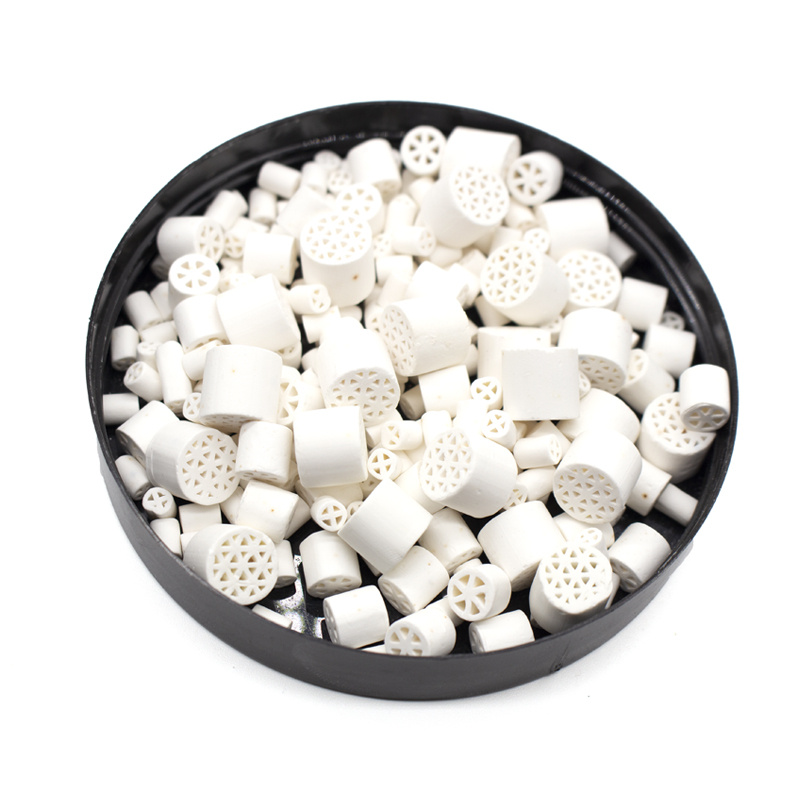
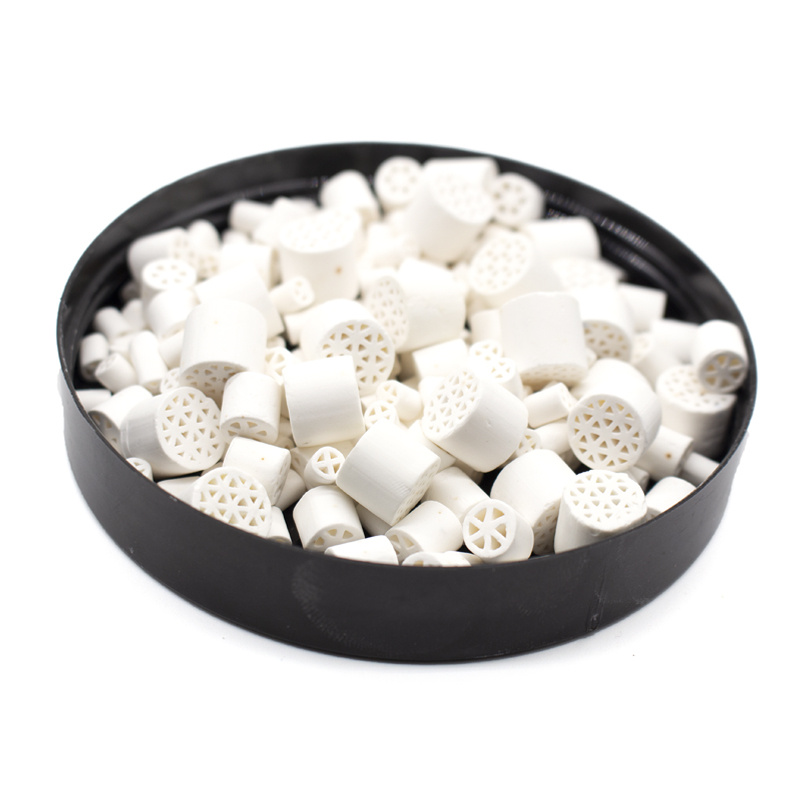
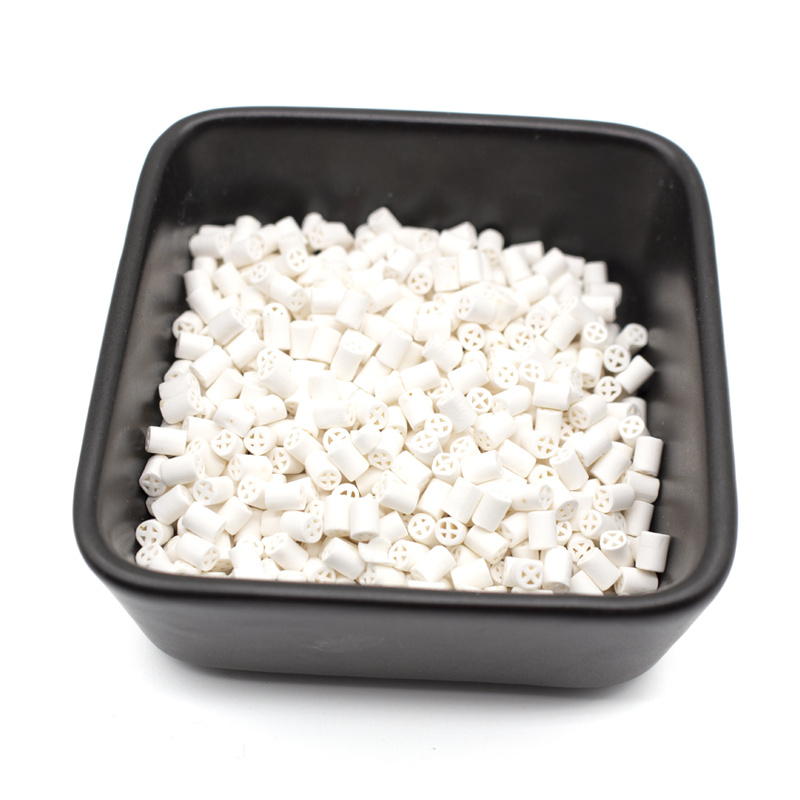
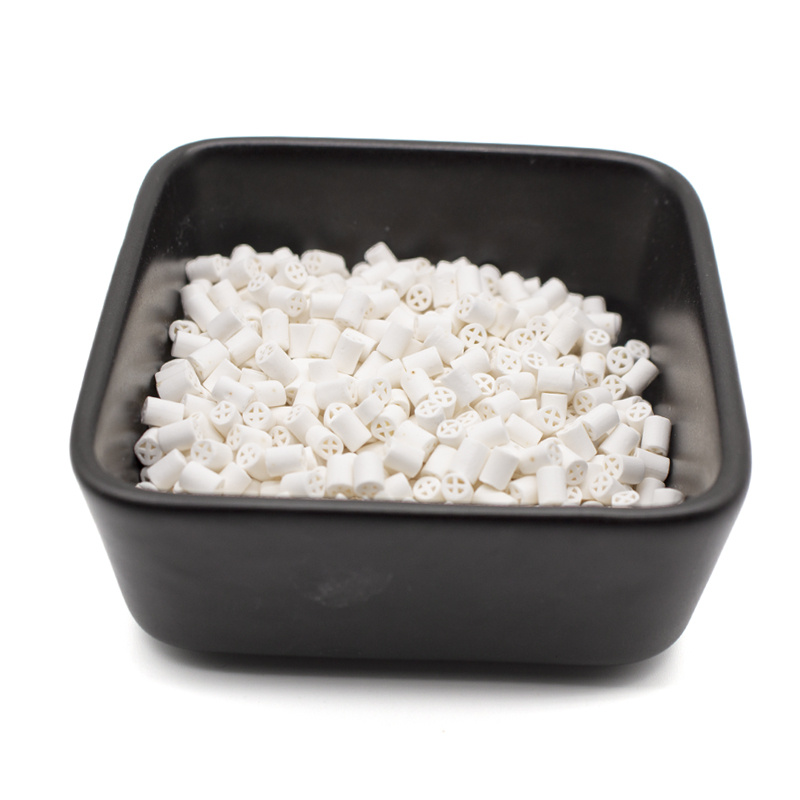
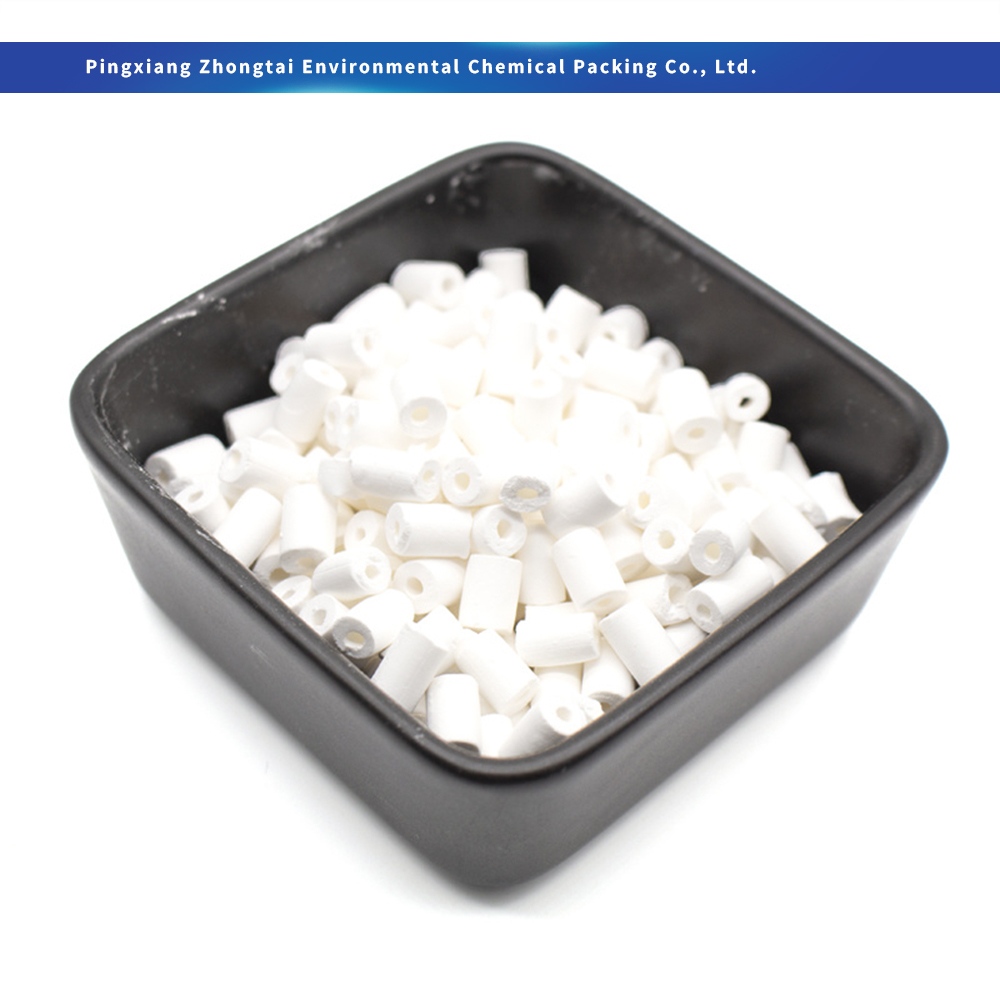
Manufactured from high-purity alumina ceramic, delivering exceptional corrosion resistance, thermal stability up to 1400°C, and inertness that prevents any chemical interaction with the catalyst.
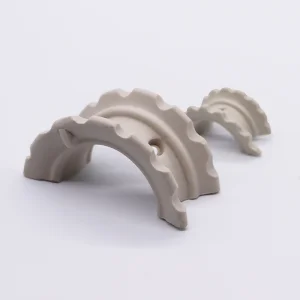
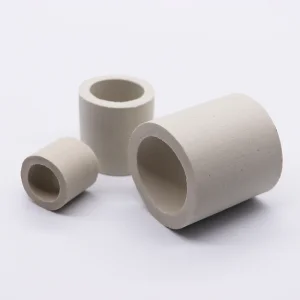
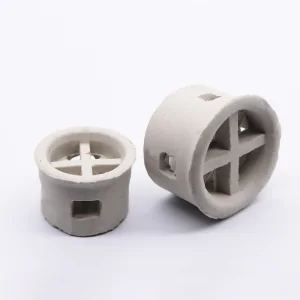
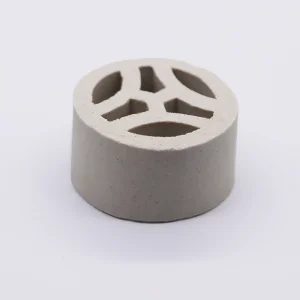
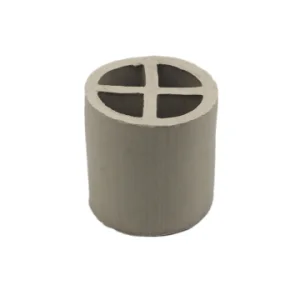
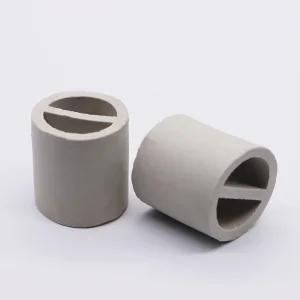
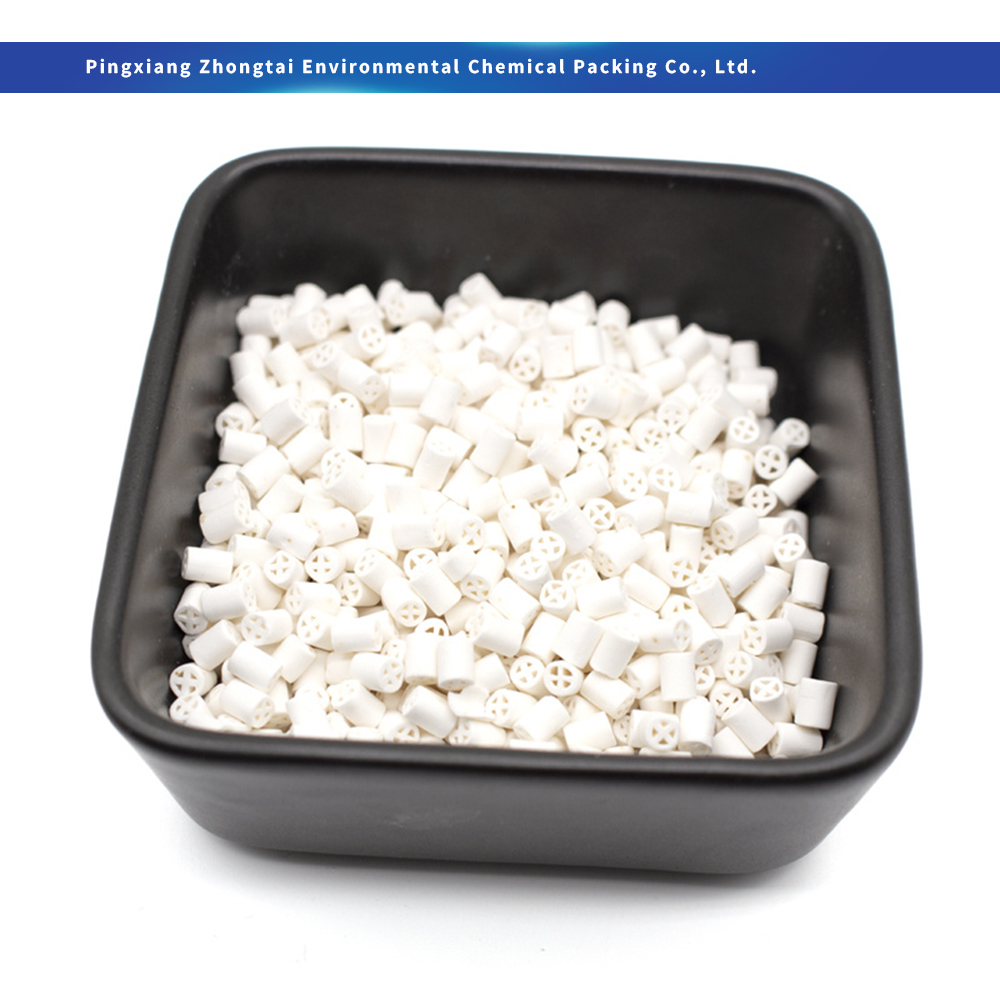
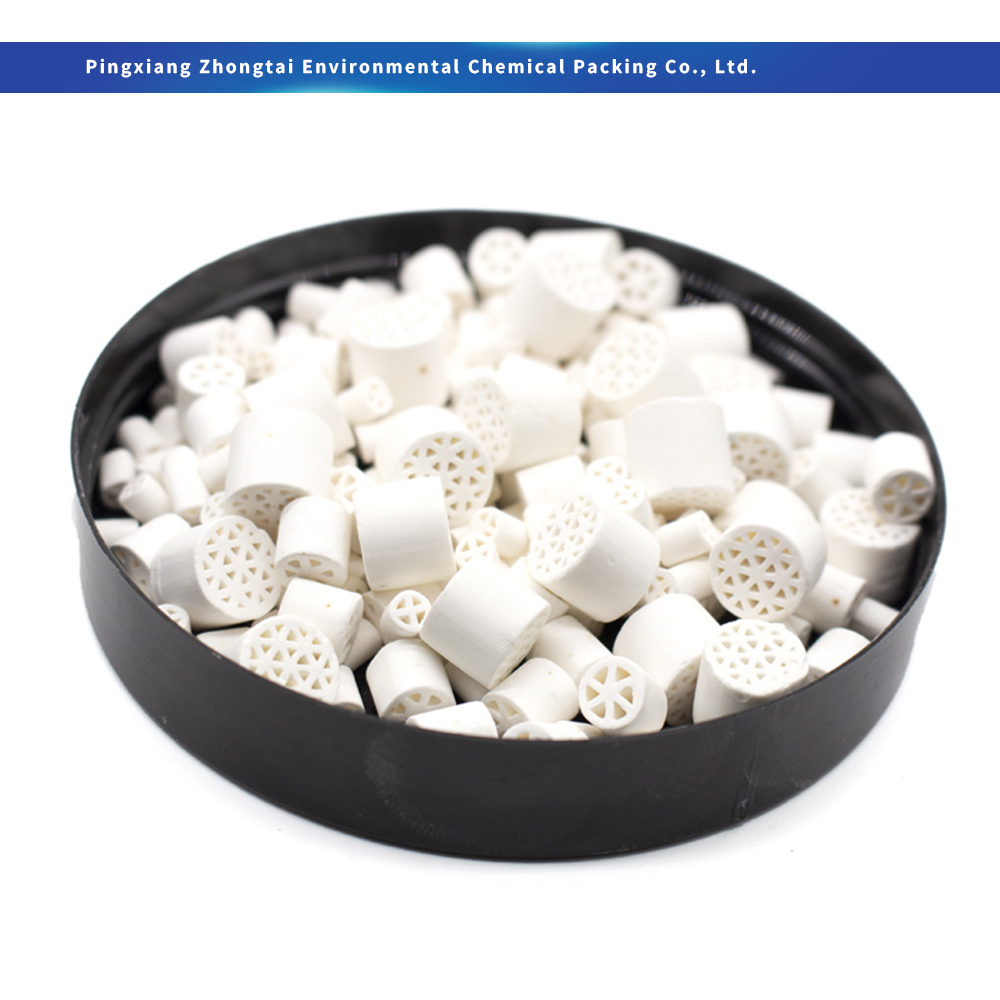
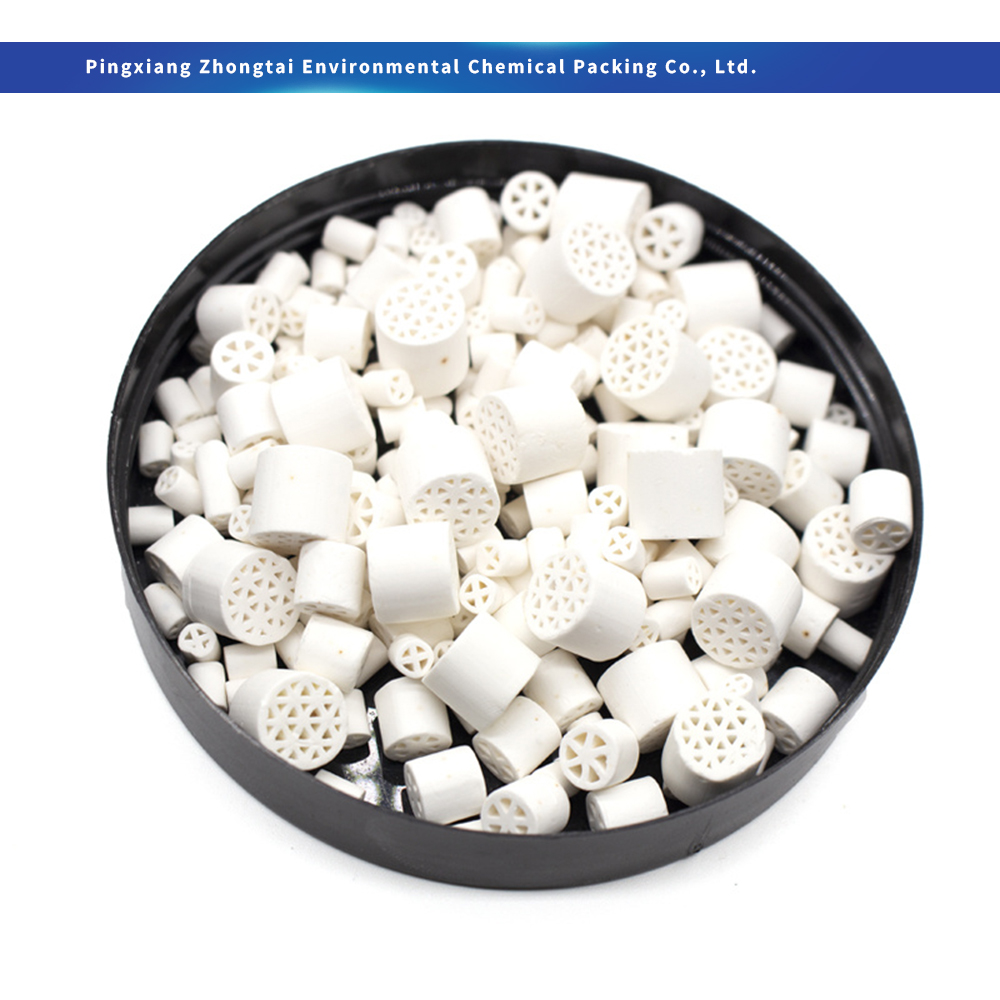
Features internal reinforcing ribs forming a nest-like honeycomb, providing high axial and radial crush strength while maintaining an exceptionally high void fraction above 64%.
The cross-sectional open area is 1.5–2.5 times larger than conventional ceramic balls, significantly reducing fluid resistance and energy consumption in the reactor bed.
Acts as a physical barrier that traps fine particles, welding slag, and other impurities, effectively protecting the precious catalyst bed downstream from fouling and plugging.
The intricate mesh structure cuts and redistributes gas and liquid phases uniformly, ensuring optimal contact with the catalyst and preventing channeling or hot spots.
Widely specified as a top-bed grading support and bottom support layer in hydrotreating, hydrocracking, and reforming units, replacing multiple layers of inert balls with a single highly efficient layer.
| Size (mm) | Internal Structure | Bulk Density (g/cm³) | Void Ratio (%) | Axial Crush Strength (KN/pc) | Specific Surface Area (m²/m³) |
|---|---|---|---|---|---|
| φ3 | 4-Strand Cross | 1.3–1.5 | 64 | >0.8 | 2200 |
| φ6 | Asterisk Rib | 1.3–1.5 | 66 | >1.6 | 1750 |
| φ13 | 300 Mesh Hole | 1.1–1.3 | 72 | >3.0 | 1700 |
| φ25 | 300 Mesh Hole | 0.8–1.0 | 73 | >5.0 | 1550 |
| φ45 | 300 Mesh Hole | 0.7–0.9 | 75 | >10.0 | 1480 |