
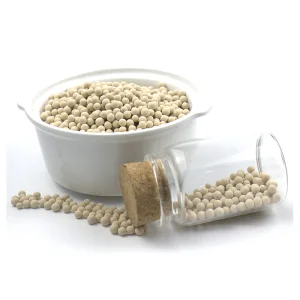
Hamburg Port Grade Zeolite 3A Molecular Sieve Systems
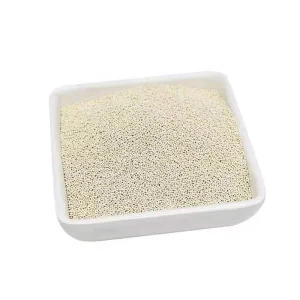
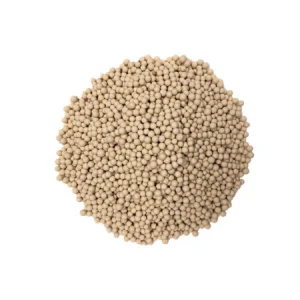
China High Quality Adsorbent Zeolite 3A Molecular Sieve Factories, Pricelist
Calibrated micropore architectures for targeted molecular exclusion and deep dehydration down to <0.1 ppmv water content.
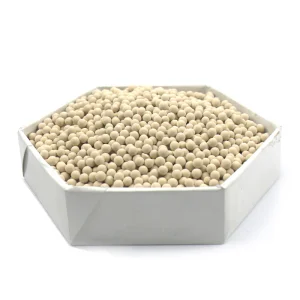
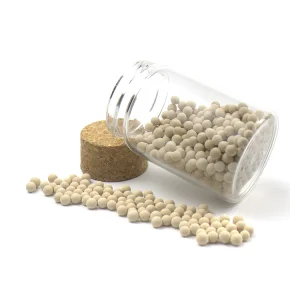
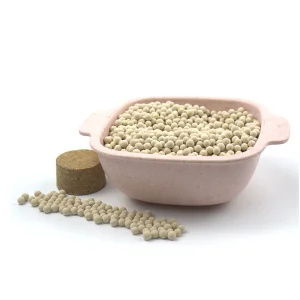
Analyzing critical mass-transfer and thermodynamic separation operations across the Elbe industrial corridor, from Moorburg to Brunsbüttel.
The Port of Hamburg handles multi-million-ton streams of base chemicals, light hydrocarbons, and technical lubricants. Zeolite 3A desiccant beds are non-negotiable for cracked gas drying and ethanol dewatering, suppressing co-adsorption of unsaturated hydrocarbons like ethylene and propylene to prevent internal coking.
As Northern Germany transitions thermal infrastructure toward green hydrogen, Pressure Swing Adsorption (PSA) units rely on synthetic zeolites (5A and 13X) to achieve ISO 14687 Grade D fuel cell purity, scrubbing residual trace methane, nitrogen, and carbon oxides from electrolyzer balance-of-plant streams.
Air Separation Units (ASUs) providing high-purity medical oxygen, nitrogen blanket gases for containerships, and specialty argon require 13X-APG media to simultaneously extract moisture and carbon dioxide down to parts-per-billion levels, preventing cryogenic freeze-ups in cold-box heat exchangers.
Precision-synthesized Type A and Type X aluminosilicates, characterized by uniform micro-cavity apertures, robust bulk crush resistance, and optimized mass transfer kinetics.
| Adsorbent Grade | Pore Diameter | Cationic Form | Bulk Density | Static Water Adsorption | Mechanical Crush Strength |
|---|---|---|---|---|---|
| Type 3A (Low Attrition) | ~3 Ångström | Potassium (K⁺) | 0.68–0.74 g/mL | ≥ 21.0 wt% (25°C, RH 60%) | ≥ 35 N (1.6–2.5 mm sphere) |
| Type 4A (Standard Gas) | ~4 Ångström | Sodium (Na⁺) | 0.66–0.72 g/mL | ≥ 21.5 wt% (25°C, RH 60%) | ≥ 30 N (1.6–2.5 mm sphere) |
| Type 5A (PSA Selectivity) | ~5 Ångström | Calcium (Ca²⁺) | 0.68–0.73 g/mL | ≥ 21.5 wt% (25°C, RH 60%) | ≥ 45 N (1.6–2.5 mm sphere) |
| Type 13X-APG (Cryogenic) | ~10 Ångström | Sodium (Na⁺) Faujasite | 0.62–0.68 g/mL | ≥ 26.5 wt% (25°C, RH 60%) | ≥ 25 N (1.6–2.5 mm sphere) |
Decoupling procurement risk through vertically integrated synthesis, automated hydrothermal aging, and direct maritime logistics routes.
Operating out of Pingxiang's chemical packing industrial cluster since 2003, our continuous hydrothermal crystallization lines utilize computerized sodium silicate and aluminate dosing, eliminating crystalline defect anomalies and guaranteeing reliable attrition rates under intense column cycling.
Exporting to Germany requires dependable transit matrices. We support direct multi-modal maritime container freight originating from Ningbo/Shanghai into Hamburg Port terminals (CTA/CTB), alongside China-Europe Railway Express links for accelerated turnaround deliveries during refinery turnarounds.
All shipments are fully compliant with EU Regulation (EC) No 1907/2006 (REACH). Factory lots include comprehensive Batch Test Certificates, bulk density tracking, equilibrium moisture sorption curves, and fumigation-certified packing configurations (airtight steel drums or nitrogen-blanketed FIBC bags).
Key criteria evaluated by European plant managers and mass-transfer specialists during media selection.
Standard, high-performance adsorbents and chemical tower mass-transfer elements available for direct procurement.
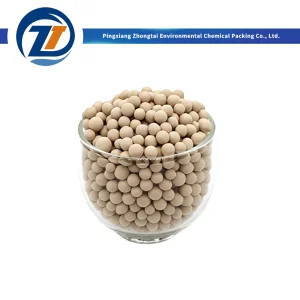
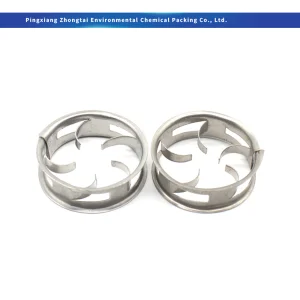
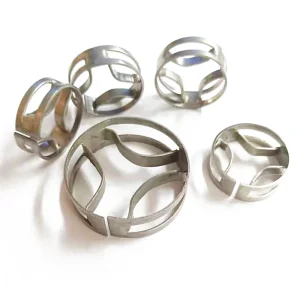
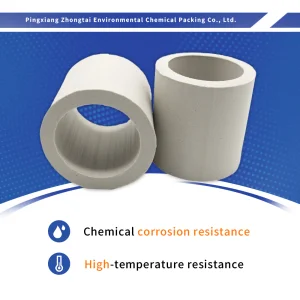
Connect directly with our chemical engineering team to evaluate column sizing, select optimal pore profiles, and configure CIF Hamburg delivery schedules.
Send Inquiry Now