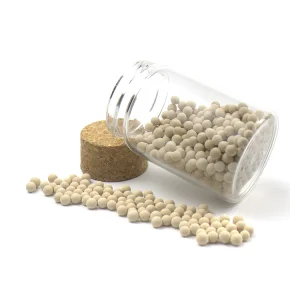
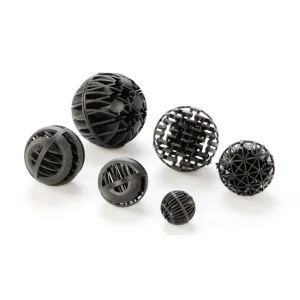
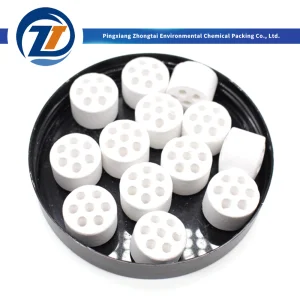
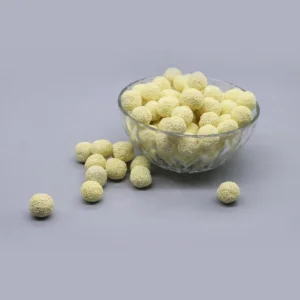
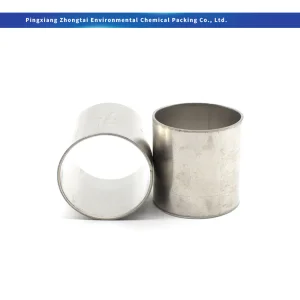
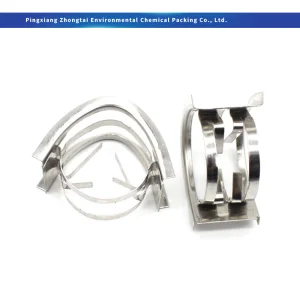
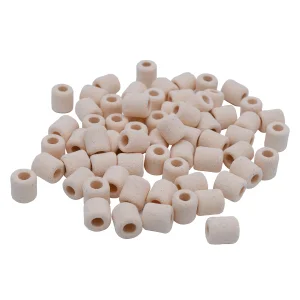
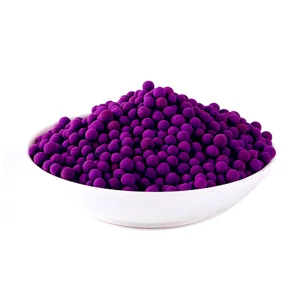
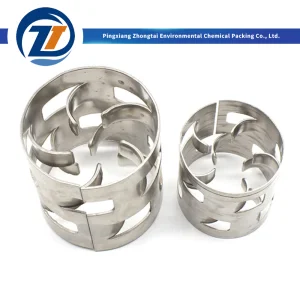
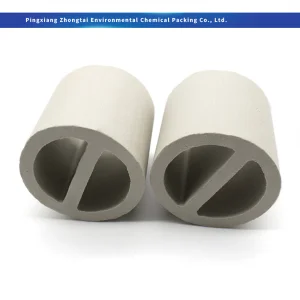
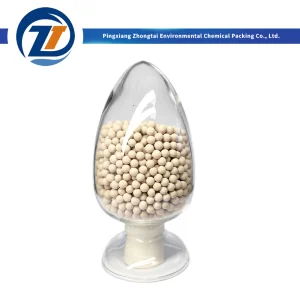
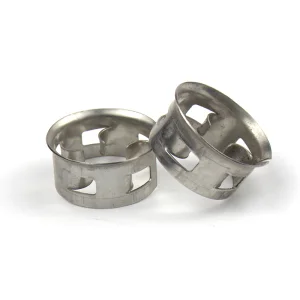
Explore our premium factory-manufactured range of molecular sieves, bio balls, ceramic fracturing proppants, and packing matrices deployed in mission-critical process plants across 60+ countries.
A comprehensive technical evaluation on thermal boundaries, thermodynamic mitigation, and life-cycle containment across chemical, metallurgical, and municipal installations.
In electrowinning plants extraction operations, open tank venting causes corrosive sulfuric aerosol emission. Floating hard plastic hollow balls (typically Polypropylene with UV-stabilizer packages) eliminate up to 90% of mist escape, preventing plant asset degradation and protecting worker respiratory wellness without impeding cathode insertion.
Municipal wastewater and biological reactors require constant thermal preservation to sustain microbial nitrification velocity. Layered hollow plastic spheres act as an adaptable dynamic thermal blanket, cutting heat transfer losses to cold ambient surroundings while allowing continuous aerator blade circulation.
Modern packed columns and wet flues leverage polyolefin hollow spheres for random bed absorption. Offering low bulk density, zero hydraulic blinding, and exceptional phase contact area, these media provide high mass-transfer coefficients under acidic, alkaline, and high-salinity scrubber configurations.
Selecting the exact copolymer matrix is essential to preventing hydrolytic cleavage, stress cracking, and buoyant collapse in severe chemical operations.
| Resin Matrix | Operating Temp Range | Specific Gravity (g/cm³) | Chemical Resistance Threshold | Primary Industrial Use-Case |
|---|---|---|---|---|
| Polypropylene (PP) | 0°C to +100°C | 0.90 – 0.92 | Exceptional resistance to non-oxidizing acids, alkalis, salts | Electroplating tanks, heated process liquid insulation |
| High-Density Polyethylene (HDPE) | -50°C to +80°C | 0.94 – 0.96 | Resistant to cold weather impact, solar degradation, light oils | Water reservoir algae blockage, bird diversion lagoons |
| Polyvinylidene Fluoride (PVDF) | -40°C to +150°C | 1.76 – 1.78 | Superior halogen, pure chlorine, hot concentrated acid endurance | High-purity chemical processing, semiconductor etching baths |
| PTFE (Virgin / Modified) | -200°C to +260°C | 2.14 – 2.20 | Universal inertness (impervious to virtually all organic solvents) | Aggressive gas scrubbing, cryogenic seals, check valves |
| Polyamide (Nylon 6/66) | -30°C to +110°C | 1.12 – 1.14 | High abrasion and mechanical stress tolerance; petroleum fuel stable | Hydrocarbon storage blanketing, pump floating check spheres |
How concentrated chemical packing infrastructure, automated blow-molding equipment, and integrated port logistics safeguard your international project schedules.
Situated in the historic industrial epicenter of Pingxiang, Jiangxi Province, our factories draw from integrated upstream resin suppliers, toolmakers, and packaging specialists within a 40km radius, reducing feedstock lead times to under 48 hours.
Advanced high-speed hollow blow molding and rotary injection fusion equipment run 24/7. Continuous computerized wall-thickness monitoring maintains tight weight dispersion, uniform center of gravity, and seamless hemispherical weld structural integrity.
By producing over 5,000,000 spheres monthly across 10mm to 150mm configurations, Zhongtai eliminates intermediary distribution markups, passing down direct factory wholesale pricing with predictable multi-container FOB/CIF quotation certainty.
Full conformance documentation designed to breeze through strict EPA, REACH, RoHS, and internal corporate procurement audit verifications.
Every consignment is accompanied by verified polymer melt index records, tensile strain certificates, and virgin resin declaration guarantees, prohibiting recycled regrind contaminants.
Our complete polyolefin and fluoropolymer series conforms rigorously to EU Directive 2011/65/EU and Regulation (EC) No 1907/2006, certifying zero heavy metals, plasticizers, or SVHC contaminants.
Export packaging utilizes heavy-duty anti-static woven supersacks, export-grade wooden cases, or corrugated cartons packed on ISPM-15 heat-treated fumigated pallets, minimizing transit puncture risks.
Anticipating industrial transformation through bio-based monomers, nanotech composites, and intelligent surface tracking.
R&D trials in graphene nanoplatelet dispersion into polypropylene compounding are yielding a 35% higher continuous service temperature threshold, extending polyolefin spheres into aggressive flash-distillation systems previously restricted to expensive fluoropolymers.
New Hindered Amine Light Stabilizers (HALS) combined with carbon black nano-matrices now afford outdoor mining dam and reservoir shade spheres continuous service lives exceeding 25 years under high-altitude ultraviolet irradiance.
Pioneering chemical recycling protocols allow spent spheres retired from non-hazardous municipal water reservoirs to be depolymerized, refined, and reintroduced into secondary industrial process packing, cutting virgin carbon footprint metrics by 52%.
Complete your chemical processing tower bill-of-materials with our factory-direct stainless steel, ceramic, and zeolite adsorbents.
Precise engineering answers covering coverage calculations, pricing variables, material selection, and container stuffing schedules.