Explore our direct factory product portfolio engineered for extreme chemical resistance, thermal stability, and mechanical durability.
Understanding the engineering metrics, global supply dynamics, and physical formulations driving modern chemical processing, catalyst bed support, and high-precision surface finishing.
In high-stress chemical processing plants, petrochemical refineries, advanced metallurgy foundries, and precision manufacturing, industrial ceramics serve as the critical foundation for operational continuity. Ceramic polishing balls, grinding media, and inert support spheres are not simple commodity consumables; they are highly engineered ceramic components formulated to withstand extreme thermal shock, aggressive chemical corrosion, and intense mechanical attrition.
As global process industries transition toward higher efficiency and zero-downtime manufacturing targets, the technical parameters of ceramic media—such as sphericity tolerance, microcrystalline grain alignment, cold crush strength (CCS), and wear-loss rate—directly dictate process yield, product purity, and total operational cost (TCO).
Global procurement metrics show a significant shift toward high-purity alumina (>92% to 99.5% Al₂O₃) and specialized ceramic compounds (Zirconia Toughened Alumina, Silicon Carbide, Cordierite). Key industry demand vectors include:
Comparative physical, chemical, and mechanical analysis of standard ceramic formulations used in industrial polishing, mass transfer, and grinding media.
| Ceramic Material Formulation | Al₂O₃ / ZrO₂ Content (%) | Bulk Density (g/cm³) | Mohs Hardness | Cold Crush Strength (KN/ball Ø25mm) | Primary Application Fit |
|---|---|---|---|---|---|
| Standard Inert Ceramic Media | 17% - 23% Al₂O₃ | 1.40 - 1.55 | 6.5 - 7.0 | > 5.5 KN | Catalyst Support, Thermal Accumulators, Refineries |
| Medium-Alumina Polishing Media | 65% - 75% Al₂O₃ | 2.90 - 3.20 | 8.0 | > 12.0 KN | Vibratory Deburring, Metal Surface Smoothing |
| High-Purity Alumina Polishing Balls | 92% - 95% Al₂O₃ | 3.60 - 3.70 | 9.0 | > 18.0 KN | Precision Finishing, High-Wear Grinding, Ball Mills |
| Zirconia Toughened Alumina (ZTA) | Zirconia Blended Alumina | 4.00 - 4.50 | 9.0+ | > 25.0 KN | High-Impact Polishing, Non-Contaminating Fine Milling |
| Yttria Stabilized Zirconia (YSZ) | 95% ZrO₂ / 5% Y₂O₃ | 6.00 | 9.0+ | > 35.0 KN | Mirror Finish Polishing, Pharmaceutical & Battery Slurry |
Our factory utilizes advanced Cold Isostatic Pressing (CIP) forming technology. Unlike wet-granulation or extrusion methods, CIP applies uniform omnidirectional hydrostatic pressure up to 200 MPa, eliminating internal voids, density gradients, and structural micro-cracks.
Sintered in 120-meter automated computer-controlled gas tunnel kilns at temperatures peaking at 1650°C. Precise thermal curves ensure complete alpha-alumina phase transformation, yielding maximum crystal density and superior wear resistance.
To produce high-grade polishing balls, raw sintered spheres undergo multi-stage planetary polishing. This eliminates surface burrs, sharp micro-edges, and geometric variance, delivering perfect sphericity (tolerance within ±0.05mm).
Customized physical and structural ceramic configurations engineered for specific industrial environments.
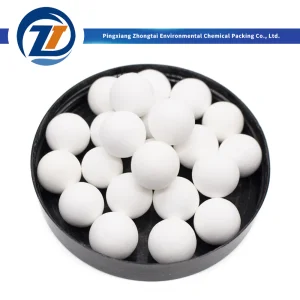
Designed for vibratory finishing machines, centrifugal disc finishers, and rotary tumblers. Used extensively in aerospace, automotive hardware, and medical device manufacturing. Provides rapid edge deburring, surface burnishing, and pre-plating preparation without altering tight mechanical dimensional tolerances.
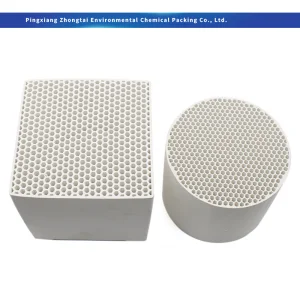
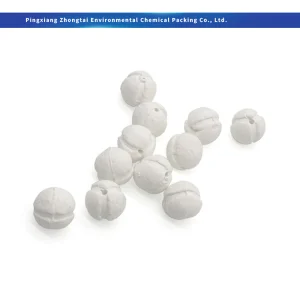
Serving as top hold-down beds and bottom support layers in reactors (hydrocracking, desulfurization, reforming). Inert ceramic spheres prevent fine catalyst migration, distribute gas/liquid flow uniformly, and shield expensive catalyst beds from thermal shock and pressure surges.
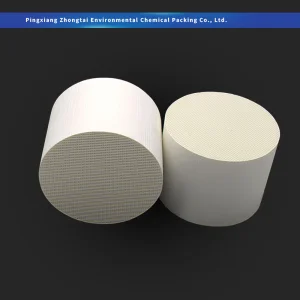
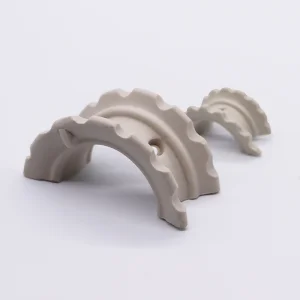
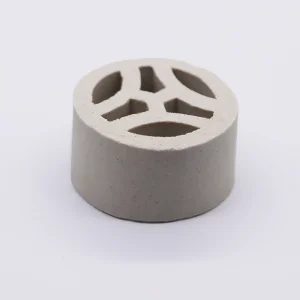
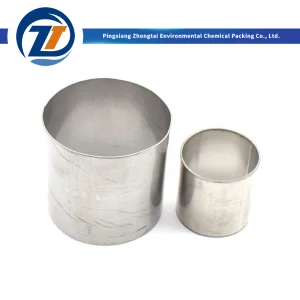
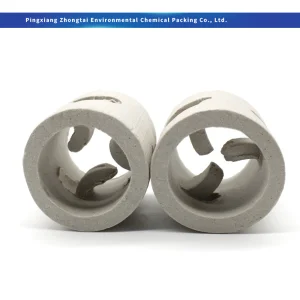
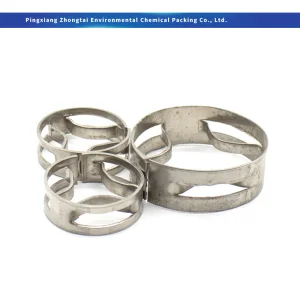
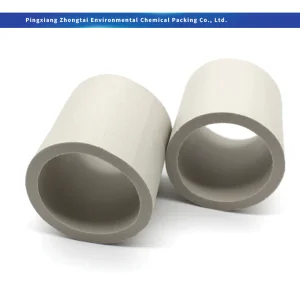
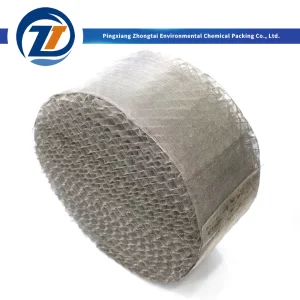
Complemented by our range of random ceramic packings (Raschig rings, Intalox saddles, Pall rings). Engineered to operate in harsh acid-absorption towers, gas scrubbers, and stripping columns, providing maximum surface area contact while minimizing pressure drop across the packed bed.
Rigorous quality control protocols, international certifications, and standardized packaging tailored for global enterprise B2B supply chains.
Every manufacturing batch undergoes stringent laboratory testing before release. Certificates of Analysis (COA) are generated for key mechanical and chemical specifications:
We supply wholesale clients, EPC contractors, and global OEM partners with compliant export packaging designed to survive rough ocean transport and humid port environments:
Pioneering next-generation ceramic formulations, energy-efficient manufacturing, and AI-driven quality inspection systems.
Incorporating sub-micron ceramic powder synthesis to achieve near-zero grain boundary defects, boosting impact strength by 35%.
Full integration of high-speed 360-degree vision camera sorting lines to guarantee 100% surface defect elimination at batch scale.
Transitioning to green hydrogen-assisted gas kilns to reduce carbon intensity per ton of industrial ceramic media produced.
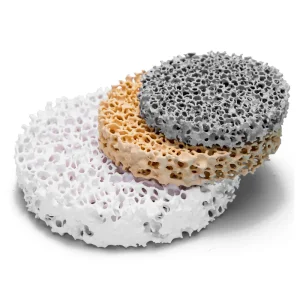
Developing micro-porous hybrid ceramic packings engineered specifically for direct air capture (DAC) and CO₂ scrubbing towers.
Expert insights addressing common engineering queries from plant operators, chemical engineers, and wholesale buyers.
A: While both utilize high-alumina ceramic formulations, ceramic polishing balls prioritize uniform sphericity, defect-free smooth surface finishes, and controlled micro-abrasion for vibratory deburring and mirror polishing without surface marring. In contrast, alumina grinding balls are formulated primarily for high density, extreme hardness, and maximum impact energy inside ball mills to fracture raw materials into fine powders.
A: Selection depends on operating temperature, chemical corrosivity, and silica sensitivity. Standard 17-23% Al₂O₃ inert ceramic balls suit standard hydrotreating and reforming applications. Higher alumina grades (92% to 99%) are mandatory in high-temperature steam environments (e.g., secondary reformers, ammonia synthesis) where silica leaching from lower-grade ceramics can migrate downstream and poison expensive catalyst beds.
A: High CCS guarantees that the bottom support ceramic spheres can carry the immense static load of tons of catalyst plus dynamic pressure drops during high-velocity fluid flow. If support balls collapse under pressure, it causes bed compaction, severe pressure drop spikes, channel flow, and costly unscheduled shutdown.
A: Our factory manufactures inert ceramic balls and polishing spheres ranging from 1mm micro-beads up to 75mm (3-inch) heavy support spheres. Standard dimensional tolerances are held within ±0.5mm for industrial support spheres and ±0.05mm for high-precision polishing media. Custom sizing and specialized formulations are available upon request.
A: Each wholesale shipment is accompanied by a comprehensive technical documentation pack including Factory Test Certificate (COA), Batch Crush Strength Reports, Chemical Analysis via XRF, Safety Data Sheets (SDS), Packing List, Bill of Lading, and Certificate of Origin (Form E, CO, etc.). Third-party inspections (SGS, BV, Intertek) are supported.
Explore our complete range of high-performance ceramic packings, filter substrates, and column internal components.