
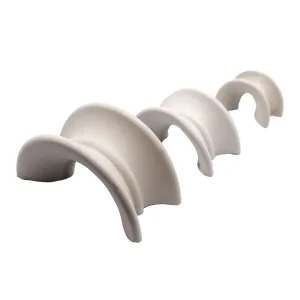
Explore our primary factory-direct chemical packing solutions, ceramic supports, and high-performance molecular sieves optimized for global refineries, chemical plants, and separation towers.
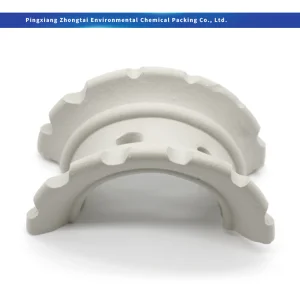
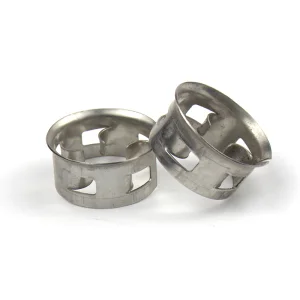
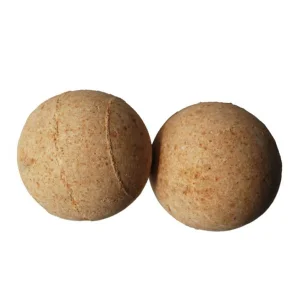
An exhaustive technical specification and procurement analysis for process engineers, EPC contractors, and global chemical sourcing managers.
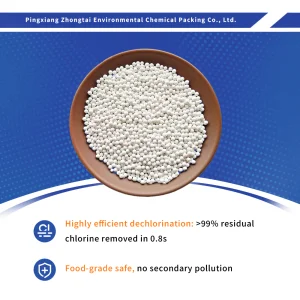
4A Molecular Sieve is an alkali aluminosilicate; it is the sodium form of the Type A crystal structure. It has an effective pore opening of about 4 angstroms (0.4 nm). It will adsorb molecules with a kinetic diameter smaller than 4Å while excluding larger molecules like propane and higher hydrocarbons.
Engineered with optimized macropore transport networks, our wholesale 4A beads achieve superior dynamic adsorption capacity (≥21.5% @ 60% RH), enabling faster cycle times and lower energy consumption during thermal reactivation (TSA/PSA cycles).
Manufactured using high-purity clay binders and state-of-the-art rotary kiln firing technologies, our 4A sieves offer outstanding bulk crush strength (>80 N/bead for 3-5mm) to prevent bed dusting, channel formation, and downstream equipment fouling.
| Zeolite Type | Nominal Pore Size (Å) | Cation Type | Kinetic Diameter Cutoff | Static Water Adsorption (25°C, 60% RH) | Primary Industrial Applications |
|---|---|---|---|---|---|
| 4A Molecular Sieve | 4.0 Å (0.4 nm) | Sodium ($Na^+$) | < 4.0 Å (H₂O, CO₂, H₂S, SO₂, NH₃) | ≥ 21.5 wt% | Deep gas drying, refrigerant dehydration, insulated glass unit (IGU) desiccant, solvent purification. |
| 3A Molecular Sieve | 3.0 Å (0.3 nm) | Potassium ($K^+$) | < 3.0 Å (H₂O, NH₃) | ≥ 20.0 wt% | Cracked gas drying, ethylene/propylene drying, ethanol dehydration (prevents co-adsorption of hydrocarbons). |
| 5A Molecular Sieve | 5.0 Å (0.5 nm) | Calcium ($Ca^{2+}$) | < 5.0 Å (n-paraffins, branched molecules excluded) | ≥ 21.0 wt% | PSA normal-paraffin separation, natural gas sweetening, oxygen/nitrogen air separation. |
| 13X Molecular Sieve | 10.0 Å (1.0 nm) | Sodium ($Na^+$) | < 10.0 Å (Complex aromatics, mercaptans) | ≥ 24.0 wt% | Air separation pretreatment (CO₂/H₂O co-removal), heavy hydrocarbon purification, medical oxygen generation. |
Deploying 4A molecular sieves across continuous chemical process loops, cryogenic separations, and closed-loop desiccant hardware.
In natural gas processing plants, residual moisture leads to destructive hydrate formation in cryogenic heat exchangers (Linde/Claude cycles). 4A Molecular Sieves reduce moisture levels to under 0.1 ppmv, reaching dew points below -100°C without co-adsorbing heavier $C_2+$ natural gas liquids.
Hermetic refrigeration systems using halogenated or hydrocarbon refrigerants (R-134a, R-600a, R-410A) rely on matrix-bound 4A bead cores. The sieve selectively strips traces of dissolved moisture, preventing ice blockage inside capillary expansion valves and blocking hydrofluoric acid creation.
Specially formulated low-dust 4A molecular sieve granules are automatically loaded into aluminum spacer channels of architectural dual-pane windows. By selectively absorbing water vapor without trapping air or nitrogen, it prevents pane distortion while extending thermal window lifetime up to 30 years.
Before cryogenic liquefaction of atmospheric air into pure oxygen and nitrogen, ambient moisture and carbon dioxide must be scrubbed. 4A sieves act as the primary moisture buffer in dual-bed temperature swing adsorption (TSA) units, safeguarding cold boxes from solid ice buildup.
Eliminates water from liquid chemical streams, including methanol, ethanol, ethyl acetate, benzene, and cyclohexane. The 4A pore structure traps water molecules while sterically rejecting larger solvent rings, enabling continuous liquid-phase fixed-bed adsorption.
Polymerization catalysts (such as Ziegler-Natta or Metallocene systems used in polyethylene production) are severely poisoned by traces of water. 4A sieve beds polish monomer feeds (monomer purities up to 99.999%), ensuring maximum catalyst yield and reaction stability.
Headquartered in Pingxiang, Jiangxi Province—the world's premier industrial ceramics and mass transfer chemical packing hub—our integrated manufacturing infrastructure offers unmatched cost efficiency and technical quality control.
We synthesize high-purity kaolin clays and silica-alumina hydro-gels in-house. By controlling the Si/Al atomic ratio at 1:1 during hydro-thermal crystallization, we guarantee 100% crystalline phase purity without non-adsorptive amorphous clay bypass.
Our continuous intelligent calcination furnaces maintain firing temperature profiles within ±2°C. This micro-level thermal control prevents structural pore collapse, yielding uniform bead sphere sizes (1.6-2.5mm, 3.0-5.0mm) and optimized pore volume distribution.
Every batch undergoes rigorous quality assurance checking: Static Water Adsorption (ISO 9277), Dynamic Breakthrough Testing, Bulk Crush Strength testing via ASTM D7084, and Attrition/Dust Rate analysis via ASTM D4058 standards prior to export clearance.
Pioneering core-shell mesoporous architectures, reduced reactivation temperatures, and decarbonized manufacturing processes for 2030 industrial standards.
Traditional 4A zeolites feature crystal sizes between 2-5 microns. Our next-gen R&D utilizes hydrothermal crystallization modifiers to create sub-micron (200-500 nm) 4A nano-crystals. This drastically reduces internal intra-crystalline diffusion pathways, raising adsorption kinetics by 35% during short-cycle PSA operations.
Standard 4A reactivation demands bed heating up to 200°C–250°C. By applying surface silanization modification, our engineered low-energy 4A sieves release bound water at lower thermal thresholds (140°C–160°C), slashing natural gas heating costs for TSA drying plants.
Combining a highly robust inert ceramic inner sphere with a uniform micro-porous 4A zeolite shell. This structural breakthrough yields exceptional crush strength (>120 N) while minimizing binder dead-weight, achieving maximum dynamic water capacity per bed unit weight.
Sourcing wholesale 4A molecular sieves extends beyond per-ton FOB price comparisons. Evaluating life cycle endurance, downstream filter protection, and vessel bed delta pressure ($\Delta P$).
Substandard spherical roundness or broad particle size distribution increases flow resistance, overloading upstream compressor units. Our sieves maintain a uniform sphericity ratio (>98%), minimizing column head losses and reducing annual megawatt electrical consumption.
Molecular sieves rapidly absorb atmospheric humidity upon ambient exposure. We ship wholesale orders in hermetically sealed 55-gallon (150 kg) air-tight steel drums with polyethylene inner liners, or 1000 kg heavy-duty flexible intermediate bulk containers (FIBC jumbo bags) fitted with aluminum foil barrier membranes and nitrogen purging.
Full documentation supplied with every shipment: Full Certificate of Analysis (COA) matching purchase specification, Safety Data Sheets (SDS), REACH / RoHS compliance statements, Certificates of Origin (Form E, Form F, CO), and independent pre-shipment inspection (SGS/Intertek) reports upon request.
From initial column sizing to adsorbent loader supervision and bed discharge testing, our field engineers assist engineering teams globally.
We provide simulation software modelling for pressure drop ($\Delta P$), mass transfer zone (MTZ) length calculations, and breakthrough equilibrium curve generation tailored to your temperature and flow rate.
Send spent or active sieve samples to our testing facility for residual adsorption capacity determination, surface area loss profiling, and contaminant fouling identification.
Our plant operates under ISO 9001:2015 Quality Management, ISO 14001:2015 Environmental Systems, and ISO 45001:2018 Occupational Health & Safety frameworks.
Fast-track emergency logistics support during unscheduled plant shutdowns. Standard 4A bead sizes (1.6-2.5mm and 3.0-5.0mm) are maintained in inventory for rapid dispatch.
Direct technical answers addressing performance, reactivation rules, pricing, and bulk order logistics.
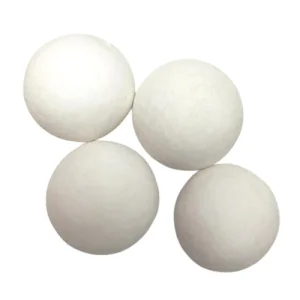
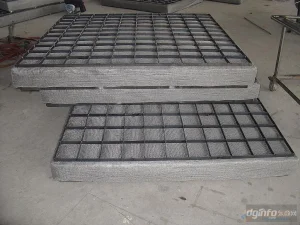
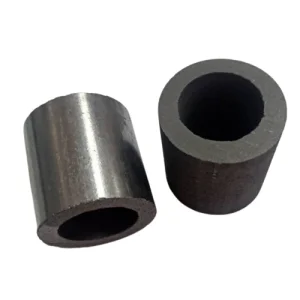
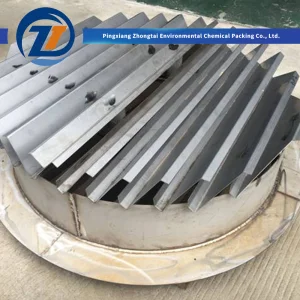
Complete catalog of environmental tower packings, structured gauze, Dixon rings, ceramic proppants, and specialized filtration components.
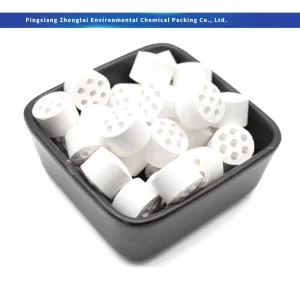
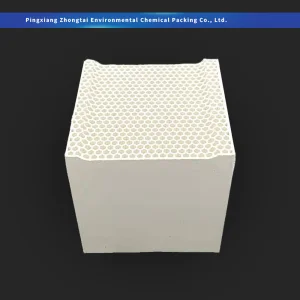
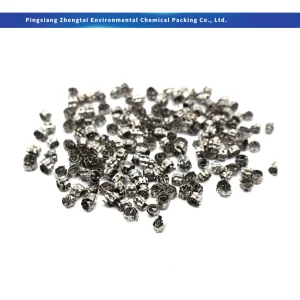
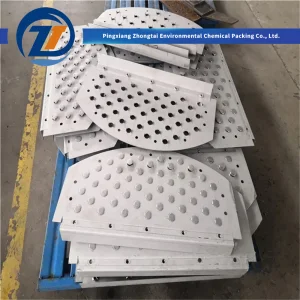
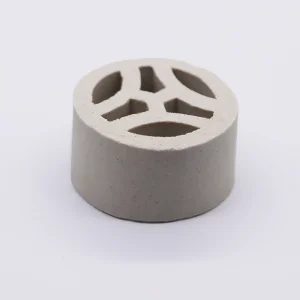
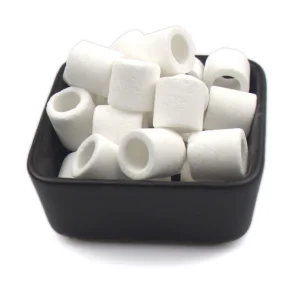
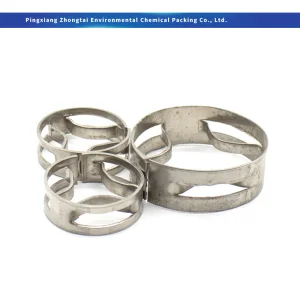
Pingxiang Zhongtai Environmental Chemical Packing Co., Ltd. (Zhongtai Packing), established in 2003, is a premier Chinese manufacturer headquartered in the West Section Hi-Tech Industry Park of Pingxiang, Jiangxi Province. We specialize in factory-direct chemical packing solutions, ceramic bed support media, inert alumina porcelain balls, structured gauze packing, random metal rings, RTO honeycomb ceramics, ceramic foam filters, and high-selectivity 3A, 4A, 5A, and 13X molecular sieves. Serving global EPC engineering firms, refineries, and environmental protection equipment builders, we back every product batch with certified physical testing data, custom column design support, and international shipping compliance.