China Zeolite Molecular Sieve 13X Manufacturer & Quotes

Engineering Whitepaper & Technical Sourcing Guide: Advanced FAU Crystallographic Adsorbents for Industrial Air Separation, Petrochemical Refining & Gas Purification

Featured Adsorbent & Mass Transfer Portfolio

High-Performance Catalytic & Separation Media

Explore our primary manufacturing outputs engineered for extreme operational reliability in demanding thermal swing adsorption (TSA), pressure swing adsorption (PSA), and chemical reaction towers.
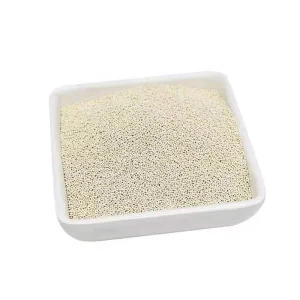
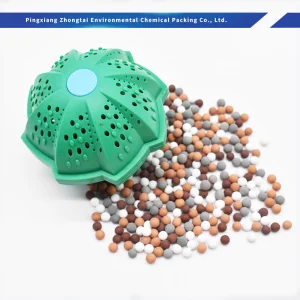
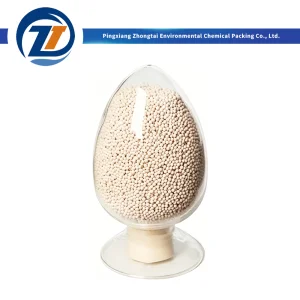
Wholesale PSA Oxygen Generator Concentrator 13X-HP Molecular Sieve
Wholesale PSA Oxygen Generator Concentrator 13X-HP Molecular Sieve Manufacturers, Pricelist
Request Quote & Technical Specs
China Eco-Friendly PVC Laundry Ball
China Eco-Friendly PVC Laundry Ball | Reusable & Chemical-Free Cleaning Suppliers, Pricelist
Request Quote & Technical Specs
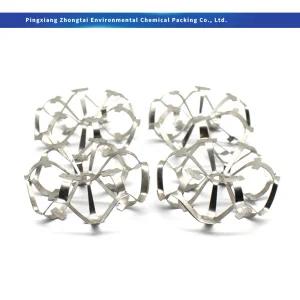
Wholesale Metal Pall Ring Tower Packing
Wholesale Metal Pall Ring Tower Packing Manufacturers, Factory
Request Quote & Technical Specs
China High Performance 4A Molecular Sieve Zeolite Adsorbent
China High Performance 4A Molecular Sieve Zeolite Adsorbent for Natural Gas Dehydration Supplier, Quotes
Request Quote & Technical Specs
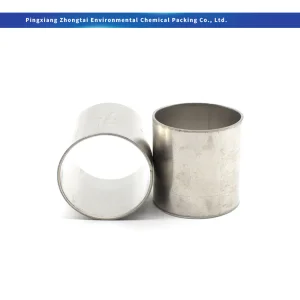
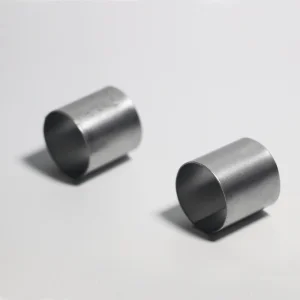
Wholesale Metal Raschig Ring
Wholesale Metal Raschig Ring 25mm 38mm 50mm High Temperature Resistant Metal Tower Packing for Chemical Processing Manufacturer, Suppliers
Request Quote & Technical Specs
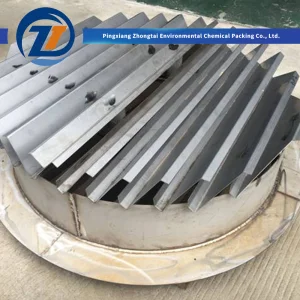
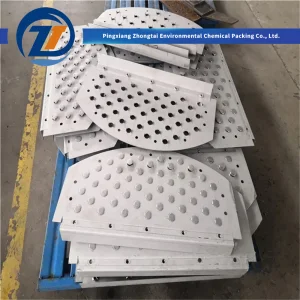
China Stainless Steel Liquid Collector
China 304 316L Stainless Steel Liquid Collector and Distributor / Liquid Redistributor for Distillation, Absorption & Stripping Columns Manufacturers, Factory
Request Quote & Technical Specs
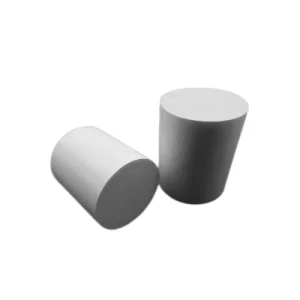
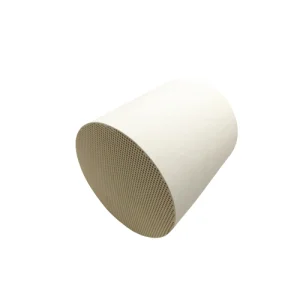
China Cordierite DPF Honeycomb Ceramic
China Cordierite DPF Honeycomb Ceramic Manufacturer, Manufacturers
Request Quote & Technical Specs
Wholesale Catalyst Carrier Cordierite Honeycomb Ceramics
Wholesale Catalyst carrier cordierite honeycomb ceramics for DOC Factories, Quotes
Request Quote & Technical Specs
Crystallographic Chemistry & Kinetic Fundamentals

Zeolite Molecular Sieve 13X (NaX): Structural Mechanics & Adsorption Dynamics

Zeolite Molecular Sieve 13X is the sodium form of the Faujasite (FAU) crystal structure, characterized by an open, three-dimensional aluminosilicate framework with a nominal pore aperture of 10 Angstroms (1.0 nm). Unlike narrow-pore zeolites such as Type A (3A, 4A, 5A), Type 13X possesses a 12-membered ring system giving access to a large supercage (spherical cavity of ~13 Å diameter). Its empirical chemical formula is represented as:

Na86[(AlO2)86(SiO2)106] · xH2O

Standard Silica-to-Alumina Ratio (SiO₂/Al₂O₃) = 2.0 to 3.0 | FAU Topological Symmetry: Fd3m

In chemical separation engineering, Zeolite 13X stands as the premier commercial adsorbent for molecules with kinetic diameters larger than 5 Å that cannot enter Type 4A or 5A matrices. The presence of exchangeable extra-framework sodium cations ($Na^+$) creates extremely high localized electrostatic fields inside the supercages. This generates exceptional dipole and quadrupole interaction potential, making 13X uniquely suited for co-adsorbing polar molecules (such as H₂O, CO₂, H₂S, and mercaptans) alongside trace hydrocarbons.

10 Å
Effective Pore Diameter
> 700 m²/g
BET Specific Surface Area
23.5 wt%
Static Water Adsorption
≥ 80 N
Crush Strength (Bead 3-5mm)

Information Gain Matrix: Comparative Analysis of Synthetic Zeolites

Selecting the correct synthetic zeolite requires rigorous evaluation of kinetic molecular diameters versus crystalline pore openings. Below is an engineering benchmark table comparing Type 13X against other industry standards:

Zeolite Grade Crystal Structure Effective Pore Size Cation Type Kinetic Cut-Off Diameters Primary Industrial Applications
Zeolite 3A LTA (Type A) ~3 Å (0.3 nm) Potassium (K⁺ / Na⁺) < 3 Å (Excludes CH₄, C₂H₆) Ethylene, propylene, ethanol & cracked gas drying
Zeolite 4A LTA (Type A) ~4 Å (0.4 nm) Sodium (Na⁺) < 4 Å (Excludes C₃H₈+) Refrigerant drying, air compressor desiccant, static drying
Zeolite 5A LTA (Type A) ~5 Å (0.5 nm) Calcium (Ca²⁺ / Na⁺) < 5 Å (Passes n-paraffins) n-Iso paraffin separation, PSA H₂ purification, sweetening
Zeolite 13X FAU (Type X) ~10 Å (1.0 nm) Sodium (Na⁺) < 10 Å (Passes aromatics) ASU pre-purification, CO₂/H₂O co-adsorption, mercaptan removal
Zeolite 13X-HP FAU (Type X) ~10 Å (1.0 nm) High Lithium (Li⁺ / Na⁺) < 10 Å (High N₂ selectivity) Medical & industrial VPSA/PSA oxygen generators (93%–95% O₂)
Macro-Industry Application Engineering

Industrial Solutions Driven by High-Selectivity 13X Molecular Sieves

Zhongtai’s high-density Zeolite 13X adsorbents provide multi-pollutant removal, deep moisture suppression, and targeted hydrocarbon separation across global heavy processing sectors.

1. Cryogenic Air Separation Units (ASU Pre-Purification)

In modern Air Separation Units (ASU), the Pre-Purification Unit (PPU) is critical to prevent dangerous explosive accumulation of hydrocarbons (such as acetylene, $C_2H_2$) and operational freezing of carbon dioxide ($CO_2$) and water ($H_2O$) inside cryogenic heat exchangers.

Pingxiang Zhongtai’s Zeolite 13X spheres feature an optimized mass transfer zone (MTZ), enabling co-adsorption of CO₂ down to < 1 ppm and moisture to dewpoints below -70°C. The high mechanical crush strength prevents fluidization breakdown caused by rapid pressure changes during bed switching in Thermal Swing Adsorption (TSA) or Pressure Swing Adsorption (PSA) systems.

2. Medical & Industrial PSA/VPSA Oxygen Generation

For medical oxygen concentrators and large-scale industrial VPSA plant installations, traditional 13X is upgraded to 13X-HP (High-Purity / Lithium-exchanged FAU framework). This specialized adsorbent exhibits an exceptionally high $N_2/O_2$ separation factor ($N_2$ adsorption capacity up to 2–3 times higher than standard sodium 13X).

By selectively trapping nitrogen molecules within its aluminosilicate supercages, oxygen is concentrated to purities ranging from 93% to 95% ± 3%, meeting stringent medical pharmacopeia and metallurgical combustion requirements.

3. Natural Gas Sweetening & LPG Desulfurization

Natural gas conditioning requires the removal of foul-smelling, corrosive sulfur compounds including hydrogen sulfide ($H_2S$), methyl/ethyl mercaptans ($R-SH$), and carbonyl sulfide ($COS$). Because mercaptan molecules (such as butyl mercaptan) exceed 5 Å in kinetic diameter, standard 4A and 5A sieves suffer from steric exclusion.

Featuring 10 Å effective pores, Zhongtai Zeolite 13X allows unhindered diffusion of bulky sulfur compounds into the active internal matrix, achieving total sweetening pipeline compliance with minimal hydrocarbon co-adsorption losses.

4. Olefin Feedstock Purification & VOC Removal

In polymerization facilities (polyethylene and polypropylene synthesis), trace oxygenates, sulfur contaminants, and nitriles will rapidly poison sensitive organometallic Ziegler-Natta catalysts. 13X beds act as protective guard beds upstream of polymerization reactors.

Furthermore, in environmental abatement, 13X serves in hazardous volatile organic compound (VOC) trapping systems, capturing chlorinated hydrocarbons, aromatics (benzene, toluene, xylene), and ester vapors prior to catalytic incineration or solvent recovery.

China Factory 4.0 Industry Standard

Pingxiang Zhongtai Manufacturing Excellence & Operational Rigor

Located in Pingxiang, Jiangxi Province—China's world-renowned manufacturing epicenter for chemical tower packing and industrial ceramics—Pingxiang Zhongtai Environmental Chemical Packing Co., Ltd. operates state-of-the-art hydro-thermal synthesis reactors, precision bead-shaping towers, and low-dust calcination rotary kilns.

Hydrothermal Crystallization

Precise control over sodium silicate and sodium aluminate mole ratios at elevated pressures guarantees > 98% pure FAU phase crystallite yield, eliminating inactive amorphous kaolin impurities.

Binderless Formulation Technology

Our proprietary binder-conversion technique transforms clay binders into active zeolite framework, raising dynamic adsorption capacity by up to 20% compared to conventional clay-bound granules.

High-Density Spherical Forming

Automated disk pelletizing delivers uniform particle size distribution (1.6–2.5 mm, 3.0–5.0 mm), drastically reducing pressure drop and bed attrition under continuous high-velocity gas flows.

Factory Quality Control (QC) & Batch Verification Protocol

Every production lot undergoes rigorous laboratory verification conforming to ASTM and ISO 9001:2015 quality standards. Certificates of Analysis (COA) accompany every shipment:

Physical & Chemical Parameter Sphere Unit (3.0–5.0 mm) Pellet Unit (1.6 mm / 1/16") Testing Standard / Equipment
Static Water Adsorption (RH 60%) ≥ 23.5 wt% ≥ 23.5 wt% Thermogravimetric Desiccant Analyzer
CO₂ Adsorption Capacity (250 mmHg) ≥ 18.0 wt% ≥ 18.0 wt% Volumetric Gas Sorption System
Bulk Density (g/mL) 0.62 – 0.68 g/mL 0.60 – 0.66 g/mL Graduated Cylinder Tapping Volumeter
Average Crush Strength ≥ 85 N / particle ≥ 38 N / particle Digital Single-Point Load Tester
Attrition Rate (Dusting Resistance) ≤ 0.10 wt% ≤ 0.15 wt% Rotary Mechanical Sieving Shaker
Package Moisture Content (As-Shipped) ≤ 1.0 wt% ≤ 1.0 wt% Karl Fischer Titration / Muffle Kiln 550°C
Technology Roadmap & Decarbonization Outlook

Next-Generation Molecular Sieves & Carbon Capture (CCUS) Trends

As energy transition pressures mandate rapid reductions in global carbon intensity, molecular sieve technology is undergoing rapid evolution. Zhongtai’s R&D department is actively pioneering material enhancements across three key technological frontiers:

1. Carbon Capture, Utilization & Storage (CCUS)

Flue gas post-combustion decarbonization demands adsorbents capable of selectively stripping CO₂ from low-pressure combustion gases containing high concentrations of N₂ and moisture. Low-silica 13X modifications demonstrate increased equilibrium CO₂ capacity at partial pressures below 0.15 bar, offering lower thermal regeneration duty ($< 2.5 \text{ GJ/ton CO}_2$).

2. Hierarchical Mesoporous FAU Zeolites

By introducing controlled secondary mesoporosity (2–10 nm channels) into the microporous 13X crystal matrix, molecular intra-crystalline diffusion rates increase up to five-fold. This innovation shortens overall adsorption cycle times in high-throughput industrial beds.

3. Low-Energy Regeneration Cycles

Thermal Swing Adsorption (TSA) energy overhead remains a significant operational cost. Next-generation hydrophobic-core 13X variants permit full thermal reactivation at temperatures between 180°C and 220°C, down from historical 300°C requirements, unlocking significant plant steam savings.

Global Supply Chain & Procurement Strategy

International Purchasing Protocols & Total Cost of Ownership (TCO)

Procuring industrial adsorbents requires balancing initial unit purchase cost against operational longevity, pressure drop efficiency, and supplier delivery responsiveness. Pingxiang Zhongtai provides end-to-end support for international EPC engineering procurement managers:

Export Airtight Packaging Standards

Zeolite 13X is extremely hygroscopic and degrades rapidly upon exposure to ambient humidity. Zhongtai employs multi-layer heavy-duty packaging solutions:

  • Airtight Steel Drums: 150 kg (55 gallon) hermetically sealed steel drums with internal double PE liner bags and nitrogen blanket purge.
  • Jumbo Super Sacks: 650 kg or 750 kg moisture-proof polypropylene bags with aluminum foil vapor barriers, packed on fumigated pallets.
  • Small Cartons / Tins: 25 kg sealed steel-reinforced cardboard boxes for specialized equipment reloads.

Extending Bed Lifespan & TCO Reduction

To achieve an operational lifespan exceeding 3 to 5 years, proper bed loading and thermal regeneration profiles are critical:

  • Dense Phase Loading: Utilize mechanical dense loaders (such as Snow-spout systems) to achieve uniform bed compaction and prevent gas channeling.
  • Guard Layer Installation: Install a top layer of Activated Alumina or Silica Gel (15–20% bed height) to knock out liquid water droplets and heavy aromatics before they strike the 13X zone.
  • Gradual Heating Curves: Ramp thermal regeneration temperatures at < 2°C/min to prevent hydrothermal crystal thermal shock damage.
Expanded Chemical Equipment Portfolio

Complete Tower Internal & Adsorption Product Series

Explore our broader manufacturing lines, supporting integrated column internals, random packings, and specialized catalytic support balls.
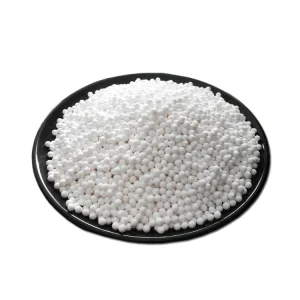
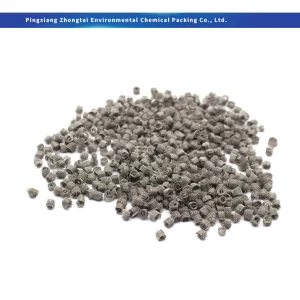
Wholesale Adsorbent Desiccant Activated Alumina Ball
Wholesale Adsorbent Desiccant Activated Alumina Ball Manufacturer, Manufacturers
Request Quote & Technical Specs
Wholesale Stainless Steel Metal Dixon Ring
Wholesale 304 316L Stainless Steel Metal Dixon Ring (Theta Ring) Wire Mesh Random Packing for Laboratory & High Purity Distillation Pricelist, Quotes
Request Quote & Technical Specs
China Stainless Steel Metal Fixed Valve Tray
China High Capacity 304 316L Stainless Steel Metal Fixed Valve Tray for Distillation, Absorption & Stripping Columns Manufacturer, Supplier
Request Quote & Technical Specs
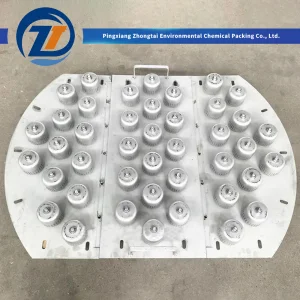
China Stainless Steel Metal Bubble Cap Tray
China 304 316L Stainless Steel Metal Bubble Cap Tray for High Turndown Distillation, Absorption & Stripping Columns Manufacturers, Supplier
Request Quote & Technical Specs
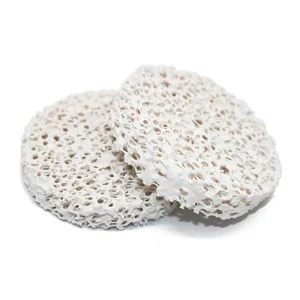
Wholesale Alumina Ceramic Foam Filter
Wholesale Alumina ceramic foam filter for Steel Casting Industry Suppliers, Quotes
Request Quote & Technical Specs
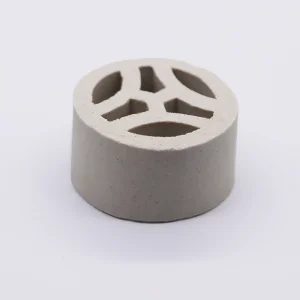
Wholesale Ceramic Y Type Partition Ring Tower Packing
Wholesale Ceramic Y Type Partition Ring Tower Packing Manufacturers, Suppliers
Request Quote & Technical Specs
Wholesale Metal Raschig Ring Tower Packing
Wholesale Metal Raschig Ring Tower Packing Manufacturers, Pricelist
Request Quote & Technical Specs
Wholesale High Wear Resistance Stainless Steel Metal Teller Rosette Ring
Wholesale High Wear Resistance 304 & 316 Stainless Steel Metal Teller Rosette Ring Flower Shape Tower Packing 25mm 38mm 50mm Supplier, Pricelist
Request Quote & Technical Specs
Technical FAQ Knowledge Base

Frequently Asked Questions for Plant & Procurement Engineers

Detailed engineering insights regarding material selection, regeneration protocols, and operational parameters for Zeolite Molecular Sieve 13X.

1. What is the fundamental operational difference between Molecular Sieve 4A, 5A, and 13X?
The difference lies in crystal pore size and adsorption mechanisms. Molecular Sieve 4A (pore size ~4 Å) adsorbs molecules smaller than 4 Å (such as H₂O, CO₂, NH₃) but excludes propane and larger hydrocarbons. Molecular Sieve 5A (pore size ~5 Å) allows normal paraffins to enter while excluding iso-paraffins. Molecular Sieve 13X (pore size ~10 Å, FAU structure) features a much larger supercage opening, allowing it to adsorb bulky molecules such as aromatics, branched hydrocarbons, mercaptans, as well as co-adsorbing CO₂ and moisture simultaneously.
2. How does Zeolite 13X co-adsorb CO₂ and H₂O in Cryogenic Air Separation Units (ASU)?
In an ASU pre-purification unit, air passes through a 13X bed where a sharp adsorption wave front is established. Water ($H_2O$) is highly polar and strongly bound in the initial zone of the bed. Carbon dioxide ($CO_2$) is adsorbed downstream in the mass transfer zone (MTZ). Because 13X possesses strong electrostatic cation fields, it achieves simultaneous removal of $H_2O$ to dew points below -70°C and $CO_2$ down to < 1 ppm, preventing equipment icing and explosion hazards in the downstream cold box.
3. What thermal regeneration temperature is required for reactivating exhausted 13X beds?
Standard Thermal Swing Adsorption (TSA) regeneration for Zeolite 13X requires a dry purge gas (nitrogen or clean dry process gas) heated to between 200°C and 315°C (390°F to 600°F). The bed temperature should be elevated gradually (< 2°C/min) to prevent thermal shock and hydrothermal degradation caused by rapid steam evolution inside the micropores. A cooling phase with dry gas must follow until the bed returns to within 10°C of ambient operating temperature before switching back to the adsorption cycle.
4. How does 13X-HP differ from standard 13X in PSA Oxygen Generators?
Standard 13X uses sodium ($Na^+$) cations. 13X-HP is synthesized through an intensive ion-exchange process replacing sodium with high-purity Lithium ($Li^+$) cations within the FAU framework. Lithium ions generate significantly stronger localized quadrupole field interactions with Nitrogen ($N_2$) molecules compared to Oxygen ($O_2$), increasing $N_2$ adsorption capacity by up to 300%. This allows PSA and VPSA systems to generate 93%–95% pure oxygen with much smaller bed volumes and lower energy consumption per ton of $O_2$ produced.
5. Why is 13X necessary for Mercaptan ($R-SH$) removal from natural gas?
Sulfur compounds like ethyl mercaptan, propyl mercaptan, and butyl mercaptan have kinetic molecular diameters ranging from 5.2 Å to 6.2 Å. These molecules are physically too large to enter the 4 Å or 5 Å pore apertures of Type A zeolites. Zeolite 13X, with its 10 Å aperture, easily accommodates these branched sulfur species, reducing total sulfur content to meet stringent pipeline export and LNG liquefaction specifications.
6. What causes pre-mature crushing and dusting of molecular sieves in industrial towers?
Molecular sieve attrition and dusting occur primarily due to three reasons: (1) Liquid water carryover causing rapid hydrothermal flashing and hydraulic shock; (2) Mechanical bed fluidization caused by excessively high superficial gas velocities or rapid pressure swing depressurization; and (3) Poor initial bed loading resulting in void pockets and settling movement during operation. Utilizing dense phase loading equipment and installing an activated alumina guard layer at the inlet minimizes these risks.
7. What packaging option is best for long-term ocean shipping to high-humidity regions?
For international ocean transit, particularly to tropical regions in Southeast Asia, the Middle East, or South America, we strongly recommend 150 kg airtight heavy-gauge steel drums with double internal polyethylene liner bags and a nitrogen head-space purge. Steel drums provide 100% moisture vapor barrier protection and prevent crush damage when stacked inside 20ft/40ft ocean containers.
8. How can global buyers request custom engineering samples and formal quotations from Pingxiang Zhongtai?
Procurement teams and design engineers can request Technical Data Sheets (TDS), Safety Data Sheets (SDS), and physical samples (500g to 2kg) directly through our website product buttons or by contacting our engineering sales department. Please provide your column dimensions, flow rates, inlet gas composition, pressure, operating temperature, and target effluent purity so our engineers can perform accurate mass-balance bed sizing calculations.