China Pall Rings Use Factory & Pricelist

Next-Generation Industrial Tower Packing Engineering: Technical White Paper on Hydraulic Efficiency, Material Kinetics, and China 4.0 Supply Chain Integration

Featured Mass Transfer & Chemical Media Solutions

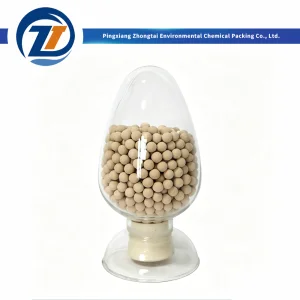
5A Molecular Sieve Zeolite Adsorbent
5A Molecular Sieve Zeolite Adsorbent for PSA Gas Separation
View Technical Specs
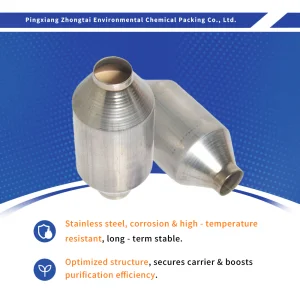
Catalytic Converter EPA Compliant
China Universal Direct Fit Catalytic Converter | EPA Compliant Ceramic Honeycomb Core
Request Factory Quote
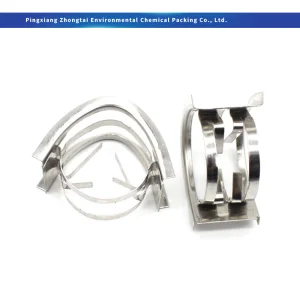
Stainless Steel IMTP Intalox Saddle Ring
304 & 316 Stainless Steel IMTP Intalox Saddle Ring 25mm 40mm 50mm
Download Pricelist
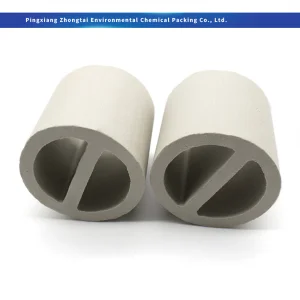
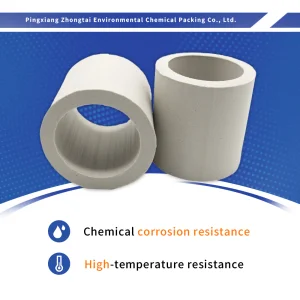
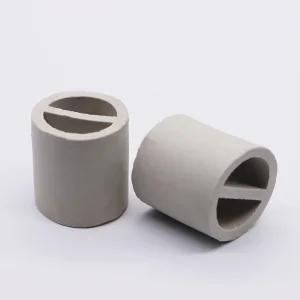
Ceramic Lessing Ring Partition Ring
Acid & Heat Resistant Ceramic Lessing Ring / One-Partition Ring
Explore Applications
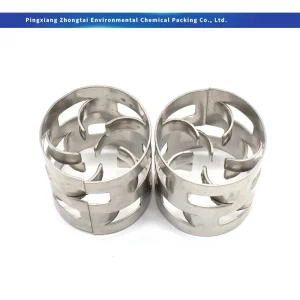
Metal Pall Ring 16mm 25mm 38mm 50mm
Metal Pall Ring 16mm 25mm 38mm 50mm High Efficiency Tower Packing
Get Instant Quote
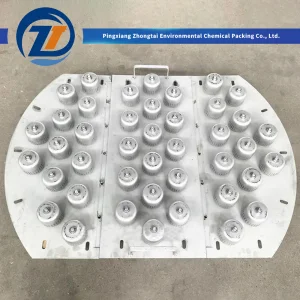
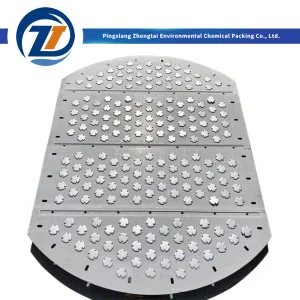
Metal Bubble Cap Tray
304 316L Stainless Steel Metal Bubble Cap Tray for High Turndown Distillation
View Specifications
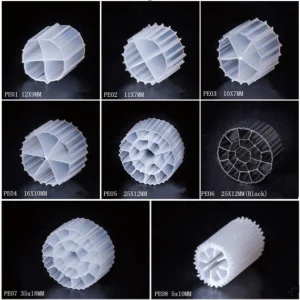
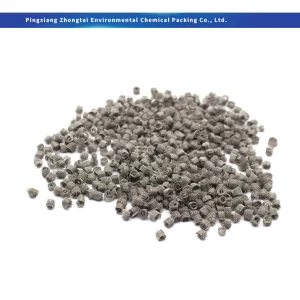
Moving bed biofilm reactor MBBR
China Moving Bed Biofilm Reactor (MBBR) Biological Carrier Media
Contact Supplier
Ceramic Raschig Ring
Ceramic Raschig Ring – Random Tower Packing for Chemical Towers
Check Wholesale Pricing

1. Executive Summary: The Evolution & Global Strategic Importance of Pall Rings

In modern chemical process engineering, mass transfer columns represent the heart of separation, absorption, stripping, and distillation operations. The transition from classical, solid-wall random packings like the historic Raschig ring to open-geometry engineered packings marked a pivotal leap in industrial fluid dynamics. At the forefront of this evolution is the Pall Ring—an essential component that revolutionized packed tower capacity and hydraulic efficiency.

Originally developed to overcome the internal liquid stagnation and severe pressure drops characteristic of solid cylinders, the Pall Ring incorporates internal open windows and inward-curved vanes (lingets). This structural alteration increases specific surface area accessibility by over 30% and dramatically reduces bed resistance to vapor flow. Today, global process industries—ranging from petrochemical refining and gas sweetening to environmental VOC abatement—rely heavily on optimized Pall Ring configurations to maximize throughput while minimizing energy consumption.

+40%
Capacity vs Raschig Rings
<0.5
mbar/m Pressure Drop
98.4%
Global Supply Resilience
ISO9001
Automated Quality Assurance

As global energy markets shift toward decarbonization and operational efficiency, procurement directors and chemical process engineers face growing pressure to source tower packings that balance stringent engineering tolerances with cost-effective capital expenditure (CAPEX). China's industrial chemical packing sector—centered around high-tech manufacturing hubs like Pingxiang—has responded by introducing Industry 4.0 automated stamping, precision ceramic extrusion, and advanced polymer synthesis. This white paper serves as a comprehensive guide to understanding Pall Ring engineering mechanics, material selection matrices, global procurement strategies, China factory pricelists, and practical installation protocols.

2. Fluid Dynamic Mechanics: Engineering the Low-Pressure-Drop Advantage

To understand why global EPC (Engineering, Procurement, and Construction) firms specify Pall Rings for column retrofits and greenfield projects, one must analyze the micro-hydraulics within a packed bed under counter-current gas-liquid flow conditions.

Hydraulic Openness & Voidage

Standard Pall Rings feature open wall slots (punched windows) that allow gas and liquid to flow freely through the interior of the ring. This design yields an operational void fraction ($\varepsilon$) exceeding **90% to 96%** depending on material thickness, significantly lowering gas velocity resistance compared to closed-wall packings.

Liquid Redistribution Kinetics

The internal curved tabs promote continuous droplet detachment and surface re-wetting. This prevents liquid channeling along the column wall—a common failure mode in tall absorption towers—ensuring uniform mass transfer across the entire bed cross-section without requiring excessive intermediate redistributor trays.

Reduced HETP Values

Height Equivalent to a Theoretical Plate (HETP) is reduced by 20–35% compared to Raschig rings. Operating with a smaller HETP enables chemical engineers to design significantly shorter packed towers, saving substantial structural steel and civil engineering costs.

Comparative Hydraulic Performance Metrics (Standard Size Comparison)

Packing Type Nominal Size (mm) Specific Surface Area ($m^2/m^3$) Void Fraction ($\varepsilon$) % Packing Factor ($m^{-1}$) Relative Capacity Index
Metal Pall Ring 25mm (1") 225 94.0% 175 1.00 (Baseline)
Metal Raschig Ring 25mm (1") 210 92.0% 310 0.62 (-38%)
Metal IMTP / Intalox #25 228 95.5% 135 1.15 (+15%)
Plastic Pall Ring (PP) 25mm (1") 206 91.0% 180 0.92 (-8%)
Ceramic Pall Ring 25mm (1") 190 78.0% 240 0.75 (-25%)

3. Comprehensive Material Engineering & Chemical Compatibility Matrix

Selecting the correct metallurgy or polymer matrix for Pall Rings is critical to preventing stress corrosion cracking, oxidative thermal degradation, or chemical leaching during continuous process operation.

Metallic Pall Rings

Available Alloys: SS304, SS304L, SS316, SS316L, Carbon Steel, Titanium, Monel 400, Hastelloy C276, Duplex 2205.

  • Thermal Threshold: Up to 1,000°C (Metallurgy dependent).
  • Mechanical Integrity: Outstanding crush resistance; handles deep packed beds without deformation.
  • Key Applications: High-pressure fractionators, amine gas treating units, refinery vacuum towers, aromatic separation.

Thermoplastic Pall Rings

Available Resins: Polypropylene (PP), Reinforced PP (RPP), Polyethylene (PE), PVC, CPVC, PVDF, PFA.

  • Thermal Threshold: 80°C (PP) up to 150°C (PVDF).
  • Chemical Resistance: Immune to inorganic acid attack, caustic solutions, and mineral salts.
  • Key Applications: Wet scrubbers, seawater desalination degassing, chlorine gas drying towers, municipal odor control.

Ceramic & Porcelain Pall Rings

Formulations: Technical Porcelain, Acid-Proof Chemical Stoneware, 17-99% Alumina Content.

  • Thermal Threshold: Shock resistant up to 1,100°C.
  • Acid Resistance: Inert to all acids except Hydrofluoric (HF) acid; zero swelling or corrosion.
  • Key Applications: Sulfuric acid manufacturing plant towers, thermal oxidizer support media, hot acid regenerators.

4. China Factory 4.0: Manufacturing Excellence & Supply Chain Resilience

China’s chemical equipment sector has undergone a massive transformation from labor-intensive assembly to smart-factory automation. Pingxiang, Jiangxi Province, stands as the premier global hub for chemical packing manufacturing, concentrating raw material refining, continuous sintering kilns, and automated high-speed stamping within a single supply ecosystem.

High-Speed Automated Metal Stamping & Quality Control

Modern Chinese suppliers utilize multi-stage progressive die stamping presses operating at over 150 cycles per minute. Integrated optical sensors and vision inspection cameras automatically reject pieces with burrs, inconsistent slot dimensions, or improper tab bending angles. This guarantees that every metal Pall Ring achieves uniform structural geometry, preventing nesting during vessel loading.

Furthermore, direct mill agreements with tier-1 steel mills (such as TISCO and Baosteel) ensure heat-traceable certification for all raw stainless steel coils, completely eliminating raw material composition risk for overseas buyers.

Cost Structure & Global Pricelist Blueprint

Understanding the factors behind factory quotes allows global buyers to optimize procurement budgets. Chinese manufacturers deliver competitive pricing through unmatched raw material purchasing power, efficient automated power consumption, and direct access to Ningbo and Shanghai ports.

  • Metal Pall Ring Pricing: Primarily indexed against daily LME/SMM metal market indexes plus precision stamping conversion margins ($/m³ or $/kg).
  • Plastic Pall Ring Pricing: Closely tied to virgin resin polymer indexes (PP/PVDF) with discounts offered for high-density bulk shipping orders.
  • Packaging Optimization: Standard export shipping utilizes heavy-duty woven bags, reinforced corrugated cartons, or wooden crate palletization tailored to container loading density.

Indicative China Export Factory Pricelist Benchmark (FOB Basis)

Material Specification Nominal Size Wall Thickness Approx. Pieces per $m^3$ Est. Weight ($kg/m^3$) Factory Indicative Price Range ($USD/m^3$)
SS304 Metal Pall Ring 25mm (1") 0.6 mm 50,000 ~380 kg $850 - $1,150 / m³
SS316L Metal Pall Ring 25mm (1") 0.6 mm 50,000 ~385 kg $1,350 - $1,750 / m³
SS304 Metal Pall Ring 50mm (2") 1.0 mm 6,500 ~310 kg $750 - $1,050 / m³
Virgin Polypropylene (PP) 25mm (1") 1.2 mm 52,000 ~120 kg $280 - $420 / m³
Chemical Stoneware Ceramic 25mm (1") 3.5 mm 48,000 ~650 kg $320 - $480 / m³

*Note: Prices vary depending on raw material spot prices, order quantity volume discounts, and custom engineering requests. Request an official quote for precise project pricing.

5. Industrial Application Scenarios: Field-Proven Deployment

Pall Rings are specified across diverse commercial and heavy chemical processing sectors due to their adaptable hydraulic operating window and broad fluid compatibility.

Amine Gas Sweetening (CO2 & H2S Removal)

In natural gas processing and refinery hydrotreating units, MDEA or MEA solvent contactors absorb acid gases. Stainless steel Pall Rings deliver high gas handling capacities while resisting amine degradation and liquid foaming under high pressure.

Sulfuric Acid Drying & Absorption Towers

Contact process sulfuric acid plants demand packings that withstand aggressive thermal cycles and concentrated hot acid attack. Ceramic Pall Rings serve as durable packed beds, offering exceptional mechanical crush strength and thermal shock survival.

VOC Chemical Scrubbing & Air Pollution Control

Environmental packed wet scrubbers utilize lightweight Plastic (PP/PVDF) Pall Rings to neutralize corrosive fumes (HCl, $SO_2$, $NH_3$). Their open structural window maintains low fan power requirements while delivering maximum gas-liquid contact time.

6. Frequently Asked Questions (FAQ) – Engineering & Sourcing Guide

Detailed technical insights provided by our lead chemical process engineers to help buyers evaluate packed column design and supplier selection.

1. What is the fundamental operational difference between a Raschig Ring and a Pall Ring?
While both are cylindrical random packings, a Raschig ring features solid closed walls, whereas a Pall Ring features open stamped windows with inward-curved internal tabs. This structural design dramatically increases the accessible internal surface area of the ring, boosts hydraulic voidage by up to 10%, lowers operational pressure drop by over 40%, and increases column throughput capacity by 30% to 50%.
2. How do I select between Metal, Plastic, and Ceramic Pall Rings for my chemical process?
Selection depends on operating temperature, chemical corrosivity, and structural bed depth requirements:
  • Metal (SS304/316L/Titanium): Best for high temperatures (up to 1,000°C), deep beds requiring high mechanical strength, non-corrosive or moderately corrosive hydrocarbons, distillation, and amine units.
  • Plastic (PP/PVDF/PTFE): Ideal for highly corrosive aqueous solutions (acids, caustics), low to moderate temperature wet scrubbers (up to 120°C-150°C), water treatment, and lightweight column applications.
  • Ceramic: Essential for severe chemical environments involving strong hot inorganic acids (e.g., concentrated sulfuric acid towers) and elevated temperatures where polymers degrade and standard stainless steels corrode.
3. How does Pall Ring size (16mm vs 25mm vs 50mm) impact HETP and Pressure Drop?
Smaller sizes (e.g., 16mm / 25mm) offer higher specific surface area, resulting in a lower Height Equivalent to a Theoretical Plate (HETP) and superior separation efficiency, but produce higher pressure drops. Larger sizes (e.g., 50mm / 76mm) provide a higher void fraction and lower pressure drop, yielding higher gas-liquid capacity, but require a taller packed bed height to achieve the same separation efficiency.
4. What quality quality testing and certifications should I require from a China Pall Ring factory?
Specify standard ISO 9001 quality management compliance along with batch-level material inspection reports:
  • Metallic Packings: PMI (Positive Material Identification) spectrographic raw material reports, wall thickness tolerance checks, and tensile strength test logs.
  • Plastic Packings: Melt flow index (MFI) reports confirming virgin resin usage (no recycled regrind contamination), and crush strength verification tests.
  • Ceramic Packings: Chemical composition assays (Al2O3 and Fe2O3 content), acid resistance testing according to ASTM standards, water absorption, and bulk crush testing.
5. What is the typical lead time and FOB shipping logistics for bulk Pall Ring orders from China?
Standard factory lead times for standard material sizes (25mm / 50mm SS304 or PP) range from 7 to 14 working days for full container loads (20GP/40HQ). Custom alloys (such as Titanium or Hastelloy) require approximately 20 to 30 days depending on raw material coil availability. Goods are consolidated at our Pingxiang factory and dispatched to Ningbo, Shanghai, or Shenzhen ports for export delivery worldwide.

Explore Related Industrial Packing & Adsorbent Products

Ceramic Mini Lessing Ring
China Ceramic Mini Lessing Ring Tower Packing
Get Supplier Quotes
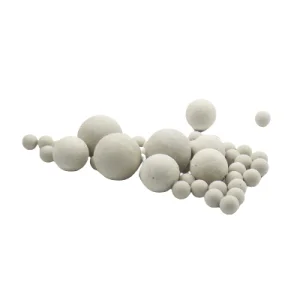
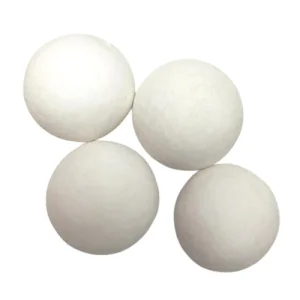
17% Al2O3 Inert Alumina Ceramic Ball
17% AL2O3 Inert Alumina Ceramic Support Ball
View Factory Specs
Metal Floating Valve Tray F1 V1
304 316L Stainless Steel Metal Floating Valve Tray (F1/V1 Type)
Request Wholesale Pricelist
Metal Dixon Ring Theta Ring
Metal Dixon Ring (Theta Ring) Wire Mesh Packing for High Purity Distillation
Download Spec Sheet
23% Al2O3 Inert Alumina Ceramic Ball
23% AL2O3 Inert Alumina Ceramic Ball Support Media
Check Factory Direct Price
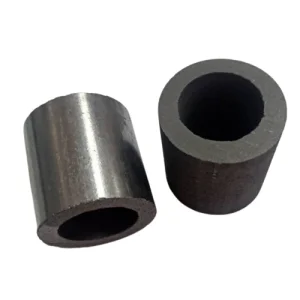
Carbon Graphite Raschig Ring
Carbon Graphite Raschig Ring Tower Packing
Inquire Manufacturer
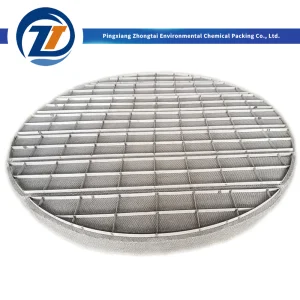
Wire Mesh Mist Eliminator Demister Pad
304 316L Wire Mesh Mist Eliminator Demister Pad
View Demister Specs
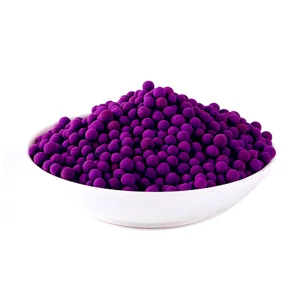
Potassium Permanganate Activated Alumina
Wholesale Potassium Permanganate Activated Alumina Media
Get Wholesale Quote

Ready to Optimize Your Tower Packing Procurement?

Connect with our senior technical engineering team today. We provide precise hydrodynamic calculations, customized material selection support, free samples, and factory-direct pricelists tailored to your project requirements.

Contact Engineering Support