High-purity crystalline zeolite adsorbents, PSA air separation desiccant beds, and catalytic tower packings engineered for Bangladesh’s natural gas dehydration, textile effluent systems, and chemical processing plants.
Pre-calibrated crystalline pore sizes engineered specifically to withstand heavy humidity, dynamic natural gas compression cycles, and on-site industrial oxygen enrichment.
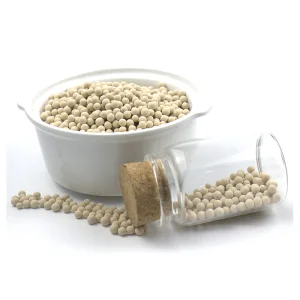
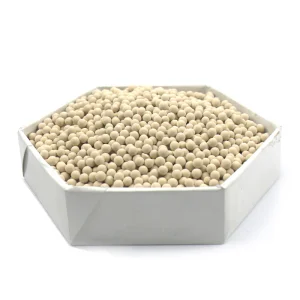
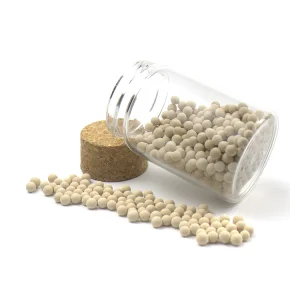
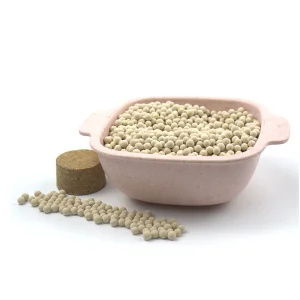
As the industrial sector in Bangladesh accelerates across the Dhaka, Chittagong, and Gazipur economic corridors, chemical separation efficiency has transformed from a routine maintenance metric into an acute competitive factor. With the expansion of ready-made garments (RMG), pharmaceutical synthetic manufacturing, fertilizer plants (such as Shahjalal Fertilizer Factory), and compressed natural gas (CNG) infrastructure, the requirement for synthetic zeolites exhibiting precise pore geometries and high hydrothermal stability has grown exponentially.
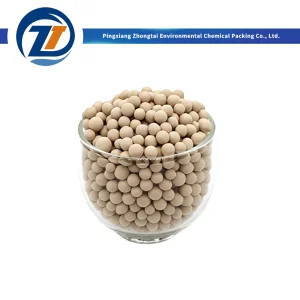
Bangladesh relies heavily on local natural gas extraction from Sylhet and offshore reserves. Trace moisture promotes pipeline corrosion and hydrate blockages. Synthetic Type 4A and 13X molecular sieves reduce feed-gas dewpoints to under -70°C before distribution or liquefaction.
In high-speed pneumatic textile mills across Narayanganj and Savar, condensate formation causes valve failure and fabric contamination. Desiccant air dryers loaded with Type 3A and 4A beads ensure uninterrupted zero-downtime operation.
Following nationwide clinical infrastructure mandates, local hospital plants and healthcare providers deploy Pressure Swing Adsorption (PSA) towers loaded with 13X-HP and 5A synthetic zeolites, achieving continuous 93%±3% medical oxygen purity.
Molecular sieves function as aluminosilicate crystalline polymers engineered with precisely defined cavities interconnected by uniform pore windows. Unlike non-selective silica gels or activated aluminas that separate purely by condensation mechanics, synthetic zeolites differentiate adsorbates based on both steric exclusion (pore aperture constraint) and electrostatic affinity (polar interactions driven by cationic frameworks such as Na+, K+, and Ca2+).
| Zeolite Type | Effective Aperture | Cationic Base | Equilibrium Moisture Capacity | Target Engineering Application in Bangladesh |
|---|---|---|---|---|
| Type 3A | ~3 Ångströms | Potassium (K+) | ≥ 21.0 wt% | Cracked gas dehydration, ethanol refining, insulated glass edge sealing. |
| Type 4A | ~4 Ångströms | Sodium (Na+) | ≥ 21.5 wt% | CNG stations, static closed-loop drying, textile compressed air networks. |
| Type 5A | ~5 Ångströms | Calcium (Ca2+) | ≥ 22.0 wt% | Normal-paraffin separation, PSA hydrogen fuel purification, nitrogen scrubbing. |
| Type 13X / APG | ~10 Ångströms | Sodium (Na+ Faujasite) | ≥ 24.0 wt% | Cryogenic air pre-purification (simultaneous H2O & CO2 trap), medical PSA generators. |
From the industrial ceramic epicenter of Jiangxi Province, our manufacturing clusters leverage fully integrated raw alumina, synthetic kaolin, automated rotary kilns, and direct port connectivity.
By producing raw inorganic pastes, binders, and calcining internally at massive scales, our Pingxiang facilities eliminate secondary intermediary margins, giving Chattogram port consignees direct factory-grade FOB/CIF savings.
Each container shipment undergo rigorous laboratory screening: crush strength measurements exceed 35 N/bead on 3–5 mm particles, with static CO2 adsorption capacities verified to prevent downstream bed breakthrough.
Equipped with vacuum-sealed 25 kg tinplate drums and heavy-duty polythene-lined 1000 kg supersacks, our media avoids premature moisture hydration through deep-sea maritime transit across the Bay of Bengal.
Our process engineering team provides bed pressure drop modeling, mass transfer zone estimations, and detailed CIF Chattogram quotation schedules.
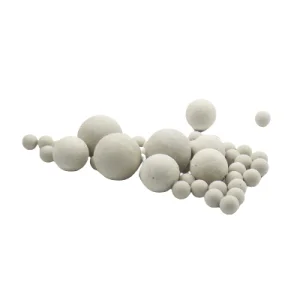
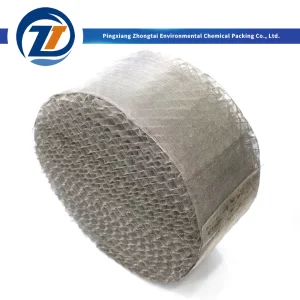
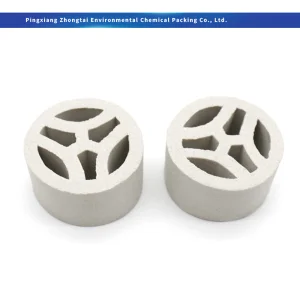
Explore comprehensive mass transfer packings, support spheres, and selective molecular sieves trusted by multi-industry operations worldwide.
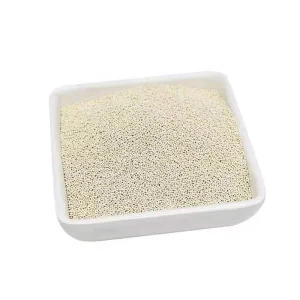
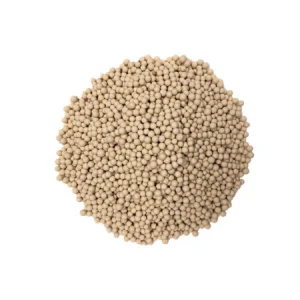
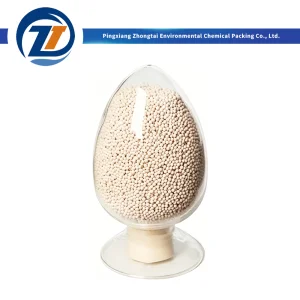
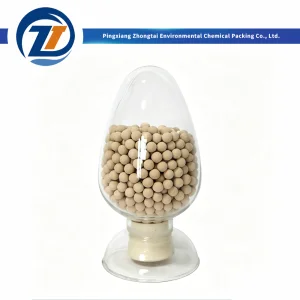
Authoritative technical and logistical answers compiled by Zhongtai chemical engineers for plant superintendents and procurement specialists.
