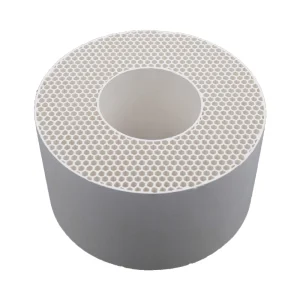
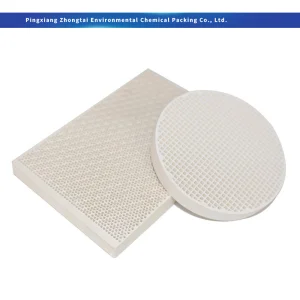
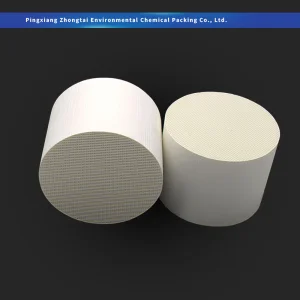
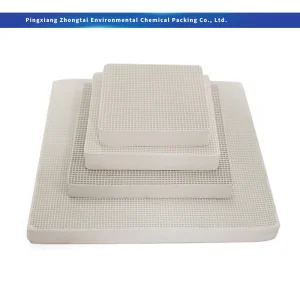
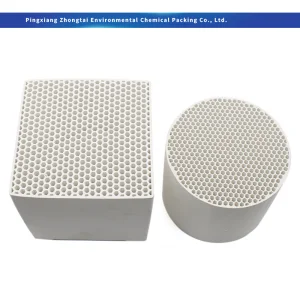
Pre-engineered thermal storage blocks and extruded catalytic carriers fabricated with cordierite, mullite, and high-purity alumina matrices.
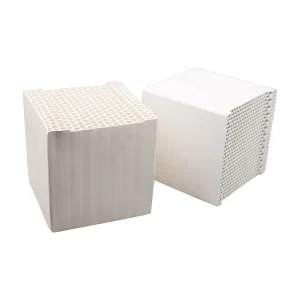
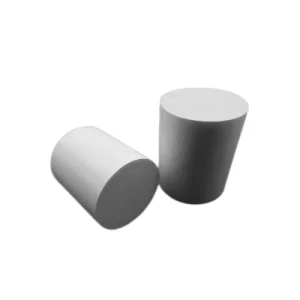
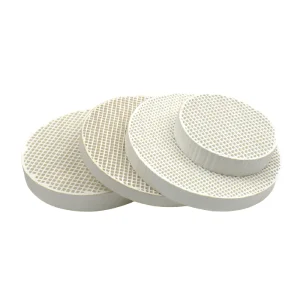
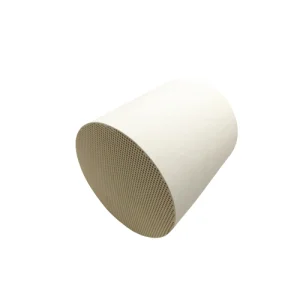
Analyzing thermal efficiency demands across the Second Industrial City of Riyadh, Sudair Industrial City, and neighboring downstream petrochemical clusters.
Under the Kingdom's Vision 2030, stringent environmental policies are shifting manufacturing protocols across Riyadh. Facilities engaged in plastics compounding, specialty chemicals, paint finishing, and bitumen handling are retrofitting traditional flare systems with high-efficiency Regenerative Thermal Oxidizers (RTO). These systems require honeycomb media exceeding 95% thermal recovery efficiency to cut localized gas consumption.
Riyadh's arid climate presents extreme diurnal temperature swings and high ambient dust (particulate matter). Thermal oxidizers and catalytic abatement chambers face immense mechanical stress. Media selected must demonstrate an ultra-low Thermal Expansion Coefficient (TEC ≤ 1.5×10⁻⁶/K) and robust face endurance to withstand frequent thermal cycling without channel plugging or thermal shock cracking.
EPC contractors and maintenance providers in Riyadh demand documented traceability, continuous supply security, and predictable landed cost structures. High ceramic durability directly curtails planned turnaround cycles, minimizing downtime across critical catalytic beds and secondary reforming loops.
Combining world-class mineral refinement, vacuum screw extrusion, and automated roller-hearth kilns to deliver tight tolerances and uncompromised bulk mechanical strength.
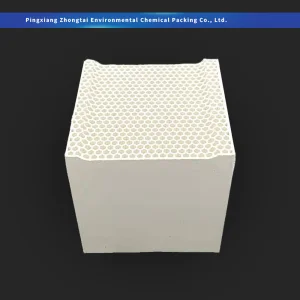
Our manufacturing cluster deploys multi-zone vacuum de-airing pug mills and tungsten-carbide dies. This ensures absolute consistency in wall thickness (down to 0.18 mm) across high-density configurations (up to 400 CPSI), minimizing internal pressure drop (ΔP) across broad gas volumes.
Continuous tunnel kilns spanning over 120 meters utilize multiple digitally regulated soaking zones. Precise thermal ramps prevent crystalline micro-defects between cordierite (2MgO·2Al2O3·5SiO2) and mullite phases, elevating cold crush strength beyond 12 MPa.
Every lot undergoes rigorous tests for water absorption, bulk density, specific heat capacity (kJ/kg·K), and resistance to rapid quench cycles. All documentation matches SASO customs clearance criteria, ensuring smooth entry via King Abdulaziz Port in Dammam or Riyadh Dry Port.
Direct from Pingxiang plant floor to your site in Riyadh. We supply comprehensive factory test certificates, technical data sheets, and custom palletizing.
Procurement pricing varies by cell architecture (CPSI), mineral purity, wall thickness, and volumetric order scale. Below is our baseline technical specification and indicative cost structure for the Riyadh region.
| Material Formulation | Cell Density (CPSI) / Geometry | Specific Heat (kJ/kg·K) | Max Temp (°C) | Primary Industrial Use in KSA | Indicative Price Range (FOB / m³) |
|---|---|---|---|---|---|
| Standard Cordierite | 25×25 / 40×40 / 50×50 | 1.05 – 1.15 | 1200 | Industrial VOC Abatement, Paint & Coating RTO | $1,100 – $1,450 |
| Cordierite-Mullite Blend | 40×40 / 43×43 / 50×50 | 1.10 – 1.25 | 1300 | Chemical Processing Plants, Asphaltene Incineration | $1,350 – $1,750 |
| Dense Corundum / Mullite | 25×25 / 32×32 / 40×40 | 1.15 – 1.30 | 1450 | Metallurgical Air Preheat, Severe Thermal Shock Units | $1,650 – $2,200 |
| High-Alumina (≥90% Al₂O₃) | Custom Monolith / Bird Nest | 1.00 – 1.10 | 1550 | Hydrogenation Units, Catalyst Guard Bed Filtration | $2,100 – $2,850 |
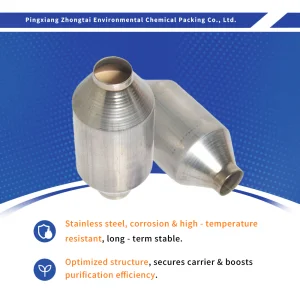
| Catalyst Substrates (DOC/DPF) | 100 – 400 CPSI (Round/Oval) | 0.95 – 1.10 | 1350 | Off-Road Power Generation, Diesel Particulate Scrubbers | Contact for Piece Rates |
*Note: Final CIF Riyadh quotes depend on shipping rates, raw mineral prices, required washcoat surfaces, packaging modes (standard wooden pallets vs. fumigated crating), and purchase volumes.
How downstream plants and engineering firms deploy our monolithic media for heat transfer, chemical kinetics, and emission controls.
Downstream resin, polymer, and solvent synthesis operations in central Saudi Arabia utilize 3-bed or 2-bed RTO systems packed with our 40×40 or 43×43 cell cordierite honeycombs. Low thermal inertia allows quick response to cyclical switching valves without excessive thermal loss.
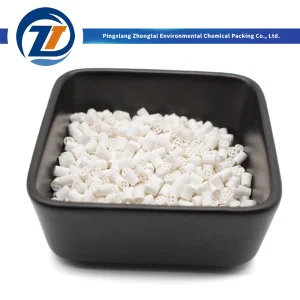
Our 90% Al₂O₃ honeycomb media and bird-nest filtration blocks are deployed in guard beds to catch particulate fines, scale, and heavy metals prior to primary catalytic hydrotreating beds, maintaining bed life and preventing pressure spikes.
Mullite-rich honeycomb structures function as regenerative burners within aluminum remelt systems and structural steel reheating furnaces. Media endure cyclical temperatures up to 1400°C, recovering furnace flue heat to preheat incoming combustion air and lower fuel costs.
Authoritative guidance addressing operating limits, logistics to Saudi Arabia, material grading, and field service lifespan.
Comprehensive monolithic ceramic media for Riyadh industrial contractors, environmental system builders, and plant operators.
Get in touch with our technical sales division for complete product catalogs, certified sample blocks, pressure-drop curves, and door-to-door logistics support.
