Engineered for low pressure drop, non-coking catalyst support, and superior moisture removal in deep gas dehydration towers across Montevideo, Fray Bentos, and San José.
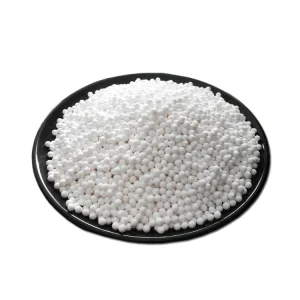
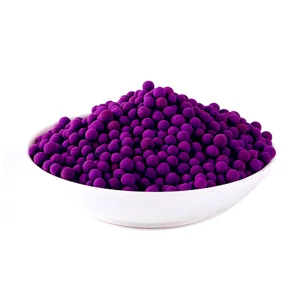
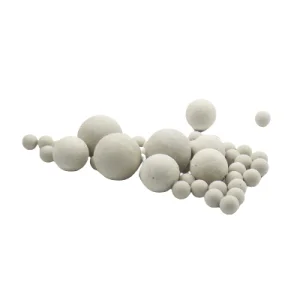
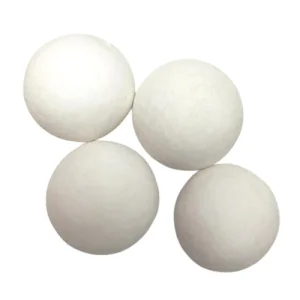
Strategic analysis of mass-transfer packings, catalyst support, and refractory grinding spheres within the Southern Cone's most stable industrial economy.
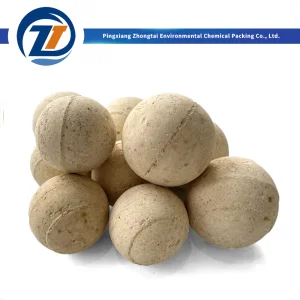
Uruguay's mega-scale pulp mills (including facilities along the Rio Negro and Rio Uruguay) demand reliable recovery boiler refractory media and chlorine dioxide scrubbers. Ceramic balls and random packings must endure intense acid vapors, thermal shocks up to 1100°C, and continuous liquor oxidation without silica degradation.
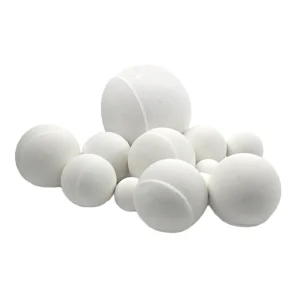
Centering around ANCAP's La Teja refinery in Montevideo, downstream hydroprocessing units, reformer reactors, and sulfur recovery units require precise grading of inert alumina ceramic balls (17% to 99% Al₂O₃) as hold-down screens and catalyst bed supports to mitigate pressure drop spikes and prevent catalyst migration.
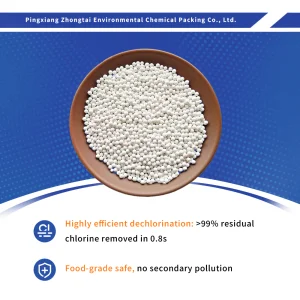
With Uruguay's mandatory bioethanol and biodiesel blending directives (ALUR), production facilities utilize activated alumina desiccants and molecular sieves for anhydrous ethanol distillation and vegetable oil pre-treatment, where moisture-loading kinetics directly determine operational overhead.
Formulated in accordance with global chemical processing standards (ASTM, ISO), providing high compressive resistance, thermal fatigue endurance, and verified chemical inertia.
| Property Matrix | 17%–23% Al₂O₃ Inert | 23%–30% Standard | 92% High Alumina | 99% Super Inert |
|---|---|---|---|---|
| Al₂O₃ Content (%) | 17.0 – 23.5 | 23.0 – 30.0 | ≥ 92.0 | ≥ 99.2 |
| SiO₂ Content (%) | 70.0 – 76.0 | 65.0 – 72.0 | ≤ 6.0 | ≤ 0.2 |
| Bulk Density (g/cm³) | 1.35 – 1.45 | 1.40 – 1.50 | 2.05 – 2.20 | 2.10 – 2.30 |
| Water Absorption (%) | < 2.5 | < 2.0 | < 1.0 | < 1.0 |
| Cold Crushing Strength (KN/ball @ 25mm) | > 5.5 | > 7.0 | > 18.0 | > 22.0 |
| Max Working Temperature (°C) | 1100 | 1200 | 1550 | 1750 |
| Resistance to Thermal Shock | Excellent (850°C to cold water) | Superior (900°C cycle) | Extreme (1200°C cycle) | Maximum (>1400°C cycle) |
Eliminating supply friction between Pingxiang manufacturing plants and Uruguayan end-users via structured oceanic freight routing and standard Latin American import protocols.
All maritime shipments are pre-manifested for expedited handling at Terminal Cuenca del Plata (TCP) or private bonded berths. Zhongtai issues certified Certificate of Origin (Form A / Non-Preferential CO) recognized by DNA (Dirección Nacional de Aduanas), ensuring accurate tariff schedule assignments under MERCOSUR Common Nomenclature (NCM 6909.19).
Long sea transits across equatorial routes require absolute packaging integrity. Our products are sealed in multi-layer woven PP jumbo bags (1.0 or 1.2 metric ton capacity) with heavy-gauge inner polyethylene liners or reinforced steel drums, mounted on heat-treated, ISPM-15 certified wooden pallets with corner protection and shrink-wrap stabilization.
Each production run undergoes comprehensive factory QA prior to containerization: bulk density sampling, crushing load analysis on calibrated presses, acid solubility tests via gravimetric evaluation, and chemical assay via X-Ray Fluorescence (XRF). Third-party inspection reports (SGS, Bureau Veritas) are supplied upon request.
Fulfilling the complex demands of mass transfer, ball mill grinding, and thermal oxidizer systems across Uruguay and Latin America.
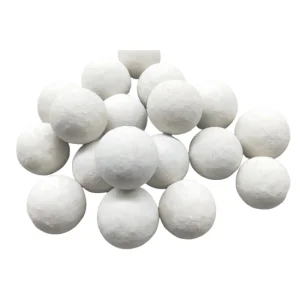
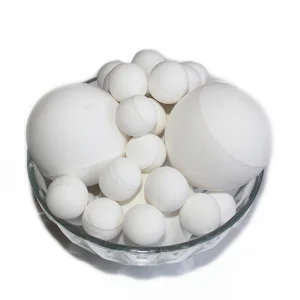
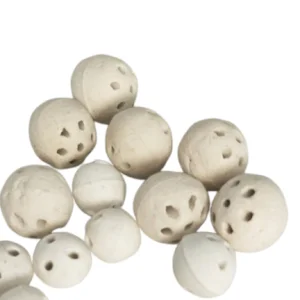
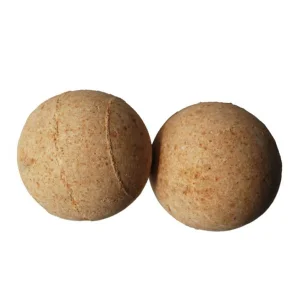
Specific engineering and trade information for Uruguayan chemical plant managers, maintenance leads, and procurement teams.
Under high operating temperatures and high steam partial pressures, silica leaches out of conventional ceramic balls in the form of volatile gaseous silicic acid [Si(OH)4]. As the process stream passes downstream into cooler zones (heat exchangers, shift converters), silica precipitates, blinding catalyst active sites and fouling tube surfaces. For these severe services, our 99% Al₂O₃ media with <0.2% silica guarantees absolute process cleanliness.
Containers depart from regional shipping ports (such as Shanghai, Ningbo, or Shenzhen) with direct oceanic routes to Terminal Cuenca del Plata in Montevideo. Typical ocean transit duration ranges from 35 to 42 days. For planned refinery turnarounds or paper mill shutdowns, we recommend factoring in a 60-day buffer encompassing manufacturing, batch certification, ocean transit, and customs processing.
All crush strength validation follows ASTM D-4179 and HG/T 3683-2014 standards using a calibrated digital hydraulic compression station. A representative sample of 20 to 50 balls per production batch is crushed between parallel polished steel platens. Both the average crushing load and the minimum single-point yield values are logged directly onto the Factory Inspection Certificate accompanying each shipment.
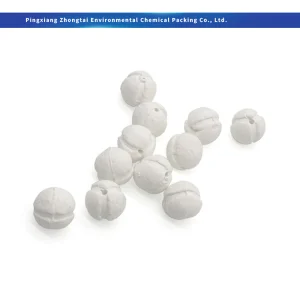
Yes. We manufacture perforated and macro-porous ceramic support balls designed to mitigate delta-P build-up in reactors operating at critical hydraulic capacity. The engineered flow bores increase free void space while retaining mechanical load-bearing capacity, reducing initial bed pressure drop by up to 25% compared to solid spheres of identical diameter.
Whether you require full-bed replacement during a scheduled refinery turnaround, desiccant refresh for an ethanol plant, or heavy-duty grinding media for minerals, Zhongtai's engineering desk supplies precise calculations, sample kits, and CIF Montevideo pricing within 24 hours.
Send Inquiry Now